The Ultimate Guide to Cooking a Spiral Cut Ham Without Drying It Out
To cook a spiral cut ham, you are primarily reheating a pre-cooked product. Wrap the ham tightly in heavy-duty aluminum foil and bake it in a preheated oven at 275°F to 325°F. Heat until the internal temperature reaches 140°F, typicall...
To cook a spiral cut ham, you are primarily reheating a pre-cooked product. Wrap the ham tightly in heavy-duty aluminum foil and bake it in a preheated oven at 275°F to 325°F. Heat until the internal temperature reaches 140°F, typically requiring 10 to 15 minutes per pound, to ensure the meat remains moist and tender.
Contents
Understanding the Spiral Cut Ham
A spiral cut ham is a culinary convenience that has become a centerpiece for holiday gatherings in 2026. Unlike a traditional whole ham, a spiral cut ham is mechanically sliced in a continuous circle all the way to the bone. This process allows for uniform, thin slices that are easy to serve without the need for expert carving skills. However, the very feature that makes it convenient—the pre-slicing—also makes it vulnerable to drying out during the reheating process.
Most spiral hams purchased in modern grocery stores are "city hams," meaning they have been wet-cured in a brine of salt, sugar, and preservatives, and then fully smoked. Because they are already fully cooked, your goal is not to "cook" the meat in the traditional sense, but to bring it to a palatable serving temperature without evaporating the internal moisture. The increased surface area created by the spiral slices means that heat can penetrate quickly, but it also means the natural juices can escape just as fast.
Essential Equipment for Success
Before you begin the reheating process, ensure you have the necessary tools. The precision of your equipment directly correlates to the quality of the final dish.
- Digital Meat Thermometer: This is the most critical tool in your kitchen. Relying on time alone is risky because oven calibrations and ham shapes vary. A probe thermometer that stays in the oven or a high-quality instant-read version is essential for hitting the 140°F target.
- Roasting Pan or Large Baking Dish: Choose a pan with sides high enough to catch any juices and hold a small amount of liquid at the bottom.
- Heavy-Duty Aluminum Foil: Standard foil is often too thin and prone to tearing. Heavy-duty foil creates a superior steam-tight seal, which is your primary defense against dry meat.
- A Wire Rack: Placing the ham on a rack inside the pan prevents the bottom slices from simmering in the liquid, ensuring a more even reheat.
Preparation and the Moisture Barrier
Preparation begins the moment you remove the ham from its packaging. Many hams come with a plastic "bone guard" or a small plastic disk on the bone end; ensure this is removed and discarded.
To preserve the integrity of the meat, you must create a humid environment within the oven. This is achieved through two primary methods: adding liquid to the pan and sealing the ham tightly. For the liquid, plain water works, but 2026 culinary trends often favor using apple cider, pineapple juice, or even a splash of ginger ale to add a subtle aromatic layer to the steam.
Place the ham in the roasting pan flat-side down (the cut side). This position helps keep the slices pressed together, minimizing the surface area exposed to the air. After adding approximately half a cup of liquid to the pan, wrap the entire pan or the ham itself tightly with foil. If you see steam escaping during the process, your seal is not tight enough.
Temperature and Timing Guidelines
While some recipes suggest higher temperatures to speed up the process, a "low and slow" approach is the gold standard for spiral cut hams. High heat causes the proteins to contract rapidly, squeezing out moisture.
In 2026, many professional chefs recommend a temperature of 275°F to 300°F. This gentle heat warms the ham evenly from the surface to the bone. If you are in a time crunch, 325°F is acceptable, but you must monitor the internal temperature more closely.
| Ham Weight (lbs) | Oven Temperature (°F) | Estimated Time (Minutes/lb) | Target Internal Temp (°F) |
|---|---|---|---|
| 6–8 lbs | 275°F | 12–15 mins | 140°F |
| 8–10 lbs | 275°F | 11–14 mins | 140°F |
| 10–12 lbs | 300°F | 10–12 mins | 140°F |
| 12+ lbs | 300°F | 10 mins | 140°F |
Note: These are estimates. Always use a thermometer to verify the temperature at the thickest part of the ham, avoiding the bone.
The Art of Glazing
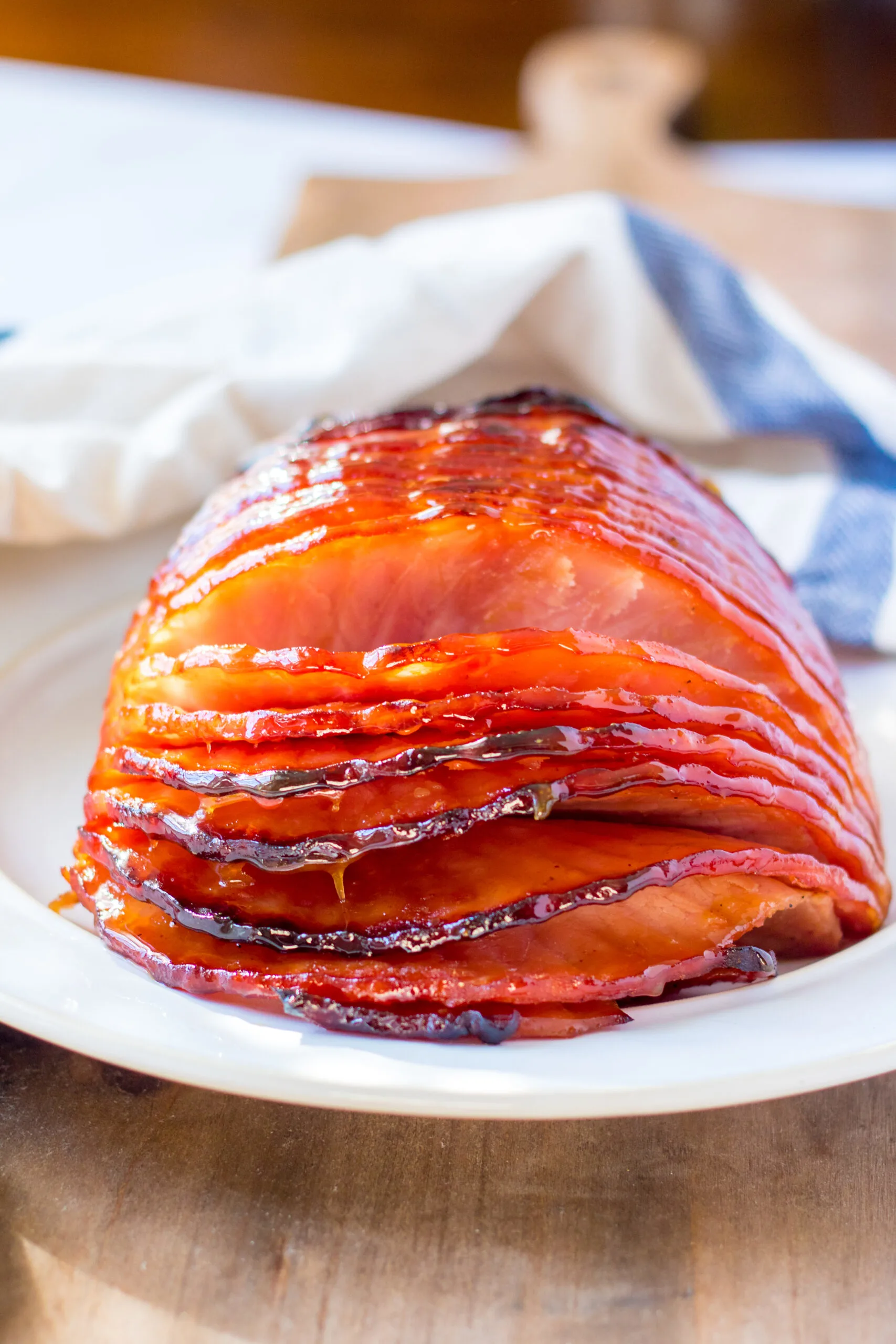
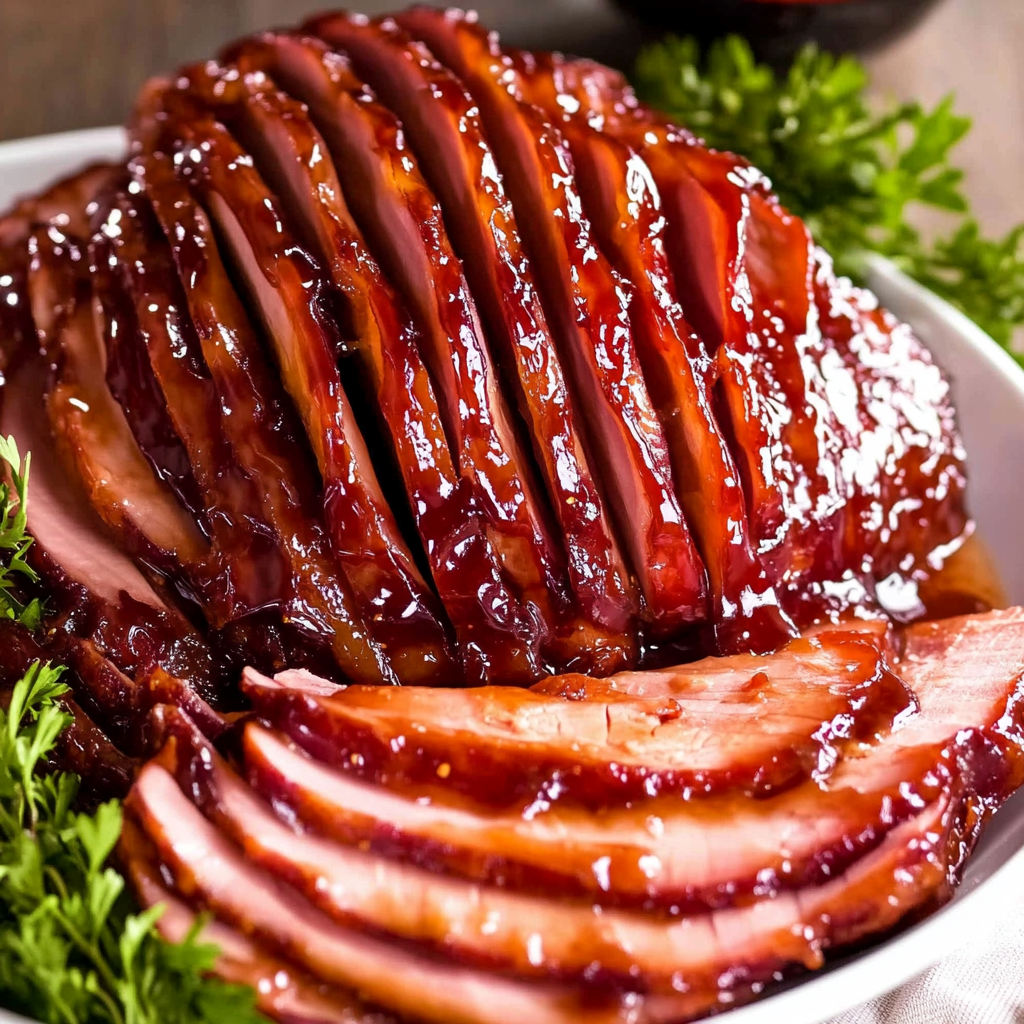
The glaze provides the iconic sweet and savory crust that defines a holiday ham. Most spiral hams include a glaze packet, but creating a custom glaze allows for a more sophisticated flavor profile. Common ingredients include brown sugar, honey, maple syrup, Dijon mustard, and spices like cloves or starcurrant.
The timing of the glaze is vital. Because glazes have a high sugar content, they will burn if applied at the beginning of the cooking process.
- Remove the ham from the oven when it reaches approximately 130°F.
- Increase the oven temperature to 400°F or turn on the broiler.
- Unwrap the foil and brush the glaze generously over the surface and slightly between the slices.
- Return to the oven uncovered for 10–15 minutes. Monitor closely; you want the sugar to bubble and caramelize into a dark, tacky crust, but not turn black.
Alternative Reheating Methods
While the oven is the traditional choice, other methods are highly effective depending on your kitchen setup.
Slow Cooker Method
For smaller spiral hams (usually 6–8 lbs), the slow cooker is an excellent way to maintain moisture. Place the ham in the slow cooker with a small amount of liquid. If the ham is too tall for the lid to close, cover the top tightly with foil and then place the lid over the foil. Cook on "Low" for 3–4 hours. This method is almost foolproof for preventing dryness because the slow cooker creates a closed, humid system.
Electric Roaster
If your oven is occupied by side dishes, an electric roaster works identically to a standard oven. Set it to 300°F and follow the same foil-wrapping and liquid-addition steps. Electric roasters are often better at holding moisture than convection ovens, which circulate dry air.
Common Mistakes to Avoid
- Overcooking: The most frequent error is treating the ham like a raw roast. Since it is already cooked, every minute past 140°F internal temperature is simply removing moisture.
- Neglecting the Rest Period: Once the ham is removed from the oven, let it rest for 15–20 minutes before serving. This allows the heat to equalize and the juices to redistribute throughout the meat.
- Applying Glaze Too Early: As mentioned, the sugars will scorch, leaving a bitter taste and a smoky kitchen.
- Cutting the Slices Off Too Soon: Keep the slices attached to the bone for as long as possible. Only carve off what you intend to serve immediately to keep the remaining meat warm and juicy.
Troubleshooting Dry Ham
If you find that your ham has become dry despite your best efforts, there are ways to salvage the meal. The best solution is to serve the ham with a "mop sauce" or a light gravy. A mixture of the pan drippings, a little chicken stock, and a spoonful of Dijon mustard can be drizzled over the sliced meat to provide much-needed lubrication. Alternatively, you can serve the ham with a side of fruit chutney or honey-mustard sauce to compensate for the lost internal moisture.
Frequently Asked Questions
Can I cook a spiral ham from a frozen state?
It is strongly recommended to thaw the ham completely in the refrigerator before reheating. Thawing typically takes 24 to 48 hours depending on the size. Reheating a frozen spiral ham often leads to an unevenly cooked result where the exterior is dry and the interior remains cold. If you must cook from frozen, expect the time to increase by 50% and use a lower temperature (250°F) to minimize exterior damage.
Does the "face-down" position really matter?
Yes. Placing the ham cut-side down on the pan surface or a rack uses gravity to keep the slices compressed. If the ham is placed on its side, the spiral slices tend to "fan out." When they fan out, the hot air can circulate between every single slice, which drastically accelerates moisture evaporation and can lead to a "jerky-like" texture on the edges of the meat.
Is the glaze packet included with the ham safe to use?
Yes, the glaze packets provided by manufacturers are formulated for stability and flavor. However, they are often very high in sodium and preservatives. For a fresher taste in 2026, many cooks prefer to use the packet as a base and add fresh ingredients like zest from an orange or a tablespoon of bourbon to deepen the complexity.
How long can I safely store leftover spiral ham?
According to USDA guidelines, cooked ham can be stored in the refrigerator for 3 to 5 days. For longer storage, you can freeze the ham for up to 1 to 2 months without significant quality loss. When freezing, wrap the slices tightly in plastic wrap and then place them in a heavy-duty freezer bag to prevent freezer burn.
What is the best way to use the leftover ham bone?
Never discard the bone. It is packed with flavor and collagen. It is the perfect base for pea soup, lentil stew, or navy bean soup. You can freeze the bone for up to six months until you are ready to use it in a stock or soup.
Recommended Next Steps
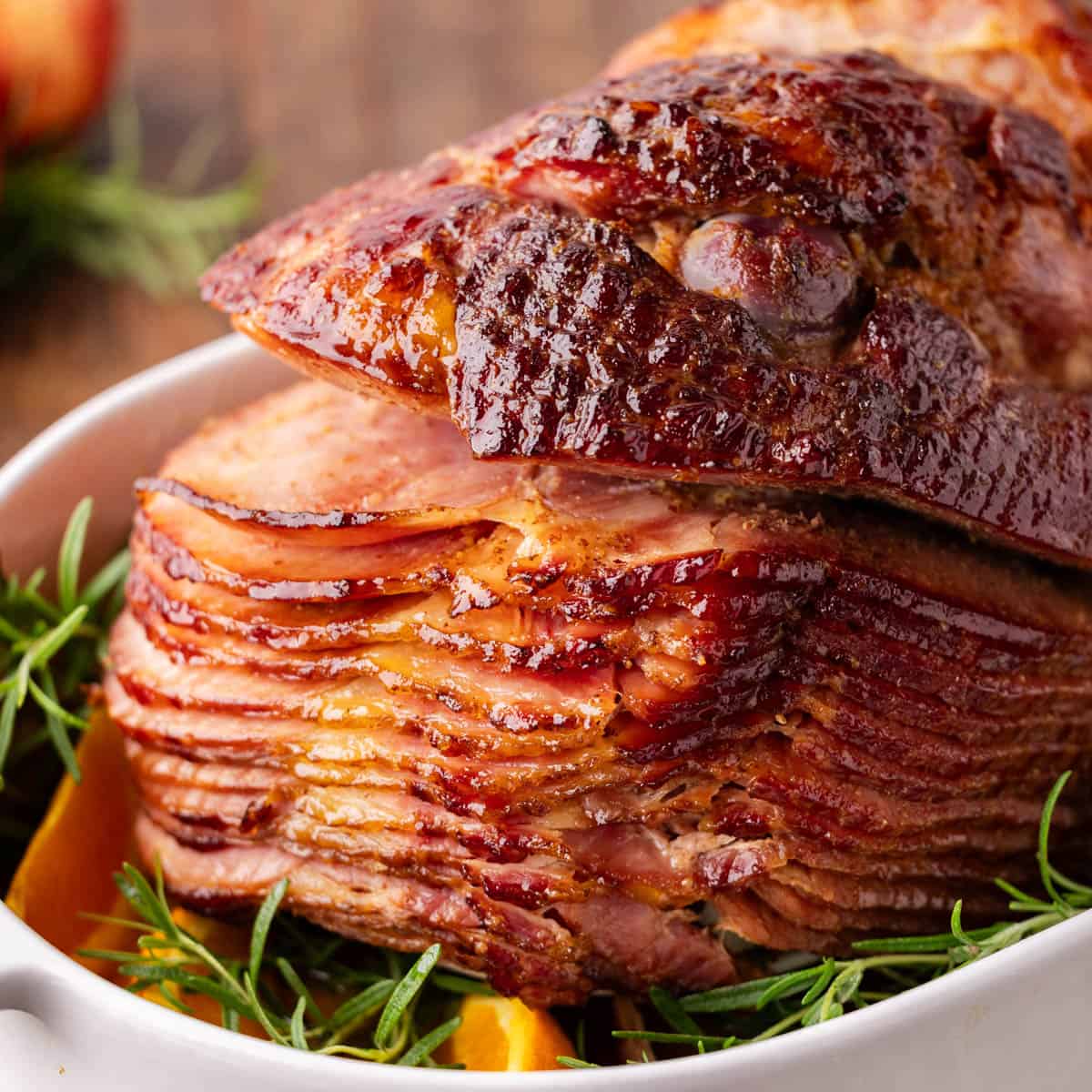
Once your ham is reheated and glazed, focus on the presentation. Arrange the slices on a platter garnished with fresh rosemary sprigs and halved pomegranates or oranges for a vibrant 2026 holiday look. For leftovers, consider using the meat in a crustless quiche or a gourmet grilled cheese sandwich with gruyère and fig jam.
Image Gallery