How to Use YouTube Auto-Translate to English: Viewer & Creator Guide
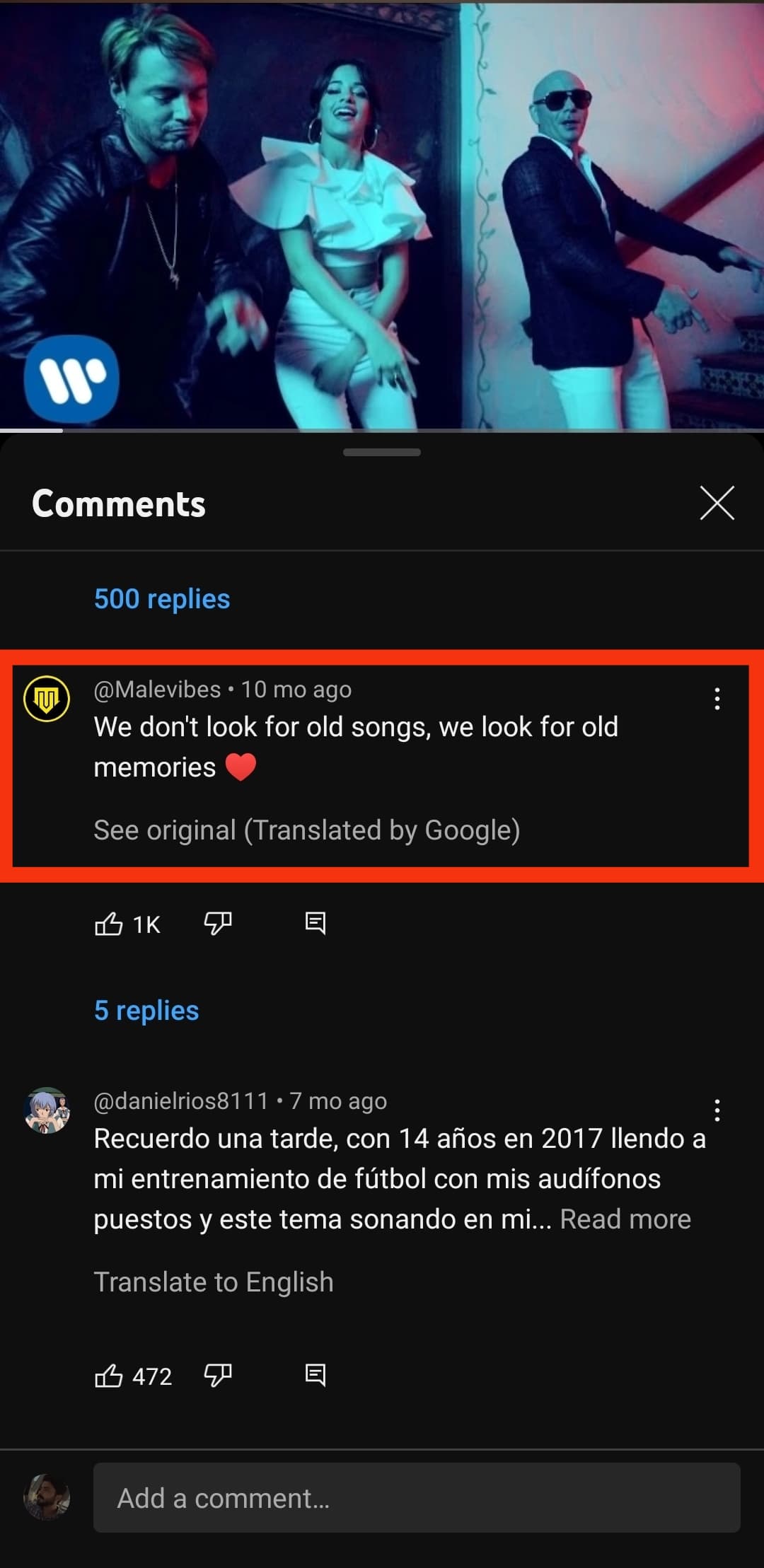
To translate any YouTube video into English subtitles, play the video, turn on closed captions by clicking the CC button, open the video settings menu (gear icon), select Subtitles/CC, and click Auto-translate. From the language list,...
To translate any YouTube video into English subtitles, play the video, turn on closed captions by clicking the CC button, open the video settings menu (gear icon), select Subtitles/CC, and click Auto-translate. From the language list, select English. If the original video contains speech and captions are active, YouTube automatically translates the transcript into English text in real time.
Contents
Understanding YouTube's Auto-Translate Architecture
YouTube relies on two distinct machine-learning pipeline layers to convert foreign-language audio into English text or audio: Automatic Speech Recognition (ASR) and Neural Machine Translation (NMT). Understanding how these systems interact clarifies why the feature works instantly on some videos while encountering issues on others.
Source Audio (Foreign Language)
Automatic Speech Recognition (ASR Transcribes Audio Text)
Neural Machine Translation (NMT Translates Text to English)
English Text / Dubbed Audio
Automatic Speech Recognition (ASR): The initial layer processes the spoken sound waves of the video's original audio track and converts them into written text in the source language (such as Spanish, Japanese, or German). If the creator has already provided a manually edited transcript, YouTube bypasses ASR and uses the creator's verified text as the source baseline.
Neural Machine Translation (NMT): Once a source-language text baseline exists, YouTube's NMT models process the sentence structure, contextual phrasing, and syntax to output translated English text onto the screen.
In addition to text-based caption translation, YouTube supports Multi-Language Audio, including AI-driven auto-dubbing. This system combines speech-to-text, machine translation, and text-to-speech (TTS) voice synthesis to generate spoken English audio tracks alongside traditional closed captions.
Step-by-Step: Enabling English Auto-Translation as a Viewer
The procedure for turning on English auto-translated captions varies slightly depending on whether you are watching on a desktop web browser, a mobile app, or a smart TV interface.
Enabling English Subtitles on Web Browsers (Desktop)
- Open the video on YouTube using any modern browser (Chrome, Firefox, Edge, or Safari).
- Click the CC (Closed Captions) button at the bottom-right corner of the video player to turn on captions.
- Click the Settings icon (the gear symbol located next to the CC button).
- Click Subtitles/CC.
- Select Auto-translate from the pop-up list.
- Scroll down through the list of supported languages and click English.
The captions on the video frame will update instantly to display translated English text synchronized with the audio playback.
Enabling English Subtitles on Mobile (Android & iOS)
- Launch the YouTube app and begin playing the target video.
- Tap the video screen once to reveal the control overlay.
- Tap the CC icon in the upper-right corner to enable captions.
- Tap the Settings gear icon in the top-right corner of the player.
- Select Captions from the pop-up menu.
- Select Auto-translate.
- Choose English from the list of available languages.
Switching to English Audio Tracks (Multi-Language Audio)
If a creator has uploaded an English dub or utilized YouTube's automated audio translation tools, you can listen to the video natively in English without reading subtitles:
- Tap or click the Settings (gear) icon on the video player.
- Select Audio track.
- Choose English (or English - Auto-dubbed if generated by AI).
Why YouTube Auto-Translate Fails (Troubleshooting & Limitations)
Users frequently encounter scenarios where the "Auto-translate" option is missing, grayed out, or producing inaccurate translations. The primary operational causes include:
1. The Source Video Lacks Captions Entirely
YouTube's machine translation requires a primary text track to translate from. If YouTube’s ASR system failed to generate automated captions in the original language—due to poor audio quality, loud background music, overlapping dialogue, or low volume—the Auto-translate menu option will not appear.
2. Captions Are "Burned-In" to the Video Graphic
If a creator rendered subtitles directly into the video file during editing (hardcoded or burned-in subtitles), YouTube treats those characters as pixels rather than readable text. The native video player cannot detect or translate text hardcoded into the visual raster.
3. "Auto-Translate" Option Is Grayed Out
If captions are turned off in your primary player settings, clicking the settings gear may show Subtitles/CC as disabled. Ensure the main CC toggle is switched on before attempting to enter the language selection submenu.
4. Technical and Contextual Translation Errors
While Google's NMT models continuously improve, automatic translation retains inherent technical limits:
- Idioms and Cultural Metaphors: Literal word-for-word translations frequently misinterpret regional idioms or slang.
- Domain-Specific Jargon: Specialized medical, legal, or high-level technical terms can be mistranslated if the model lacks context.
- Homographs and Contextual Ambiguity: Words with multiple meanings in the source language may translate to the wrong English equivalent based on surrounding syntax errors in the ASR output.
Comprehensive Comparison: Captioning & Translation Methods
The table below outlines how different captioning and translation methods on YouTube compare regarding accuracy, viewer effort, creator effort, and availability.
| Feature / Method | Translation Accuracy | Viewer Effort | Creator Setup Required | Primary Use Case |
|---|---|---|---|---|
| Viewer-Side Auto-Translate (NMT) | Moderate (60%–85%) | Low (Requires menu selection) | None (Relies on source ASR or transcript) | Quick comprehension of foreign language videos. |
| Manual SRT/VTT English Upload | High (95%–100%) | None (Displays automatically based on language settings) | High (Requires manual translation or hiring a translator) | Professional channels, educational content, high-value media. |
| Multi-Language Audio (Human Dub) | High (95%–100%) | Very Low (Selects preferred audio track) | High (Requires voice actors and studio sync) | High-budget international content creators. |
| AI Auto-Dubbing (YouTube Aloud / Native) | Moderate to High (80%–90%) | Very Low (Plays automatically if language matches) | Moderate (Requires creator opt-in and review in YouTube Studio) | Expanding global reach without voice actor costs. |
How Creators Can Optimize Videos for English Auto-Translation
If you manage a YouTube channel and want global viewers to experience high-quality English translations of your content, implement the following channel management steps:
1. Upload Clean Source Transcripts
Automatic Machine Translation is only as good as the input text. Relying entirely on automatic speech recognition often introduces baseline transcription errors, which worsen during machine translation. By uploading an accurate transcript of your native language via YouTube Studio > Subtitles, you guarantee that the engine translates accurate source text into English.
2. Add Dedicated English Subtitle Tracks (.SRT Files)
To offer the absolute best experience for English-speaking audiences:
- Log into YouTube Studio.
- Select Subtitles from the left navigation menu.
- Click the video you wish to edit.
- Click Add Language and select English.
- Choose Upload file (to attach a premade
.srtor.vttfile) or Auto-translate within Studio to generate a permanent draft that you can manually review, refine, and publish.
3. Maintain High Audio Clarity During Recording
To ensure YouTube’s ASR engine generates precise baseline captions automatically:
- Use a dedicated cardioid or lavalier microphone to minimize ambient room reverb.
- Keep background music volumes significantly lower than the spoken dialogue track (ideally ducked by at least -18dB to -24dB during voiceovers).
- Avoid overlapping speech when hosting multi-person discussions or podcasts.
Third-Party Tools & Browser Extensions
When YouTube’s native automatic translation system is unavailable or unsatisfactory, several external software solutions can bridge the gap.
Dual Subtitle Extensions
Extensions available on the Chrome Web Store (such as Two Captions or Dual Subtitles for YouTube) allow viewers to display two caption streams simultaneously—showing the original native language text directly above the auto-translated English text. This is widely used for language learning and verification.
Real-Time System Audio Translators
If a video lacks closed captions completely, third-party desktop tools (such as live audio translation software utilizing OpenAI's Whisper model or Google Cloud Speech-to-Text API) can capture desktop audio output in real time and render English subtitles in a floating system window.
Frequently Asked Questions
Can YouTube auto-translate live streams into English in real time?
Yes, YouTube supports automatic real-time captioning and translation on eligible live streams, provided the creator has enabled live captions and the audio meets clear broadcast standards. However, latency may cause a delay of several seconds between the spoken audio and the translated English subtitle display.
Why is the "Auto-translate" option missing on certain YouTube videos?
The "Auto-translate" button disappears if YouTube’s system has not generated an underlying caption track for the video. This occurs if the source audio is unrecognizable, the primary language is not supported by ASR, the video contains significant silent gaps, or the audio quality is too low for automated processing.
How accurate is YouTube auto-translate to English?
Translation accuracy ranges from 70% to 90% for clear audio in common languages (such as Spanish, French, German, or Mandarin). Accuracy drops significantly when dealing with fast speaking rates, heavy regional accents, strong background noise, or specialized technical subject matter.
Is YouTube auto-translate free for all users?
Yes. Both auto-generated captions and automatic subtitle translation into English are free standard features for all viewers across desktop, mobile, and smart TV platforms.
What is the difference between auto-translated captions and multi-language audio?
Auto-translated captions convert spoken audio into on-screen English text while keeping the original foreign voice track intact. Multi-language audio replaces the original spoken audio with an English voice track (either recorded by human voice actors or synthesized using AI auto-dubbing technology).
Final Recommendations & Next Actions
To get the most out of YouTube’s translation features:
- For Viewers: Always turn on CC first before looking for the Auto-translate option in the gear settings menu. If native captions fail or appear heavily distorted, install a web browser extension that leverages external translation APIs to generate side-by-side translation overlays.
- For Creators: Do not rely solely on YouTube's raw automated captions. Check your YouTube Studio > Subtitles tab to review auto-generated text or upload clean source transcripts. Providing clean baseline captions significantly improves the accuracy of English machine translation for your international audience.
Image Gallery