William Shatner as Captain Kirk: The Legacy, Acting Style, and History of Star Trek’s Iconic Leader
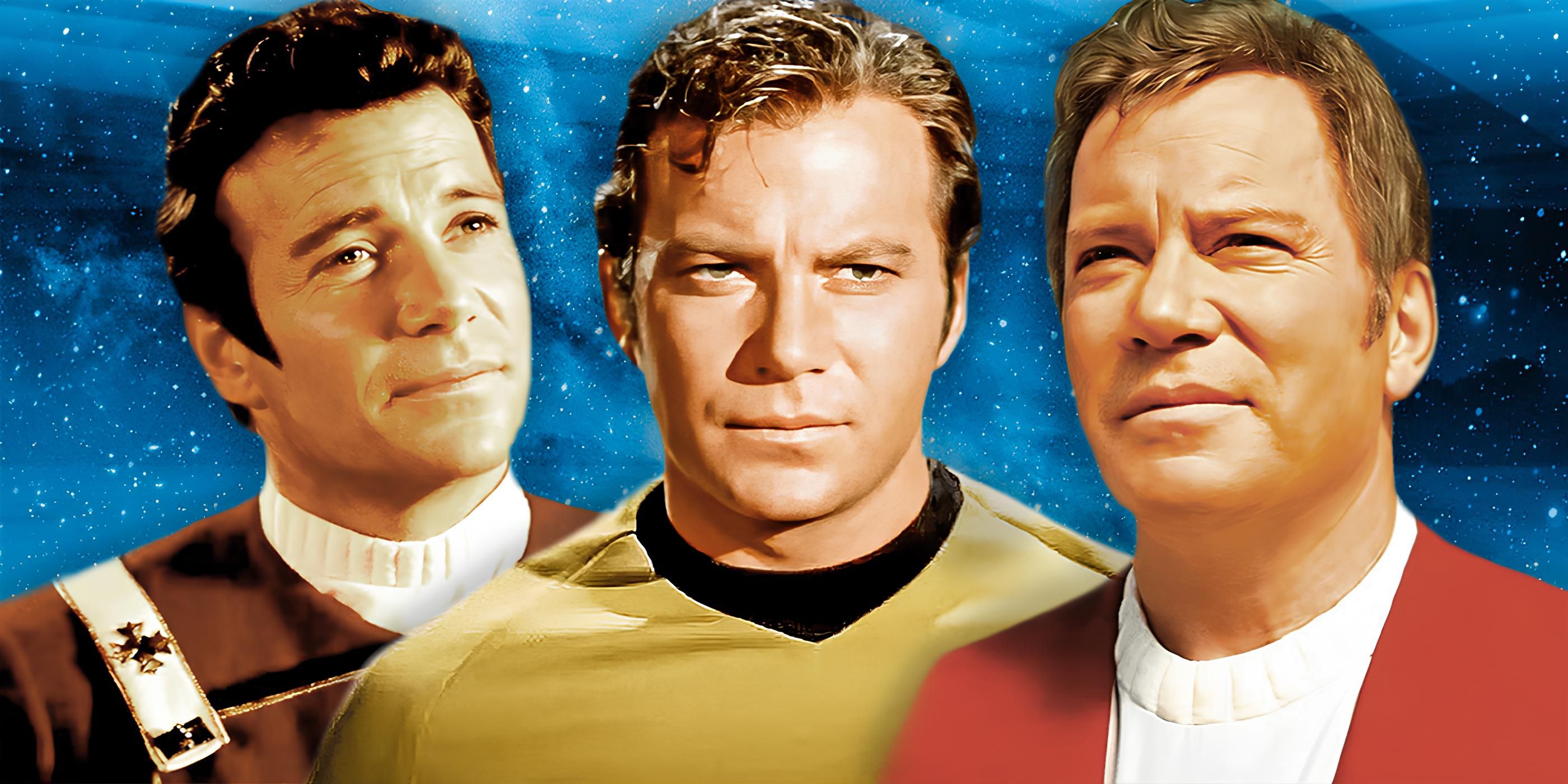
William Shatner’s portrayal of Captain James T. Kirk in Star Trek defined modern science fiction heroism. Taking over the command deck of the USS Enterprise in 1966, Shatner brought a unique blend of theatrical gravitas, tactical swagg...
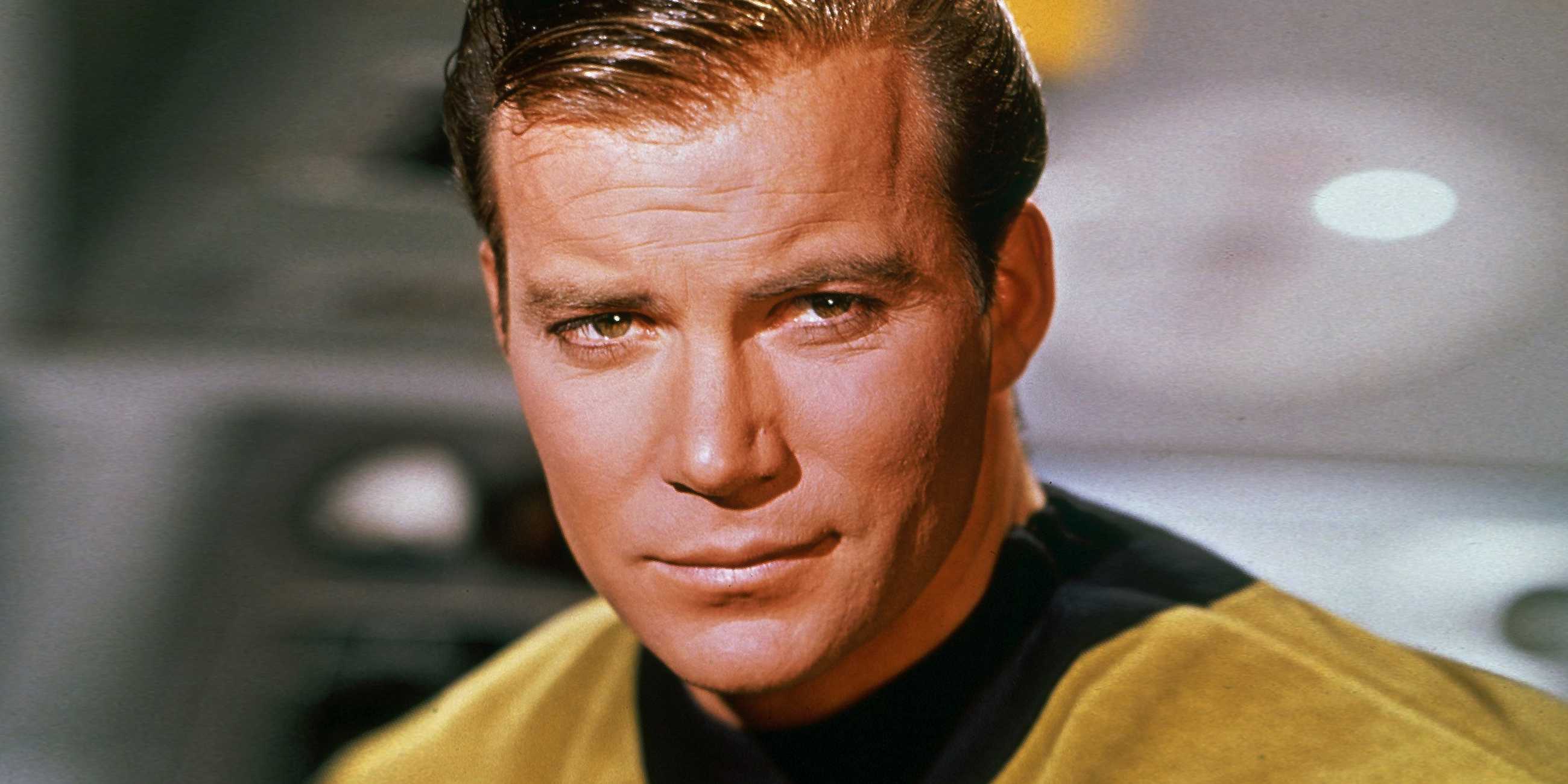
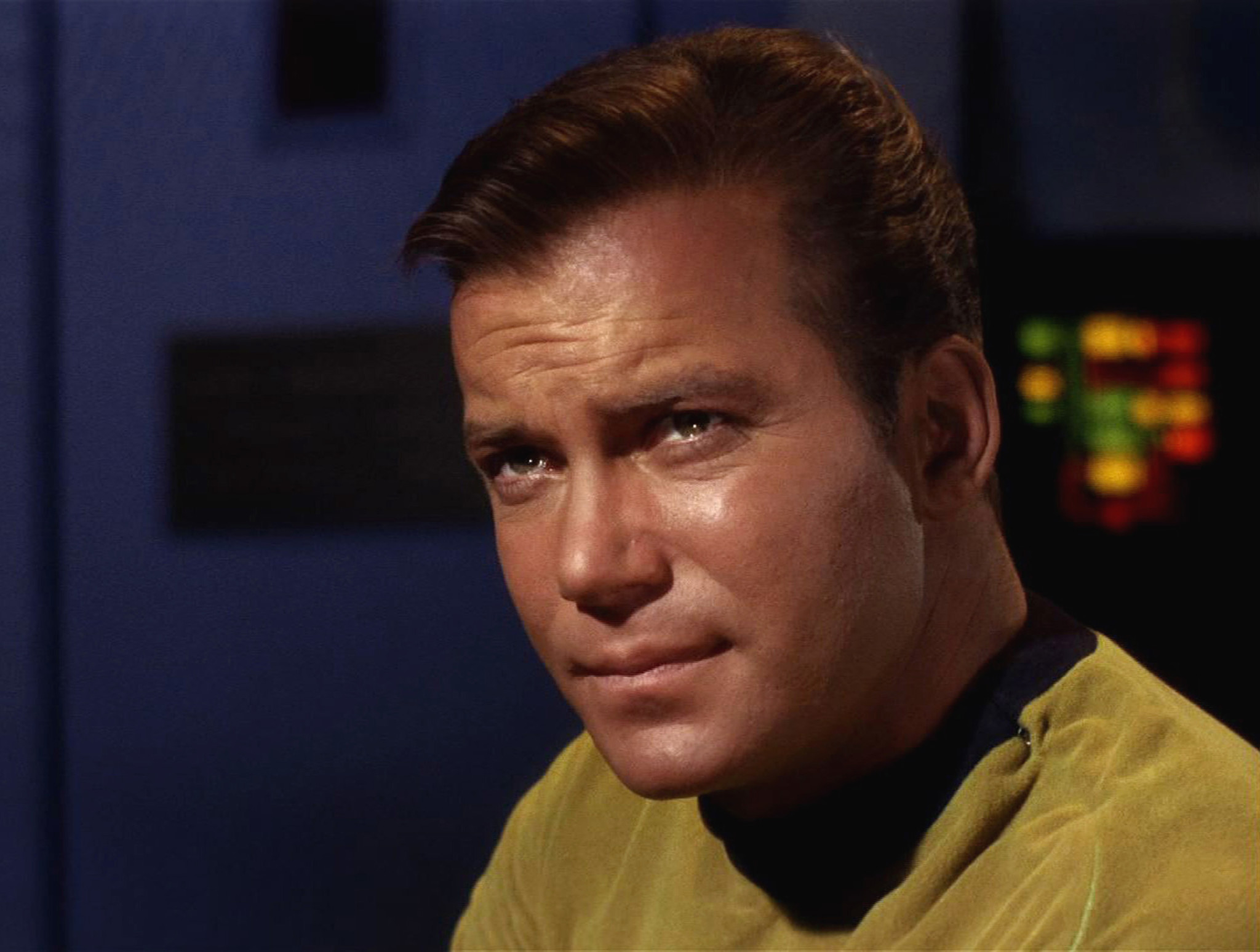
William Shatner’s portrayal of Captain James T. Kirk in Star Trek defined modern science fiction heroism. Taking over the command deck of the USS Enterprise in 1966, Shatner brought a unique blend of theatrical gravitas, tactical swagger, and human vulnerability to the role across three television seasons and seven feature films.
Contents
Casting James T. Kirk: How William Shatner Joined Star Trek
The path to William Shatner becoming Captain Kirk was anything but straightforward. When television producer Gene Roddenberry filmed the original pilot episode for Star Trek in 1964, titled "The Cage," the captain of the USS Enterprise was Christopher Pike, played by actor Jeffrey Hunter. Network executives at NBC rejected the pilot, viewing it as overly intellectual, slow-paced, and lacking kinetic action. However, in an unprecedented move for 1960s television, NBC commissioned a second pilot, giving Roddenberry a rare opportunity to overhaul the concept and recast the lead role.
From Jeffrey Hunter's Captain Pike to Shatner's Kirk
Jeffrey Hunter declined to return for the second pilot, prompting Roddenberry and casting executives to search for a new lead actor who could anchor a weekly space-adventure series. They sought a performer capable of projecting command authority while maintaining warmth, humor, and physical energy. Several actors were considered, including Jack Lord (who later starred in Hawaii Five-O), but negotiations fell through due to salary demands and creative control requirements.
Roddenberry turned to William Shatner, a Canadian-born actor who had built a formidable reputation in classical theater and live television drama. Shatner brought an entirely different energy to the command chair than Hunter's somber, brooding Pike. Where Pike seemed burdened by command, Shatner's Kirk relished the challenge of space exploration, establishing a dynamic archetype that became the gold standard for sci-fi leads.
Reshooting the Pilot and Redefining the Lead
In 1965, Shatner filmed the second Star Trek pilot, "Where No Man Has Gone Before." Unlike the contemplative tone of "The Cage," this episode showcased Kirk's decisiveness, physical athleticism, and intense personal loyalty to his crew. NBC approved the series, and Star Trek premiered on September 8, 1966.
Shatner collaborated with Roddenberry to refine Kirk’s personality during the show's early episodes. They intentionally avoided making Kirk an infallible military officer. Instead, Shatner played Kirk as a thoughtful intellectual who masked his anxieties under a decisive exterior—a captain who relied as much on gut instinct and moral conviction as he did on Starfleet regulations.
Original Pilot ("The Cage", 1964) Second Pilot ("Where No Man Has Gone Before", 1965) Captain: Christopher Pike (Jeffrey Hunter) --> Captain: James T. Kirk (William Shatner) Tone: Cerebral, somber, detached --> Tone: Dynamic, decisive, character-driven
Defining the Acting Style of Captain James T. Kirk
William Shatner’s acting style as Captain Kirk is one of the most recognizable and analyzed performance approaches in American television history. Often caricatured for its dramatic pauses and heightened emphasis, Shatner's performance was in fact a deliberate adaptation of classical theatrical techniques modified for the medium of 1960s television.
Shakespearean Roots and Staccato Cadence
Before taking the role of Kirk, Shatner spent years performing classical theater, notably under director Tyrone Guthrie at the Stratford Shakespeare Festival in Ontario, Canada. This training heavily influenced his approach to Star Trek. Shatner viewed the dialogue in Roddenberry's scripts not as standard television procedural dialogue, but as modern theatrical soliloquies set against an epic backdrop.
His signature speech pattern—marked by unexpected pauses, rhythmic cadences, and sudden shifts in volume—was a conscious artistic choice designed to keep television audiences engaged. In a low-resolution era when viewers watched on small black-and-white or early color cathode-ray tube televisions, Shatner used deliberate vocal modulation and expressive facial acting to ensure that emotional shifts registered clearly.
Physical Performance and Tactical Heroism
Shatner insisted on performing the majority of his own physical stunts during the filming of Star Trek: The Original Series (TOS). From fistfights with alien foes to dramatic rolls across the Enterprise bridge set, his physical dynamism brought an kinetic energy that set Star Trek apart from competing sci-fi shows of the era like Lost in Space.
Beyond the physical stunts, Shatner infused Kirk with a tactical intelligence that defined the character's leadership style. Kirk was framed not merely as a fighter, but as a master strategist who frequently solved complex diplomatic or military dilemmas through lateral thinking—exemplified by the lore of the Kobayashi Maru, the no-win training simulation that Kirk famously re-programmed because he refused to accept a unwinnable scenario.
Chronology of William Shatner’s Captain Kirk Across Television and Film
Shatner played James T. Kirk over a span of nearly three decades in official live-action broadcasts and cinematic releases. His performance evolved across distinct eras of the franchise as both the character and the actor matured.
| Era / Title | Release Window | Medium | Role & Character Arc |
|---|---|---|---|
| Star Trek: The Original Series | 1966–1969 | TV Series (3 Seasons, 79 Episodes) | Command of USS Enterprise (NCC-1701); energetic, tactical leader during the initial five-year mission. |
| Star Trek: The Animated Series | 1973–1974 | Voice Lead (2 Seasons, 22 Episodes) | Voiced Kirk in canonical animated continuation of the five-year deep-space exploration mission. |
| Star Trek: The Motion Picture | 1979 | Feature Film | Promoted to Admiral; reclaims command of the refitted Enterprise to face the V'Ger entity. |
| Star Trek II: The Wrath of Khan | 1982 | Feature Film | Confronts aging, mortality, and personal nemesis Khan Noonien Singh; loses his closest friend, Spock. |
| Star Trek III: The Search for Spock | 1984 | Feature Film | Sacrifices his career, ship, and son David Marcus to rescue Spock's soul from Genesis. |
| Star Trek IV: The Voyage Home | 1986 | Feature Film | Travels to 1985 San Francisco to save Earth; demoted back to Captain as punishment and reward. |
| Star Trek V: The Final Frontier | 1989 | Feature Film (Directed by Shatner) | Leads crew to the center of the galaxy; deals with themes of spiritual belief, family, and inner pain. |
| Star Trek VI: The Undiscovered Country | 1991 | Feature Film | Overcomes personal prejudice against Klingons to pave the way for the Khitomer Peace Accords. |
| Star Trek Generations | 1994 | Feature Film | Teams up with Captain Jean-Luc Picard; dies heroically on Veridian III saving millions of lives. |
Key Relationships and Character Dynamics
Shatner’s portrayal of Kirk was elevated by his onscreen chemistry with his co-stars, creating interpersonal dynamics that became fundamental to the Star Trek franchise's lasting success.
The Triumvirate: Kirk, Spock, and McCoy
The core engine of Star Trek: The Original Series was the central triadic relationship between Kirk, First Officer Spock (played by Leonard Nimoy), and Chief Medical Officer Dr. Leonard "Bones" McCoy (played by DeForest Kelley).
- Spock represented pure logic, emotional control, and analytical calculation.
- Dr. McCoy represented passionate humanism, emotional empathy, and instinctual morality.
- Kirk stood between them as the ultimate decision-maker, weighing Spock's cold logic against McCoy's passionate ethics before choosing a balanced course of action.
Off-screen, Shatner and Nimoy developed a complex, lifelong friendship that survived periods of professional rivalry. On-screen, their dynamic created a profound emotional bond, making Spock's sacrifice in The Wrath of Khan and Kirk's subsequent search for Spock in Star Trek III two of the most celebrated arcs in film history.
Cultural Milestones and Historic Television Moments
Under Shatner’s leadership as the star of the show, Star Trek repeatedly broke social barriers during the civil rights movement of the late 1960s. One of the most famous milestones occurred in the Season 3 episode "Plato's Stepchildren" (aired November 22, 1968), featuring a scripted kiss between William Shatner's Kirk and Nichelle Nichols' Lt. Uhura.
This scene is widely recognized as one of the first broadcast depictions of an interracial kiss on scripted American television. Both Shatner and Nichols actively fought to ensure the scene was filmed and broadcast without network censorship, deliberately flubbing alternative takes where they didn't kiss so the studio had to air the romantic version.
Life After Kirk: Shatner's Relationship with the Character and Sci-Fi Fandom
Following the cancellation of Star Trek in 1969, Shatner initially struggled to avoid being typecast. For years, he faced financial difficulties and spent time working in summer stock theater and guest-starring on episodic television before Star Trek found massive second life through syndicated reruns in the 1970s.
From Convention Skeptic to Franchise Icon
The explosion of Star Trek fan conventions in the 1970s surprised Shatner, who had viewed the original series as just one chapter in a broad acting career. Over time, he embraced his status as a science-fiction cultural icon. His self-deprecating humor regarding his persona was famously highlighted in a 1986 Saturday Night Live sketch where he told over-enthusiastic fans to "get a life," a comedic line he later used as the title for his 1999 memoir about Star Trek fandom.
Shatner went on to build a remarkably multifaceted career beyond Kirk, winning two Emmy Awards for his role as lawyer Denny Crane in The Practice and Boston Legal, hosting Rescue 911, publishing science fiction novels (the TekWar series), and recording spoken-word music albums.
Real-World Spaceflight and Cultural Legacy
Shatner's fictional career as an interstellar explorer crossed into real-world spaceflight on October 13, 2021. At age 90, Shatner flew to the edge of space aboard Blue Origin's New Shepard NS-18 suborbital flight, making him the oldest person to travel to space. Upon landing, an emotional Shatner described the profound overview effect of seeing Earth's fragile atmosphere against the black void of space—a moment widely covered by global media as a poetic intersection between sci-fi history and real spaceflight achieved.
Even as other actors took on the role of James T. Kirk in alternate timelines and prequel series—such as Chris Pine in the J.J. Abrams film trilogy and Paul Wesley in Star Trek: Strange New Worlds—Shatner’s original performance remains the foundational template for the character.
Frequently Asked Questions
Was William Shatner the original choice for Captain Kirk in Star Trek?
No. The original pilot episode of Star Trek, "The Cage," starred Jeffrey Hunter as Captain Christopher Pike. When NBC rejected the initial pilot but ordered a second one, Hunter chose not to return. Producer Gene Roddenberry subsequently recast the lead role, hiring William Shatner to play the newly created character of Captain James T. Kirk.
How many Star Trek movies did William Shatner star in?
William Shatner starred as Captain James T. Kirk in seven feature films:
- Star Trek: The Motion Picture (1979)
- Star Trek II: The Wrath of Khan (1982)
- Star Trek III: The Search for Spock (1984)
- Star Trek IV: The Voyage Home (1986)
- Star Trek V: The Final Frontier (1989)
- Star Trek VI: The Undiscovered Country (1991)
- Star Trek Generations (1994)
Did William Shatner direct any Star Trek films?
Yes. William Shatner directed Star Trek V: The Final Frontier (1989). He also received a story co-credit for the film, which focused on the crew's journey to the center of the galaxy in search of a being claiming to be God.
Why did William Shatner deliver his lines with pauses as Captain Kirk?
Shatner's distinctive vocal cadence—often marked by sudden pauses and dramatic emphasis—stems from his extensive training in classical Shakespearean theater. Shatner used cadence variations, rhythm changes, and deliberate pauses to add theatrical tension and ensure emotional beats carried effectively through 1960s television screens.
How does Captain Kirk die in the Star Trek movies?
Captain James T. Kirk dies in the 1994 film Star Trek Generations. After coming out of an extra-dimensional nexus to help Captain Jean-Luc Picard (Patrick Stewart) stop the villain Soran from destroying a solar system, Kirk is mortally injured when a metal walkway collapses under him on Veridian III. Picard buries him on a hilltop overlooking the planet's surface.
Recommended Next Steps for Star Trek Viewers
To best appreciate William Shatner's evolving performance as Captain James T. Kirk, viewers should sample his work across different eras of the franchise rather than watching strictly in chronological broadcast order:
- The Classic Television Essentials: Start with seminal Original Series episodes that highlight Shatner's dramatic range, such as "Balance of Terror" (Season 1, Episode 14), "The City on the Edge of Forever" (Season 1, Episode 28), and "The Enterprise Incident" (Season 3, Episode 2).
- The Cinematic Trilogy Arc: Watch Star Trek II: The Wrath of Khan, Star Trek III: The Search for Spock, and Star Trek IV: The Voyage Home back-to-back. This three-film story arc represents the emotional peak of Shatner's performance as Kirk, confronting aging, loss, grief, and camaraderie.
- Historical Context Reading: Read Shatner's memoirs, including Star Trek Movie Memories and Up Till Now, to gain firsthand insights into the production challenges, behind-the-scenes dynamics, and casting decisions that shaped science fiction television history.
Image Gallery