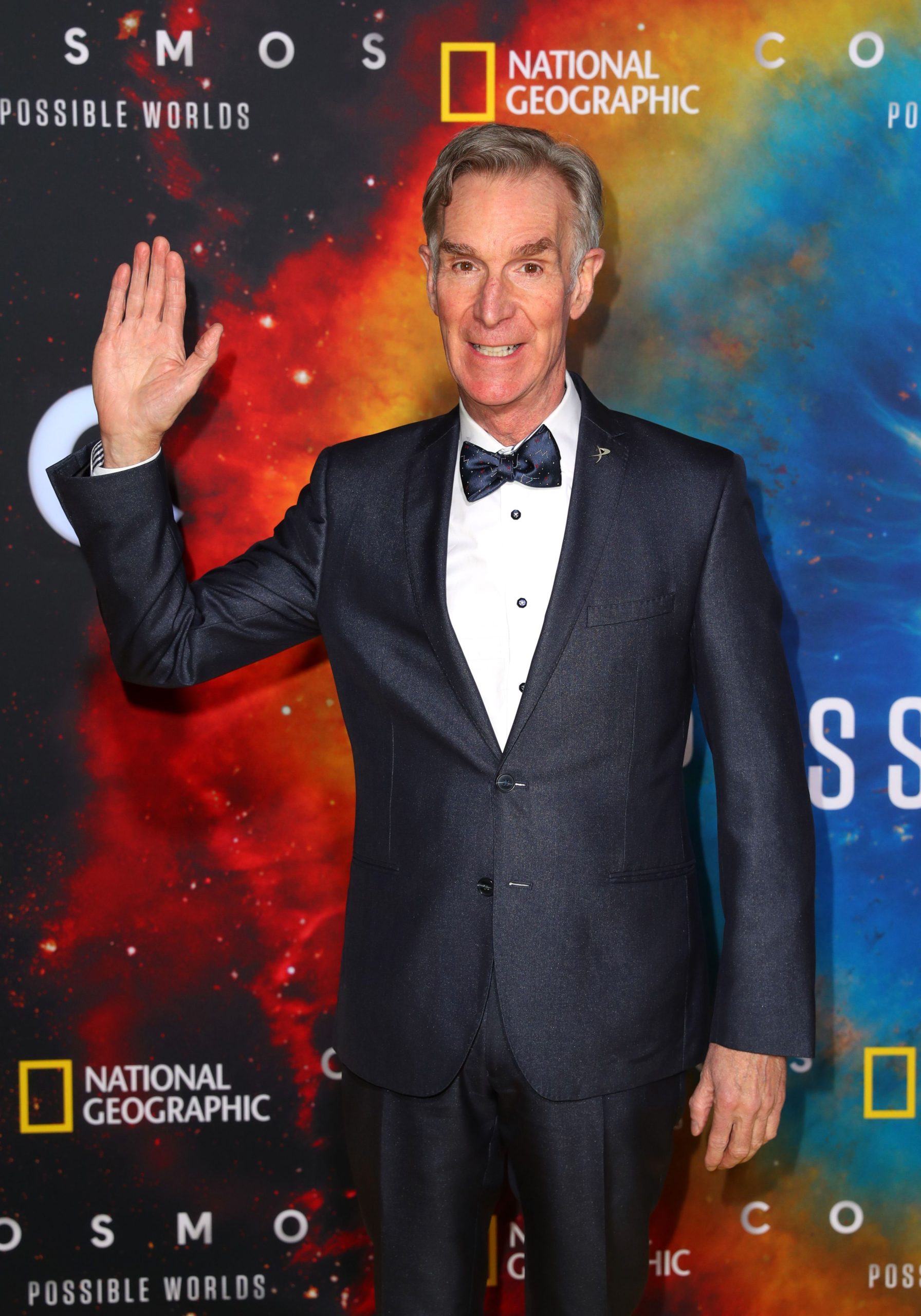
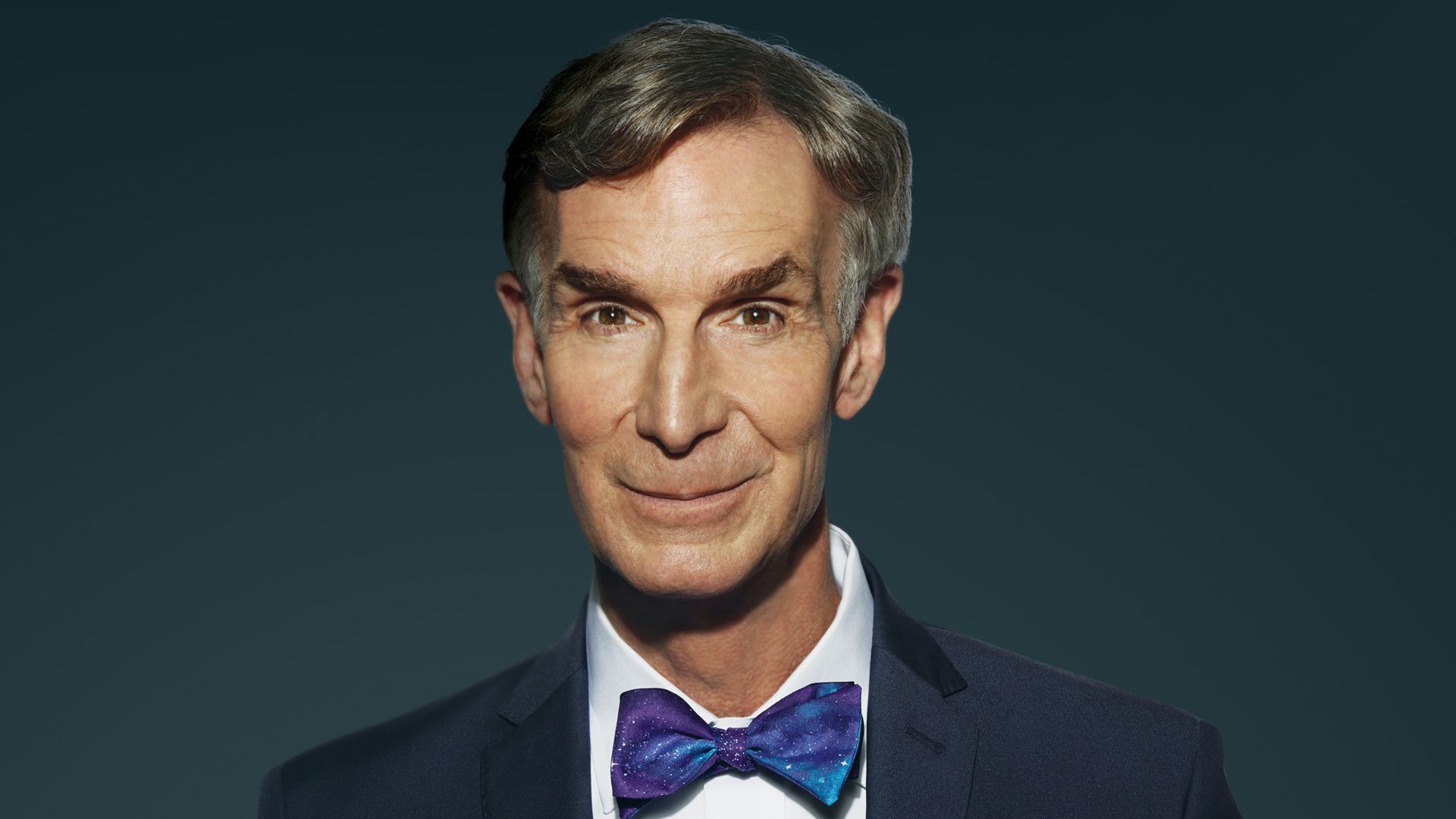
Young Bill Nye in the Spotlight: From Boeing Engineer to Cultural Icon
Long before he became a world-famous television personality and science advocate, a young Bill Nye stepped into the spotlight by combining a rigorous engineering background with local Seattle stand-up comedy. His path to national fame...
Long before he became a world-famous television personality and science advocate, a young Bill Nye stepped into the spotlight by combining a rigorous engineering background with local Seattle stand-up comedy. His path to national fame accelerated through short comedic science bits on Seattle’s Almost Live!, ultimately spawning the 19-time Daytime Emmy Award–winning series Bill Nye the Science Guy.
Contents
Early Life and Academic Foundations: The Cornell Years
William Sanford Nye was born on November 27, 1955, in Washington, D.C. His childhood environment fostered both intellectual curiosity and creative problem-solving. His mother, Jacqueline Jenkins-Nye, served as a codebreaker during World War II, deciphering ENIGMA messages used by German forces. His father, Edwin Darby Nye, spent years in a Japanese prisoner-of-war camp during the war without electricity, developing a passion for sundials that he later passed on to his son.
Nye attended Sidwell Friends School in Washington, D.C., where his interest in physics and mathematics deepened. Upon graduating high school, he enrolled at Cornell University in Ithaca, New York, to pursue a Bachelor of Science degree in Mechanical Engineering.
- Cornell Mechanical Engineering (Class of 1977)
- Coursework under Carl Sagan (Astronomy & Critical Thinking)
- Inspiration for Science Communication & Public Advocacy
- Coursework under Carl Sagan (Astronomy & Critical Thinking)
At Cornell, Nye’s academic trajectory intersected with one of the twentieth century's greatest science communicators: Carl Sagan. Nye took Sagan's astronomy class, an experience that fundamentally shaped his perspective on science outreach. Sagan emphasized the importance of making complex astronomical and physical concepts accessible to the general public without diluting their scientific integrity. This educational foundation instilled in young Bill Nye a conviction that science education required narrative clarity, enthusiasm, and public engagement.
The Boeing Era: Engineering by Day, Comedy by Night
After graduating from Cornell in 1977 with his mechanical engineering degree, Nye relocated to the Pacific Northwest to accept a position at the Boeing Corporation in Seattle.
At Boeing, Nye worked as a mechanical design engineer. His notable technical contributions included inventing a hydraulic resonance suppressor tube used on Boeing 747 commercial aircraft. This component helped damp pressure fluctuations and mechanical oscillations within the aircraft's hydraulic steering system, improving overall operational stability.
- Boeing Mechanical Engineer
- 1978: Wins Steve Martin Look-Alike Contest
- Nighttime: Local Comedy Clubs & Open-Mics
- 1986: Leaves Boeing to pursue writing & comedy full-time
While maintaining his full-time engineering responsibilities during the day, Nye began exploring his creative interests at night. In 1978, he won a local Steve Martin look-alike contest, which sparked his interest in stand-up comedy and theatrical performance.
For nearly eight years, Nye led a dual life:
- Daytime: Analyzing structural mechanics, fluid dynamics, and aviation hardware at Boeing.
- Nighttime: Performing open-mic comedy routines in regional clubs throughout Seattle, honing his stage presence, comedic timing, and audience engagement skills.
In 1986, recognizing that his passion lay in entertainment and education, Nye resigned from Boeing to pursue freelance scriptwriting and performance full-time.
The Breakthrough on Almost Live!: Birth of the "Science Guy"
Nye's transition into local television occurred through Almost Live!, a highly popular local sketch comedy television show produced by KING-TV in Seattle.
Starting as a freelance writer and cast member, Nye performed in various satirical bits. The pivotal turning point occurred during a production meeting for Almost Live!. When a scheduled guest canceled, host Ross Shafer suggested that Nye fill the open segment by performing simple physical science experiments under a funny, memorable moniker.
Shafer dubbed him "Bill Nye the Science Guy."
- Almost Live! (KING-TV Seattle)
- 1986–1991: Short weekly comedy science segments
- Core Elements: Bow tie, lab coat, high energy, real physics
- 1989: 6-minute prototype segment wins local Emmy attention
Nye adopted a distinctive visual identity that became his signature brand:
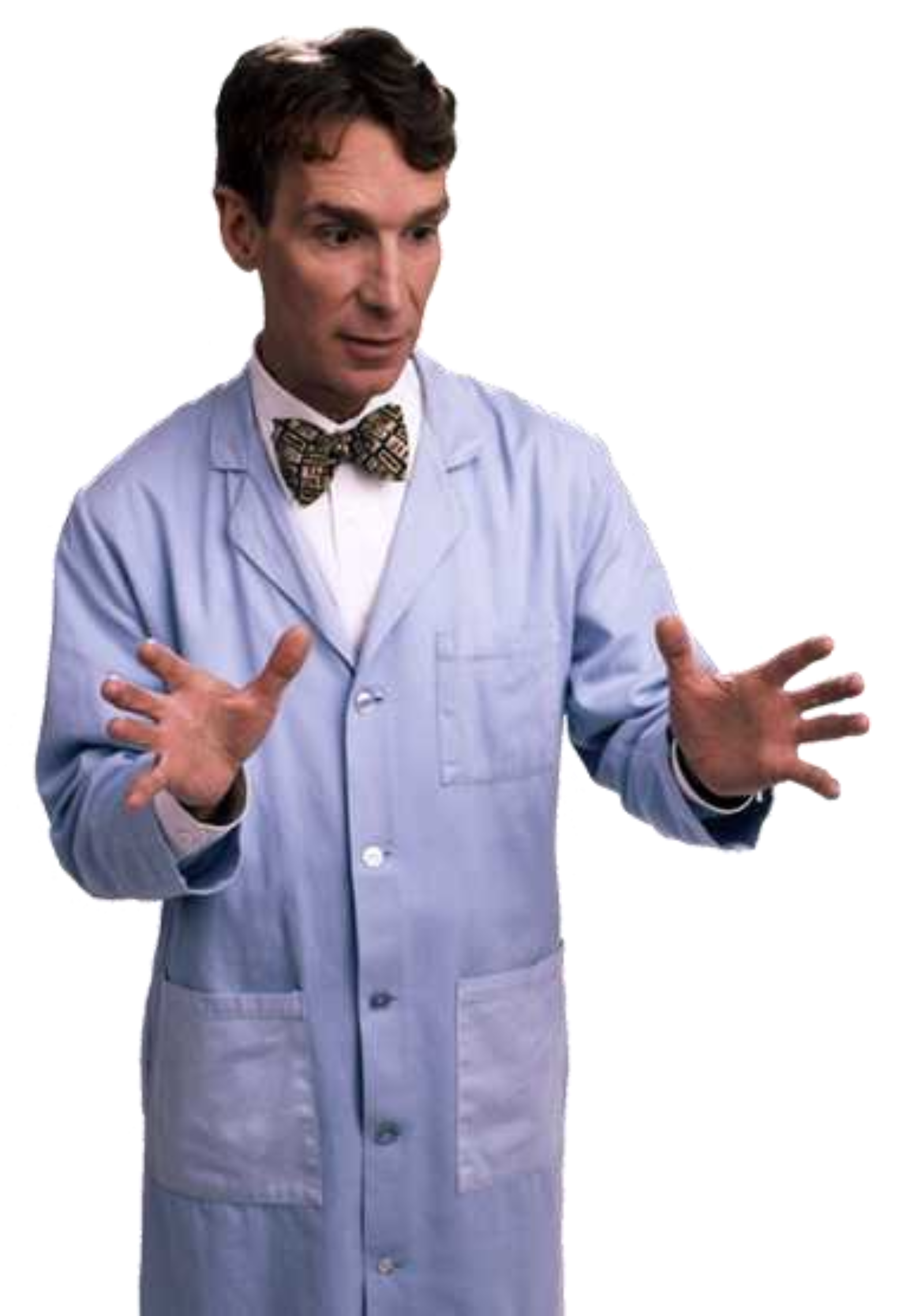
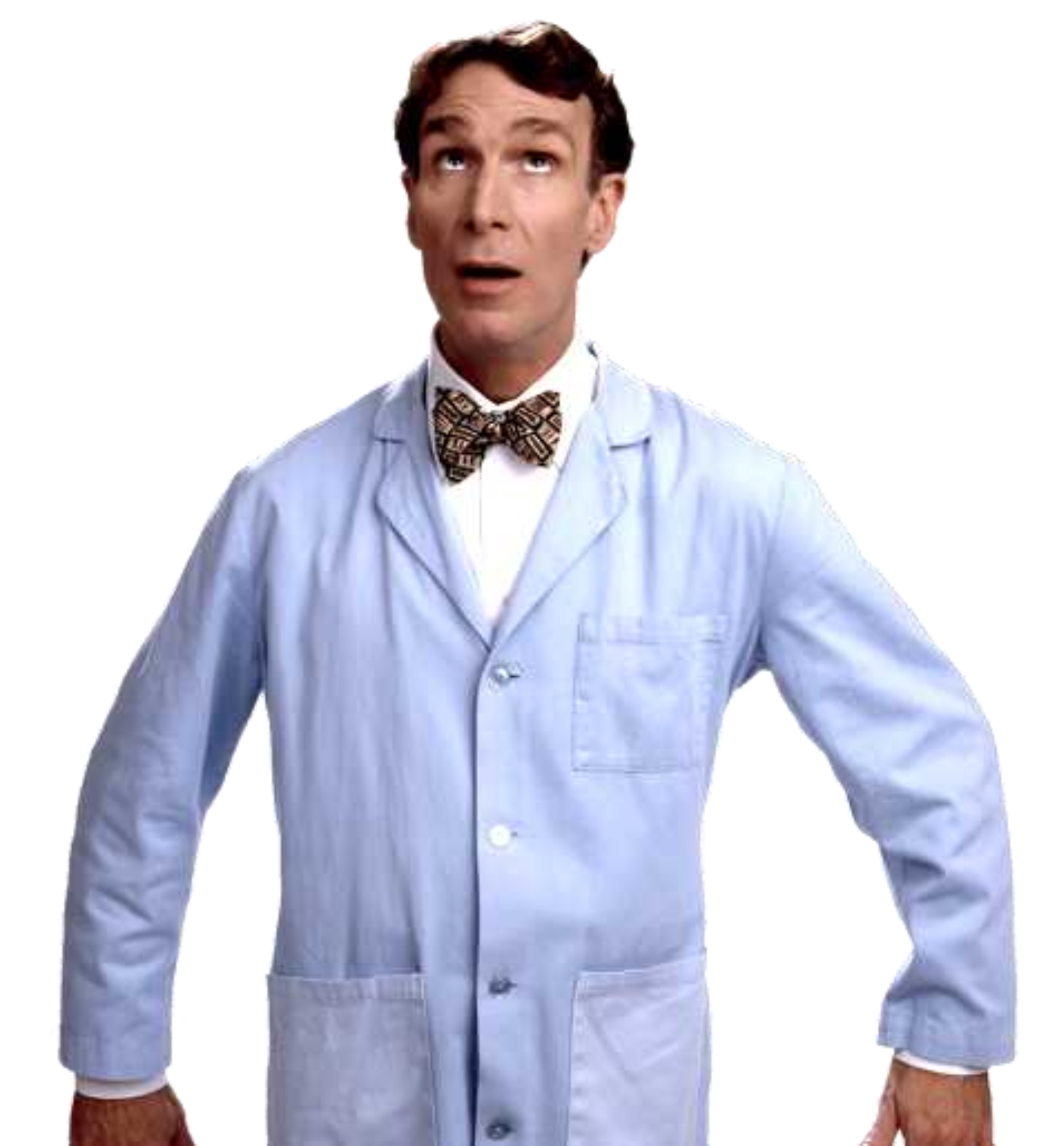
- The Powder-Blue Lab Coat: A traditional scientific garment styled to stand out under studio lights.
- The Bow Tie: A homage to classic academic style with an energetic, eccentric twist.
- High-Energy Physical Comedy: Demonstrating real physical principles—such as air pressure, density, and thermodynamics—using everyday materials, slapstick reactions, and fast-paced commentary.
Between 1986 and 1991, these short segments became a fan-favorite element of Almost Live!. The character proved that scientific principles could be taught effectively through humor, setting the stage for a broader broadcast medium.
Launching the National Series: Bill Nye the Science Guy (1993–1998)
Recognizing the potential for a dedicated, educational children's series based on the "Science Guy" persona, Nye teamed up with TV producers James McKenna and Erren Gottlieb. Together, they developed a pitch for a half-hour, syndication-ready television program aimed at middle-school students.
- Project Development
- Development Team: Bill Nye, James McKenna, Erren Gottlieb
- Funding & Distribution Partners:
- National Science Foundation (NSF Grant)
- KCTS-TV (Seattle PBS Affiliate)
- Buena Vista Television (Disney Syndication)
- Output: 100 Episodes across 5 Seasons (1993–1998)
To fund and distribute the show, the production team secured critical support:
- National Science Foundation (NSF): Provided federal grant funding to ensure the curriculum aligned with national science standards.
- KCTS-TV Seattle: Served as the flagship public television station producing the master tapes.
- Buena Vista Television (Disney): Handled national distribution, placing the show in broadcast syndication across major network affiliates and public broadcasting stations nationwide.
Bill Nye the Science Guy officially premiered on September 10, 1993. The show revolutionized educational programming by adopting a fast-paced, MTV-inspired aesthetic featuring rapid camera cuts, sound effects, hands-on demonstrations, and pop-music parodies rewritten with scientific lyrics (known as "Soundtrack of Science").
Over its five-season run (100 episodes), the show earned 19 Daytime Emmy Awards, including multiple wins for Outstanding Children's Series and Outstanding Writing in a Children's Series.
Timeline of Bill Nye’s Early Journey to Fame
The following table outlines the key stages of Bill Nye’s career progression from his academic studies to national television prominence:
| Phase & Timeframe | Primary Role / Outlet | Key Achievements & Focus | Impact on Science Communication |
|---|---|---|---|
| 1973–1977 | Engineering Student (Cornell University) | Completed B.S. in Mechanical Engineering; studied under Carl Sagan. | Built technical foundation and absorbed Sagan's philosophy of public science outreach. |
| 1977–1986 | Mechanical Engineer (Boeing Corporation) | Designed 747 hydraulic resonance suppressor tube; began stand-up comedy in 1978. | Developed real-world engineering credentials while refining comedic delivery on stage. |
| 1986–1991 | Cast Member & Writer (Almost Live!, KING-TV) | Co-created "Bill Nye the Science Guy" segment; won local Emmy Awards. | Established the iconic bow-tie persona and demonstrated the viability of comedy-driven science. |
| 1992–1993 | Series Development & Pilot Production | Secured NSF funding, KCTS-TV partnerships, and Disney syndication deal. | Transitioned local television character into a nationally funded educational property. |
| 1993–1998 | Host & Executive Producer (Bill Nye the Science Guy) | Produced 100 episodes; won 19 Daytime Emmy Awards; integrated into US school curricula. | Created a iconic standard for 1990s STEM educational broadcast media. |
The Enduring Impact of Bill Nye’s Early Media Strategy
The success of young Bill Nye in the television spotlight relied on a deliberate strategy that bridged entertainment media and formal education.
1. Pedagogical Rigor Combined with Pop Culture
Instead of lecturing, Nye used pop-culture references, dynamic visual effects, and practical demonstrations. Every episode had a single core concept (e.g., "Gravity," "Cells," "Oceanography," "Static Electricity") explained through multiple angles so diverse learning styles could grasp the material.
2. Classroom Integration
Beyond broadcast networks, the show was packaged specifically for school distribution. Video cassettes and accompanying teacher guides were made available to thousands of elementary and middle school science departments across North America, cementing Nye's presence in science classrooms throughout the 1990s and 2000s.
3. Transition to Science Advocacy
The platform established by Bill Nye the Science Guy paved the way for Nye’s later leadership roles, including serving as CEO of The Planetary Society—the world's largest non-governmental space interest group—authoring bestselling science books, and hosting subsequent shows such as Bill Nye Saves the World.
Frequently Asked Questions
How did Bill Nye transition from engineering to television?
Bill Nye transitioned by combining his engineering expertise with stand-up comedy. While working as a mechanical engineer at Boeing in Seattle, he won a Steve Martin look-alike contest in 1978 and began performing comedy at local clubs. In 1986, he left Boeing to work full-time as a comedy writer and performer on the Seattle sketch show Almost Live!, where he developed the "Science Guy" character.
What was Carl Sagan's influence on young Bill Nye?
Carl Sagan was Bill Nye’s astronomy professor at Cornell University in the late 1970s. Sagan's focus on critical thinking, scientific skepticism, and communicating complex cosmic concepts in clear, poetic language directly inspired Nye to pursue science communication as a career calling.
Did Bill Nye actually invent anything while working at Boeing?
Yes. As a mechanical design engineer at Boeing, Nye developed a hydraulic resonance suppressor tube used on Boeing 747 aircraft. This device helped mitigate mechanical vibrations and pressure fluctuations within the plane's hydraulic control system.
Where did the name "Bill Nye the Science Guy" originate?
The name was coined in 1986 by Ross Shafer, host of the Seattle sketch comedy show Almost Live!. When a scheduled guest failed to appear for a segment, Shafer asked Nye to perform a scientific demonstration on air, introducing him on the spot as "Bill Nye the Science Guy."
How many Emmys did Bill Nye the Science Guy win?
During its broadcast run from 1993 to 1998, Bill Nye the Science Guy won 19 Daytime Emmy Awards across various categories, including writing, directing, sound editing, and outstanding children's series.
Practical Takeaways for Science Communicators
Young Bill Nye’s rise offers clear guidance for educators, content creators, and science communicators:
- Master the Core Subject Matter First: Technical background and rigorous domain knowledge establish credibility before adding entertainment elements.
- Develop a Distinct Visual Identity: Consistent branding—such as Nye’s signature bow tie and lab coat—makes educational content instantly recognizable across media platforms.
- Embrace High-Energy Visual Storytelling: Show, don't just tell. Demonstrations involving physical movement, humor, and hands-on experiments hold audience attention far longer than static lectures.
- Leverage Strategic Media Partnerships: Broad educational impact requires collaborating with established distribution networks, scientific institutions, and educational bodies to reach national audiences.
Image Gallery