How Life Insurance Works for Parkside Beach, Oregon Residents
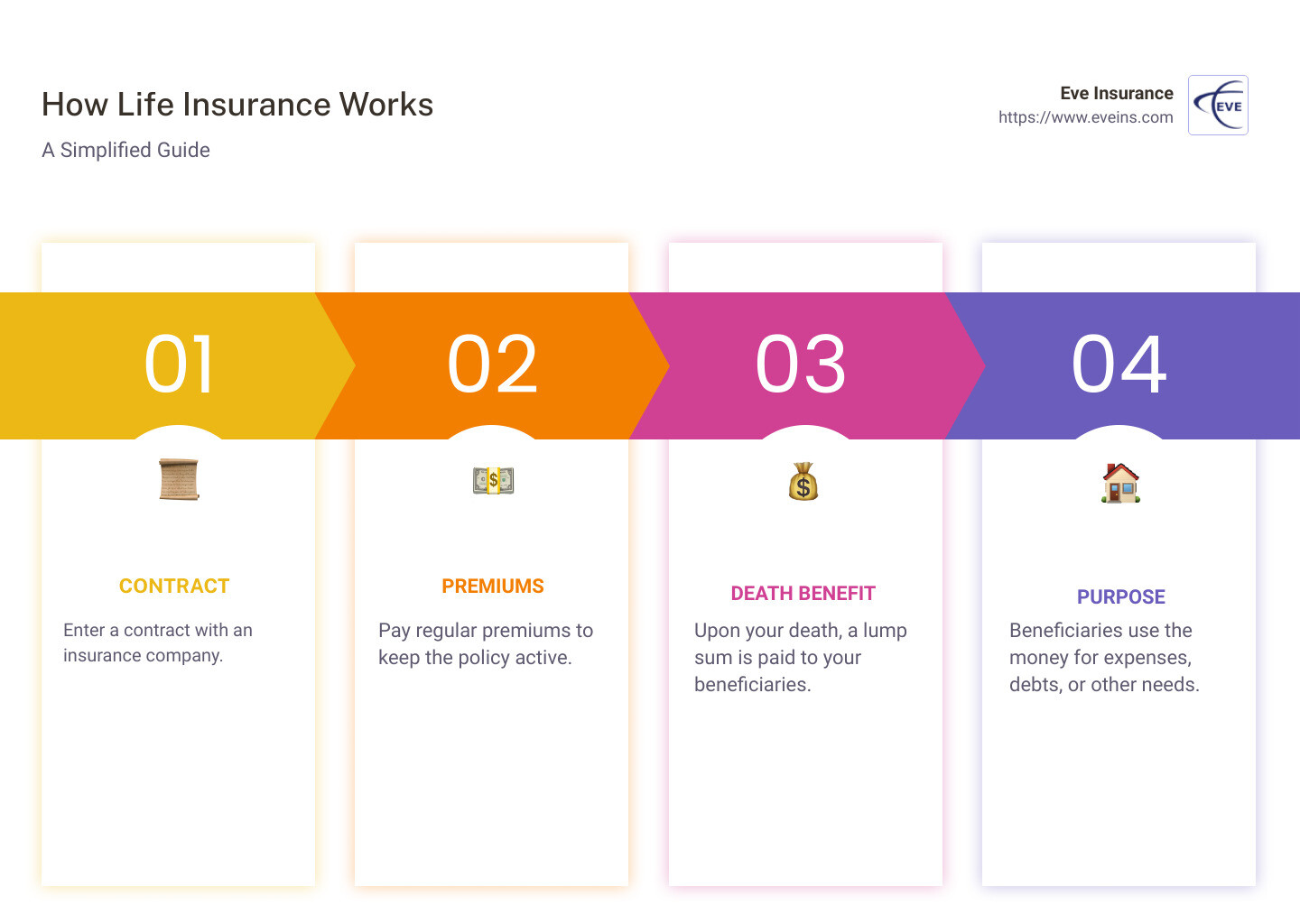
Life insurance in Parkside Beach, Oregon, works by providing a tax-free cash death benefit to designated beneficiaries under statutory protections enforced by the Oregon Division of Financial Regulation. Policyholders pay regular premi...
Life insurance in Parkside Beach, Oregon, works by providing a tax-free cash death benefit to designated beneficiaries under statutory protections enforced by the Oregon Division of Financial Regulation. Policyholders pay regular premiums for term or permanent coverage, utilizing policy proceeds to cover coastal property mortgages, maintain family income, and supply vital liquidity for Oregon's unique estate tax liabilities.
Contents
Understanding Life Insurance Regulation in Oregon
Life insurance policies sold to residents and property owners in the Parkside Beach area of Oregon operate within a strict state regulatory framework. Unlike federal banking regulations, insurance oversight in the United States is managed at the state level. In Oregon, the primary regulatory agency is the Oregon Division of Financial Regulation, a division of the Department of Consumer and Business Services (DCBS).
The Division of Financial Regulation enforces consumer protection statutes, reviews policy forms, licenses insurance carriers and agents, and monitors financial solvency. When you purchase a life insurance contract in Oregon, several statutory rights automatically attach to your policy under Chapter 743 of the Oregon Revised Statutes (ORS).
- Oregon State Regulatory Body: Oregon Division of Financial Regulation (DFR)
- Consumer Protections:
- 30-Day Free-Look Period
- 31-Day Grace Period
- 2-Year Contestability
- Solvency Guaranty:
- OR Life & Health Insurance Guaranty Association (Up to $300,000 benefit)
- Consumer Protections:
Key Oregon Statutory Protections
- The 30-Day Free-Look Period: Under Oregon law, new policyholders receive a minimum 30-day "free-look" period starting from the date the physical or digital policy is delivered. During this window, you can review the full contract, cancel for any reason, and receive a complete refund of all premiums paid.
- The 31-Day Grace Period: If a premium payment is missed, Oregon mandates a grace period of at least 31 days. The coverage remains fully active during this timeframe. If the insured passes away during the grace period, the insurer pays the death benefit minus the overdue premium.
- Two-Year Incontestability Clause: Oregon law limits an insurance carrier's right to contest a policy or deny a claim based on misstatements in the initial application to two years from the policy issuance date. After two years, claims cannot be denied due to application omissions or misstatements, except in cases of proven deliberate fraud.
- Guaranty Association Protection: If an authorized life insurance company becomes insolvent, policyholders in Parkside Beach are backed by the Oregon Life and Health Insurance Guaranty Association. This safety net guarantees death benefits up to $300,000 per insured individual and up to $100,000 in cash surrender value.
Core Types of Life Insurance Available in Coastal Oregon
Selecting the right life insurance structure depends on whether your financial objective is temporary risk management—such as covering a 30-year home loan on a Parkside Beach property—or permanent wealth preservation and estate planning.
Term Life Insurance
Term life insurance provides straightforward protection for a specified period, typically ranging from 10 to 30 years. If the insured dies within the designated term, the policy pays a level death benefit to the beneficiaries. If the term expires while the policyholder is alive, coverage ends unless renewed at significantly higher rates.
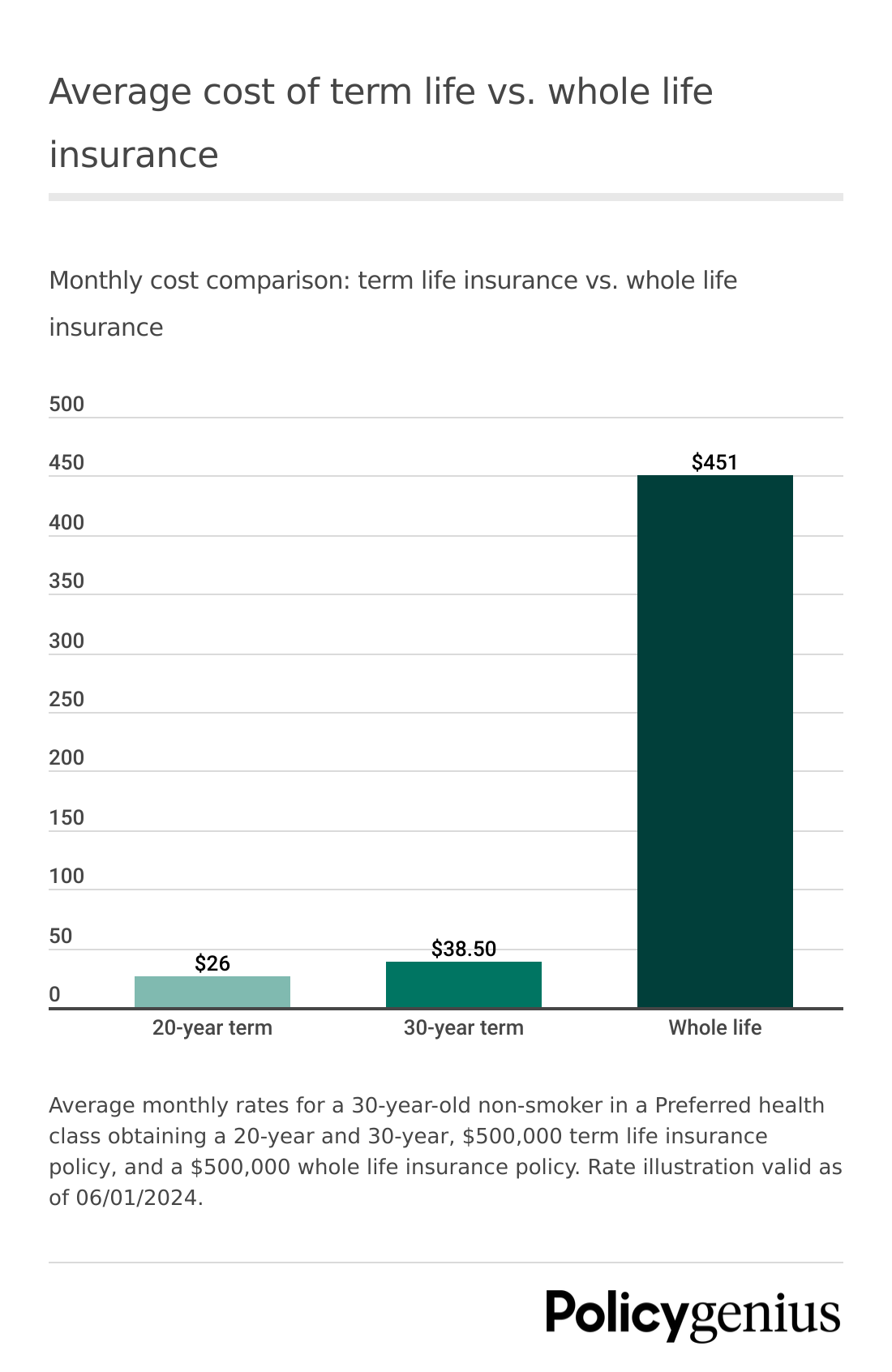
Term insurance is the most cost-effective option for income replacement and mortgage protection. Premium rates remain locked for the duration of the chosen term period. Most quality term policies sold in Oregon also include a guaranteed conversion rider, which allows the policyholder to convert the term policy into a permanent policy without submitting to a new medical examination or underwriting evaluation.
Whole Life Insurance
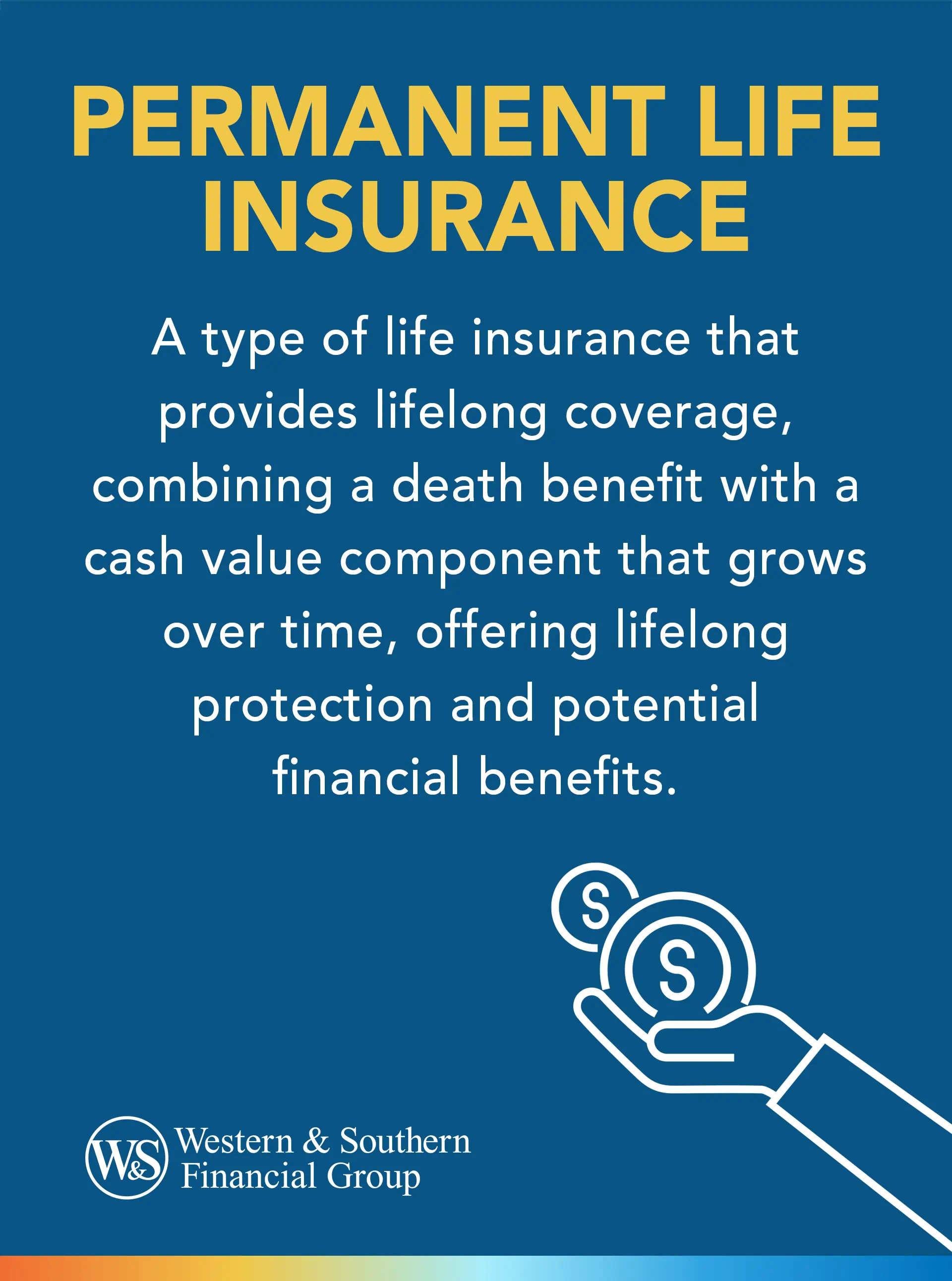
Whole life insurance is a form of permanent coverage that remains in effect for the policyholder's entire natural life, provided premiums are paid as agreed. Beyond the guaranteed death benefit, whole life policies feature a tax-deferred cash value account that grows according to a fixed interest rate set by the carrier.
Because whole life policies offer guaranteed premiums, guaranteed death benefits, and guaranteed cash growth, initial premium costs are substantially higher than term insurance. Participating whole life policies issued by mutual insurers may also pay annual non-guaranteed dividends, which can be taken as cash, applied toward premiums, or used to purchase paid-up additional coverage.
Universal Life Insurance (UL)
Universal life insurance offers permanent protection combined with flexible premium structures and adjustable death benefits. Policyholders can adjust their premium payments within set contract limits, increasing payments to build cash value or using accumulated cash value to offset out-of-pocket premium costs.
There are three primary variants of universal life insurance:
- Guaranteed Universal Life (GUL): Focuses on providing a guaranteed death benefit to a specific age (such as age 90, 95, or 100) with minimal focus on cash value growth, making it a lower-cost permanent option.
- Indexed Universal Life (IUL): Links cash value growth potential to a financial index, such as the S&P 500, with a floor (typically 0%) to prevent market losses and a cap on maximum earnings.
- Variable Universal Life (VUL): Directs cash values into market sub-accounts containing stocks and bonds, offering higher growth potential alongside investment risk.
Real Estate, Estate Taxes, and Coastal Factors in Parkside Beach
Living in or owning property in a coastal location like Parkside Beach, Oregon introduces distinct financial dynamics that directly influence how life insurance policies should be sized and structured.
- Parkside Beach Estate Planning Drift:
- Asset Calculation: Real Estate Value + Liquid Cash + Investments + Other Assets
- Tax Trigger: Total Assets > $1,000,000 triggers Oregon Estate Tax (Up to 16%)
- Problem: Coastal Real Estate is illiquid. Heirs may be forced to sell property.
- Solution: Life Insurance Death Benefit provides immediate tax-free cash to pay Oregon Department of Revenue without selling assets.
Navigating Oregon’s Low Estate Tax Threshold
One of the most critical financial factors for Oregon property owners is the state's estate tax structure. Oregon maintains one of the lowest state estate tax exemption thresholds in the United States.
Under current Oregon tax law administered by the Oregon Department of Revenue, estates valued at over $1,000,000 are subject to Oregon estate tax, with progressive tax rates ranging from 10% to 16%. Unlike the federal estate tax exemption—which sits significantly higher—the Oregon threshold easily captures homeowners in coastal enclaves like Parkside Beach, where real estate values form a large percentage of personal net worth.
If an estate consists primarily of real estate, heirs might face substantial state tax liabilities within nine months of the owner's death without having liquid cash to pay the tax bill. Life insurance proceeds provide immediate liquidity. Because life insurance death benefits are generally received income-tax-free by beneficiaries, these funds can satisfy Oregon estate tax obligations directly, protecting family real estate from forced liquidation.
Coastal Mortgage Protection
Coastal real estate along the Oregon shoreline often involves sizable mortgages. A dedicated term life policy structured to match the length and balance of a property mortgage ensures that a surviving spouse or family members can pay off the property encumbrance immediately upon the insured's death. This prevents displacement and eliminates the monthly burden of housing payments.
Underwriting and Coastal Geography
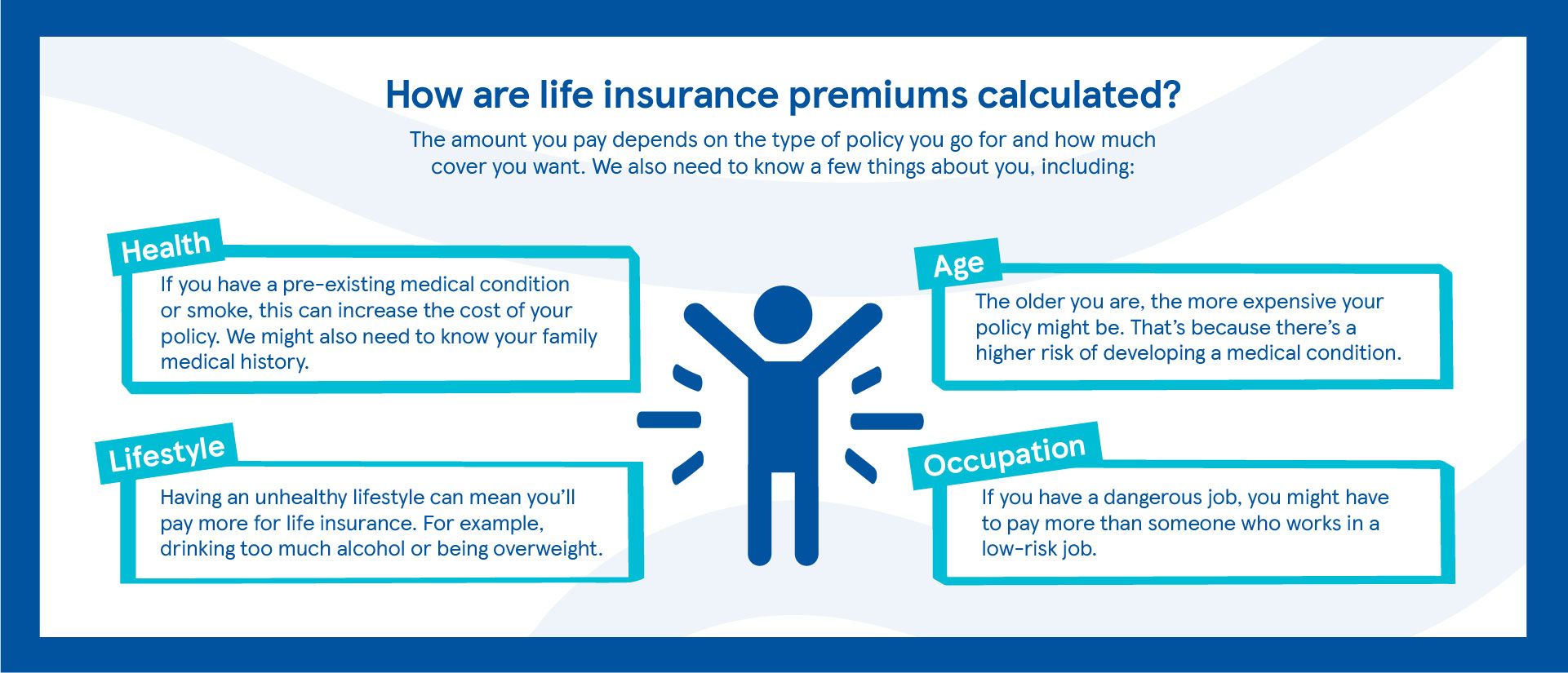
A common misconception among coastal property owners is that living near the ocean increases life insurance rates. Insurance underwriters evaluate personal medical history, family health history, tobacco use, occupation, and lifestyle activities. Living in Parkside Beach, Oregon, does not trigger higher premium rates unless the insured engages in high-risk occupational or recreational hazards, such as offshore commercial fishing, deep-sea diving, or private aviation. Standard coastal residential living has zero negative impact on life insurance risk classifications.
Comparing Life Insurance Structures for Oregon Policyholders
The table below outlines key features, regulatory considerations, and strategic applications for the primary life insurance structures available in Oregon.
| Feature / Consideration | Term Life Insurance | Whole Life Insurance | Guaranteed Universal Life | Indexed Universal Life |
|---|---|---|---|---|
| Coverage Duration | Temporary (10–30 years) | Permanent (Lifetime) | Permanent (To selected age) | Permanent (Lifetime) |
| Cash Value Accumulation | None | Guaranteed growth | Minimal to none | Variable (Tied to index) |
| Premium Flexibility | Fixed level premiums | Fixed level premiums | Flexible within guidelines | Highly flexible |
| Oregon Estate Tax Utility | Moderate (If term matches liquidity need) | High (Guarantees cash at death) | High (Cost-effective permanent payout) | High (Potential for cash growth) |
| Mortgage Protection Fit | Excellent (Lowest cost for debt term) | Fair (Too expensive for simple debt) | Good (For permanent property retention) | Good (Complex for simple debt) |
| Relative Cost Tier | Lowest initial premium | Highest initial premium | Moderate permanent premium | Moderate to high premium |
Legal Framework and Beneficiary Protections in Oregon
Structuring a life insurance policy correctly requires a solid understanding of how Oregon law treats beneficiary designations, probate, and creditor claims.
Avoiding Probate via Direct Beneficiary Designation
Life insurance death benefits paid to a named individual beneficiary bypass Oregon probate courts entirely. Under Oregon Revised Statutes Chapter 743, death benefits are paid directly to designated beneficiaries upon submission of proof of death. This guarantees quick access to funds, avoiding court fees, public disclosures, and administrative delays associated with probate.
However, if an estate is named as the beneficiary—or if no living beneficiary is named—the policy proceeds revert to the probate estate. This subjects the money to probate fees, potential creditor claims, and delays in distribution.
Protection from Creditors
Oregon law offers strong asset protection for life insurance benefits. Under ORS 743.046, death benefits payable to a third-party beneficiary (such as a spouse, child, or trust) are generally protected from the creditors of the insured person. Furthermore, the cash surrender values of permanent life insurance policies are largely sheltered from judicial process and creditor claims under Oregon exemption statutes, safeguarding accumulated family savings.
- Policy Ownership & Beneficiary Options:
- Option A: Direct Beneficiary (Individual)
- Process: Policyholder pays Death Benefit directly to Named Beneficiary
- Result: Bypasses Oregon Probate | Protected from Creditors | Quick Payout
- Option B: Estate as Beneficiary (Unintended Mistake)
- Process: Policyholder pays Death Benefit to Probate Estate
- Result: Tied up in Probate | Subject to Creditor Claims | Estate Fees Apply
- Option C: Irrevocable Life Insurance Trust (ILIT)
- Process: Policyholder pays Death Benefit to ILIT Trustee
- Result: Out of Taxable Estate | Removes OR Estate Tax Impact | Control Over Distribution
- Option A: Direct Beneficiary (Individual)
Utilizing Irrevocable Life Insurance Trusts (ILITs)
For high-net-worth property owners in Parkside Beach whose total assets exceed the $1,000,000 Oregon estate tax threshold, holding ownership of a life insurance policy personally can inadvertently increase the taxable estate. This occurs because the face value of a personally owned policy is included in the total gross estate valuation upon death.
To resolve this issue, estate planning attorneys frequently utilize an Irrevocable Life Insurance Trust (ILIT):
- The ILIT is established as an independent legal entity.
- The trust purchases or takes ownership of the life insurance policy.
- The trust is named as the primary policy beneficiary.
- Upon death, the insurance proceeds are paid directly into the trust tax-free.
- Because the insured did not maintain "incidents of ownership" over the policy, the proceeds are excluded from the insured's gross estate for both Oregon and federal estate tax calculations.
Life Insurance Application and Underwriting Steps
Securing coverage in Oregon follows a standardized medical and financial evaluation process. Understanding these steps helps applicants move smoothly through underwriting.
Financial Needs Assessment
Application & Medical Exam
Underwriting Evaluation
Risk Class & Rate Offer
Policy Issue & Premium
Policy Delivery & Free-Look
Needs Assessment: Calculate total financial liabilities, including remaining mortgage balances on Parkside Beach real estate, income replacement requirements, higher education funding, and state estate tax liquidity requirements.
Application Submission: Complete the carrier application detailing personal history, health history, lifestyle activities, and beneficiary details.
Medical Examination & Underwriting: Depending on the policy type and coverage amount, insurers may require a brief medical examination (blood pressure, blood draw, urine sample) or conduct an accelerated underwriting process using electronic health records, prescription history databases, and motor vehicle records.
Risk Classification: The insurer assigns a rate class ranging from Preferred Plus (lowest risk, best rates) down through Standard and Substandard (Table Ratings) based on health markers.
Policy Delivery and Free-Look Audit: Once issued, the policy is delivered to the owner. The 30-day Oregon free-look period begins immediately, allowing time for final review with a legal or financial professional.
Frequently Asked Questions
Does living in a coastal community like Parkside Beach, Oregon, raise life insurance rates?
No. Living in a coastal area like Parkside Beach does not increase standard life insurance premiums. Insurers set baseline rates using personal health metrics, age, gender, medical history, family health history, and tobacco use. Coastal living only impacts rates if you regularly engage in hazardous offshore activities, such as deep-sea commercial fishing or private marine salvage operations.
How does life insurance help address Oregon’s $1 million estate tax limit?
Oregon imposes an estate tax on total gross estates valued above $1,000,000. Real estate in coastal communities often pushes an individual's total asset value over this limit. Because property cannot easily be sold in fractions to pay taxes, life insurance provides an immediate cash payout to your beneficiaries, offering the liquidity needed to satisfy Oregon estate tax obligations without liquidating real estate.
What is the Oregon 30-day free-look period?
The Oregon 30-day free-look period is a mandatory statutory protection under Oregon insurance law. It allows a policyholder to inspect their new life insurance policy for up to 30 days after delivery. If you decide to cancel the policy for any reason within this timeframe, the insurance carrier must cancel coverage and issue a full refund of all premiums paid.
What happens if an insurance company operating in Oregon becomes insolvent?
If a life insurance carrier licensed in Oregon becomes financially insolvent, the Oregon Life and Health Insurance Guaranty Association steps in to protect state policyholders. The guaranty association provides coverage up to $300,000 for life insurance death benefits and up to $100,000 for cash surrender values per individual policyholder.
Are life insurance payouts subject to Oregon state income tax?
No. Life insurance death benefits paid directly to named beneficiaries are generally exempt from both Oregon state income tax and federal income tax. However, any interest earned on death benefit proceeds held by the insurer prior to disbursement is considered taxable income and must be reported.
Should I establish an Irrevocable Life Insurance Trust (ILIT) for my policy in Oregon?
An Irrevocable Life Insurance Trust (ILIT) is often recommended if your total estate value—including your home, investments, business assets, and life insurance proceeds—exceeds Oregon's $1,000,000 estate tax threshold. Holding your policy inside an ILIT removes the death benefit from your taxable estate, preventing the policy proceeds themselves from increasing your overall Oregon estate tax exposure.
Next Steps for Securing Coverage in Oregon
To establish a life insurance portfolio tailored to your obligations in Parkside Beach, Oregon, take the following practical actions:
- Calculate Total Net Worth and Oregon Estate Exposure: Add the current market value of your real estate, retirement accounts, liquid funds, and personal property. If the total approaches or exceeds $1,000,000, factor state estate tax liquidity into your coverage calculations.
- Audit Existing Mortgages and Debts: Record the exact payoff balances and remaining terms for all real estate loans to establish baseline term insurance requirements.
- Review Beneficiary Designations: Ensure your policies list primary and contingent beneficiaries accurately, using full legal names and trust titles. Avoid listing your general estate as a beneficiary to protect funds from probate delays.
- Work with an Independent Oregon-Licensed Insurance Professional: Consult an independent broker licensed by the Oregon Division of Financial Regulation who can compare policies across multiple top-rated insurers.
- Consult an Oregon Estate Planning Attorney: If your estate value exceeds state tax thresholds, coordinate with a qualified attorney to review the benefits of an Irrevocable Life Insurance Trust (ILIT).
Limitation of Professional Advice: This article is for informational purposes only and does not constitute formal financial, legal, or tax advice. Insurance regulations and state tax laws change periodically. Consult a licensed Oregon insurance agent, tax professional, or estate planning attorney for specific guidance regarding your individual circumstances.
Image Gallery