Inazuma Eleven Games: Complete Series Guide, Platforms, and Gameplay Breakdown
The Inazuma Eleven games form a long-running tactical sports role-playing series developed by Level-5, combining real-time football (soccer) tactics with traditional RPG character progression, elemental affinities, and cinematic specia...
The Inazuma Eleven games form a long-running tactical sports role-playing series developed by Level-5, combining real-time football (soccer) tactics with traditional RPG character progression, elemental affinities, and cinematic special moves. Spanning handheld consoles, home platforms, and modern multiplatform releases, the franchise lets players recruit hundreds of athletes, build custom squads, and compete in story-driven tournaments.
Contents
Evolution of the Inazuma Eleven Franchise
Level-5 introduced Inazuma Eleven in 2008 on the Nintendo DS, carving out a unique subgenre by marrying collectible RPG mechanics—popularized by series like Pokémon—with real-time arcade sports gameplay. Rather than controlling players solely through conventional buttons, the handheld titles relied heavily on stylus-based touch controls. Players drew path lines on the screen to direct team movement, pass the ball, and initiate dynamic tactical encounters.
The series expanded rapidly across multiple console generations, spawning anime adaptations, manga, theatrical films, and extensive lines of collectible merchandise. Over time, the franchise evolved across three primary eras:
- The Original Nintendo DS Era (2008–2010): Centered on protagonist Mamoru Endo (Mark Evans in international localizations), a passionate goalkeeper determined to restore the Raimon Junior High football club. This era established the core mechanics of character recruitment, elemental weaknesses, and high-energy Hissatsu (special moves).
- The Nintendo 3DS GO Era (2011–2013): Transitioned the series into full 3D graphics while introducing new protagonist Tenma Matsukaze (Arion Sherwind). Gameplay expanded with tactical layers including Keshin (Avatars), MixiMax (fusing player spirits), and Armed forms.
- The Multiplatform Modern Era: Marked by Inazuma Eleven: Victory Road, Level-5 shifted the series from dual-screen handhelds to unified multiplatform releases across consoles, PC, and mobile. This generation focuses on versatile control schemes—supporting both classic touch/pointer inputs and traditional gamepads—while unifying the franchise's entire history into massive cross-over game modes.
Mainline Inazuma Eleven Games and Versions
Following the model of popular RPG series, many Inazuma Eleven installments released in dual or triple versions. Each version features exclusive opposing teams, unique recruitable characters, distinct story subplots, and exclusive Hissatsu techniques.
| Game Title | Platform(s) | Initial Release Year (JP / EU) | Primary Protagonist | Key Features & Version Differences |
|---|---|---|---|---|
| Inazuma Eleven | Nintendo DS | 2008 / 2011 | Mamoru Endo (Mark Evans) | Debut game; introduces Raimon's quest for the Football Frontier; touch-screen stylus control system. |
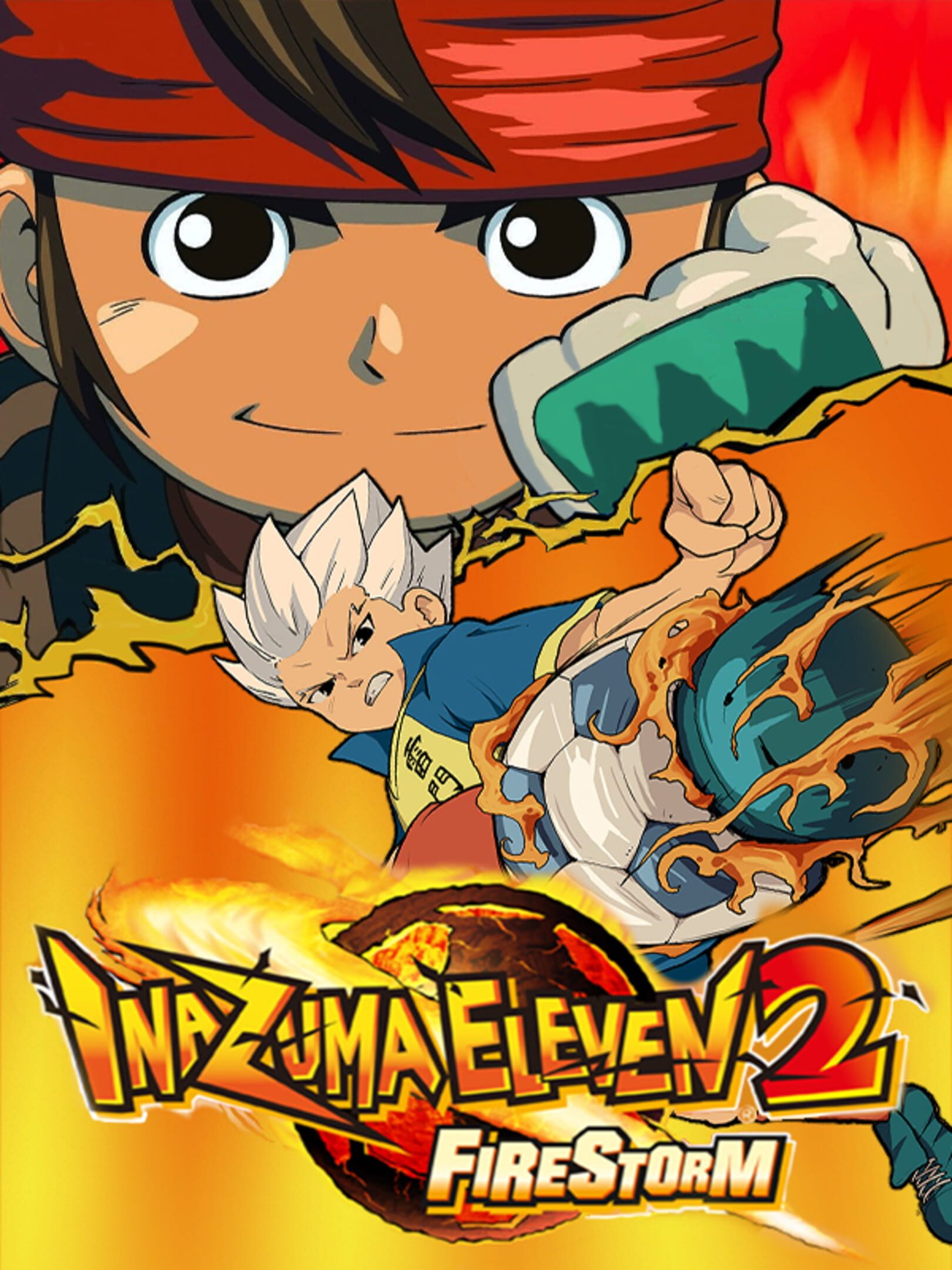
| Inazuma Eleven 2: Firestorm / Blizzard | Nintendo DS | 2009 / 2012 | Mamoru Endo (Mark Evans) | Caravan tour across Japan; introduces alien threat (Aliea Gakuen); Firestorm features Prominence, while Blizzard features Diamond Dust. |
| Inazuma Eleven 3: Spark / Bomber / Team Ogre Attacks! | Nintendo DS / 3DS | 2010 / 2013–2014 | Mamoru Endo (Mark Evans) | International FFI tournament; huge roster expansion; Team Ogre adds a futuristic cinematic storyline and unique end-game bosses. |
| Inazuma Eleven GO: Light / Shadow | Nintendo 3DS | 2011 / 2014 | Tenma Matsukaze (Arion Sherwind) | Set 10 years after original trilogy; introduces Fifth Sector organization, 3D graphics engine, and Keshin (Avatars). |
| Inazuma Eleven GO Chrono Stones: Wildfire / Thunderflash | Nintendo 3DS | 2012 / 2015 | Tenma Matsukaze (Arion Sherwind) | Time-travel narrative; introduces MixiMax character fusion system and Keshin Armed mechanics. |
| Inazuma Eleven GO Galaxy: Big Bang / Supernova | Nintendo 3DS | 2013 / Unreleased in EU | Tenma Matsukaze (Arion Sherwind) | Intergalactic tournament setting; replaces Keshin focus with animalistic Soul transformations. |
| Inazuma Eleven: Victory Road | Switch, PS4, PS5, Steam, iOS, Android | Multiplatform Release Era | Unmei Sasaoka / Series Roster | Comprehensive modern reboot/continuation; over 4,500 playable characters; hybrid touch and gamepad control schemes. |
Core Gameplay Mechanics: How Inazuma Eleven Blends RPG and Football
Understanding Inazuma Eleven requires viewing its matches not as realistic sports simulations like EA Sports FC, but as active, menu-assisted tactical battles taking place on a pitch.
- Match Gameplay Overview
- Pitch Movement
- Path Drawing (Touch)
- Analog Movement (Pad)
- Command Battles
- Elemental Triangle
- Attribute Checks
- Hissatsu Special Moves
- Pitch Movement
Real-Time Pitch Movement and Positioning
During a match, players manage team spacing, off-ball runs, and defensive coverage. On touch-screen systems, drawing lines directly on the pitch guides specific players toward space or directly toward an opponent holding the ball. On gamepad systems, control switches fluidly between the active ball-carrier and tactical off-ball positioning commands.
Command Battles and Attribute Calculations
When two opposing players collide on the pitch, the action pauses into a Command Battle. Here, players must choose an action based on context:
- Offense: Dribble past the opponent, perform a dodge move, or execute an offensive Hissatsu.
- Defense: Block the lane, attempt a slide tackle, or trigger a defensive Hissatsu.
The outcome of every Command Battle relies on several calculated variables:
- Base Player Stats: Kick, Body/Dribble, Control, Guard, Speed, Stamina, and Guts (TP pool).
- Elemental Advantage (The Attribute Circle): Every character and move carries one of four elements—Fire (Ignis), Wind (Aura), Earth (Terra), or Wood (Sylvan). Fire beats Wood, Wood beats Earth, Earth beats Wind, and Wind beats Fire. Possessing elemental superiority applies a significant stat multiplier during battle resolution.
- Technical Points (TP) and Fitness Points (FP): TP fuels Hissatsu execution, while FP acts as physical endurance; exhausted players suffer stat penalties.
- Fire (Ignis)
- Wood (Sylvan)
- Earth (Terra)
- Wind (Aura)
- Fire (Ignis)
- Wind (Aura)
- Earth (Terra)
- Wood (Sylvan)
Recruitment and Customization Systems
Beyond matches, the core loop depends on expanding and customizing your squad from a database of thousands of scoutable players.
- Scout Maps and Notebooks: Early titles utilized regional scout maps and keyword searches to track down players across Japan.
- Community Cards (Kizuna/Friendship Cards): Introduced in later titles, players unlock recruitment nodes by meeting specific criteria, such as owning certain items, defeating local NPC teams, or obtaining photo memories.
- Skill Transference: Players can equip Skill Manuals to teach any athlete new Hissatsu techniques or passive stat boosts, allowing complete customization regardless of an athlete's baseline role.
Spin-Offs and Home Console Entries
While the handheld titles contained the central narrative, Level-5 expanded the intellectual property across home consoles and alternative genres.
Inazuma Eleven Strikers Series (Nintendo Wii)
The Strikers sub-series shifted gameplay away from handheld RPG menus toward real-time action arcade sports. Releasing across three editions—Inazuma Eleven Strikers, Strikers 2012 Extreme, and Inazuma Eleven GO Strikers 2013—these Wii games featured fully animated 3D Hissatsu sequences, local four-player multiplayer modes, and character crossover rosters spanning both the original and GO eras.
Mobile and Specialized Releases
Level-5 released several specialized spin-offs within Japan, including Inazuma Eleven Everyday (a life-simulation title), Inazuma Eleven Online (a PC browser-based tactical manager), and Inazuma Eleven SD (a mobile figure-sliding game). While these titles varied in longevity, their experimental mechanics influenced the UI and squad-management design seen in modern console releases.
Modern Era: Inazuma Eleven: Victory Road
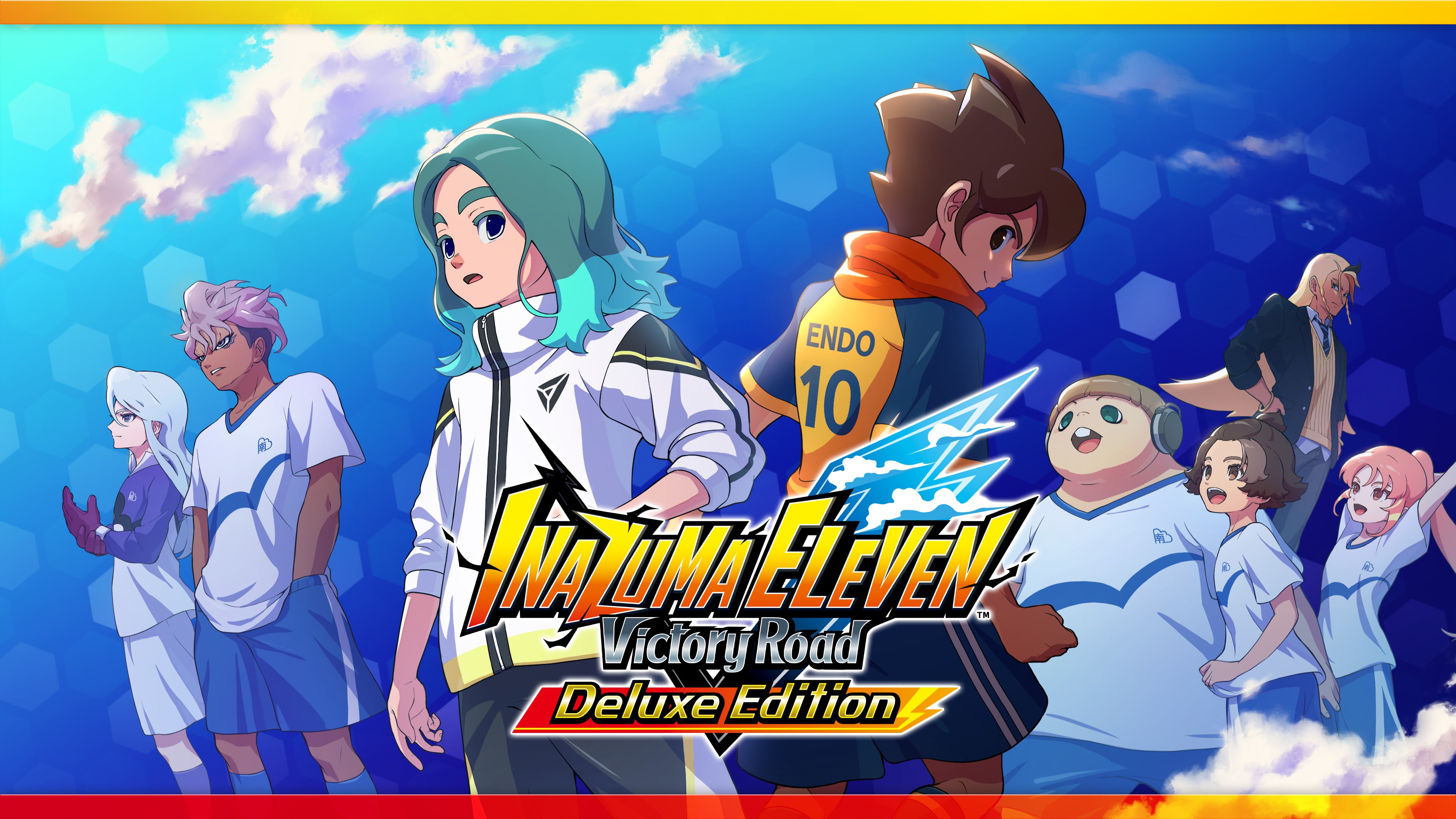
Developed under the leadership of Level-5 CEO Akihiro Hino, Inazuma Eleven: Victory Road represents the unified modern hub for the entire franchise. Designed for Nintendo Switch, PlayStation platforms, PC via Steam, and mobile devices, Victory Road addresses the structural changes required after the discontinuation of dual-screen handheld hardware.
Key Features of Victory Road
- Dual Control Modes: Supports classic touch-screen/pointer navigation (recreating the Nintendo DS interface style) alongside modern twin-stick gamepad layouts.
- Unmei Story Mode: Introduces Unmei Sasaoka, a novel protagonist who cannot play football due to medical constraints, forcing him to act as a manager and tactical strategist at Nagumohara Junior High.
- Chronicle Mode: Serves as a historical encyclopedia, allowing players to challenge and recruit over 4,500 characters spanning every historical release, anime season, and movie in the franchise's history.
- Planetary Football League: Introduces competitive online player-versus-player (PvP) rank structures with cross-play support, standardized tournament regulations, and seasonal balance adjustments.
Recommended Play Order for Newcomers and Collectors
Because the franchise spans narrative arcs, alternative timelines, and regional localization names, navigating the series depends on your platform availability and play style preference.
- Mainline Narrative Progression
- Original Arc:
- Inazuma Eleven (DS)
- Inazuma Eleven 2 (DS)
- Inazuma Eleven 3 (DS / 3DS)
- Inazuma Eleven 2 (DS)
- Inazuma Eleven (DS)
- GO Arc (10 Years Later):
- Inazuma Eleven GO (3DS)
- GO Chrono Stones (3DS)
- GO Galaxy (3DS)
- GO Chrono Stones (3DS)
- Inazuma Eleven GO (3DS)
- Modern All-in-One:
- Inazuma Eleven: Victory Road (Multiplatform)
- Original Arc:
- The Classic Narrative Arc (Nintendo DS / 3DS):
- Start with Inazuma Eleven 1 to understand Mamoru Endo's origins.
- Progress to Inazuma Eleven 2 (Firestorm or Blizzard) to experience the high-stakes journey across Japan.
- Conclude the original trilogy with Inazuma Eleven 3 (Spark, Bomber, or Team Ogre Attacks!).
- The GO Arc (Nintendo 3DS):
- Play Inazuma Eleven GO (Light or Shadow) for the next-generation narrative reset.
- Continue with GO Chrono Stones for time-travel mechanics and expanded customization.
- Play GO Galaxy (via English fan translation if outside Japan) to complete Tenma's storyline.
- The All-In-One Modern Entry:
- If you prefer modern resolution, gamepad support, and online competitive play without acquiring retro handheld hardware, start directly with Inazuma Eleven: Victory Road. Its Chronicle Mode systematically breaks down historical teams while letting you build custom teams from scratch.
Frequently Asked Questions
Are the Inazuma Eleven games regional-locked?
Nintendo DS titles are region-free on original DS hardware, though physical PAL (European) copies will only run in English or European languages. Nintendo 3DS titles are region-locked, meaning a European or Japanese 3DS cart requires matching hardware unless custom firmware is used. Modern releases like Inazuma Eleven: Victory Road on Switch, PlayStation, PC, and mobile are region-free globally.
What is the difference between European and Japanese character names?
Level-5 fully localized character names for Western audiences. For example, the original protagonist Mamoru Endo is named Mark Evans in English versions, Shuya Goenji is Axel Blaze, and Yuto Kido is Jude Sharp. Modern releases often include options to toggle between localizations or Japanese audio.
Do I need to watch the anime to understand the games?
No. The video games came first, and the anime is a direct adaptation of the game storylines. Playing the games gives you the complete narrative experience, including side quests, dialogue trees, and backstory detail omitted from the broadcast show.
What is the best version to choose when dual releases exist?
Dual releases present identical main storylines with minor exclusive variations. Choose based on your preference for exclusive teams or characters:
- In Inazuma Eleven 2, pick Firestorm for aggressive offensive teams or Blizzard for defensive/tactical teams.
- In Inazuma Eleven 3, Team Ogre Attacks! is generally considered the definitive edition as it includes the base storyline alongside extra endgame chapters and movie tie-in bosses.
Can Inazuma Eleven games be played solo offline?
Yes. Every mainline Inazuma Eleven game features a robust single-player story campaign that can be completed entirely offline. Optional online features in modern releases focus on competitive multiplayer tournaments and player-versus-player leaderboards.
Getting Started
To jump into the series today:
- For Retro Hardware Enthusiasts: Pick up a copy of Inazuma Eleven 2: Firestorm or Blizzard on Nintendo DS; it offers the ideal balance of classic stylus mechanics, refined pacing, and iconic special moves.
- For Modern Gamers: Install Inazuma Eleven: Victory Road on PC or console to access the unified character roster, tactical menu systems, and cross-platform multiplayer without needing retro handheld devices.
Image Gallery