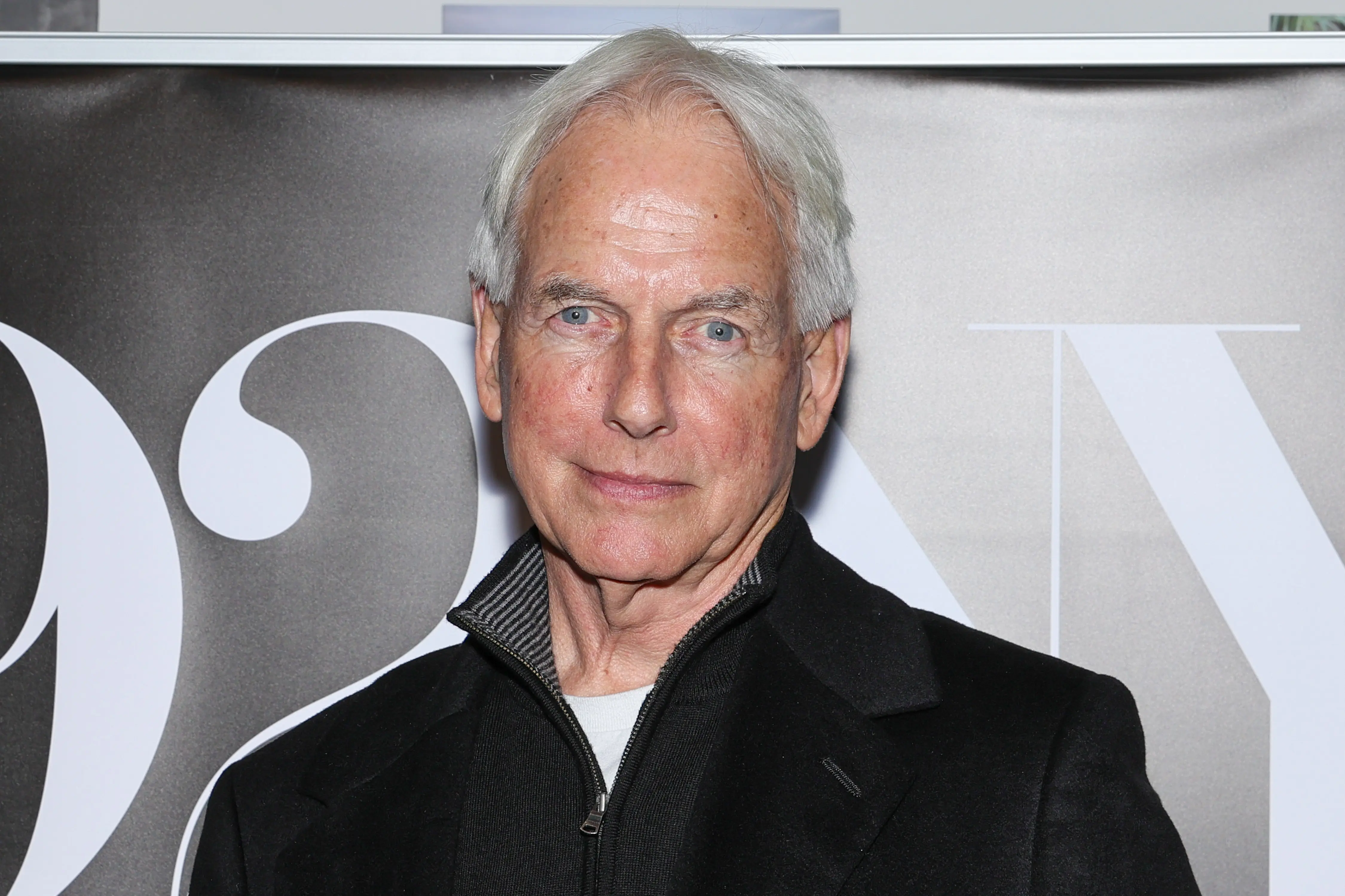
Mark Harmon Salary and Net Worth Overview: Career Earnings, NCIS Royalties, and Financial Legacy
Mark Harmon has built an estimated net worth of approximately $100 million to $120 million, largely driven by his iconic 19-season run as Special Agent Leroy Jethro Gibbs on the CBS television series NCIS. At his peak performance years...
Mark Harmon has built an estimated net worth of approximately $100 million to $120 million, largely driven by his iconic 19-season run as Special Agent Leroy Jethro Gibbs on the CBS television series NCIS. At his peak performance years on the show, Harmon commanded a base salary of $525,000 per episode, supplemented by lucrative executive producer fees and backend syndication points that brought his annual compensation to over $20 million per season.
Contents
Core Net Worth and Financial Status
The financial landscape of Hollywood actors often relies on fluctuating project fees, but Mark Harmon’s economic profile reflects the rare stability of long-term network television ownership and production rights. Decades of sustained leading roles in broadcast television, combined with prudent financial management alongside his wife, actress Pam Dawber, have positioned Harmon among the highest-earning television actors of his generation.
| Financial Metric | Amount |
|---|---|
| Estimated Net Worth | $100,000,000 – $120,000,000 |
| Peak NCIS Base Salary | $525,000 per episode (~$12.6M/yr) |
| Peak EP & Syndication Earnings | $7,500,000+ per year |
| Combined Peak Annual Income | $20,000,000+ per season |
Harmon’s financial standing is supported by three primary pillars:
- Direct Acting Compensation: Base salary negotiated across multiple contract renewals on prime-time broadcast network hits.
- Executive Producer Backend Equity: Profit participation points in broadcast syndication and international distribution rights.
- Intellectual Property and Executive Production: Ongoing involvement with the expanding NCIS franchise, including spin-off executive production roles.
While many actors experience high volatility in lifetime earnings, Harmon’s transition into television production turned a successful acting career into an enduring enterprise.
Early Career Trajectory: From Athletics to Television Leadership
Before achieving his status as one of network television’s most profitable stars, Mark Harmon established his public career outside of entertainment. The son of Heisman Trophy winner Tom Harmon and actress Elyse Knox, Harmon initially pursued athletics, starting as the quarterback for the UCLA Bruins college football team in the early 1970s.
Early Acting Roles and Breakthroughs
Harmon transitioned into professional acting in the mid-1970s, making episodic appearances on shows like Adam-12 and Laverne & Shirley. His financial trajectory gained momentum in the 1980s through key television roles:
- St. Elsewhere (1983–1986): Harmon played Dr. Robert Caldwell, a role that brought critical attention, established his commercial viability as a leading man, and provided standard prime-time television union wages under SAG-AFTRA contracts.
- Moonlighting (1986): A multi-episode guest arc as Sam Crawford further solidified his standing on mainstream network television.
- Reasonable Doubts (1991–1993) & Chicago Hope (1996–2000): These extended series roles provided steady multi-year contracts, moving Harmon into upper-tier base compensation packages for prime-time ensemble dramas.
The West Wing Arc and the NCIS Catalyst
In 2002, Harmon delivered a critically acclaimed four-episode performance as Secret Service Agent Simon Donovan on NBC’s The West Wing. This performance earned him an Emmy nomination for Outstanding Guest Actor in a Drama Series and served as the direct inspiration for creator Donald P. Bellisario to cast him as Leroy Jethro Gibbs.
The character was introduced in a two-part backdoor pilot during Season 8 of JAG in April 2003. When CBS picked up NCIS (originally titled Navy NCIS) for the 2003–2004 television season, Harmon secured a core contract that would grow into one of the most profitable deals in television history.
The Financial Engine of NCIS: Acting Salary vs. Executive Producer Credits
The growth of Mark Harmon's net worth is primarily tied to the structural mechanics of his NCIS contracts over his 19-season run as the show's star and eventual lead producer.
- NCIS Salary Evolution (Per Episode)
- Seasons 1–3: Estimated $75k–$100k
- Seasons 4–7: $200,000
- Seasons 8–10: $370,000
- Seasons 11–14: $500,000
- Seasons 15–19: $525,000
Base Acting Compensation Growth
When NCIS debuted in 2003, network television pay scales were typically structured around multi-year option deals. As the series became a ratings juggernaut for CBS, Harmon’s talent representatives renegotiated his base salary during key renewal windows:
- Seasons 1 to 3 (2003–2006): Harmon started with a standard veteran lead salary, estimated between $75,000 and $100,000 per episode.
- Seasons 4 to 7 (2006–2010): As NCIS grew into a top-ten broadcast show, his per-episode fee reached approximately $200,000 to $300,000.
- Seasons 8 to 10 (2010–2013): Harmon’s pay advanced to $370,000 per episode. With standard 24-episode season orders, his base acting salary reached nearly $9 million annually.
- Seasons 11 to 14 (2013–2017): His base salary scaled to $500,000 per episode, yielding $12 million per season before production bonuses.
- Seasons 15 to 19 (2017–2021): Harmon capped his tenure with a base acting rate of $525,000 per episode. With a 24-episode slate, base acting compensation equaled $12.6 million per year.
Executive Producer Credits and Backend Equity
In Season 6 (2008), Harmon assumed an executive producer title on NCIS. This title was not merely ceremonial; it fundamentally altered his earnings model.
In television production, an executive producer receives:
- Weekly/Per-Episode Production Fees: Additional fixed compensation for overseeing creative elements, casting approvals, and daily set logistics.
- Profit Participation Points (Backend Equity): A percentage of net or modified gross receipts generated by the show once initial production budgets are recouped.
By combining his base acting fee of $525,000 with executive producer fees and backend equity distribution, Harmon consistently generated between $19 million and $22 million per year during the late 2010s, placing him among the top three highest-paid actors on global television alongside stars of The Big Bang Theory and Modern Family.
Residuals, Off-Network Syndication, and Streaming Revenues
While base salaries account for immediate annual cash flow, residual payments from syndication represent the main growth engine for Harmon's long-term net worth.
Off-Network Cable and Broadcast Syndication
For a television series to unlock massive syndication value, it must cross the 100-episode threshold. NCIS surpassed this milestone early in its run and eventually surpassed 450 episodes.
In 2008, USA Network acquired the cable syndication rights to NCIS for a reported fee of up to $2.5 million per episode. Local broadcast stations across the United States also bought off-network strip rights. Because Harmon held backend profit points negotiated into his producer contracts, he earned direct percentages of these multi-hundred-million-dollar syndication licensing deals.
Streaming Distribution and SAG-AFTRA Residual Rights
Under guidelines detailed by the Screen Actors Guild (SAG-AFTRA Residuals Guidelines), actors receive ongoing payments whenever a project is re-aired, re-licensed, or streamed on digital platforms.
When CBS (via Paramount Global) licensed NCIS library episodes to SVOD platforms like Netflix and Paramount+, residual structures delivered continuing royalty checks. Given NCIS's consistent position near the top of Nielsen's streaming charts for acquired library content, Harmon's residual receipts continue to generate millions in annual passive revenue years after his departure as a series regular.
Wings Productions and Executive Producing Beyond NCIS
Harmon expanded his executive footprint by forming Wings Productions, an independent production banner operating through CBS Studios. Through Wings Productions, Harmon extended his financial participation beyond his individual acting appearances.
- Wings Productions Executive Portfolio
- NCIS (Main Series)
- Lead Actor & EP
- (2003–2021)
- NCIS: New Orleans
- Executive Producer
- (2014–2021)
- NCIS: Origins
- EP & On-Air Narrator
- (2024–Present)
- NCIS (Main Series)
Key Franchise Spin-Offs
- NCIS: New Orleans (2014–2021): Harmon served as an executive producer alongside Gary Glasberg. As co-creator of the underlying characters through the parent show, Harmon earned executive production fees and backend shares for all 155 episodes of the spin-off, despite never appearing on screen as a series regular.
- NCIS: Origins (2024–Present): Harmon returned to the franchise as an executive producer and on-air narrator for this prequel series focusing on a young Leroy Jethro Gibbs. This role guarantees continued executive compensation and intellectual property fees within the CBS ecosystem.
Historical Salary & Net Worth Growth Comparison
The following table details the key stages of Mark Harmon's career, documenting his roles, estimated per-episode rates, total seasonal earnings, and primary income drivers.
| Period / Season | Primary Project | Estimated Role / Title | Per-Episode Compensation | Estimated Annual Earnings | Primary Financial Driver |
|---|---|---|---|---|---|
| 1983–1986 | St. Elsewhere | Regular Cast Member | SAG Standard Drama Rates | $150,000 – $300,000 | Primetime Network Salary |
| 1996–2000 | Chicago Hope | Regular Cast Member | $50,000 – $80,000 | $1.2M – $1.8M | Network Drama Lead Pay |
| 2003–2006 | NCIS (Seasons 1–3) | Lead Actor | $75,000 – $100,000 | $1.8M – $2.4M | Initial Series Contract |
| 2006–2010 | NCIS (Seasons 4–7) | Lead Actor / Producer (S6+) | $200,000 – $300,000 | $4.8M – $7.2M | First Contract Extension |
| 2010–2013 | NCIS (Seasons 8–10) | Lead Actor & EP | $370,000 | $8.8M + Syndication | Broadcast Syndication Deals |
| 2013–2017 | NCIS (Seasons 11–14) | Lead Actor & EP | $500,000 | $12M – $15M | Peak Network Base Pay |
| 2017–2021 | NCIS (Seasons 15–19) | Lead Actor & EP | $525,000 | $19M – $22M | EP Fees & Global Royalties |
| 2021–Present | Franchise EP Roles | EP / Narrator (Origins) | N/A (Production Package) | $5M – $10M (Passive) | Royalties & Streaming Syndication |
Real Estate Holdings and Wealth Preservation
Unlike many high-profile Hollywood figures who engage in aggressive speculative investments or public venture capital funding, Mark Harmon and his wife Pam Dawber have maintained a conservative approach to asset management.
Real Estate Investments
- Brentwood Estate, Los Angeles: Harmon and Dawber purchased their primary residence in the affluent Brentwood neighborhood of Los Angeles in the late 1980s. Over decades of ownership, the property has appreciated substantially, contributing millions in real estate equity to their net worth.
- Malibu Real Estate: The couple has owned residential property along the Southern California coast, maintaining high-value real estate holdings in prime oceanfront locations.
- Country Properties: Harmon has periodically held rural land holdings and ranch properties, prioritizing personal privacy and real asset security over commercial developments.
Financial Strategy and Governance
Harmon’s wealth strategy focuses on long-term capital preservation:
- Low corporate liability through formal production vehicles (Wings Productions).
- Avoidance of high-risk commercial endorsements, choosing instead to focus on lucrative core television deals.
- Prolonged participation in standard guild pension plans (SAG-AFTRA Health & Pension Plan), securing substantial institutional retirement benefits accrued over 50 years of professional union work.
Frequently Asked Questions
What is Mark Harmon’s estimated net worth?
Mark Harmon’s net worth is estimated between $100 million and $120 million. The vast majority of his wealth stems from his 19-season starring role on NCIS, executive producer income, off-network syndication points, and strategic real estate holdings in Southern California.
How much did Mark Harmon make per episode on NCIS?
During his final seasons as a series regular on NCIS (Seasons 15 through 19), Harmon received a base acting salary of $525,000 per episode. When combined with executive producer fees and backend syndication distribution, his per-episode compensation effectively surpassed $800,000.
Does Mark Harmon still make money from NCIS after leaving the show?
Yes. Harmon continues to earn substantial passive income from NCIS. As an Executive Producer holding backend equity points, he receives royalties from domestic cable syndication, international broadcast licensing, and digital streaming platforms like Netflix and Paramount+. He also earns executive production fees for franchise projects like NCIS: Origins.
How much did Mark Harmon earn per year at his peak?
At his peak compensation period between 2017 and 2021, Harmon earned over $20 million per year. This total combined his $12.6 million base acting salary with executive producer bonuses, syndication profit shares, and spin-off producer royalties.
Was Mark Harmon the highest-paid actor on television?
During the late 2010s, Harmon was consistently listed by publications such as Forbes among the top five highest-paid television actors globally. He closely trailed cast members of The Big Bang Theory and was frequently the highest-paid actor in network drama.
Did Mark Harmon earn money from NCIS spin-offs?
Yes. Through his production banner, Wings Productions, Harmon served as an Executive Producer on NCIS: New Orleans throughout its seven-season run. He also serves as an executive producer and narrator for NCIS: Origins, securing direct financial participation in these expanded franchise projects.
Summary of Financial Standing
Mark Harmon's financial trajectory stands as one of the most successful economic models in the history of broadcast television. By leveraging long-term series stability into executive producer status and backend equity, Harmon built a net worth exceeding $100 million while retaining continuous cash flow from global syndication rights. For media professionals and entertainment industry observers, his career illustrates how combining lead performance talent with ownership and production rights creates lasting, multi-generational wealth.
Image Gallery