The Ultimate Guide to Netflix Killer Documentaries: Must-Watch True Crime Series and Films
Netflix offers an extensive catalog of killer documentaries that explore infamous true crime cases, psychological profiles, and complex police investigations. These productions range from archival-tape deep dives to modern digital sleu...
Netflix offers an extensive catalog of killer documentaries that explore infamous true crime cases, psychological profiles, and complex police investigations. These productions range from archival-tape deep dives to modern digital sleuthing narratives. This guide analyzes top-rated docuseries, structural formats, ethical considerations, and viewing recommendations across the platform's investigative non-fiction library.
Contents
The Evolution of Serial Killer Documentaries on Netflix
The true crime genre underwent a structural transformation when streaming platforms began commissioning multi-part docuseries rather than traditional 90-minute television specials. Netflix played a pivotal role in this shift, popularizing long-form, serialized crime investigations that provide room for detailed archival footage, trial transcripts, psychological evaluations, and primary interviews with survivors, law enforcement personnel, and legal teams.
Rather than relying solely on dramatic re-enactments, modern Netflix killer documentaries lean heavily into authentic media artifacts. Viewers hear micro-cassette interview tapes, examine evidence locker photographs, and watch original local news broadcasts from the era of the crimes. This approach transforms historical cases from sensationalized headlines into rigorous chronological examinations of criminal behavior and systemic law enforcement challenges.
Furthermore, the genre has diversified beyond American and Western European cases. Netflix’s global production footprint has introduced international true crime investigations to worldwide audiences, highlighting how forensic science, investigative journalism, and criminal justice systems operate in different legal jurisdictions.
Top Netflix Killer Documentaries and Docuseries
To navigate the platform's extensive selection, it helps to categorize documentaries by their narrative focus and investigative methodology. Below are the most notable titles available on Netflix, broken down by their core narrative approaches.
1. The Archival Audio Deep Dives
Director Joe Berlinger revolutionized archival true crime storytelling with the Conversations with a Killer franchise. These series center on previously unreleased audio interviews recorded with convicted serial killers while on death row or serving life sentences.
- Conversations with a Killer: The Ted Bundy Tapes (2019): Built around more than 100 hours of interviews recorded by journalists Stephen Michaud and Hugh Aynesworth, this four-part docuseries examines Ted Bundy’s psyche, his trial, and his eventual execution in 1989. The series juxtaposes Bundy’s self-aggrandizing commentary with police reports and survivor testimony.
- Conversations with a Killer: The John Wayne Gacy Tapes (2022): Utilizing over 60 hours of unheard audio between Gacy and his defense team, this three-part series details the 1970s murders of 33 young men and boys in Cook County, Illinois. It analyzes structural law enforcement failures regarding missing persons reports involving marginalized youth.
- Conversations with a Killer: The Jeffrey Dahmer Tapes (2022): Released alongside dramatized retellings, this docuseries features audio interviews between Dahmer and his defense attorney, Wendy Patrickus. It examines how systemic biases in local policing allowed Dahmer to evade detection in Milwaukee despite multiple warnings.
2. Law Enforcement and Detective Perspectives
For viewers interested in forensic science, police tactics, and the painstaking process of building a prosecution, police-centric docuseries offer a step-by-step view of high-stakes investigations.
- Night Stalker: The Hunt for a Serial Killer (2021): Directed by Tiller Russell, this four-part series tells the story of how Los Angeles County Sheriff’s Department detectives Gil Carrillo and Frank Salerno tracked down Richard Ramirez during his summer 1985 reign of terror. The documentary stands out for its atmospheric editing, chronological precision, and emphasis on homicide division operations.
- Catching Killers (2021–present): An anthology series where the investigators themselves recount the hardest cases of their careers. Each episode focuses on a specific murderer—such as the Green River Killer (Gary Ridgway), the Happy Face Killer (Keith Hunter Jesperson), or the BTK Strangler (Dennis Rader)—explaining how breakthroughs in DNA analysis, ballistics, or criminal profiling led to an arrest.
3. Digital Sleuthing and Crowd-Sourced Investigations
Modern technology has fundamentally altered how crimes are committed, discovered, and solved. Netflix features several documentaries examining how internet communities and digital forensics contribute to apprehending dangerous perpetrators.
- Don't Fk with Cats: Hunting an Internet Killer (2019):** This three-part docuseries follows an international group of amateur internet sleuths who banded together after a violent video surfaced online. Their digital tracking efforts ultimately helped law enforcement identify Luka Magnotta, who escalated from animal cruelty to murder in Montreal. The series serves as a case study in open-source intelligence (OSINT) and the unintended consequences of online notoriety.
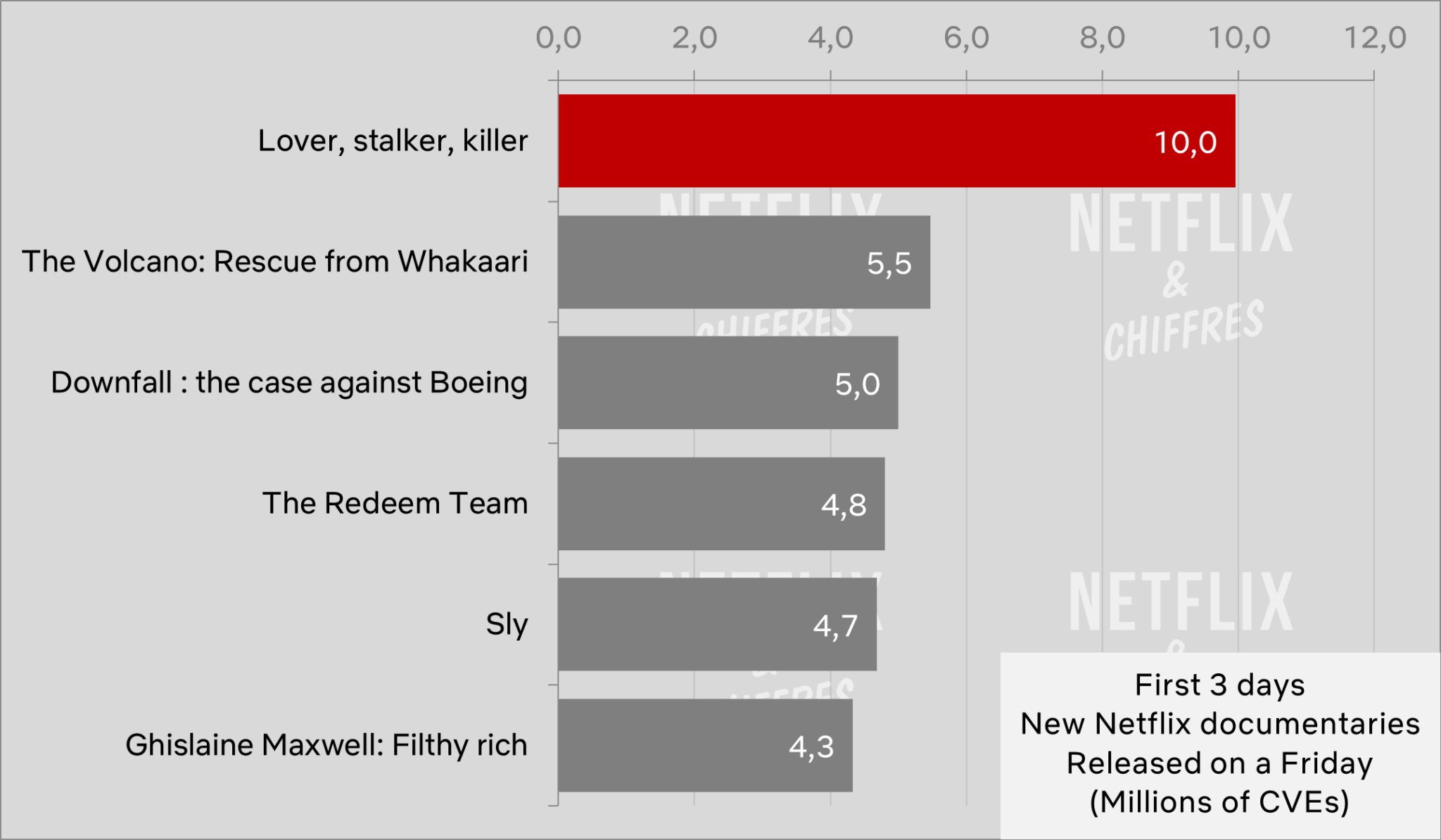
- Lover, Stalker, Killer (2024): A feature-length documentary detailing a complex case of online identity theft, stalking, and homicide in Nebraska. Through interviews with lead investigators and surviving victims, the film unpacks how digital manipulation can obscure the identity of a killer.
4. International Serial Killer Investigations
Netflix's global catalog features true crime productions from across the globe, illustrating how local culture, police infrastructure, and media environments shape high-profile criminal investigations.
- The Raincoat Killer: Chasing a Predator in Korea (2021): A three-part South Korean docuseries examining the crimes of Yoo Young-chul, who targeted senior citizens and sex workers in Seoul during the early 2000s. The series details how South Korea's law enforcement modernized its forensic profiling and homicide division procedures in response to the crisis.
- Indian Predator: The Butcher of Delhi (2022): Part of an Indian true crime anthology, this docuseries investigates Chandrakant Jha, who left dismembered bodies outside Tihar Jail alongside handwritten notes taunting the police. It explores police procedure and social inequality in urban India.
Comparing Popular Netflix Killer Documentaries
The table below summarizes key details for prominent killer documentaries on Netflix to help you select a title matching your preferred sub-genre, format, and content focus.
| Documentary Title | Primary Subject / Focus | Core Narrative Perspective | Format / Duration | Primary Content Warning |
|---|---|---|---|---|
| Conversations with a Killer: The Ted Bundy Tapes | Ted Bundy | Archival audio & journalist interviews | 4-Part Limited Series | Explicit crime scene descriptions |
| Night Stalker: The Hunt for a Serial Killer | Richard Ramirez | Detective & survivor testimony | 4-Part Limited Series | Graphic crime scene photography |
| Don't Fk with Cats** | Luka Magnotta | Amateur digital sleuths & police | 3-Part Limited Series | Animal cruelty (discussed), murder |
| Catching Killers | Multiple historical serial killers | Homicide detectives & forensic experts | Multi-season Anthology | Graphic forensic evidence details |
| The Raincoat Killer | Yoo Young-chul | Seoul police investigators & prosecutors | 3-Part Limited Series | Graphic violence descriptions |
| The John Wayne Gacy Tapes | John Wayne Gacy | Defense attorney audio & victim advocacy | 3-Part Limited Series | Sexual violence & murder of minors |
| Lover, Stalker, Killer | Dave Kroupa / Cari Farver case | Law enforcement & victim family interviews | 90-Minute Feature Film | Stalking, arson, psychological terror |
Ethical Considerations: Victim-Centric vs. Killer-Centric Storytelling
As true crime documentaries have surged in popularity, media ethics scholars and audiences alike increasingly scrutinize how these stories are told. A persistent criticism of the genre is its tendency to sensationalize perpetrators, sometimes turning dangerous criminals into pop-culture figures while pushing victims into the background.
The Shift Toward Victim Advocacy
Earlier true crime television often focused on the spectacular or gruesome details of a killer's methods. Modern documentaries produced for Netflix frequently attempt to counter this trend by giving equal or primary airtime to the victims' lives, families, and communities.
- Humanizing Victims: Responsible docuseries take time to establish who the victims were before their lives were cut short. They highlight their achievements, personal relationships, and aspirations, resisting the trope of treating victims merely as plot points or statistics.
- Exposing Systemic Failures: Many documentaries examine how prejudice, racial bias, economic inequality, or police negligence allowed serial killers to operate undetected for long periods. For example, documentaries covering Jeffrey Dahmer and John Wayne Gacy highlight how institutional neglect of marginalized communities delayed decisive law enforcement intervention.
Evaluating Responsible Viewing Practices
When selecting a killer documentary to watch, viewers can evaluate the film's tone by considering whether the production:
- Prioritizes primary sources (investigators, surviving family members, court documents) over speculative narration.
- Avoids overly stylized or heroic portrayals of the perpetrator.
- Dedicates meaningful screen time to discussing systemic justice reform and victim support.
- Handles graphic visual material with restraint rather than gratuitous shock value.
How to Choose What to Watch Based on Your Interests
Because Netflix’s catalog contains dozens of true crime series, matching your viewing goals with the right sub-genre ensures a more compelling experience.
If You Are Interested in Criminology and Psychology
Focus on archival series like Conversations with a Killer. These productions offer direct insight into psychological manipulation, pathologizing criminal behavior, and the legal strategies employed by defense teams trying to establish sanity or insanity defenses during trials.
If You Prefer Forensic Science and Detective Work
Opt for procedural docuseries like Catching Killers or Night Stalker. These titles focus on police methodologies, detailing how latent fingerprints, shoe size comparisons, soil analysis, early DNA profiling, and cross-jurisdictional task forces eventually pinpoint suspects.
If You Enjoy Modern Technology and Cyber Investigations
Choose titles such as Don't Fk with Cats** or Lover, Stalker, Killer. These documentaries break down how digital footprints, IP address tracking, metadata analysis, and online community cooperation intersect with traditional police work in 21st-century investigations.
Frequently Asked Questions
What is the difference between a true crime documentary and a dramatized crime series on Netflix?
A true crime documentary relies entirely on non-fiction elements, including actual archival footage, real news broadcasts, trial recordings, and interviews with actual people involved in the case. A dramatized crime series (such as DAHMER – Monster: The Jeffrey Dahmer Story) uses actors, written scripts, sets, and creative liberties to re-enact historical events.
Are original interrogation audio tapes in Netflix documentaries authentic?
Yes. Docuseries such as the Conversations with a Killer series use authenticated historical recordings. These tapes are sourced from legal archives, journalist tape collections, or official police interrogation records obtained through legal releases or Freedom of Information requests.
Do Netflix killer documentaries feature graphic crime scene images?
Many true crime docuseries carry TV-MA ratings due to verbal descriptions and occasional photographic evidence of violent crime scenes. While most modern productions censor or blur explicit imagery out of respect for victims, viewer discretion is strongly advised, and content warnings are displayed at the beginning of each episode.
Are there international true crime documentaries available with English audio?
Yes. Netflix provides dubbing and subtitle options in dozens of languages for its international original productions. Series like The Raincoat Killer (South Korea) and Indian Predator (India) can be viewed in their original spoken languages with English subtitles or with professional English voice dubbing.
How often does Netflix add new killer documentaries to its library?
Netflix releases new true crime docuseries and feature films monthly. Content additions include both Netflix Originals commissioned directly by the platform and licensed documentaries acquired from independent film festivals and international distributors.
Next Steps for True Crime Viewers
To get the most out of your true crime viewing experience on Netflix while remaining informed and mindful of content:
- Check Content Ratings and Trigger Warnings: Always review the TV-MA advisory labels before starting a new series, especially if you are sensitive to discussions of domestic violence, sexual assault, or animal abuse.
- Utilize Netflix Search Tags: Use specific search terms in the Netflix app bar—such as "True Crime Docuseries," "Crime Investigation," or "Serial Killer Documentaries"—to surface hidden library titles beyond the main home screen algorithm.
- Explore Secondary Sources: After finishing a documentary, consult published legal case files, official court transcripts, or books written by lead investigative journalists to gain broader context untethered from television production editing decisions.
Image Gallery