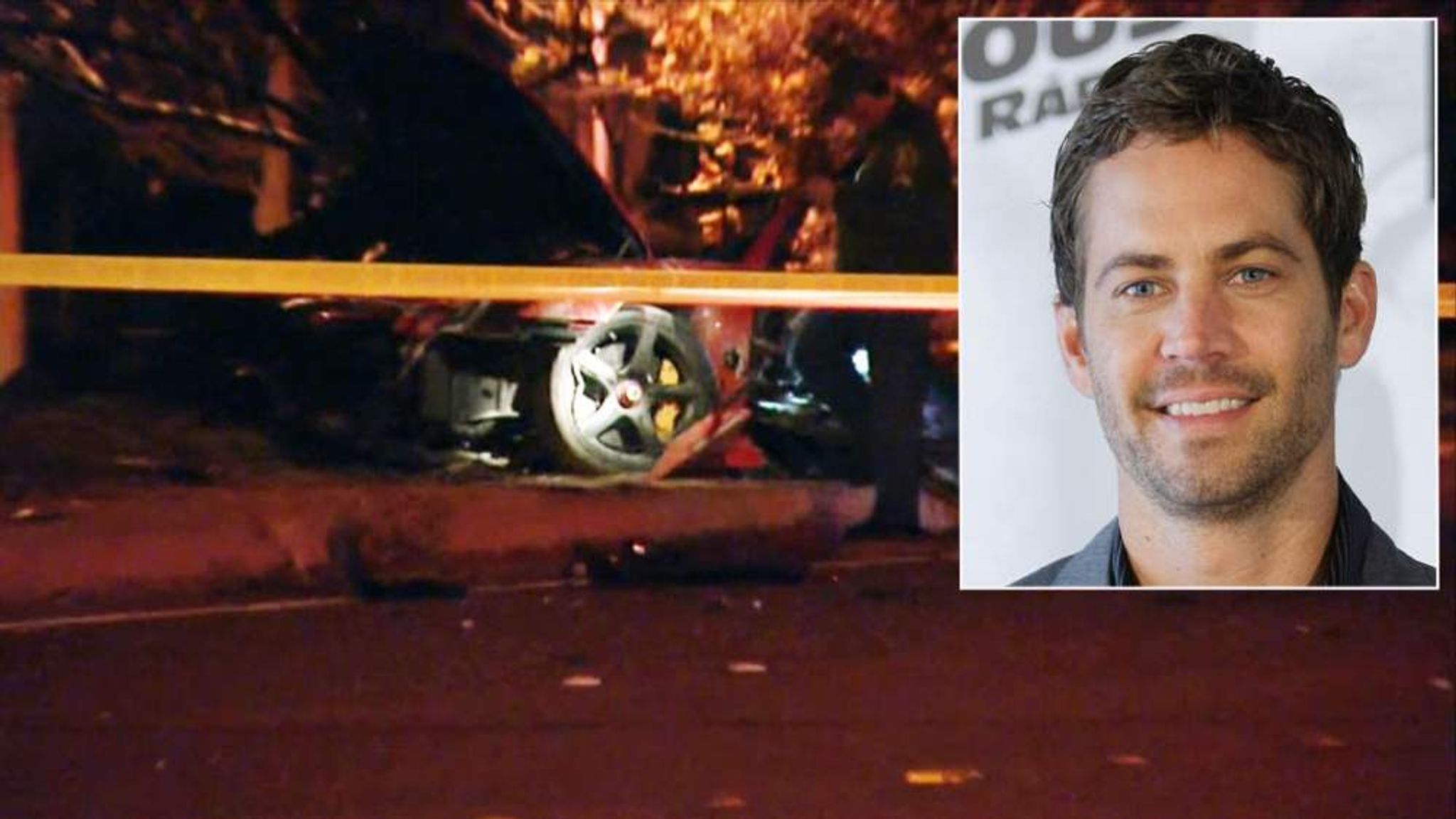
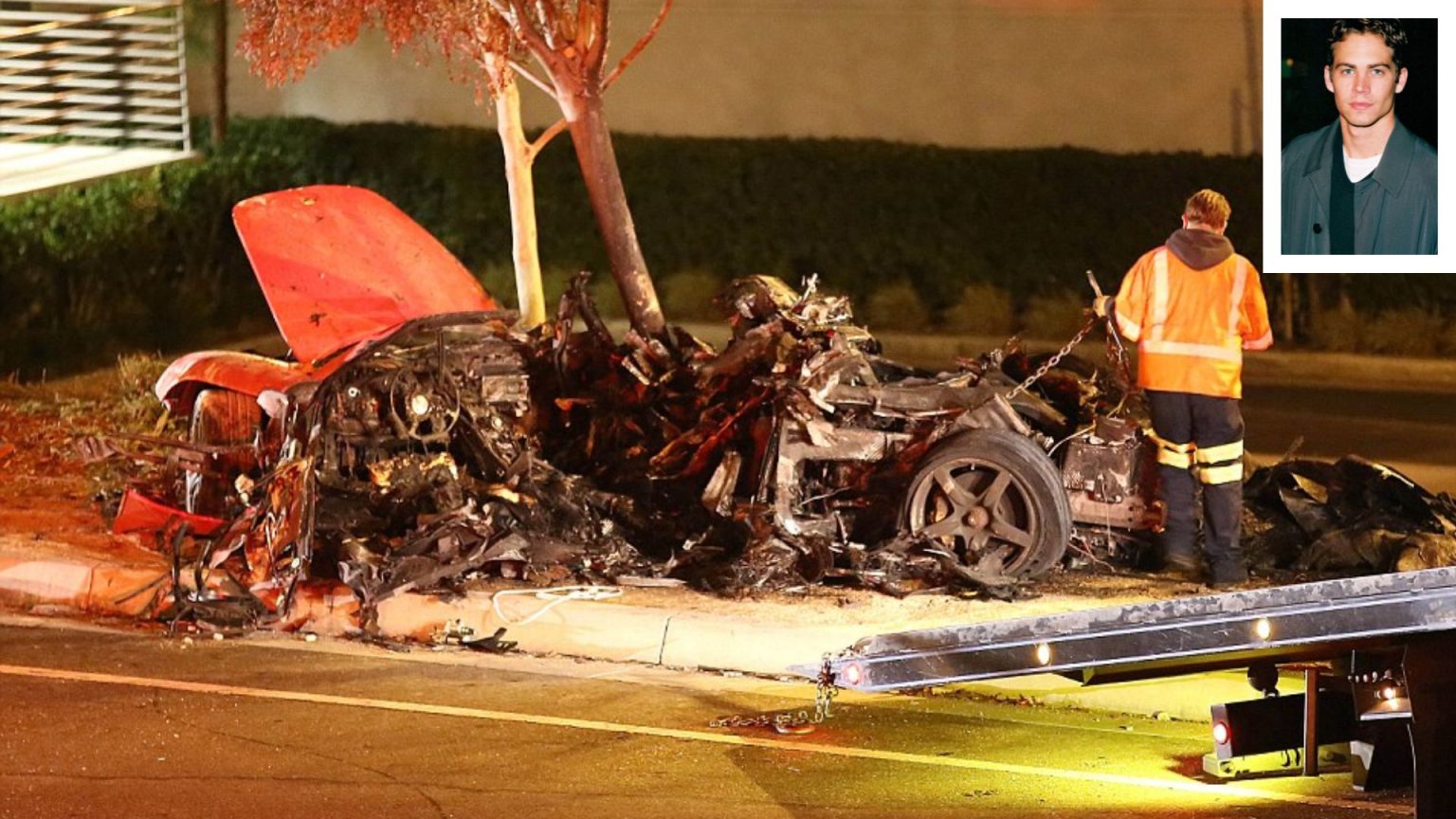
The Paul Walker Car Crash Speed That Shocked Fans: Final Investigation Results
The official investigation into the 2013 accident that claimed the life of actor Paul Walker concluded that the Porsche Carrera GT was traveling between 80 and 93 mph (128–150 km/h) at the moment of impact. This speed, nearly double th...
The official investigation into the 2013 accident that claimed the life of actor Paul Walker concluded that the Porsche Carrera GT was traveling between 80 and 93 mph (128–150 km/h) at the moment of impact. This speed, nearly double the 45 mph limit on the Santa Clarita business park road, was the primary factor cited by the Los Angeles County Sheriff’s Department for the loss of vehicle control.
Contents
The tragic event on November 30, 2013, remains a significant point of discussion in automotive safety and celebrity history. Beyond the raw speed, a combination of mechanical factors, road conditions, and vehicle specifications contributed to the outcome. As of 2026, the technical data from this case continues to serve as a cautionary study for high-performance vehicle handling and the critical importance of maintenance.
The Official Speed Determination and Investigation
Following the crash, a multi-agency investigation involving the Los Angeles County Sheriff’s Department (LASD) and the California Highway Patrol (CHP) was launched to determine the exact cause of the accident. Investigators relied on a combination of surveillance footage, physical evidence at the scene, and electronic data.
The speed of 80 to 93 mph was determined through skid mark analysis and the distance the vehicle traveled after losing traction. Unlike many modern vehicles in 2026, the 2005 Porsche Carrera GT lacked the sophisticated electronic stability control systems found in current supercars. This meant that once the car exceeded its mechanical grip threshold at those speeds, there was very little the driver, Roger Rodas, could do to regain control.
The investigation also utilized experts from Porsche who traveled from Germany to examine the wreckage. Their analysis corroborated the Sheriff’s findings, attributing the crash to "unsafe speed for the road conditions" rather than a mechanical failure of the vehicle's components.
The Role of the Porsche Carrera GT’s Design
The Porsche Carrera GT is often described by enthusiasts and professional drivers as one of the most challenging cars to master. Released in the mid-2000s, it was a "pure" driving machine that bridged the gap between traditional analog supercars and the hybrid hypercars of the 2010s.
Several technical aspects of the car's design played a role in the high-speed incident:
- V10 Engine Placement: The car features a 5.7-liter V10 engine mounted in the middle. While this provides excellent balance for racing, it creates a high polar moment of inertia, meaning that once the car begins to spin, the momentum of the heavy engine makes the rotation difficult to stop.
- Lack of Stability Control: The 2005 Carrera GT was not equipped with Electronic Stability Control (ESC), which is now mandatory on all production vehicles. It relied entirely on the driver's input and the mechanical grip of the tires.
- Carbon Fiber Chassis: The vehicle utilized a carbon-fiber-reinforced plastic (CFP) monocoque. While extremely strong and light, carbon fiber does not deform like steel; it tends to shatter upon high-velocity impact, which contributed to the severity of the vehicle's disintegration.
The Critical Factor: Nine-Year-Old Tires
One of the most shocking revelations of the technical report was the age of the vehicle's tires. Although the Porsche had relatively low mileage, the tires were approximately nine years old.
In the automotive world, the chemical compounds in tire rubber harden over time, a process known as thermo-oxidative degradation. As the rubber hardens, its ability to grip the road surface—especially at high speeds—diminishes significantly. The investigation concluded that the age of the tires significantly compromised the vehicle’s handling characteristics. Even at speeds lower than 90 mph, aged tires can fail to provide the lateral grip necessary to navigate a curve, leading to the "sudden" loss of control that witnesses reported.
Sequence of the Accident
The crash occurred in a quiet office park in Santa Clarita, California, following a charity event for Walker's organization, Reach Out Worldwide. The sequence of events happened in a matter of seconds:
- Loss of Traction: As the vehicle navigated a curve on Hercules Street, the rear tires lost grip due to the combination of high speed and hardened rubber.
- Initial Impact: The car spun and struck a red light pole and a tree on the driver’s side.
- Secondary Impacts: The force of the first impact sent the car spinning into another tree and a second light pole.
- Ignition: The vehicle came to a rest and almost immediately caught fire.
The Los Angeles County Coroner’s report determined that Roger Rodas died of multiple traumatic injuries, while Paul Walker died from the "combined effects of traumatic and thermal injuries." This indicated that the impact was not immediately fatal for Walker, but the subsequent fire, fueled by ruptured fuel lines, was the ultimate cause of death.
Legal Aftermath and Porsche’s Defense
The speed and mechanical state of the car became the focal point of several high-profile lawsuits. Paul Walker’s daughter, Meadow Walker, filed a wrongful death lawsuit against Porsche, alleging that the Carrera GT lacked proper safety features, such as a stable fuel system and side-impact bracing.
Porsche’s legal defense remained consistent: the car was a high-performance vehicle that had been altered and was being operated at unsafe speeds on aged tires. The company pointed to the fact that the vehicle was being driven at nearly double the speed limit. In 2017, Meadow Walker and Porsche reached a confidential settlement, ending the legal dispute. A separate lawsuit filed by Kristine Rodas, Roger’s widow, was dismissed by a judge who ruled that there was no evidence the crash was caused by mechanical defects in the car.
Technical Comparison: Incident vs. Vehicle Limits
To understand why the speed of 93 mph was so devastating in this specific context, it is helpful to look at the vehicle's specifications compared to the conditions of the crash site.
| Feature | Porsche Carrera GT Specs | Incident Conditions |
|---|---|---|
| Top Speed | 205 mph (330 km/h) | ~90 mph (Actual) |
| Horsepower | 605 hp | High acceleration prior to loss of grip |
| Stability Systems | None (Analog) | Manual control only |
| Tire Condition | Racing-grade (New) | 9-year-old hardened rubber |
| Road Surface | Closed Track / Smooth Asphalt | Public road with slight curve |
| Speed Limit | N/A (Track) | 45 mph |
Frequently Asked Questions
Was the car racing another vehicle?
No. The police investigation reviewed surveillance footage from the surrounding business park and determined there was no second vehicle involved in a race. The incident was a single-vehicle accident caused by speed and tire failure.
Why didn't the airbags save Paul Walker?
The impact was so severe and occurred at such an angle that the vehicle's structural integrity was compromised instantly. Airbags are designed for specific impact vectors, and the sideways collision with a light pole at approximately 90 mph exceeded the protection limits of the vehicle's safety systems.
Did mechanical failure contribute to the crash?
The official report found no evidence of mechanical failure, such as brake loss or steering malfunction, prior to the impact. The primary causes remained speed and the poor condition of the tires.
Is the Porsche Carrera GT still considered "dangerous" in 2026?
The Carrera GT is still regarded as a "driver's car" that requires professional-level skill to drive at its limits. While not inherently "dangerous" when maintained and driven responsibly, it lacks the safety "net" of modern traction and stability controls, making it unforgiving of driver error or mechanical neglect.
How did the speed affect the fire?
High-speed impacts generate immense kinetic energy. In this case, the force was sufficient to rupture the fuel tank and lines. Given the mid-engine layout, the fuel system is in close proximity to the engine’s heat sources, which led to the rapid ignition of the vehicle.
Final Practical Takeaway
The Paul Walker accident serves as a definitive reminder that high-performance vehicles require more than just skilled driving; they demand rigorous mechanical maintenance. For owners of classic or high-performance cars in 2026, the most critical lesson is the six-year rule for tires. Regardless of tread depth or mileage, tires should be replaced every six years to prevent the rubber hardening that contributed to this tragedy. Understanding that public roads are not designed for triple-digit speeds—and that even professional-grade machinery has limits—is essential for automotive safety.
Image Gallery