Understanding Conventional Warfare: Definition, Characteristics, and Strategic Scope
Conventional warfare is a form of armed conflict between organized states or sovereign nations utilizing standard, acknowledged military tactics, recognized combatants, and conventional weaponry—such as firearms, artillery, armored veh...
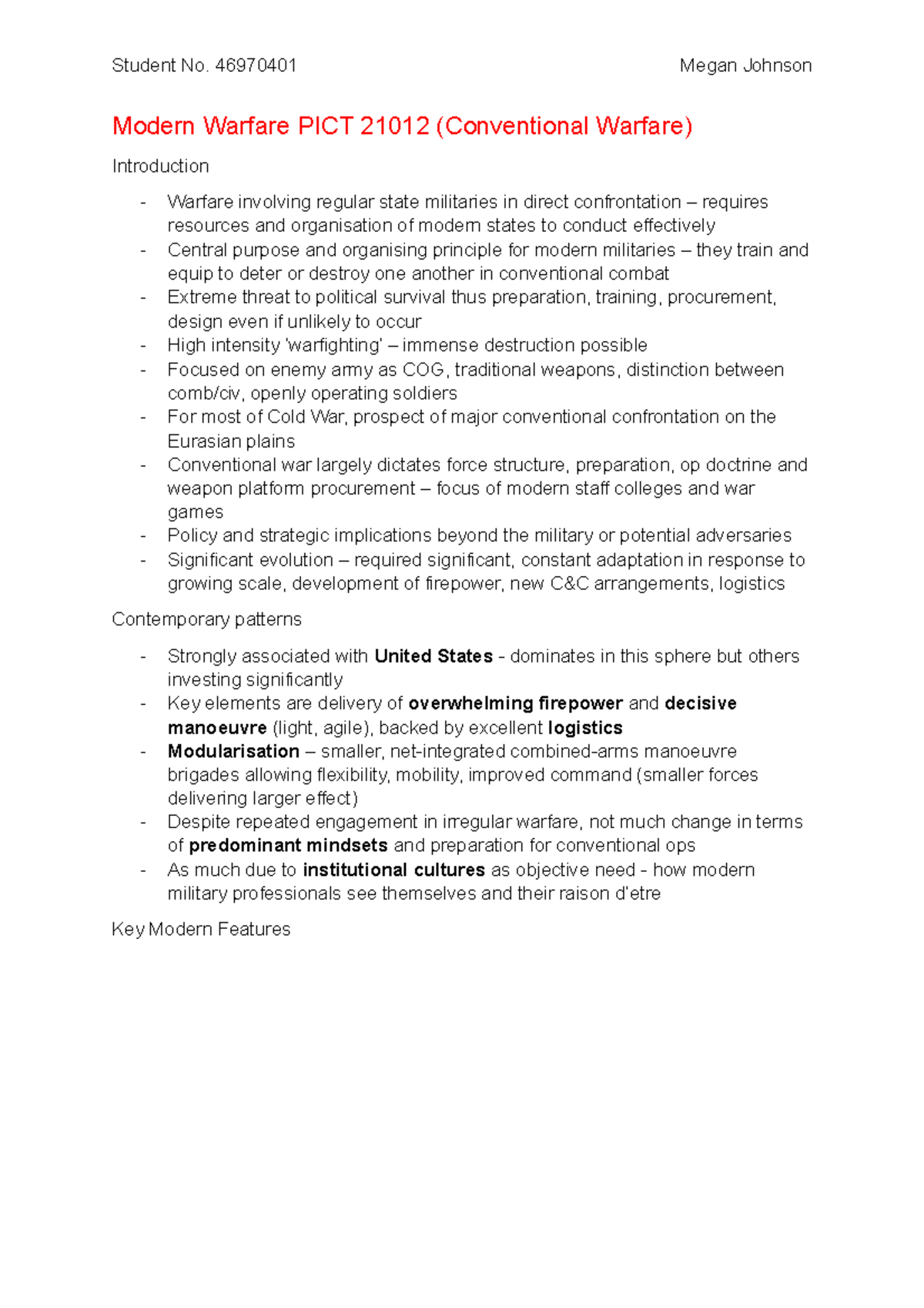
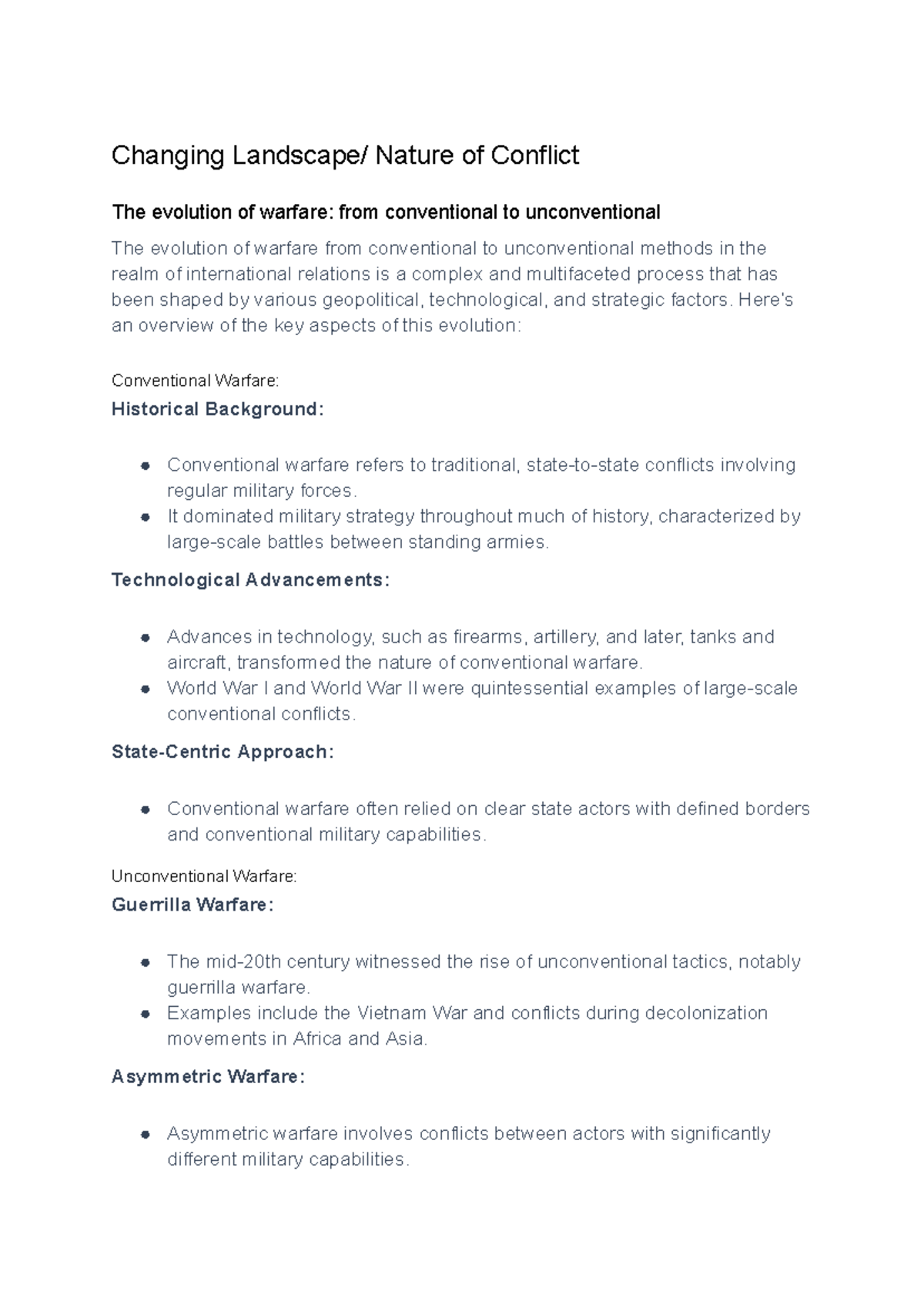
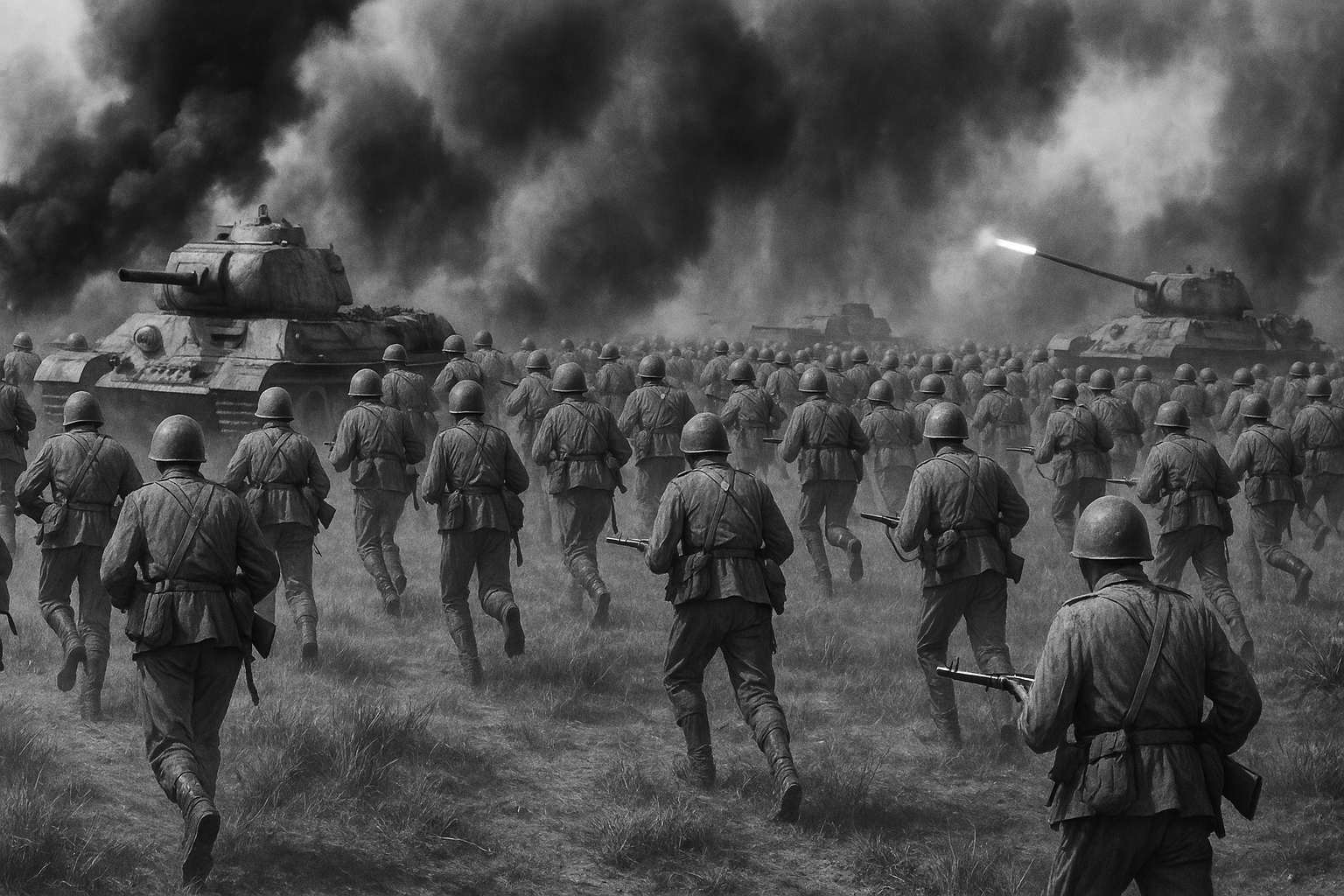
Conventional warfare is a form of armed conflict between organized states or sovereign nations utilizing standard, acknowledged military tactics, recognized combatants, and conventional weaponry—such as firearms, artillery, armored vehicles, and naval or air assets—without the employment of nuclear, biological, or chemical weapons of mass destruction.
Contents
Defining Conventional Warfare in Modern Context
To understand the conventional warfare definition fully, it is necessary to examine how it stands apart from irregular warfare, asymmetric conflicts, and nuclear confrontations. At its core, conventional warfare relies on traditional military doctrines, transparent lines of engagement, and a clear distinction between combatants and non-combatants as codified by international law and the Geneva Conventions.
In military science and international relations, conventional conflict implies a symmetrical or near-symmetrical clash of regular armed forces. Both opposing sides typically wear distinct uniforms, operate under a unified command structure, carry weapons openly, and adhere to the laws of armed conflict. This framework provides predictability regarding how military campaigns are planned, executed, and terminated through formal peace treaties or unconditional surrenders.
While technology and tactical execution have evolved significantly over the centuries—transitioning from massed infantry formations and smoothbore muskets to networked digital command systems, precision-guided munitions, and unmanned aerial systems—the fundamental definition remains anchored in the use of non-mass-destruction physical force to achieve national political and strategic objectives.
Core Characteristics and Operational Principles
Conventional military operations are governed by established doctrines that dictate how forces are mobilized, deployed, and sustained. These characteristics distinguish large-scale state-on-state combat from guerrilla insurgencies, counter-terrorism operations, and hybrid warfare campaigns.
Combatant Status and Uniformity
A defining pillar of conventional military engagements is the presence of lawful combatants. Regular armed forces wear recognizable uniforms, insignia, or distinctive permanent signs that are visible from a distance. They operate under a responsible command that is accountable to a governing authority, allowing adversaries to clearly identify legitimate military targets from civilian populations.
Recognized Weaponry and Tactics
The arsenal of conventional warfare includes kinetic weapons and platforms designed to neutralize enemy combatants and infrastructure without generating catastrophic, indiscriminate environmental fallout. This encompasses:
- Infantry small arms, heavy machine guns, and mortars.
- Armored fighting units, including main battle tanks and infantry fighting vehicles.
- Artillery batteries providing indirect fire support.
- Fixed-wing and rotary aviation assets for air superiority, close air support, and strategic bombing.
- Naval vessels ranging from patrol boats to aircraft carriers and attack submarines.
Adherence to the Laws of Armed Conflict
Conventional military forces are theoretically bound by international humanitarian law, including the Hague and Geneva Conventions. These treaties establish rules regarding the treatment of prisoners of war, the protection of civilians, the prohibition of perfidy, and the avoidance of disproportionate collateral damage, even though violations regrettably occur during active hostilities.
Comparative Overview: Conventional vs. Non-Conventional Warfare
To appreciate the boundaries of conventional military strategy, it is helpful to contrast it with alternative forms of conflict. The table below outlines the primary distinctions between conventional warfare, irregular warfare, and nuclear warfare.
| Attribute | Conventional Warfare | Irregular Warfare | Nuclear Warfare |
|---|---|---|---|
| Primary Combatants | Regular national armed forces | Guerrillas, insurgents, militias | State-run strategic nuclear forces |
| Weaponry | Standard kinetic arms, armor, artillery | Small arms, improvised devices, cyber tools | Atomic, thermonuclear, or radiological weapons |
| Strategic Goal | Territorial conquest, destruction of enemy military | Political exhaustion, regime destabilization | Total annihilation, absolute strategic deterrence |
| Governance | Strict adherence to international laws of war | Often clandestine, asymmetric, disregard for rules | Governed by strict international deterrence treaties |
| Environment | Defined frontlines, maritime zones, airspace | Decentralized, urban, or rural guerrilla zones | Global scale, widespread radioactive contamination |
Evolution of Conventional Combat Doctrine
Military doctrine regarding conventional engagements has undergone radical transformations. In the 19th and early 20th centuries, conventional warfare often emphasized mass mobilization, attrition, and heavily fortified trench systems, as seen during the First World War.
By the mid-20th century, the introduction of mechanized infantry, rapid armored breakthroughs, and integrated air support gave rise to doctrines of maneuver warfare, famously demonstrated during the Second World War. Combat commanders sought to bypass strongpoints, encircle opposing forces, and disrupt command and control nodes rather than engaging in grinding frontal assaults.
In the contemporary era, conventional warfare has integrated advanced electronics, satellite communications, and network-centric operations. Modern conventional forces utilize real-time intelligence feeds, cyber capabilities to disrupt logistics, and precision-guided munitions to minimize friendly casualties while maximizing strategic destruction. Despite these high-tech advancements, the fundamental requirement to seize and hold physical terrain with boots on the ground remains unchanged.
Strategic Limitations and Escalation Dynamics
While conventional warfare provides a structured framework for resolving geopolitical disputes, it carries immense economic, human, and material costs. Modern industrialized states require vast financial resources, robust supply chains, and uninterrupted industrial production to sustain high-intensity conventional operations.
Furthermore, a critical dynamic in modern military planning is the risk of escalation. If a nuclear-armed state faces an existential defeat in a conventional conflict, theoretical and actual doctrine may permit the escalation from conventional weapons to tactical or strategic nuclear weapons. Consequently, military strategists and political leaders must carefully calibrate the scope, intensity, and geographic boundaries of conventional campaigns to prevent inadvertent escalation into global thermonuclear war.
Frequently Asked Questions
What is the main difference between conventional and unconventional warfare?
Conventional warfare utilizes recognized, uniformed national military forces fighting with standard kinetic weapons under established rules of engagement and international law. Unconventional warfare relies on guerrilla tactics, insurgency, subversion, special operations forces, and asymmetric methods designed to undermine an adversary through indirect means.
Does conventional warfare include cyber attacks?
Cyber operations frequently support conventional military campaigns by disrupting enemy command, control, communications, computers, intelligence, surveillance, and reconnaissance (C4ISR) systems. However, cyber warfare alone is generally classified as a distinct domain of hybrid or gray-zone conflict unless it is directly integrated into kinetic combat operations.
Are chemical and biological weapons considered conventional?
No. Chemical, biological, radiological, and nuclear (CBRN) weapons are classified as weapons of mass destruction (WMD). Their use violates major international treaties and humanitarian conventions, separating them entirely from conventional military arsenals.
Why do nations still engage in conventional warfare?
Despite the development of nuclear deterrents and economic sanctions, nations sometimes resort to conventional military force to resolve territorial disputes, protect national sovereignty, deter aggressive expansions, or respond to direct armed aggression when diplomatic channels fail.
How does international law regulate conventional warfare?
International humanitarian law, primarily codified in the Geneva Conventions and various protocols, regulates conventional warfare by establishing protections for prisoners of war, the wounded, and civilians. It also prohibits weapons that cause superfluous injury or unnecessary suffering.
Practical Strategic Recommendations
For researchers, defense analysts, and policymakers studying global security, maintaining a precise understanding of conventional warfare is essential for evaluating defense budgets, force structures, and geopolitical stability. Analysts should routinely monitor updates to national defense white papers, military doctrine publications from recognized defense institutes, and reports from bodies such as the International Committee of the Red Cross to track how the norms and execution of state-on-state combat continue to evolve.
Image Gallery