How Peer-to-Peer Lending Shapes Modern Borrowing Through Personal Loans
Peer-to-peer (P2P) lending fundamentally transforms personal borrowing by bypassing traditional banking intermediaries, connecting creditworthy borrowers directly with individual or institutional investors via online digital platforms...
Peer-to-peer (P2P) lending fundamentally transforms personal borrowing by bypassing traditional banking intermediaries, connecting creditworthy borrowers directly with individual or institutional investors via online digital platforms to fund loans.
Contents
The financial landscape has undergone a dramatic shift over the past two decades. For generations, obtaining a personal loan meant navigating the rigid bureaucratic walls of traditional financial institutions such as commercial banks and credit unions. Borrowers faced stringent approval criteria, lengthy processing times, and opaque fee structures. The emergence of peer-to-peer (P2P) lending—often referred to as marketplace lending—disrupted this traditional model. By leveraging advanced financial technology, P2P platforms have redefined how risk is assessed, how capital is allocated, and how consumers access personal loans. Understanding this ecosystem requires examining the mechanics of marketplace lending, its impact on borrowing behavior, and the distinct advantages and challenges it presents in the modern economy.
The Mechanics of Peer-to-Peer Lending Platforms
Peer-to-peer lending operates on a digital marketplace model where online platforms connect individuals seeking personal loans directly with investors willing to fund them. Unlike traditional banking, where a bank takes deposits and lends out its own balance-sheet capital, a P2P platform acts primarily as an intermediary and technology facilitator.
The operational workflow of a typical P2P personal loan involves several key stages:
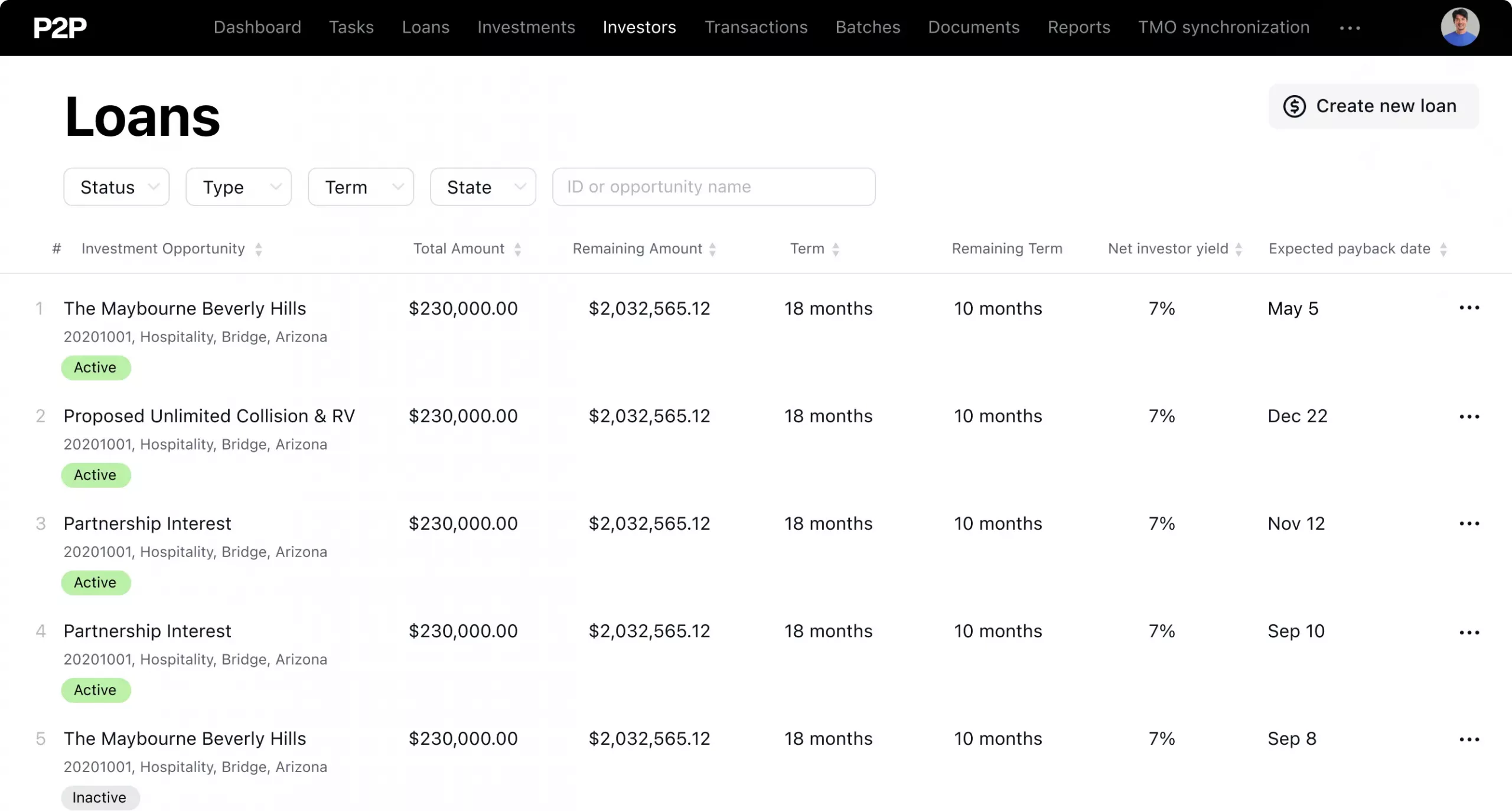
- Application and Data Intake: A prospective borrower submits an online application detailing their loan amount, purpose (such as debt consolidation, home improvement, or medical expenses), and financial background.
- Credit Assessment and Risk Pricing: The platform utilizes proprietary algorithms, alternative data points, and traditional credit bureau scores to assess the borrower's creditworthiness. Based on this risk analysis, the borrower is assigned a specific credit grade and interest rate.
- Listing and Funding: The loan request is listed on the platform's marketplace (often anonymized). Individual or institutional investors review these listings, selecting loans that match their risk-return preferences, and fund either the entirety or portions of the loan request.
- Loan Servicing: Once fully funded, the loan is issued, and the platform (or a partner servicing bank) manages monthly repayments, distributing principal and interest payments back to the respective investors minus a platform service fee.
This streamlined digital infrastructure removes much of the physical overhead associated with brick-and-mortar banking, allowing platforms to operate efficiently. However, borrowers must still meet baseline eligibility criteria, including verifiable income, a debt-to-income (DTI) ratio within acceptable limits, and a satisfactory credit history.
How P2P Lending Reshapes the Borrowing Experience
The introduction of marketplace lending has altered consumer expectations regarding credit access, speed, and transparency. Traditional banks often rely on standardized, rigid scoring models that can penalize applicants who fall outside conventional profiles. P2P lending shapes modern borrowing in several distinct ways:
Enhanced Access and Speed
Traditional bank loans can take weeks from application to disbursement, requiring physical paperwork and in-person visits. P2P platforms streamline this through instant online pre-qualification, automated document verification, and rapid electronic fund transfers. For borrowers needing quick debt consolidation or emergency funds, this speed is a major operational advantage.
Granular Risk Pricing and Tailored Rates
P2P platforms typically offer a wider spectrum of risk grades than traditional banks. While a traditional bank might have a binary approach (approve or deny) or a narrow set of tier rates, P2P algorithms parse finer risk nuances. Borrowers with good-to-excellent credit frequently find competitive interest rates that rival or beat traditional bank personal loans, while riskier borrowers may still secure funding—albeit at higher rates that reflect their statistical default probability.
Transparency and Alternative Data Integration
Many modern P2P lenders evaluate credit using more than just standard FICO scores. They may analyze cash-flow data, educational background, and employment history. This holistic view benefits thin-file borrowers or self-employed individuals who struggle to secure financing through legacy banking channels. Furthermore, upfront fee disclosures are typically clear, showing origination fees deducted directly from loan proceeds.
| Feature | Traditional Bank Personal Loans | Peer-to-Peer (P2P) Personal Loans |
|---|---|---|
| Funding Source | Bank deposits and internal capital | Individual and institutional investors via digital marketplace |
| Application Process | Often requires branch visits, paper documents, and manual underwriting | Fully digital, automated application, rapid pre-qualification |
| Underwriting Criteria | Heavily reliant on traditional credit scores and strict banking policies | Algorithms using credit scores, cash-flow analysis, and alternative data |
| Processing Speed | Several days to multiple weeks | Often funded within days of approval and listing |
| Fee Structure | Application fees, maintenance fees, prepayment penalties (varies) | Origination fees (deducted from proceeds), late fees; rarely prepayment penalties |
Advantages of Choosing a P2P Personal Loan
For qualified consumers, peer-to-peer lending offers tangible benefits that make it an attractive alternative to credit cards and bank loans.
Debt consolidation remains one of the primary use cases for P2P personal loans. Consumers struggling with high-interest revolving debt, such as credit cards carrying annual percentage rates (APRs) upwards of 20% to 30%, can use a fixed-rate P2P personal loan to consolidate multiple balances into a single monthly payment with a lower fixed interest rate. This structured payoff schedule helps borrowers escape the revolving debt trap.
Additionally, P2P loans generally feature fixed interest rates and predictable monthly amortization schedules over terms typically ranging from three to five years. Unlike variable-rate credit cards, fixed rates protect borrowers from macroeconomic interest rate hikes. Furthermore, most reputable P2P platforms do not charge prepayment penalties, giving borrowers the financial flexibility to pay off their loans early and save on total interest costs without incurring punitive fees.
Risks, Limitations, and Considerations
While P2P lending offers significant advantages, it is not without drawbacks. Borrowers must evaluate potential pitfalls before committing to a marketplace loan.
- Origination Fees: P2P platforms frequently charge an origination fee—ranging anywhere from 1% to 8% of the total loan amount—which is deducted upfront from the disbursed funds. Borrowers must calculate this fee into the net amount they actually receive.
- Interest Rates for Lower Tiers: While prime borrowers secure low rates, applicants with fair or poor credit will face steep interest rates and high origination fees, sometimes making P2P loans prohibitively expensive compared to secured borrowing alternatives.
- Regulatory and Economic Vulnerability: P2P platforms are subject to changing federal and state lending regulations, securities laws, and macroeconomic cycles. Economic downturns can impact investor capital availability, potentially altering platform funding dynamics and loan availability.
Disclaimer: Financial regulations, lending criteria, and platform availability vary significantly by jurisdiction. Borrowers should review all loan terms, disclosed APRs, and fee schedules carefully, and consult with a licensed financial advisor if necessary before taking on new debt.
Frequently Asked Questions About P2P Personal Loans
What is the primary difference between a bank loan and a P2P loan?
The primary difference lies in the funding source and the application structure. Bank loans are funded directly from the institution's balance sheet using customer deposits, whereas P2P loans are funded by individual or institutional investors through an online matching platform. P2P platforms also tend to feature fully digital underwriting processes and alternative risk-assessment models.
Can I qualify for a P2P personal loan with bad credit?
Some P2P platforms cater to borrowers with fair or subprime credit, but approval is not guaranteed. Borrowers with lower credit scores will typically face significantly higher interest rates and higher platform origination fees. In some cases, a co-signer or secured loan alternative may offer better financial terms.
Are there prepayment penalties on P2P personal loans?
Most major peer-to-peer lending platforms do not charge prepayment penalties. This allows borrowers to make extra principal payments or pay off the entire loan balance early without incurring additional fees, reducing the overall cost of borrowing.
How are P2P loan interest rates determined?
Interest rates are determined by algorithmic risk-tiering. Platforms evaluate your credit score, employment history, income, debt-to-income ratio, and sometimes alternative financial data. Based on this comprehensive risk profile, you are assigned a credit grade that dictates your fixed interest rate.
How long does it take to receive funds from a P2P loan?
Once your loan application is verified, approved, and listed on the marketplace, the funding timeline depends on investor participation. Fully funded loans are typically processed and disbursed via direct deposit into your bank account within one to several business days.
Conclusion and Next Actions
Peer-to-peer lending has permanently evolved the personal loan market by introducing digital efficiency, alternative risk assessment, and transparent marketplace dynamics to borrowing. For consumers seeking debt consolidation or capital for major expenses, P2P loans provide a viable, competitive alternative to traditional banking.
To take the next step, check your credit report to ensure accuracy, shop around across multiple reputable P2P platforms to compare pre-qualified rates without impacting your credit score, and carefully calculate total loan costs—including origination fees—before signing any loan agreement.
Image Gallery