Current Developments and Socio-Economic Landscape in El Salvador (2026)
As of 2026, El Salvador remains defined by its aggressive security policies, the integration of Bitcoin as legal tender within its national financial infrastructure, and ongoing efforts to diversify its economy through tourism and tech...
As of 2026, El Salvador remains defined by its aggressive security policies, the integration of Bitcoin as legal tender within its national financial infrastructure, and ongoing efforts to diversify its economy through tourism and technological investment. The country operates under a state of exception that has significantly altered its domestic security landscape, while its government continues to promote a model of centralized digital transformation and infrastructure development aimed at attracting foreign capital.
Contents
The Security Landscape: The State of Exception
The primary driver of domestic policy in El Salvador since 2022 has been the "régimen de excepción" (state of exception). This policy was initially enacted to combat high levels of gang violence, specifically targeting organizations like MS-13 and Barrio 18. By 2026, this measure remains in effect, granting the government expanded powers regarding detentions and judicial processes.
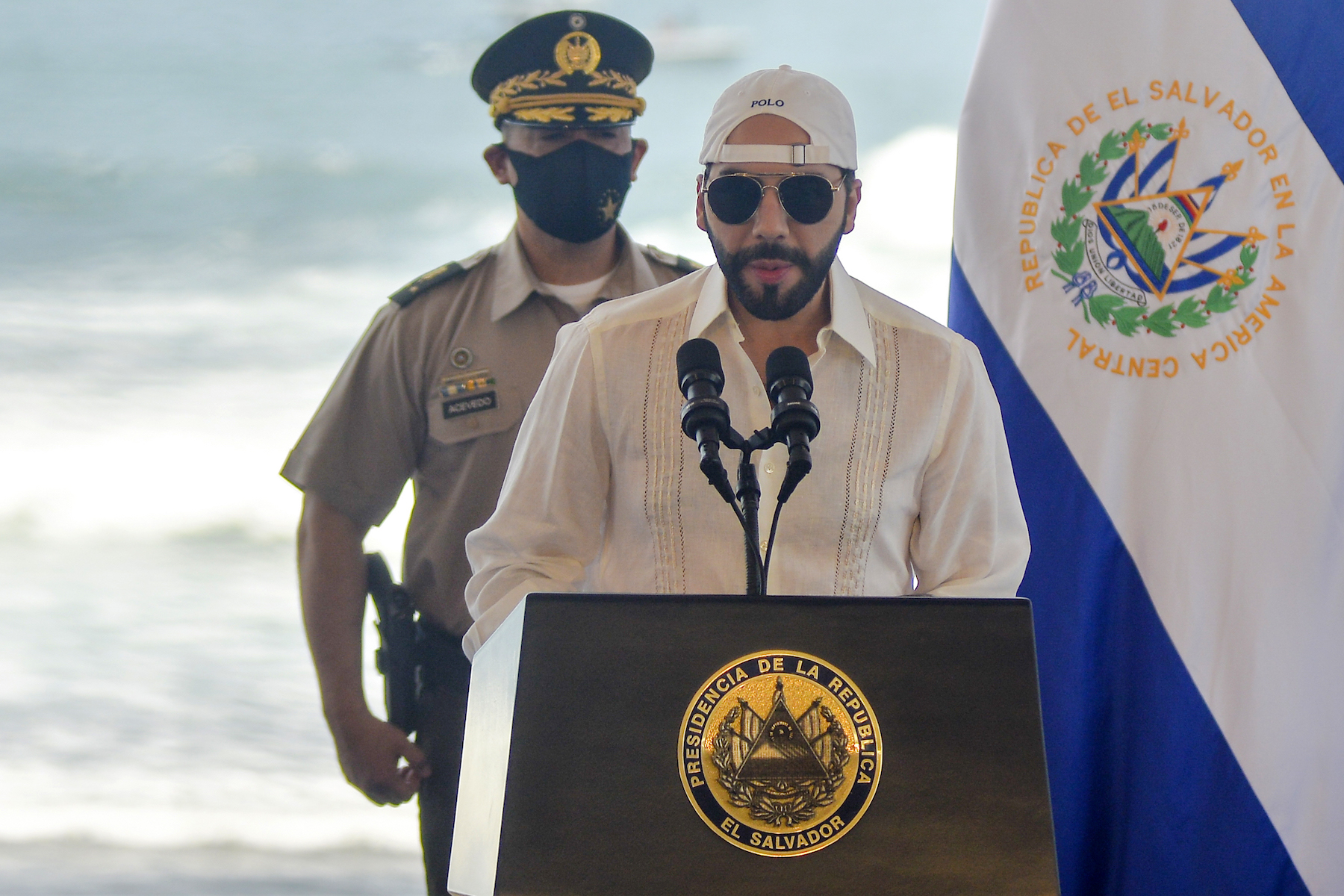
The administration of President Nayib Bukele attributes the sharp decline in national homicide rates directly to these measures. Supporters highlight the transformation of public spaces, noting that neighborhoods previously under total gang control are now accessible. Critics and international human rights organizations, however, have raised concerns regarding due process, prison conditions, and the potential for civil liberty infringements. For residents and visitors, this translates into a heightened police and military presence in urban centers, which has become the standard operational environment for the country.
Financial Policy: Bitcoin and National Digital Infrastructure
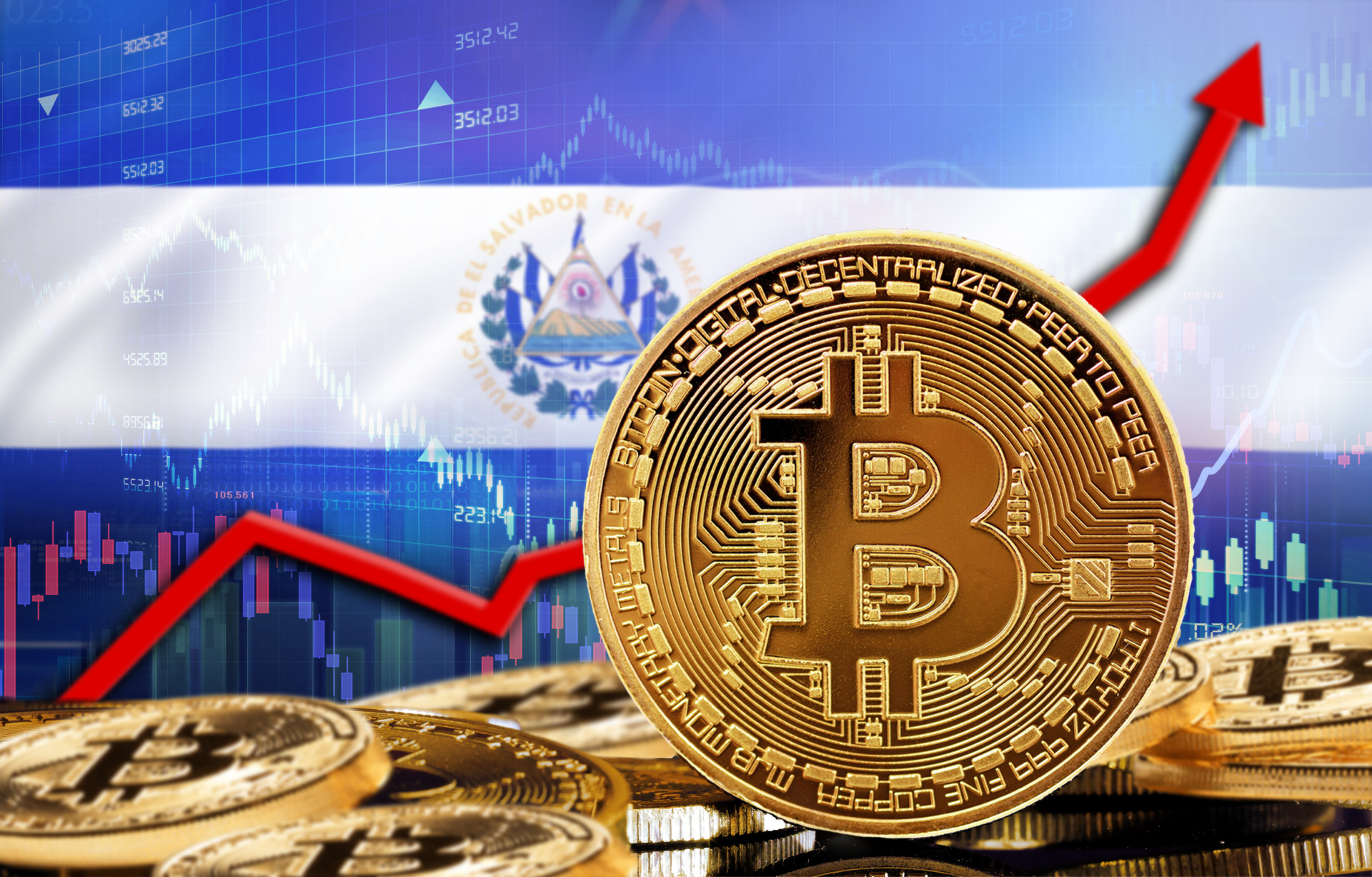
El Salvador made global headlines in 2021 by becoming the first country to adopt Bitcoin as legal tender alongside the U.S. Dollar. In 2026, the strategy has moved beyond initial adoption into a phase of maintenance and integration. The government-backed "Chivo" digital wallet remains a core component of this strategy, intended to facilitate remittances—which comprise a significant portion of the country’s GDP—without the high transaction costs typically associated with traditional wire transfers.
The government’s broader strategy involves:
- The Bitcoin Office (ONBTC): A specialized government entity that manages the nation’s Bitcoin portfolio and oversees projects related to cryptocurrency regulation.
- Energy Mining: Efforts to leverage El Salvador’s geothermal resources to power Bitcoin mining operations, aimed at creating a self-sustaining digital energy economy.
- Regulatory Sandboxes: The establishment of the National Digital Assets Commission (CNAD) to provide a legal framework for the issuance of digital assets, including the "Volcano Bond," aimed at funding infrastructure and sovereign debt management.
While everyday retail adoption of Bitcoin remains mixed, the government continues to prioritize it as a pillar for long-term fiscal branding and as a mechanism to attract international tech investors interested in Web3 and blockchain development.
Economic Diversification and Tourism
The government has pivoted significantly toward tourism as a primary engine for GDP growth. Projects such as "Surf City," located along the Pacific coastline, serve as a flagship model for this initiative. By improving coastal infrastructure and promoting El Salvador as a premier destination for international surfing competitions, the administration has successfully increased tourism numbers compared to the pre-2022 period.
Infrastructure development is not limited to tourism. Large-scale public works projects, including the modernization of transport corridors and the expansion of the Port of La Unión, are central to the 2026 economic agenda. These projects are largely designed to position El Salvador as a logistical hub for the Central American region.
Comparative Economic and Social Indicators
The following table outlines the areas of focus for the current administration as of 2026.
| Sector | Focus Area | 2026 Strategic Objective |
|---|---|---|
| Security | State of Exception | Maintaining low homicide rates and administrative control. |
| Finance | Cryptocurrency | Integrating Bitcoin into the formal fiscal and banking system. |
| Tourism | Surf City / Coastal | Boosting foreign exchange through targeted luxury and adventure tourism. |
| Logistics | Port Infrastructure | Facilitating trade through maritime and regional connectivity. |
| Governance | Digital Transformation | Centralizing citizen services via government-issued digital identity. |
Practical Considerations for Visitors and Investors
For those traveling to or considering investment in El Salvador, it is essential to distinguish between the country's public branding and the practical requirements of daily operation.
Travel Requirements
Entry into El Salvador is generally straightforward for citizens of many countries, with visa-free entry available for tourism purposes. However, visitors should remain aware that the state of exception allows for the suspension of certain constitutional rights. While tourist areas are heavily patrolled and considered safe, it is advisable to maintain a high level of situational awareness.
Investment Climate
Investors should be aware of the "Ley de Fomento a la Innovación y Manufactura Tecnológica" (Law for the Promotion of Innovation and Technological Manufacturing). This legislation provides significant tax incentives for companies involved in software development, AI, and cybersecurity. However, potential investors should consult with legal counsel regarding the regulatory environment, as the intersection of traditional banking and the government’s crypto-forward policy remains a complex area for corporate compliance.
Challenges and Future Outlook
As of 2026, the challenges facing El Salvador are multifaceted. The fiscal sustainability of the state's investment in Bitcoin remains a subject of ongoing scrutiny from international financial institutions. Additionally, the long-term social impact of the state of exception—particularly regarding the judicial system's capacity to handle a high volume of cases—remains a critical point of internal and external debate.
The government continues to focus on "Plan Control Territorial," which is the overarching strategy for national security. Future progress will likely be measured by the administration's ability to transition from emergency-based security measures to a more traditional, stable legal framework while maintaining the economic growth generated by its current tourism and tech-sector incentives.
Frequently Asked Questions
Is it safe to travel to El Salvador in 2026?
Official travel advisories generally suggest that tourists exercise increased caution. While popular destinations like the "Surf City" corridor and Santa Ana are heavily monitored by security forces and are considered safer than in previous years, visitors should adhere to local laws and avoid areas where criminal activity may still be present.
How does Bitcoin work for daily purchases in El Salvador?
While Bitcoin is legal tender, many vendors still prefer the U.S. Dollar. In most urban centers and tourist hubs, you can pay with Bitcoin via the Chivo wallet or other Lightning Network-compatible wallets, but it is highly recommended to carry USD cash for smaller, local transactions.
What is the status of the state of exception?
The state of exception is a temporary legal framework that has been extended multiple times since its inception. It suspends specific constitutional rights, such as the right to legal counsel during initial detention and the duration of administrative detention. It is currently the primary instrument for national security policy.
Are there tax incentives for tech companies?
Yes, under current legislation, companies establishing operations in technology and innovation sectors can qualify for exemptions on income tax, municipal taxes, and import duties on equipment necessary for their operations, provided they meet specific local investment and hiring criteria.
What is the most important legal requirement for foreigners?
Foreigners should always carry valid identification, such as a passport or a copy of their entry stamp. If you are staying long-term, ensure your visa status is current with the Dirección General de Migración y Extranjería to avoid administrative penalties.
Next Steps for Stakeholders
If you are considering a visit, prioritize booking accommodations within established tourism corridors and check your home country’s embassy guidance for the latest updates on regional travel alerts. For those looking at business opportunities, prioritize a comprehensive review of the current tax legislation and coordinate with local legal counsel in San Salvador to ensure full compliance with the evolving digital asset regulations.
Image Gallery