Understanding the Marilyn Monroe Dress Damage Issue: Preservation vs. Pop Culture
The Marilyn Monroe dress damage issue refers to the controversial 2022 decision by Ripley’s Believe It or Not! to allow Kim Kardashian to wear the "Happy Birthday, Mr. President" gown to the Met Gala. Substantial evidence, including ph...
The Marilyn Monroe dress damage issue refers to the controversial 2022 decision by Ripley’s Believe It or Not! to allow Kim Kardashian to wear the "Happy Birthday, Mr. President" gown to the Met Gala. Substantial evidence, including photographic comparisons and conservationist reports, suggests the 60-year-old souffle silk suffered permanent structural stretching and crystal loss due to the stresses of the event.
Contents
The Historical Significance of the Jean Louis Original
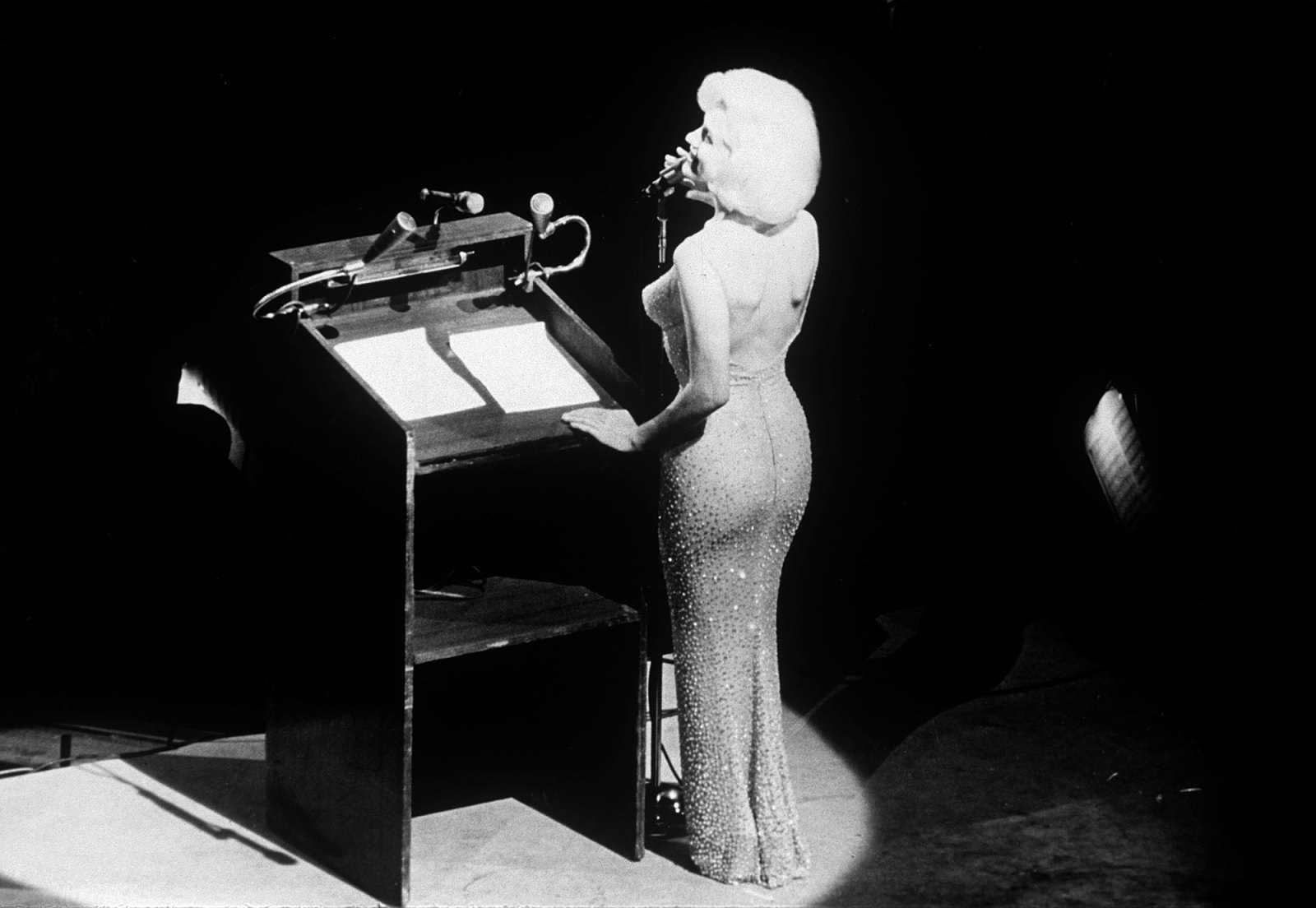
To understand why the damage to this specific garment caused a global outcry, one must first grasp its unique place in both fashion history and political lore. The dress was designed by the renowned Hollywood costumer Jean Louis, based on an initial sketch by a young Bob Mackie. It was commissioned specifically for Marilyn Monroe’s performance at President John F. Kennedy’s 45th birthday celebration at Madison Square Garden on May 19, 1962.
The garment was an engineering marvel of its time. Constructed from a sheer, flesh-colored fabric known as souffle silk (or marquisette), it was designed to give the illusion that Monroe was nude, shimmering only with the light of 2,500 hand-sewn crystals. The dress was so tight that Monroe reportedly had to be sewn into it moments before taking the stage. This "second skin" effect was a precursor to modern "naked dress" trends, making it a foundational artifact in the history of celebrity branding and haute couture.
Beyond its aesthetic value, the dress is a primary source of 20th-century history. It represents the intersection of the Hollywood Golden Age and the Camelot era of American politics. When Ripley’s Believe It or Not! purchased the dress at auction in 2016 for a record-breaking $4.8 million, it became the most expensive dress ever sold, transitioning from a piece of memorabilia to a high-value museum artifact.
Chronology of the 2022 Met Gala Incident
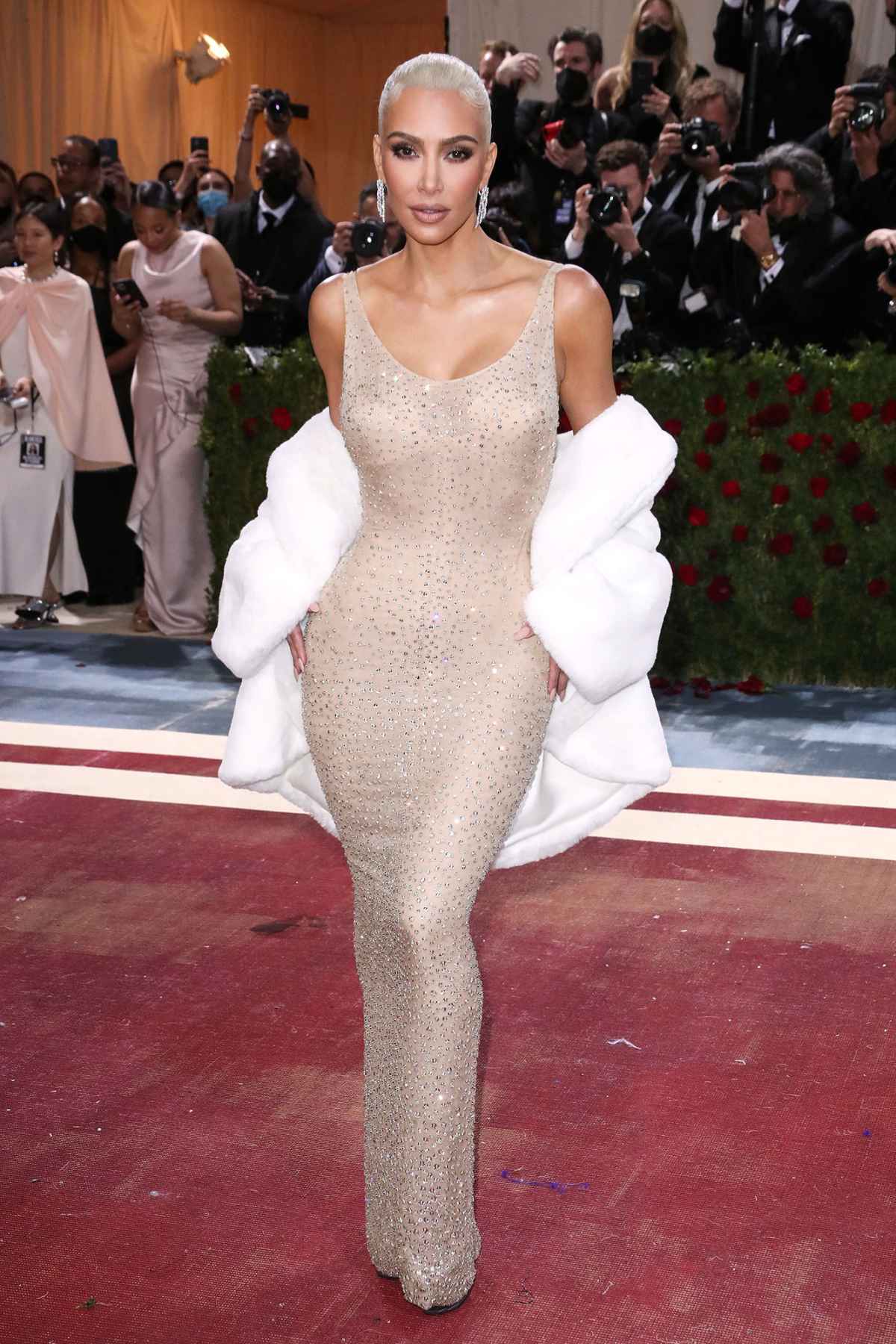
The controversy began in May 2022, when Kim Kardashian arrived at the Met Gala—an event themed "Gilded Glamour"—wearing the original gown. The process of securing the loan from Ripley's involved multiple fittings and a highly publicized weight-loss regimen by Kardashian to fit into the garment, which could not be altered due to its historical status.
While Kardashian only wore the original dress for the red carpet walk (approximately 5 to 10 minutes) before changing into a replica for the dinner, conservationists argued that even this brief duration was catastrophic. The physical act of pulling the garment over a body that did not share Monroe’s exact proportions, combined with the heat and friction of movement, posed an immediate threat to the aging silk fibers.
The backlash was swift within the archival community. The International Council of Museums (ICOM) and other professional bodies issued statements reiterating that historic garments should never be worn by anyone, regardless of their status. The primary concern was that the "precedent" set by Ripley’s prioritized social media engagement over the long-term survival of a delicate textile.
Assessing the Damage: Evidence and Expert Observations
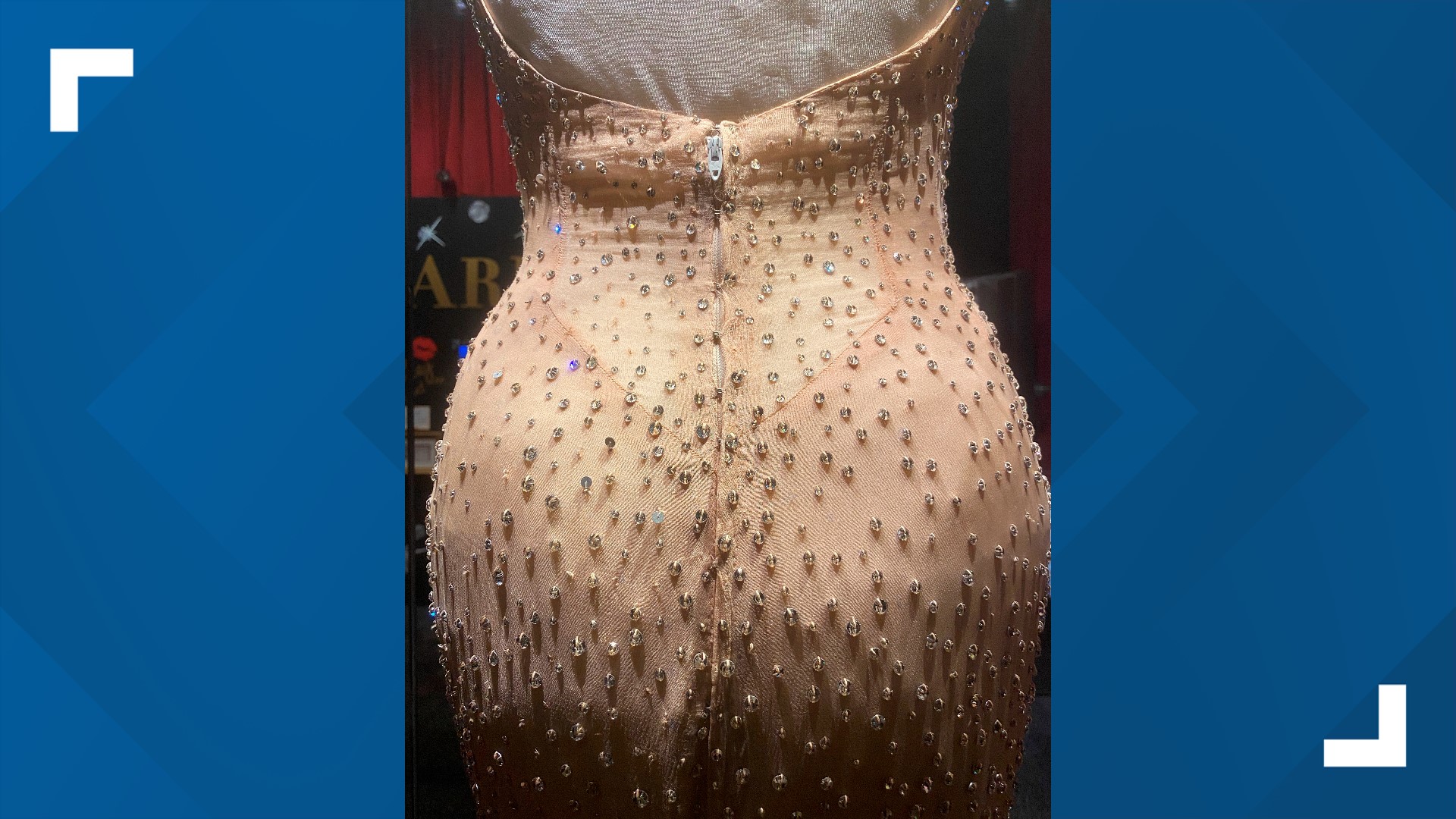
Following the Met Gala, Monroe collector Scott Fortner released side-by-side photographs of the dress taken before and after the event. These images, which quickly went viral, highlighted several areas of concern that characterize the "damage issue."
Stretched Seams and Fabric Fatigue
The most visible damage occurred along the back zipper. Souffle silk is a fine, mesh-like weave that loses its elasticity over time. Photos showed that the fabric near the closure had been pulled to the point of "running," similar to a snag in a pair of nylon stockings. Because the silk was already 60 years old in 2022, it had become brittle. The mechanical stress of fastening the dress over a modern silhouette caused the weave to separate, a condition that is often irreparable in textile conservation.
Loss of Crystals and Threading
Several crystals were missing or hanging by a single thread in the "after" photos. The original threads used to secure the 2,500 beads had naturally weakened over six decades. The movement involved in walking up the Metropolitan Museum of Art’s stairs—even with assistance—was enough to snap these fragile connections.
Chemical Contamination
While not visible to the naked eye, the presence of perfumes, skin oils, and sweat constitutes a form of chemical damage. Modern skincare products and self-tanners can cause pH shifts in silk, leading to accelerated yellowing or "shattering" of the fibers. Even though Kardashian stated she did not wear traditional body makeup for the event, conservationists noted that human sebum (natural skin oil) is enough to begin the degradation process of vintage silk.
The Science of Textile Decay: Why Historical Garments Fail
Understanding the damage requires a look at the molecular level of the fabric. Silk is a protein fiber (fibroin). As it ages, it undergoes a process called oxidative degradation.
- Loss of Tensile Strength: Over 60 years, exposure to light, oxygen, and fluctuating humidity makes the fibers lose their ability to stretch. In 1962, the dress was "tight but pliable." By 2022, it was "tight and brittle."
- Gravity and Weight: The weight of 2,500 crystals creates a constant downward pull. When a garment is displayed on a custom-fitted, acid-free mannequin, this weight is distributed safely. When worn, the weight shifts dynamically, putting immense pressure on the shoulder straps and the waistline.
- Thermal Expansion: Human body heat causes fibers to expand. When the garment cools back down, the fibers may not return to their original configuration, resulting in the "puckering" seen in the post-Met Gala photos.
The consensus among experts at the Costume Institute is that historical garments are effectively "dead" objects that must be kept in a controlled environment (50% relative humidity, 68°F) to slow their inevitable decay. Wearing them is equivalent to "animating a corpse," which forces the materials to perform functions they are no longer capable of.
The Role of Ripley’s and Archival Ethics
The controversy sparked a debate over the responsibilities of private collectors versus public museums. Ripley’s Believe It or Not! is a for-profit "Odditorium," not an accredited museum. Therefore, they are not strictly bound by the same ethical codes as the Smithsonian or the Victoria and Albert Museum.
However, because Ripley's markets itself as a steward of history, the public and the professional community held them to a higher standard. Ripley’s issued a statement in June 2022 denying that Kardashian had caused "permanent" damage, claiming a report from early 2017 already noted pulled seams. Critics countered that if the dress was already fragile in 2017, it was even more negligent to allow it to be worn in 2022.
Comparison of Garment Status Over Time
| Period | Ownership / Status | Condition Notes | Primary Threat |
|---|---|---|---|
| 1962 | Marilyn Monroe | Pristine, flexible souffle silk | Immediate physical use |
| 1999 | Christie’s Auction | Minimal aging; some crystal loosening | Light exposure during display |
| 2016 | Julien’s / Ripley's | Brittle silk; museum-grade storage required | Long-term fiber oxidation |
| 2022 | Met Gala Appearance | Observed seam stretching; missing beads | Mechanical stress & body heat |
| 2026 | Current Status | Permanent "retired" display only | Irreversible structural damage |
Lessons Learned for Fashion Preservation in 2026
As of 2026, the Marilyn Monroe dress damage issue has become a landmark case study in textile conservation programs worldwide. It has led to several industry-wide changes:
- Stricter Loan Agreements: Many private collections have adopted "No-Wear" policies modeled after the ICOM standards, ensuring that high-value historical items are never used for promotional events.
- The Rise of High-Fidelity Replicas: The incident proved that even the best "fit" cannot overcome the physics of aging fabric. In response, designers have turned toward "digital twins" and museum-quality physical replicas that use modern materials to mimic the look of the original without risking the artifact.
- Public Education: The controversy successfully raised public awareness about the fragility of fashion. People now understand that a dress is not just a piece of clothing but a structural object prone to the same decay as a 200-year-old painting.
For collectors and historians, the 2022 event serves as a cautionary tale. The short-term gain in social media impressions and "cultural relevance" resulted in a permanent loss of structural integrity for one of the most famous garments in American history.
Frequently Asked Questions
Was the dress actually ruined after the Met Gala?
While "ruined" is subjective, the dress suffered permanent structural damage. Textile experts noted "shattered" silk fibers and stretched seams that cannot be returned to their original state. While the dress still looks like the original from a distance, its archival value and physical integrity have been measurably compromised.
Why didn't Kim Kardashian just wear a replica from the start?
Kardashian did wear a replica for the majority of the evening. However, she expressed a desire to wear the "real" artifact for the red carpet entrance to capture the historical weight of the moment. The decision was driven by the quest for "authenticity" in fashion storytelling, which unfortunately conflicted with the physical realities of garment preservation.
Who is responsible for the upkeep of the dress now?
The dress remains the property of Ripley’s Believe It or Not!. Since the 2022 incident, the garment has been stored in a climate-controlled vault in Orlando, Florida, and is occasionally displayed under strict lighting and humidity controls. It is no longer available for loan or public handling.
Can the damage to the souffle silk be repaired?
Textile conservation is different from modern tailoring. While a conservator can "stabilize" the garment using fine silk overlays or archival stitching to prevent further tearing, they cannot "fix" the stretched fibers. The damage is considered a permanent part of the object's history, often referred to as "interventional trauma" in museum records.
Did the designer Bob Mackie comment on the issue?
Yes, Bob Mackie, who drew the original sketch for Jean Louis in 1962, called the decision to wear the dress a "big mistake." He emphasized that the dress was designed specifically for Marilyn Monroe and that "nobody else should be seen in that dress."
Practical Recommendation for Fashion Historians and Collectors
When dealing with garments older than 50 years, the primary goal must be preventive conservation. If you own or manage a historical textile, avoid all physical handling without archival gloves and never attempt to fit the garment onto a modern body or a standard retail mannequin. Use custom-made, acid-free forms that support the specific weight distribution of the piece. For those wishing to celebrate a historical look, the most ethical and sustainable path is the creation of a bespoke replica, which allows for modern movement and photography without endangering the original artifact.
Image Gallery