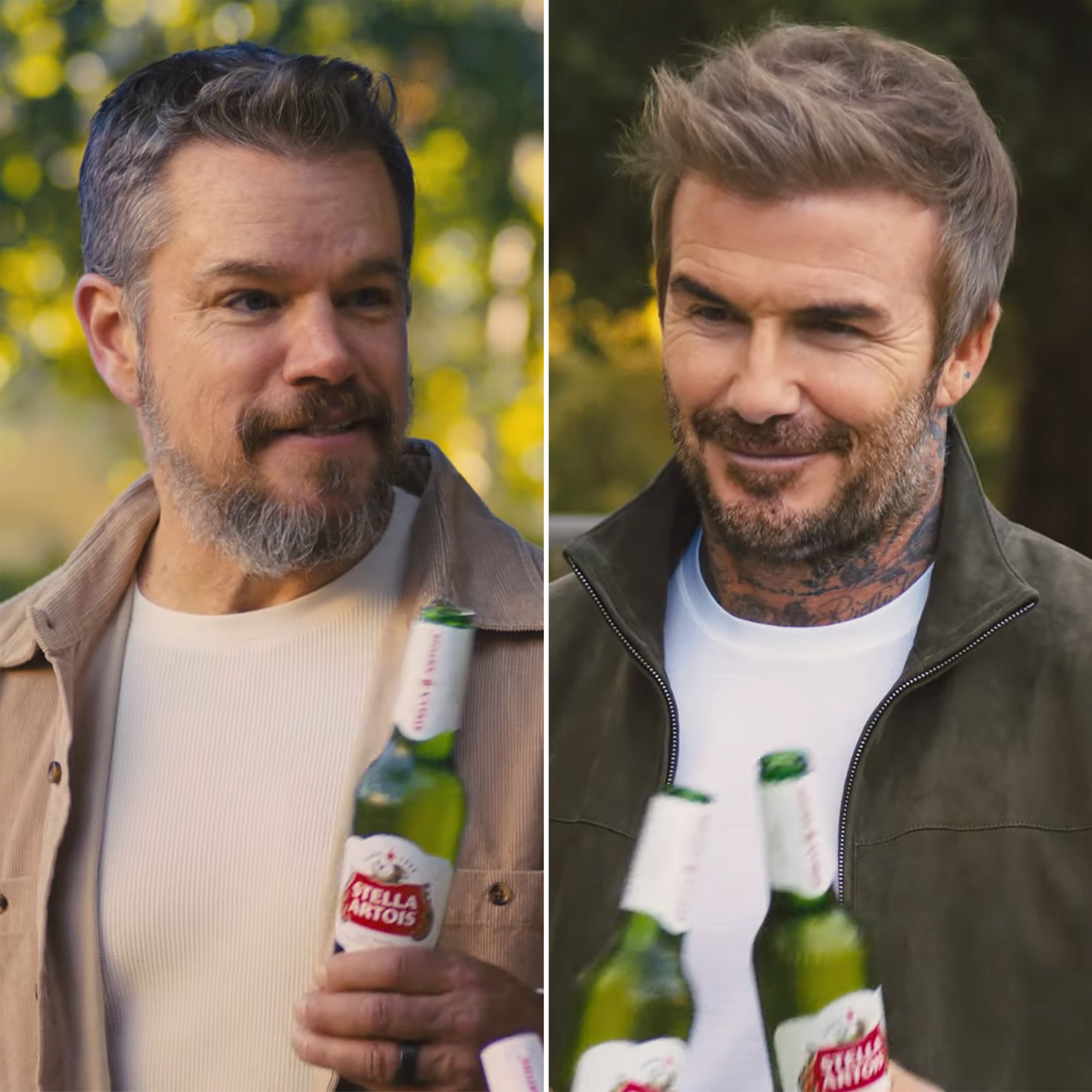
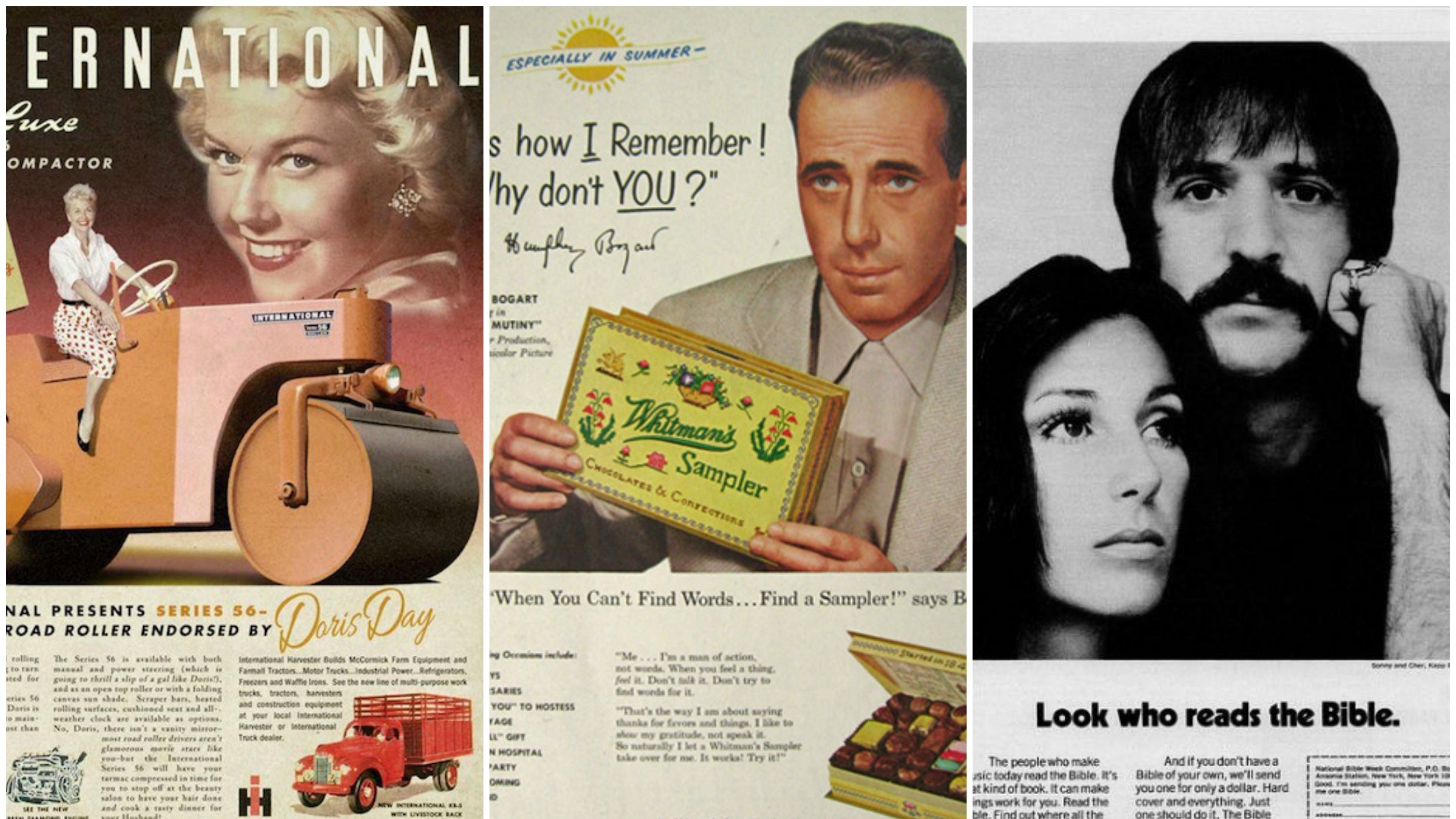
The Strategic Impact and Production Anatomy of Celebrity Commercials
Celebrity commercials serve as high-stakes marketing instruments designed to leverage the established social capital, trust, and personality of public figures to influence consumer behavior and brand perception. By integrating recogniz...
Celebrity commercials serve as high-stakes marketing instruments designed to leverage the established social capital, trust, and personality of public figures to influence consumer behavior and brand perception. By integrating recognizable faces into advertising campaigns, companies seek to achieve rapid brand recall, penetrate competitive market segments, and transfer the positive attributes associated with the celebrity to their specific products or services.
Contents
The Role of Celebrity Endorsements in Modern Marketing
At its core, a celebrity commercial is a symbiotic business arrangement. The brand provides financial compensation and a platform for reach, while the celebrity provides an intangible asset: their personal brand equity. In the 2026 advertising landscape, this strategy is frequently used to bridge the gap between abstract corporate identity and human-centered emotional connection.
When a consumer recognizes a celebrity in a commercial, the "mere exposure effect" and the psychological phenomenon of social proof come into play. If a consumer admires the celebrity’s professional achievements or lifestyle, that positive sentiment is often cognitively transferred to the product. This is particularly effective in high-saturation industries where products are functionally similar, such as soft drinks, fast-moving consumer goods (FMCG), or financial services.
Core Objectives for Brands Using Celebrity Talent
Brands typically invest in celebrity partnerships to achieve one or more of the following primary goals:
- Brand Awareness and Recall: The presence of a high-profile figure ensures that viewers pay attention to an advertisement they might otherwise ignore.
- Targeted Demographics: By selecting a celebrity with a specific fan base, brands can precisely target specific age groups, cultural demographics, or lifestyle segments.
- Credibility Signaling: For new products or services attempting to break into a mature market, the endorsement of a trusted or authoritative figure acts as a surrogate for long-term reputation.
- Viral Potential: In the era of social media integration, a well-produced celebrity commercial often extends its reach far beyond television, serving as content that fans share, analyze, and discuss on digital platforms.
Production and Legal Prerequisites
The creation of a celebrity commercial is a rigorous process that goes beyond standard advertising production. It involves specific legal and operational hurdles that ensure the protection of both the brand and the talent.
- Talent Acquisition and Negotiation: This stage involves agents, lawyers, and managers. The negotiation covers not only the fee but the "scope of use," which dictates where the commercial can run (e.g., regional cable, national broadcast, digital streaming, or international markets), the duration of the campaign, and whether the celebrity is prohibited from appearing in competing commercials.
- Rights of Publicity: Legal teams must secure specific rights of publicity. This encompasses the right to use the celebrity’s name, image, likeness, and, occasionally, their voice in various media formats.
- Moral Clauses and Brand Safety: Modern contracts frequently include detailed morality clauses. These protect the brand should the celebrity become involved in controversies that could negatively impact the product's image. Conversely, the celebrity may have approval rights over how they are portrayed to ensure their personal brand remains consistent.
- Production Logistics: High-budget celebrity spots often involve "day rates" that are significantly higher than standard production talent. Schedules are notoriously tight, requiring efficient, high-impact production cycles to minimize the time the celebrity spends on set.
Comparison of Celebrity Commercial Strategies
Different tiers of celebrity involvement require different strategies and budgets. The following table illustrates the common approaches brands take when integrating talent into their advertising.
| Strategy Type | Objective | Primary Benefit | Typical Commitment |
|---|---|---|---|
| Direct Spokesperson | Long-term association | Builds deep brand identity | Multi-year contracts |
| Short-term Campaign | Seasonal product launch | High immediate impact | 1-2 shoot days |
| Thematic Cameo | Cultural relevance | Unexpected humor/surprise | Hourly or daily rate |
| Social-First Integration | Audience engagement | Authenticity and trust | Content-led partnership |
Challenges and Risk Management
While celebrity commercials can significantly boost visibility, they are not without risks. The primary challenge remains "vampire effect," where the celebrity’s personality is so overpowering that the audience remembers the person but fails to retain any information about the product being advertised.
Furthermore, brands face the risk of audience fatigue. If a celebrity is over-exposed across too many competing product categories, the "trust signal" is diluted, potentially leading to skepticism among consumers. There is also the financial risk: the high cost of talent fees means that if a creative campaign fails to resonate, the return on investment (ROI) is significantly lower than a campaign utilizing non-famous actors or original creative concepts.
Practical Considerations for Advertisers
For organizations considering the use of a celebrity for an upcoming campaign, the following steps are essential:
- Define Success Metrics: Before approaching an agent, determine if the goal is brand sentiment, direct conversion, or market penetration.
- Analyze Brand Alignment: Ensure the celebrity’s public image aligns with the company’s core values. A misalignment here often results in public relations backlash rather than brand growth.
- Audit Digital Reach: In 2026, a celebrity's reach is measured by their active engagement rate on social media, not just their follower count. A celebrity with a smaller, highly engaged following may offer better value than one with a massive but passive audience.
- Plan for Integrated Distribution: A commercial is most effective when the celebrity also promotes the brand via their own personal channels. Ensure that social media amplification is part of the initial contract negotiations.
Frequently Asked Questions
1. How do companies determine the right celebrity for their brand? Companies typically use data analytics firms that match celebrity psychographics—such as audience interests, political leanings, and lifestyle markers—with the target demographic of the product. This data-driven approach minimizes the risk of selecting a personality that does not resonate with the intended consumer base.
2. Are celebrity commercials legally binding in terms of product claims? Yes. In many jurisdictions, celebrity spokespeople can be held liable for deceptive advertising if they make specific claims about a product's efficacy that they know to be false. Brands must ensure that all testimonials or claims made by the celebrity in the commercial are substantiated by evidence.
3. What happens to the commercial if a celebrity becomes involved in a scandal? Most contracts contain "termination for convenience" or "morality" clauses. These allow the brand to immediately cease the broadcast of the commercials and terminate the relationship without further payment if the celebrity’s behavior violates the standards defined in the contract.
4. How is the cost of a celebrity commercial calculated? Costs are driven by the celebrity's "market value," which is influenced by their current relevance, the duration of the broadcast, the geographical reach of the campaign, and the exclusivity of the deal (e.g., whether the celebrity is restricted from other endorsements in that sector).
5. Why do some brands use "micro-celebrities" instead of mainstream stars? Micro-celebrities (influencers with smaller, highly specialized followings) often provide higher conversion rates due to the perception of greater authenticity. For niche products, these partnerships can be more cost-effective and result in more meaningful interactions than a high-cost, broad-appeal celebrity spot.
Recommendation for Future Campaigns
To maximize the impact of celebrity commercials, brands should shift from transactional relationships to collaborative partnerships. Instead of merely hiring a face to read a script, involve the talent in the creative process to ensure the message feels authentic to their personal voice. By prioritizing synergy over celebrity status, brands can create advertising that survives the noise of the modern media landscape and fosters long-term brand loyalty.
Image Gallery