Mike Wolfe the Picker: Career, Antique Archaeology, and the Legacy of American Pickers
Mike Wolfe is the creator and lead star of the History Channel’s hit series American Pickers, a professional "picker" with over 30 years of experience, and the founder of Antique Archaeology. Since 2010, he has popularized the "rusty g...
Mike Wolfe is the creator and lead star of the History Channel’s hit series American Pickers, a professional "picker" with over 30 years of experience, and the founder of Antique Archaeology. Since 2010, he has popularized the "rusty gold" philosophy, transforming the antique industry by valuing historical storytelling over traditional mint-condition collecting.
Contents
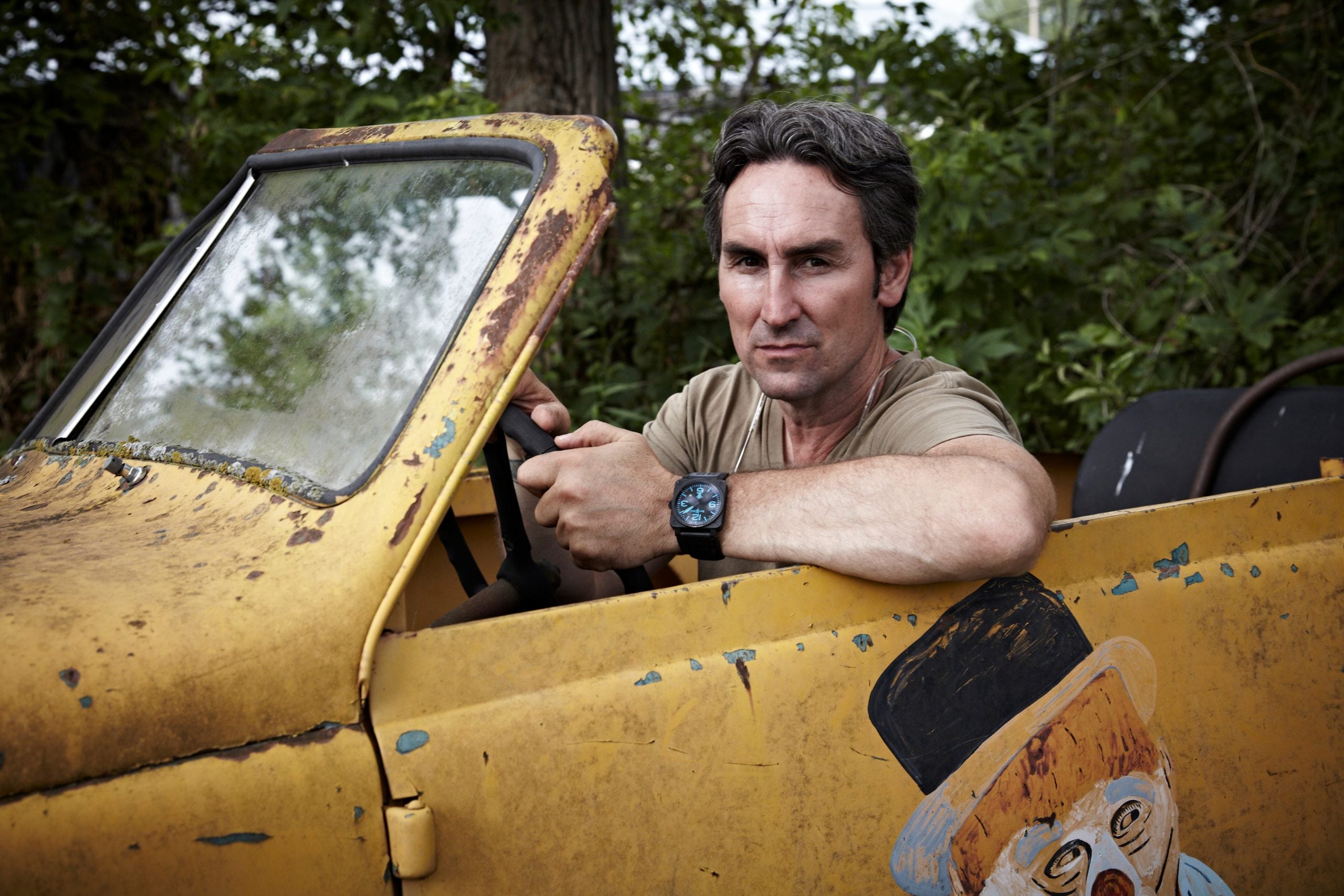
Across the landscape of American television and the niche world of professional antiquing, few names carry as much weight as Mike Wolfe. Known globally as "the picker," Wolfe has spent decades traversing the backroads of the United States, unearthing forgotten treasures from barns, sheds, and basements. His journey from a childhood scavenger in Iowa to a high-profile entrepreneur and television icon is a testament to his passion for preservation and the stories embedded in old objects.
The Evolution of Antique Archaeology
Long before the cameras began rolling for the History Channel, Mike Wolfe was building the foundation of what would become a retail empire. Antique Archaeology, his flagship business, was born from a simple necessity: a place to store and sell the items he found while "freestyle picking" across the country.
Founded in Le Claire, Iowa, Antique Archaeology is more than just a store; it is a curated gallery of American history. Wolfe’s approach to the business was revolutionary at the time. While traditional antique dealers sought out polished furniture and high-end ceramics, Wolfe looked for the "grit"—vintage motorcycles, industrial signage, and folk art that reflected the blue-collar spirit of America.
In 2011, following the massive success of the television show, Wolfe expanded his operations to Nashville, Tennessee. This second location, situated in the historic Marathon Motor Works building, allowed Wolfe to tap into a broader market while continuing to promote his vision of historical preservation. In 2026, these locations remain pilgrimage sites for fans of the show and serious collectors alike, serving as the physical manifestation of Wolfe’s lifelong pursuit of "the find."
American Pickers: Redefining the Antique Industry
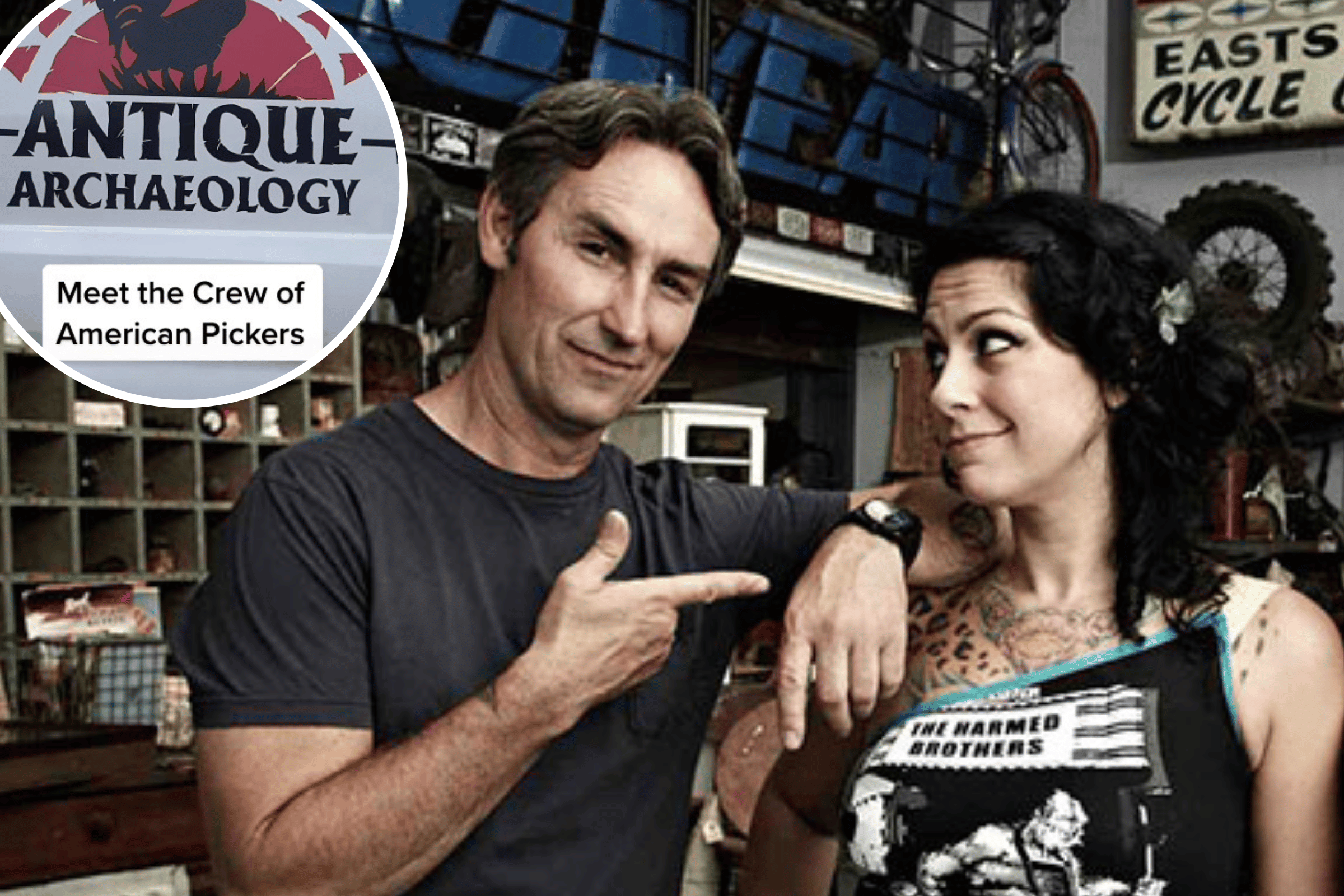
When American Pickers debuted on January 18, 2010, it fundamentally changed how the public perceived antiques. Before the show, "antiquing" was often viewed as a quiet, hobbyist pursuit associated with dusty shops and appraisals. Wolfe, alongside his original co-star Frank Fritz and office manager Danielle Colby, introduced a high-energy, adventure-focused narrative to the trade.
The show's premise is built on the "on-the-road" lifestyle. Wolfe and his team drive thousands of miles, often knocking on doors or following leads to find "hoards" that haven't been seen in decades. This process, known as picking, requires a blend of historical knowledge, negotiation skills, and a genuine respect for the people who own the items.
The Philosophy of "Rusty Gold"
Central to Wolfe’s success is his philosophy of "Rusty Gold." This concept suggests that the value of an item is not strictly tied to its financial worth or its physical condition, but rather to its provenance and its place in the American story. Wolfe often prioritizes items that show their age—pieces with "original paint," "patina," or signs of heavy use.
This shift in focus had a massive impact on the market. Suddenly, rusted oil cans, weathered gas pumps, and decommissioned neon signs became highly sought-after collectibles. By highlighting the craftsmanship of the early 20th century, Wolfe encouraged a new generation of collectors to appreciate the industrial and agricultural heritage of the United States.
The Business of Picking: Operations and Logistics
Operating as a professional picker at Mike Wolfe’s level involves complex logistics and a deep understanding of market trends. It is not merely about buying low and selling high; it involves restoration, authentication, and strategic placement in the market.
In 2026, Wolfe’s business model continues to integrate media presence with retail and design. His team manages a vast inventory that ranges from small "smalls" (items under $50) to "big-ticket items" like rare Henderson or Indian motorcycles that can fetch six figures.
Core Inventory Categories
To understand how Antique Archaeology operates, it is helpful to look at the primary categories of items Mike Wolfe focuses on:
| Category | Primary Interest | Value Drivers |
|---|---|---|
| Transportation | Pre-1960s motorcycles, bicycles, and rare car parts. | Original paint, mechanical rarity, brand history (Indian, Harley-Davidson). |
| Petroliana | Gas pumps, oil cans, and service station signage. | Porcelain finish, vibrant colors, defunct brand logos. |
| Advertising | Neon signs, tin thermometers, and large-scale murals. | Condition of the glass, rarity of the advertisement, visual impact. |
| Industrial Folk Art | Hand-made tools, unique architectural salvage, and prototypes. | Unique craftsmanship, "one-of-a-kind" status, historical utility. |
Mike Wolfe’s Multi-Faceted Career
Beyond his role on American Pickers, Mike Wolfe has diversified his career to include authorship, public speaking, and community revitalization. He has authored several books, including Kid Pickers: How to Turn Junk into Treasure, aimed at inspiring younger generations to take an interest in history and recycling.
Wolfe is also a staunch advocate for small-town America. He has invested significantly in property restoration, most notably in Columbia, Tennessee, where he has worked to revitalize historic buildings and support local small businesses. This "Main Street" philosophy aligns with his picking career; just as he sees value in a discarded object, he sees potential in neglected towns and architecture.
The Transition of the Cast
As with any long-running series, American Pickers has seen changes. The departure of Frank Fritz in 2021 marked a significant shift in the show’s dynamic. Since then, Mike’s brother, Robbie Wolfe, has taken a more prominent role on screen. While the cast change initially sparked debate among long-term viewers, the core mission of the show—uncovering the hidden history of America—has remained consistent through 2026.
How to Sell to Antique Archaeology
One of the most frequent questions fans ask is how they can get Mike Wolfe to "pick" their collection. Because the show and the business receive thousands of inquiries monthly, the process is streamlined to ensure they only visit locations with significant, high-quality inventory.
- Lead Submission: Sellers typically submit photos and descriptions of their collections through the Antique Archaeology website or the American Pickers casting portals.
- Vetting: The production and business teams review the items for historical significance, rarity, and visual appeal for television.
- The "Pre-Pick": In many cases, a scout may verify the collection before Mike or Robbie arrives.
- Negotiation: Unlike many reality shows, the negotiations seen on screen are genuine. Wolfe uses current market data and his years of experience to offer fair prices, often leaving "meat on the bone" for his own retail margins.
Frequently Asked Questions
Is Mike Wolfe still picking in 2026?
Yes, Mike Wolfe remains active in the field. While his role as a business owner and producer has expanded, he continues to go on "picks" across the country, both for the American Pickers television show and for his private collection and retail stores.
Where is Antique Archaeology located?
Antique Archaeology has two primary locations. The original "Big Store" is in Le Claire, Iowa, and the second major location is in the Marathon Village in Nashville, Tennessee. Both locations function as retail shops and museums for some of Wolfe's most prized finds.
How can I get my collection featured on the show?
To have your collection considered, you must provide detailed photos and a history of the items. The team prioritizes large, private collections in barns, warehouses, or outbuildings. They generally do not visit flea markets, auctions, or retail stores for the show.
What happened to Frank Fritz on American Pickers?
Frank Fritz officially left the show following a series of health issues and a public falling out around 2021. Mike Wolfe and the network moved forward with a rotating cast, including Robbie Wolfe and Jersey Jon, though Mike has publicly expressed well-wishes for his former partner's recovery over the years.
What does Mike Wolfe do with the items he buys?
Items purchased by Mike Wolfe generally follow three paths: they are sold at his Antique Archaeology retail stores, kept for his private collection (particularly rare motorcycles), or sold to private collectors and museums that specialize in specific historical niches.
The Future of the Picking Trade
As we look toward the future of the industry in 2026 and beyond, Mike Wolfe’s influence is undeniable. He has helped create a circular economy where "junk" is kept out of landfills and repurposed as art or historical artifacts. His work has encouraged a broader appreciation for American manufacturing and the stories of the everyday people who built the country.
For those interested in following in his footsteps, the "picker" lifestyle requires more than just a truck and a trailer. It requires a deep dive into history, a willingness to get dirty, and the interpersonal skills to connect with people from all walks of life. Mike Wolfe remains the gold standard for this profession, proving that with enough curiosity and a keen eye, there is still plenty of "rusty gold" waiting to be found.
Next Action: If you have a collection of vintage items or want to see the "rusty gold" for yourself, visit the official Antique Archaeology website to submit a lead or plan a visit to their Iowa or Tennessee showrooms.
Image Gallery