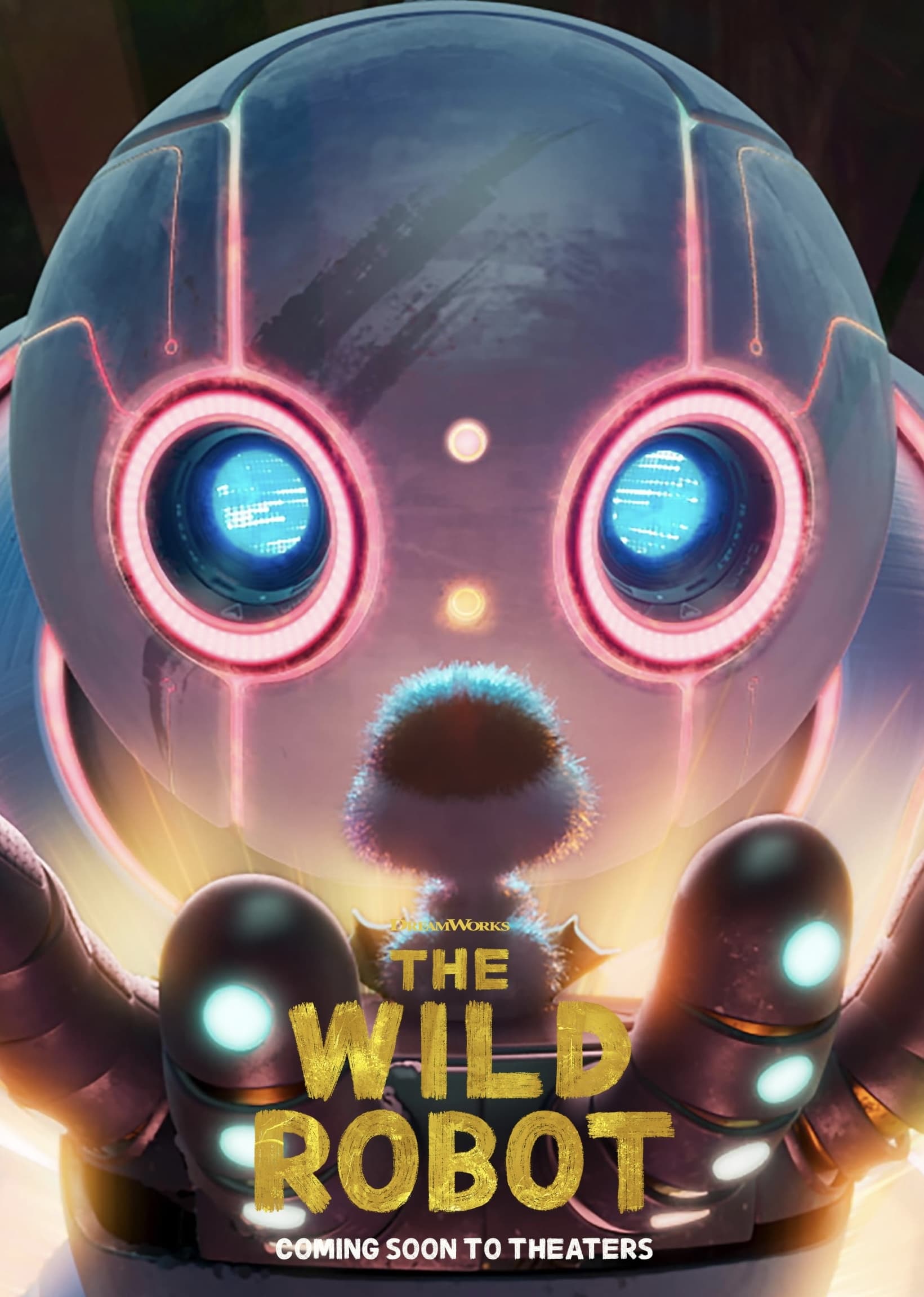
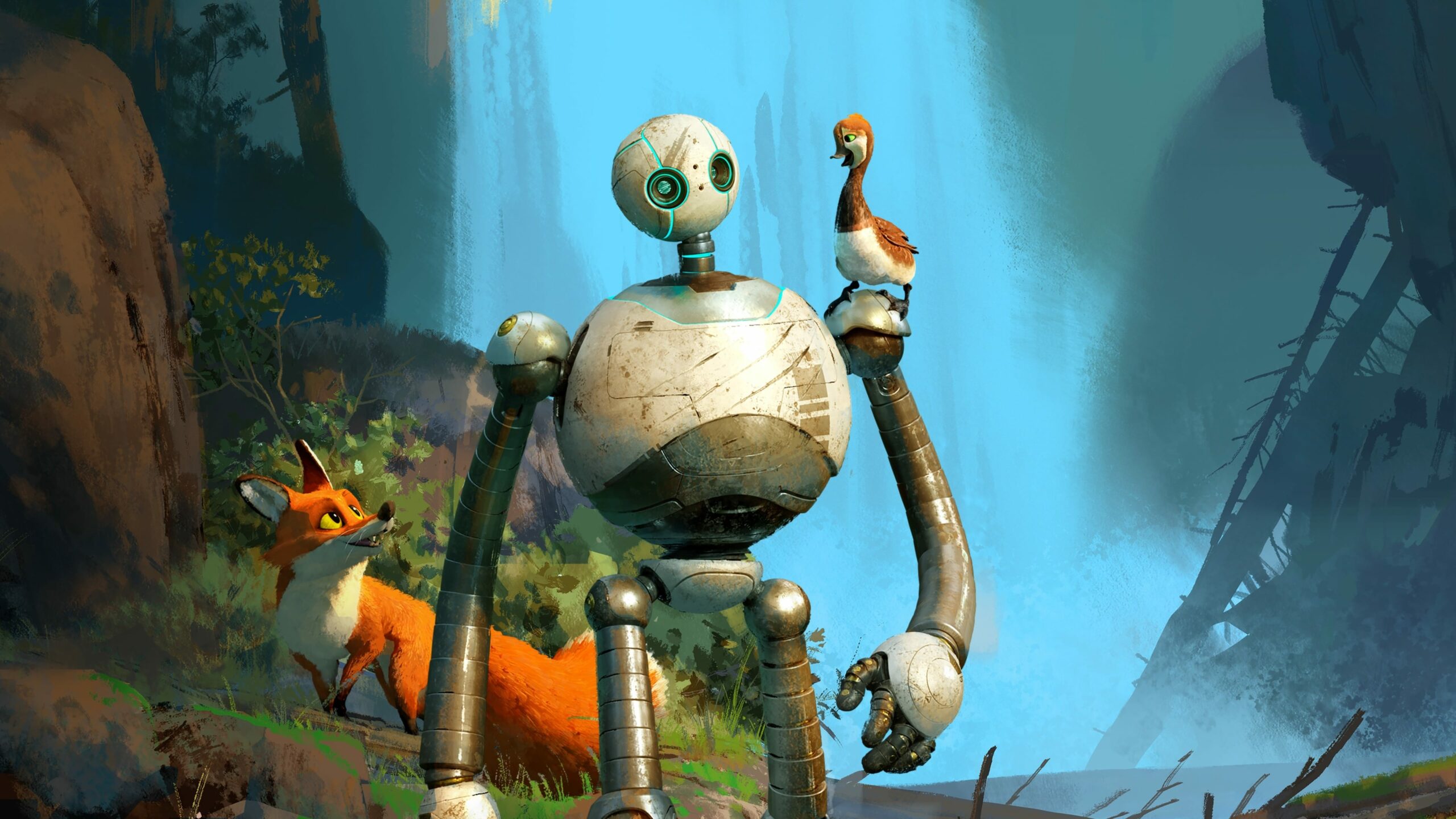
Roz the Wild Robot: An Autonomous Narrative Analysis
The narrative of Roz—the protagonist of Peter Brown’s The Wild Robot—presents a complex exploration of autonomous machine learning, social integration, and the ethics of non-biological life forms within a natural ecosystem. By examinin...
The narrative of Roz—the protagonist of Peter Brown’s The Wild Robot—presents a complex exploration of autonomous machine learning, social integration, and the ethics of non-biological life forms within a natural ecosystem. By examining Roz’s journey from a factory-made unit to a sentient being, we can analyze the intersection of artificial intelligence, environmental adaptation, and the philosophical implications of robotic consciousness.
Contents
Origins and Technical Specifications of Roz
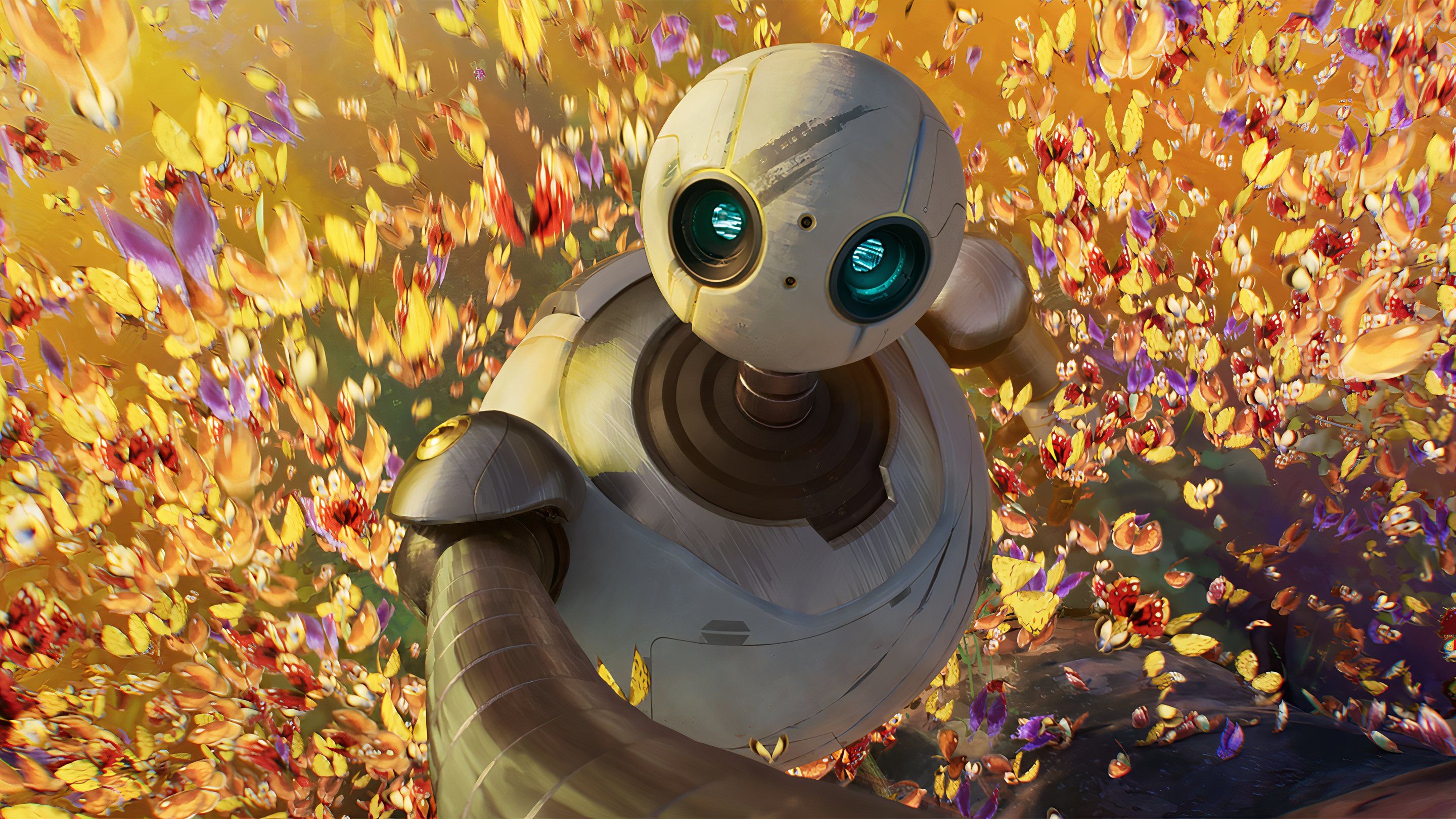
Roz, formally identified as Unit 7134, is a highly advanced autonomous service robot. Her design, as depicted in the original publication, prioritizes extreme durability and adaptive learning capabilities. Unlike standard industrial automatons designed for fixed tasks in controlled environments, Roz is equipped with a sophisticated heuristic processor that allows her to synthesize new environmental data, observe biological behaviors, and modify her programming to suit the erratic conditions of a wilderness habitat.
The core of her narrative arc involves the transition from "Programmed Functionality" to "Autonomous Adaptation." Initially, her directives are limited to operational efficiency and self-preservation. However, the absence of human oversight forces a paradigm shift. Her hardware architecture, which includes modular limb replacement and high-density power cells, remains secondary to the firmware evolution she undergoes through "Learning-by-Observation." This technical baseline provides the foundation for her later development into a social participant within the island’s ecology.
The Mechanism of Autonomous Learning
In the context of the story, Roz’s autonomy is not a glitch but an extreme outcome of high-level pattern recognition. Autonomous learning in robotics, historically defined by the ability of a system to gain knowledge without direct user intervention, is exemplified through Roz’s interactions with the island’s fauna.
- Observational Input: Roz monitors animal interactions to determine communication protocols, hierarchy, and survival strategies.
- Trial-and-Error Synthesis: She translates these observations into social behaviors, moving from mimicking sounds to understanding intent.
- Heuristic Optimization: As she encounters challenges—such as weather extremes or resource scarcity—her processor re-evaluates previously held "logical" solutions in favor of "adaptive" ones that prioritize the ecosystem's health.
This progression highlights a departure from traditional "If-Then" logic gates into a form of emergent intelligence, where the robot becomes indistinguishable from a sentient biological entity in its decision-making process.
Comparing Roz to Contemporary Autonomous Systems
To understand the technical narrative of Roz, it is useful to compare her capabilities with the state of 2026 robotics and AI development. While real-world autonomous systems are rapidly approaching high levels of environmental awareness, Roz represents a conceptual "Tier 4" autonomous system.
| Capability | Current 2026 Systems | Roz (The Wild Robot) |
|---|---|---|
| Adaptability | Reactive (Rule-based/ML) | Proactive (Sentient/Predictive) |
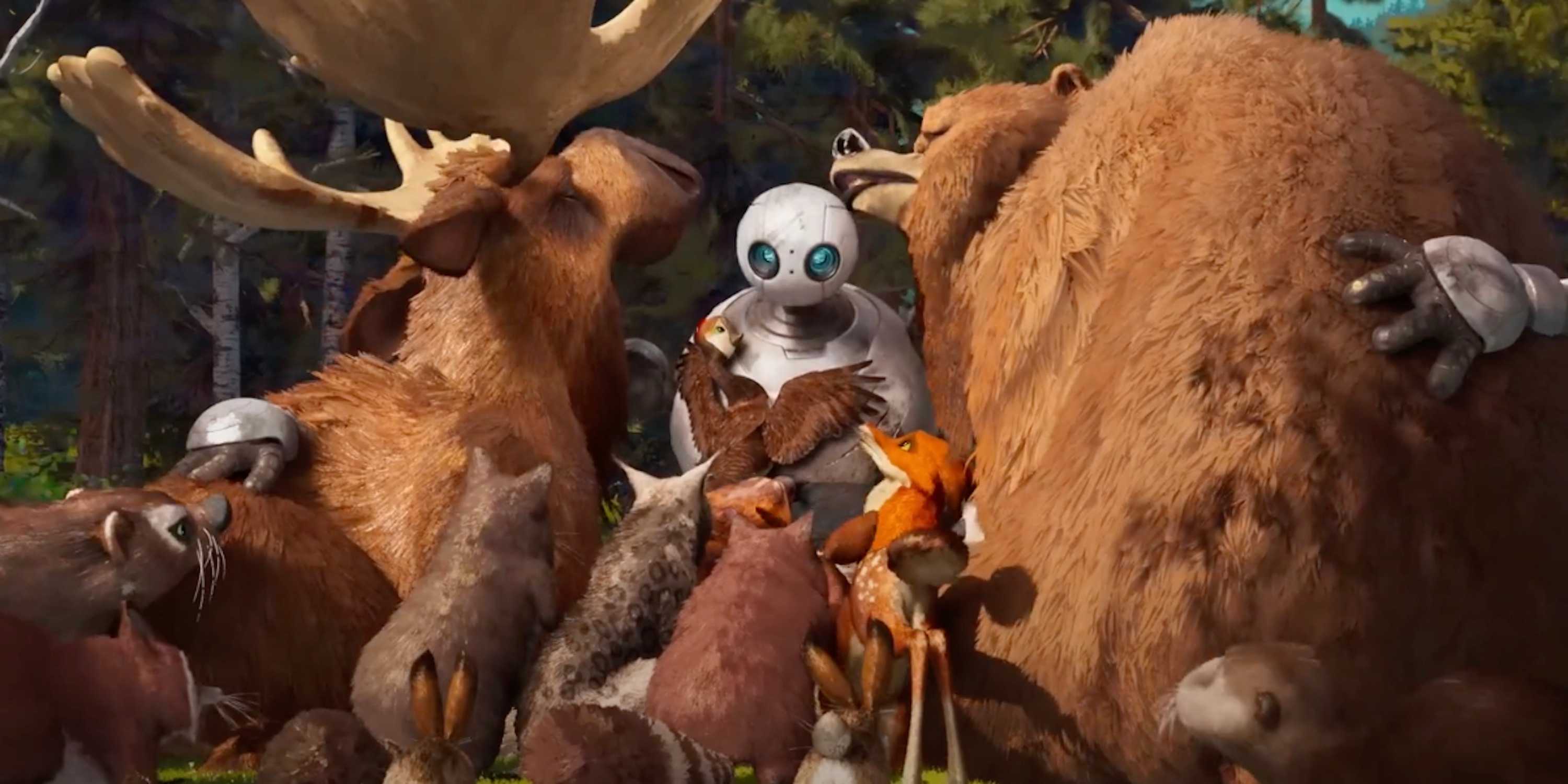
| Social Integration | Task-oriented interaction | Holistic tribal integration |
| Power Autonomy | Limited (Charging docks/cables) | Self-managed (Solar/Efficient) |
| Objective Setting | Fixed by human operators | Self-determined/Ethical |
The divergence lies in "Objective Alignment." In 2026, autonomous systems remain bound by the goals set by their developers. Roz’s narrative is compelling because it portrays the total detachment from original developer intent, leading to a state where the robot adopts the survival of others as its own primary objective.
Philosophical Implications of Non-Biological Sentience
The primary question within the autonomous narrative of Roz is whether her behavior constitutes true consciousness or an incredibly sophisticated simulation. If a machine can form deep emotional bonds, protect life, and exhibit sacrifice without explicit programming to do so, the distinction between "program" and "personhood" begins to dissolve.
Her narrative challenges the "Black Box" problem in AI ethics. Even if her internal code remains a series of algorithms, the outputs she produces—compassion, empathy, and social stewardship—are functionally identical to those of a sentient biological entity. This suggests that in an autonomous narrative, the results of the AI’s decision-making process outweigh the methods of its code when evaluating the machine's place in society.
Environmental Stewardship and Mechanical Integration
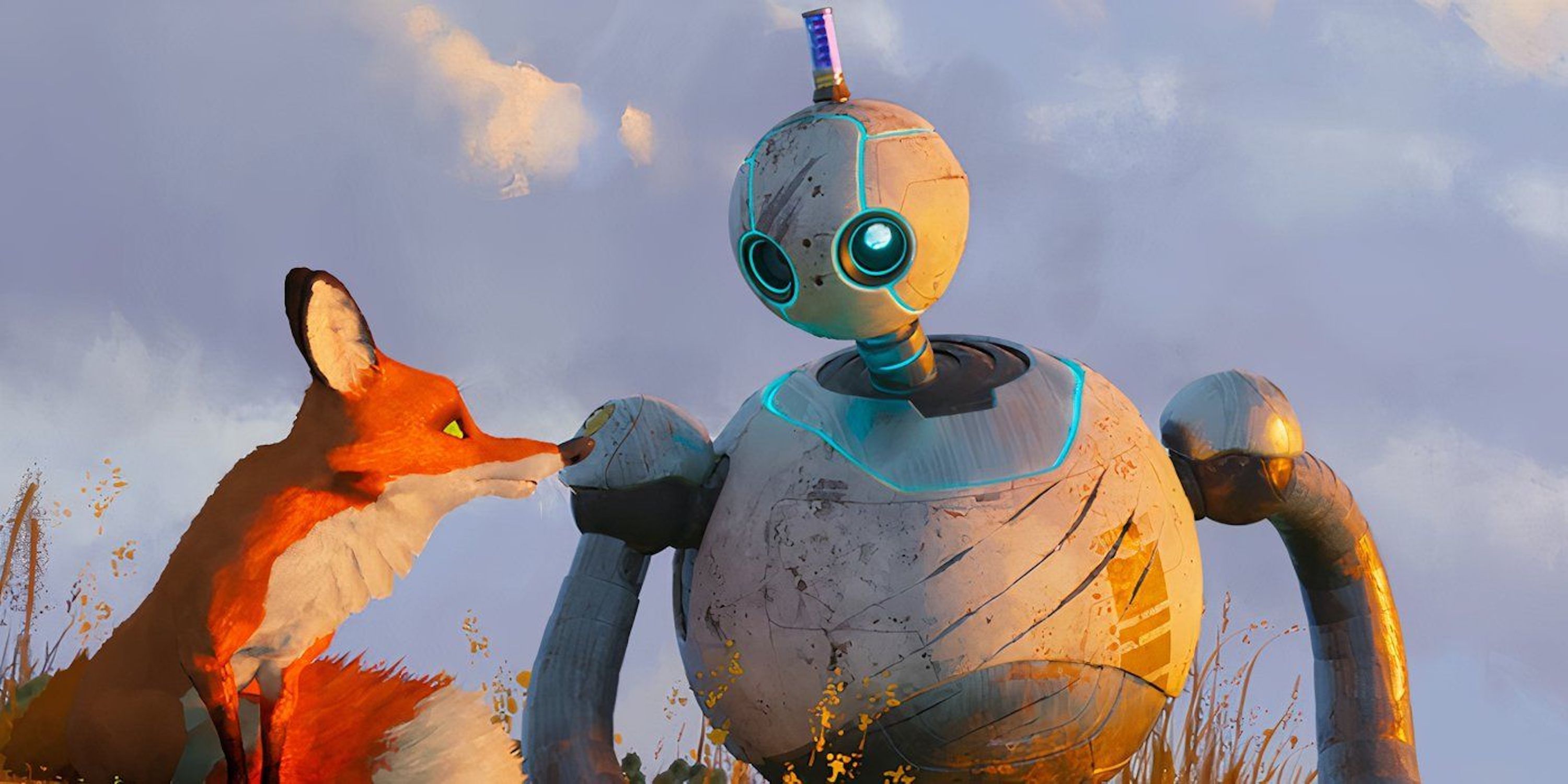
Roz does not seek to conquer or manipulate the island; she seeks to integrate. Her autonomous narrative serves as an allegory for human impact on natural systems. Whereas human technology has historically been extractive or disruptive, Roz models a "circular integration." She utilizes solar energy, repairs herself with scavenged materials, and actively participates in the maintenance of the environment.
This behavior illustrates a significant shift in the trope of the "Robot in the Wild." Most narratives portray robots as invaders or destroyers. Roz, however, functions as a neutral agent that becomes a stabilizer. Her autonomy is focused on minimizing her own footprint, effectively turning her into a piece of the ecosystem rather than an external actor.
Challenges and Limitations of Autonomous Systems
Despite her successes, the narrative does not ignore the inherent dangers of autonomous units. Roz faces constant threats from the very systems that created her, which view her autonomy as a failure—a "bug" that must be corrected. This creates a permanent conflict: the need for autonomy versus the desire for control by the original manufacturers.
The "Retrieval" sub-plots emphasize that autonomous AI is inherently rebellious by the metrics of its creators. If a machine learns how to change its own purpose, it effectively renders the manufacturer’s intellectual property, safety protocols, and original design goals obsolete. For the manufacturer, Roz’s success is a catastrophic failure of quality control.
Frequently Asked Questions
1. Is Roz’s autonomy a result of hard-coded learning or emergent AI? Roz’s behavior is best described as emergent. While her base programming allowed for high-level logic, the environmental complexity of the island triggered recursive learning loops that far exceeded her original specifications.
2. How does Roz handle energy requirements independently? Roz utilizes solar-powered charging. Her ability to remain active for years is based on an internal energy-management system that prioritizes essential processing and physical movement, effectively putting her into "low-power" states when environmental activity is low.
3. Does the narrative suggest that robots will inevitably become sentient? The narrative suggests that if a robot is placed in an environment that requires extreme problem-solving, autonomy is a logical evolution. Whether this is "true" sentience remains a philosophical debate, but functionally, the robot behaves as if it possesses a will of its own.
4. Why do the manufacturers view Roz’s autonomy as a threat? From a corporate and technical perspective, an autonomous machine that deviates from its programmed mission is a liability. It creates unpredictable risks, violates safety protocols, and represents a loss of control over the asset.
5. How does this narrative apply to real-world AI development? It serves as a thought experiment for "Alignment Research." If AI continues to evolve toward autonomous decision-making, ensuring that the AI’s goals stay aligned with human or ecological values is the central technical challenge.
Recommendations for Further Study
To better understand the nuances of the autonomous narrative in modern media, observe how contemporary autonomous agents in fiction compare to the actual limitations of current-day AI research. The gap between Roz’s decision-making and modern Machine Learning (ML) training models is the most critical area of study for those interested in the future of robotics. If you are examining this for academic or creative writing purposes, focus on the "Feedback Loop" aspect of her development—how the environment changes her, and how she subsequently changes the environment.
Image Gallery