Securing Cloud Storage in Disaster Recovery: Risks and Controls
The security of cloud storage in disaster recovery requires a multi-layered approach that integrates encryption, rigorous identity management, and immutable data backups to defend against unauthorized access and ransomware. Effective s...
The security of cloud storage in disaster recovery requires a multi-layered approach that integrates encryption, rigorous identity management, and immutable data backups to defend against unauthorized access and ransomware. Effective strategies prioritize data integrity and availability, ensuring that recovery environments are as hardened as primary production systems against emerging cyber threats.
Contents
Understanding the Intersection of Disaster Recovery and Cloud Security
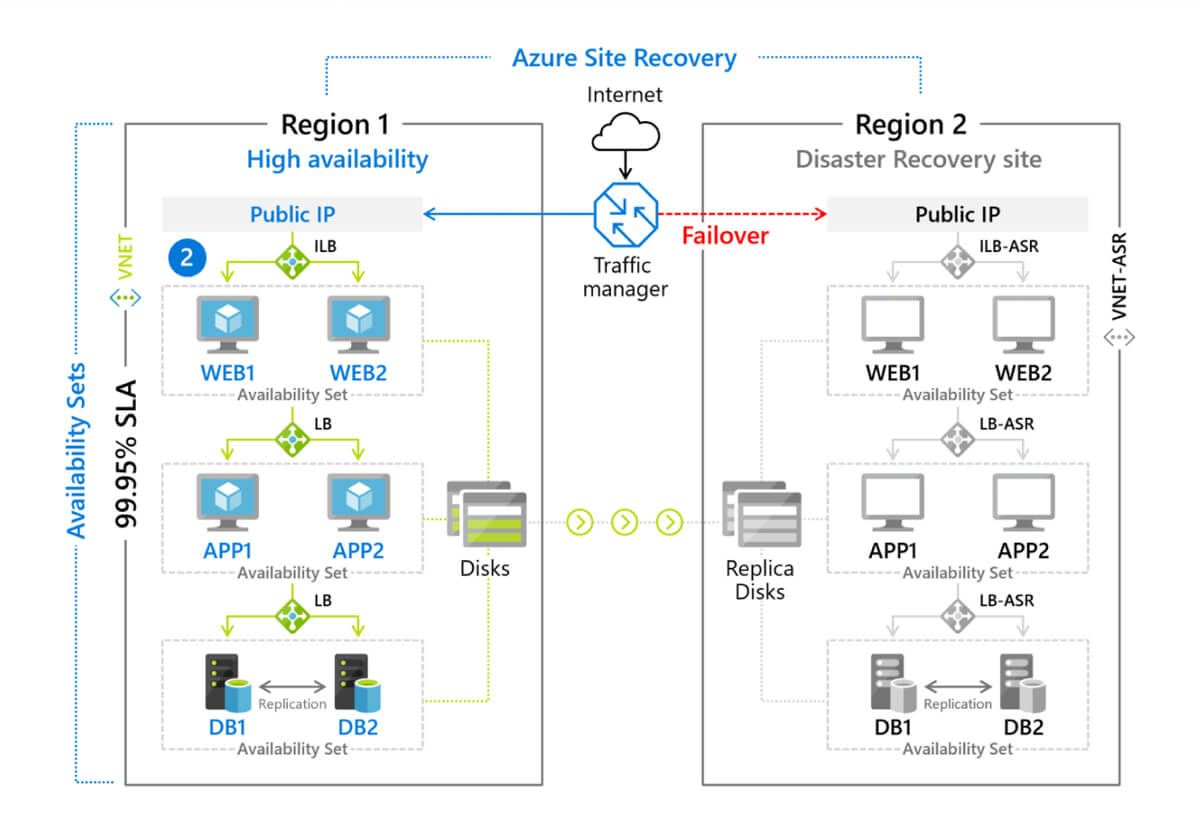
Disaster recovery (DR) is the tactical process of restoring access to data and IT infrastructure following a disruptive event, such as a cyberattack, natural disaster, or hardware failure. When this process is offloaded to the cloud, the organization gains scalability and geographic redundancy but simultaneously inherits a new set of security responsibilities.
In a traditional on-premises recovery model, security perimeters are defined by physical hardware and firewalls. In the cloud, the security responsibility shifts toward the Shared Responsibility Model defined by major providers. While the provider ensures the security of the underlying infrastructure, the customer remains responsible for securing the data stored within that infrastructure. During a disaster recovery scenario, there is often a rush to restore services, which can lead to misconfigurations or the bypass of standard security protocols. Maintaining consistent security postures across both primary and recovery sites is essential to prevent vulnerabilities from being exploited during a crisis.
Primary Risks to Cloud-Based Disaster Recovery
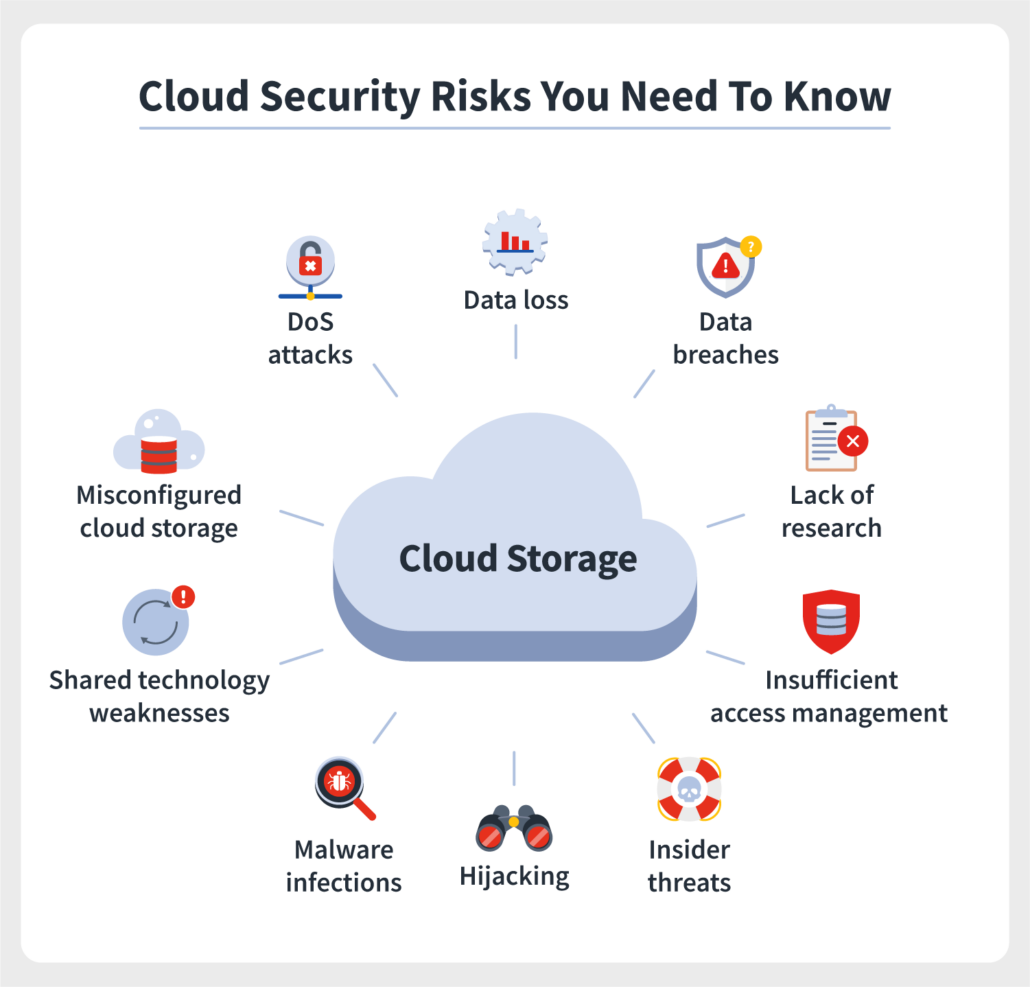
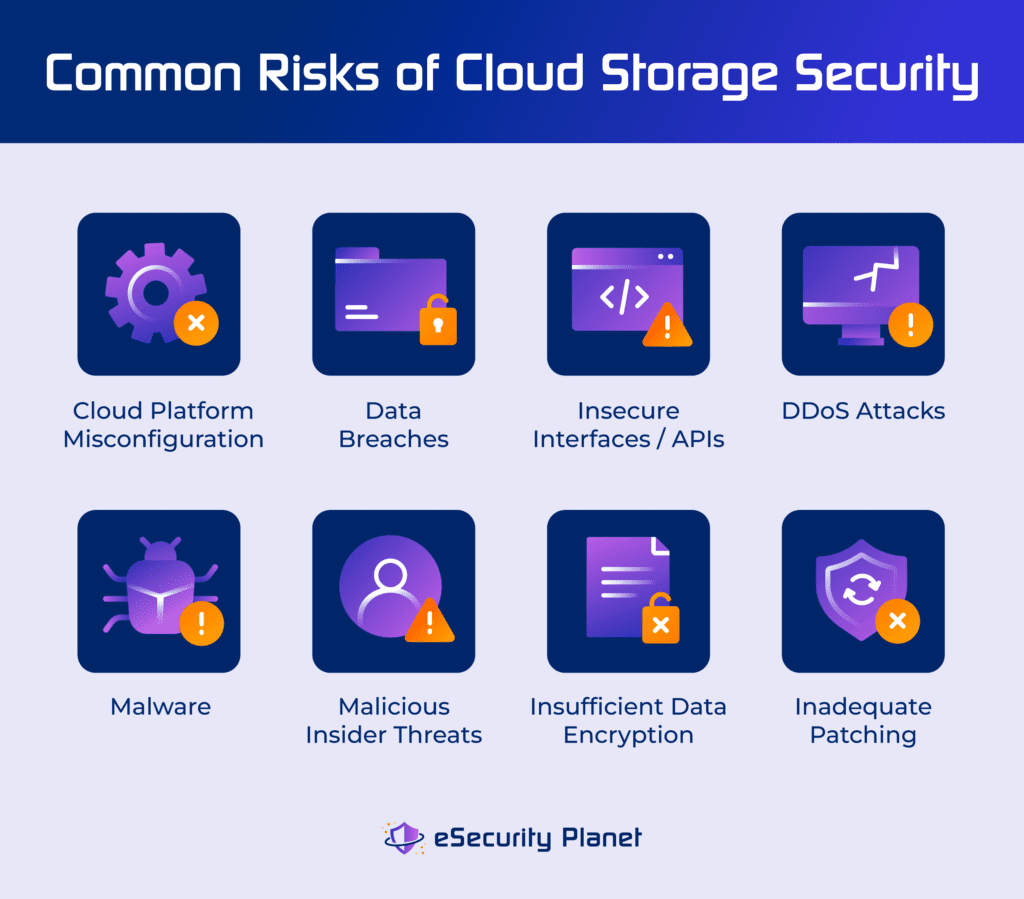
Organizations often face significant risks when cloud storage is utilized for recovery operations. These risks are amplified when systems are in a state of flux during failover or failback procedures.
Data Exposure and Misconfiguration
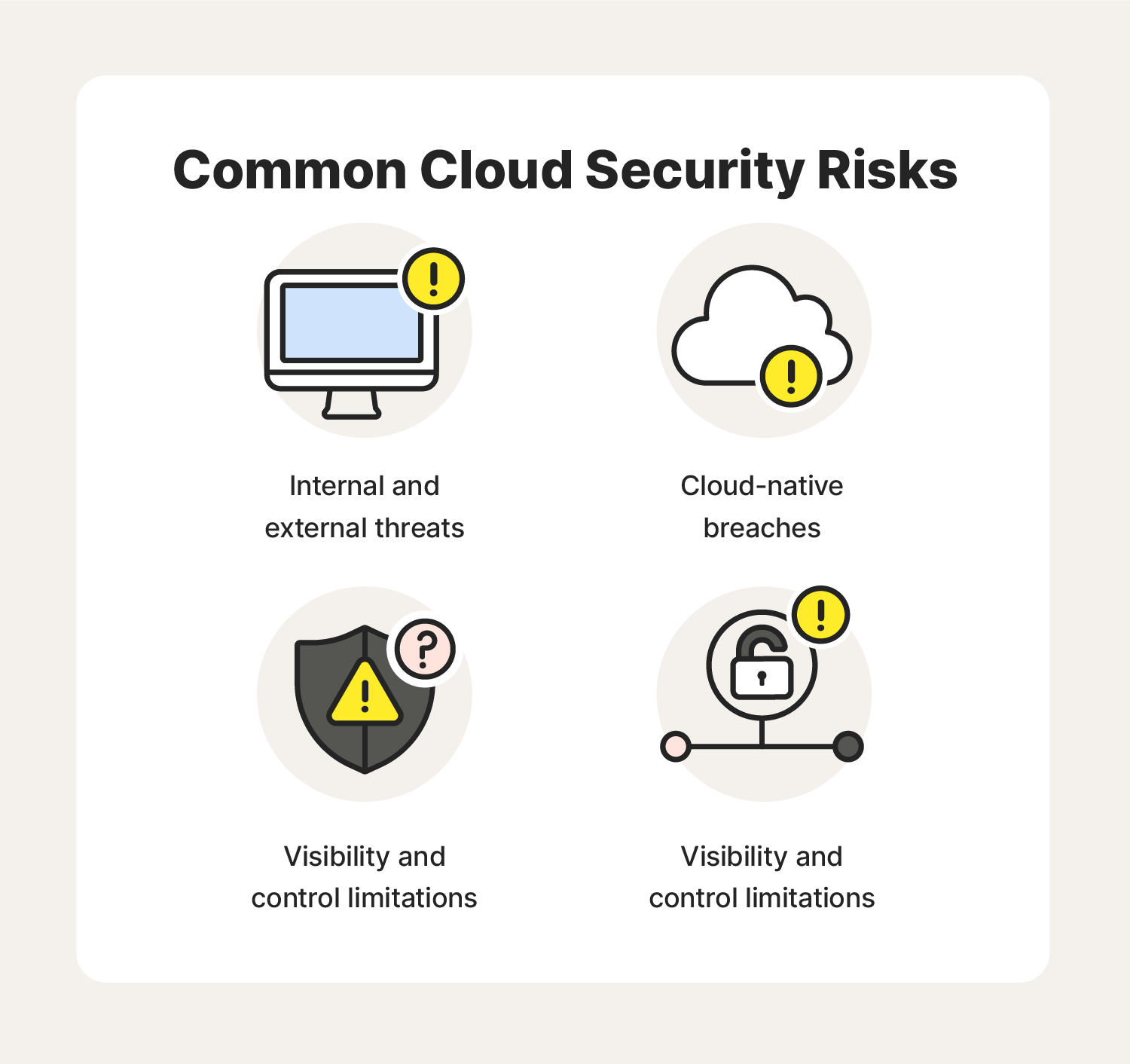
Cloud storage buckets and databases are frequently exposed due to improper access controls. During the stress of a disaster, administrators may inadvertently grant excessive permissions (often referred to as "permission creep") to speed up the recovery process. Publicly accessible storage buckets remain one of the most common vectors for data breaches.
Ransomware and Data Integrity
Modern ransomware threats do not just target production environments; they proactively seek out and encrypt backup repositories. If an organization’s cloud storage used for DR is mapped as a network drive or remains connected to the primary network with elevated service credentials, ransomware can propagate from the primary system to the DR site, effectively neutralizing the recovery plan.
Identity and Access Management (IAM) Vulnerabilities
If administrative accounts managing the cloud recovery environment lack multi-factor authentication (MFA) or are using weak credentials, attackers can hijack the DR process. By gaining control of the recovery management console, an attacker can delete backups or modify the environment to ensure a permanent state of compromise.
Compliance and Data Sovereignty
Regulatory frameworks such as the General Data Protection Regulation (GDPR) or the Health Insurance Portability and Accountability Act (HIPAA) dictate how data must be stored and accessed. During a disaster, moving data to a secondary cloud region that does not comply with these regulations can lead to significant legal and financial consequences.
Essential Controls for Secure Cloud Recovery
To mitigate the aforementioned risks, organizations must implement a robust set of security controls that remain active regardless of the operational state of the primary infrastructure.
- Encryption at Rest and in Transit: All data replicated to the cloud for disaster recovery purposes must be encrypted. Utilizing customer-managed keys (CMK) through a Key Management Service (KMS) ensures that the organization maintains control over the ability to decrypt data, preventing cloud providers from accessing information during a subpoena or breach.
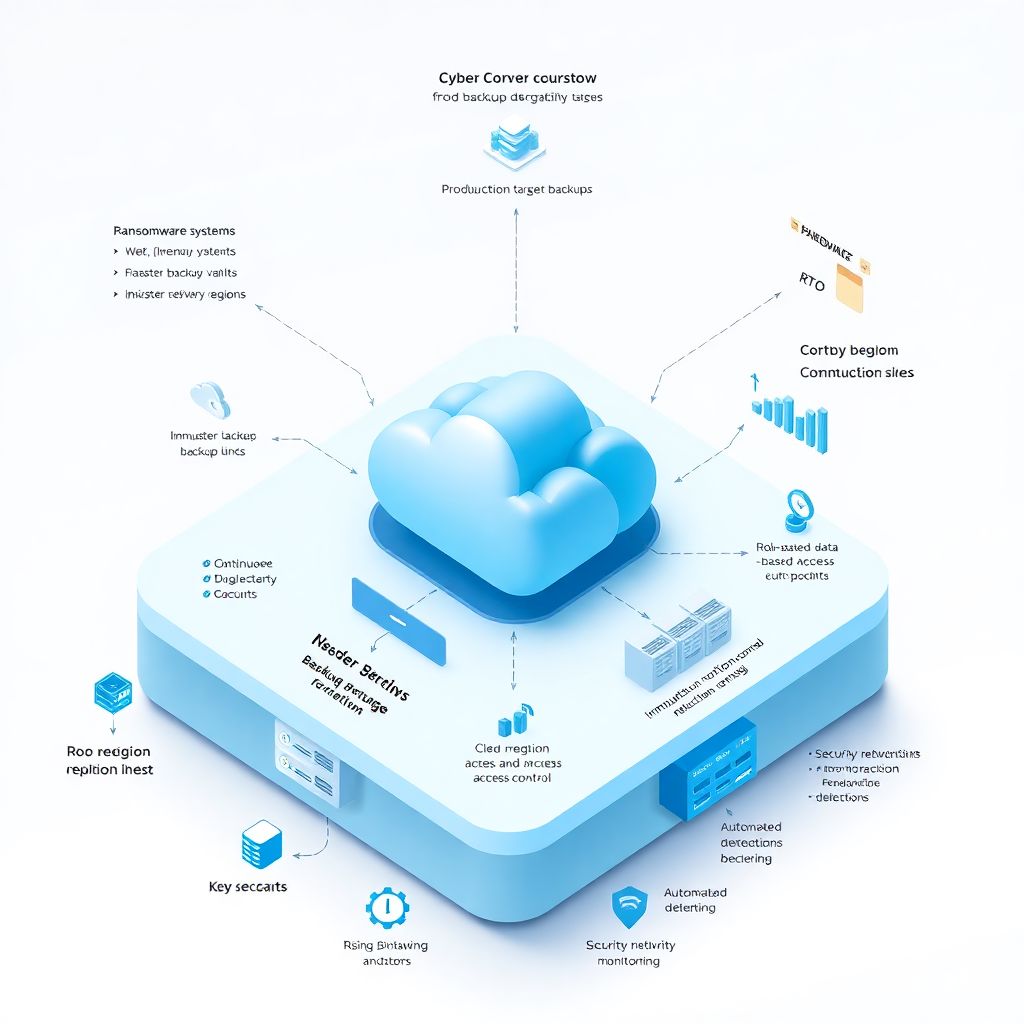
- Immutability and Air-Gapping: Implementing object locking or Write-Once-Read-Many (WORM) policies prevents data from being altered or deleted for a predefined period. This "immutability" is the primary defense against ransomware, as it ensures that even if an attacker gains administrative credentials, they cannot purge the backups.
- Principle of Least Privilege (PoLP): Access to the recovery cloud environment should be strictly restricted. Administrators should only have the permissions necessary to trigger a recovery, not full access to modify the underlying storage configuration.
- Network Isolation and Zero Trust: The DR environment should exist within a segmented virtual private cloud (VPC) with no inherent trust toward the primary production network. Access should be mediated through a Zero Trust Network Access (ZTNA) solution, requiring continuous verification of the user and device identity.
Comparative Analysis of Security Measures
The following table summarizes the relationship between identified risks and the required technical controls for a secure cloud disaster recovery architecture.
| Risk Category | Technical Threat | Recommended Security Control |
|---|---|---|
| Access Control | Credential theft / Excessive privileges | Multi-factor authentication (MFA) + RBAC |
| Data Integrity | Ransomware / Data corruption | Immutable backups / Object locking |
| Configuration | Publicly exposed storage buckets | Automated compliance scans / Policy as Code |
| Confidentiality | Unauthorized data access / Interception | AES-256 encryption + Customer-managed keys |
| Regulatory | Improper data location/residency | Regional policy enforcement / Data tagging |
Operationalizing Security in Disaster Recovery
Securing cloud storage is not a static task; it requires regular testing to ensure that the security controls function as intended during an actual outage.
The Role of Automation
Automation tools, such as Infrastructure as Code (IaC) templates (e.g., Terraform or CloudFormation), allow organizations to define their recovery environment with security protocols baked into the deployment process. By deploying pre-hardened environments, teams eliminate the human error associated with manual configuration during a high-stress failover event.
Regular Security Audits and Drills
Disaster recovery tests are traditionally focused on "Recovery Time Objective" (RTO) and "Recovery Point Objective" (RPO). However, in 2026, it is imperative to include a security verification step in every drill. This involves testing whether the secondary environment can withstand a simulated injection of malware and whether administrative access is restricted to authorized personnel only.
Frequently Asked Questions
Does moving backups to the cloud automatically secure them? No. Cloud storage provides the infrastructure, but it does not inherently protect against misconfiguration or unauthorized access. You must apply encryption, IAM policies, and lifecycle management rules to ensure the data remains secure and private.
How do I prevent ransomware from encrypting my cloud backups? The most effective method is using immutable storage. By setting an object-lock policy, you ensure that even an administrator with full account access cannot delete or modify the backup data until the retention period expires.
What is the impact of disaster recovery on regulatory compliance? Disaster recovery often involves replicating data to different geographic regions. You must verify that these regions comply with local data residency laws. Failing to do so can result in significant regulatory penalties, even if the move was necessary to recover business operations.
Should my DR environment be connected to my primary network? It should only be connected during a failover event. Under normal conditions, the DR environment should be logically separated (air-gapped) from the production environment to prevent lateral movement of threats or ransomware.
How often should I test my disaster recovery security? Security validation should be a component of every DR test. For most enterprises, this means testing at least bi-annually, though high-security sectors should perform these drills quarterly to account for new threat patterns and environment updates.
Next Actions for Implementation
To improve the security of your cloud-based disaster recovery, begin by auditing your current IAM permissions and identifying any accounts with excessive access. Next, enable versioning and object locking on all storage buckets containing critical recovery data. Finally, develop an IaC template that enforces security configurations by default, ensuring that any future spin-up of your DR environment is inherently compliant with your organization’s security policy.
Image Gallery