Types of Mold Remediation: A Technical Overview
Mold remediation involves the systematic removal and neutralization of fungal growth within a built environment to restore safe indoor air quality. It is a multi-disciplinary process requiring moisture control, physical abatement, and...
Mold remediation involves the systematic removal and neutralization of fungal growth within a built environment to restore safe indoor air quality. It is a multi-disciplinary process requiring moisture control, physical abatement, and sanitation, governed by standards such as the IICRC S520, which dictates the professional procedures for handling contaminated porous and non-porous materials.
Contents
The Science of Mold Remediation
Mold growth occurs when moisture, organic food sources, and suitable temperatures converge. Remediation is not a simple "cleaning" process; it is an engineering challenge. The objective is to transition a structure from a condition of amplification (where mold spores are actively reproducing) to a condition of control.
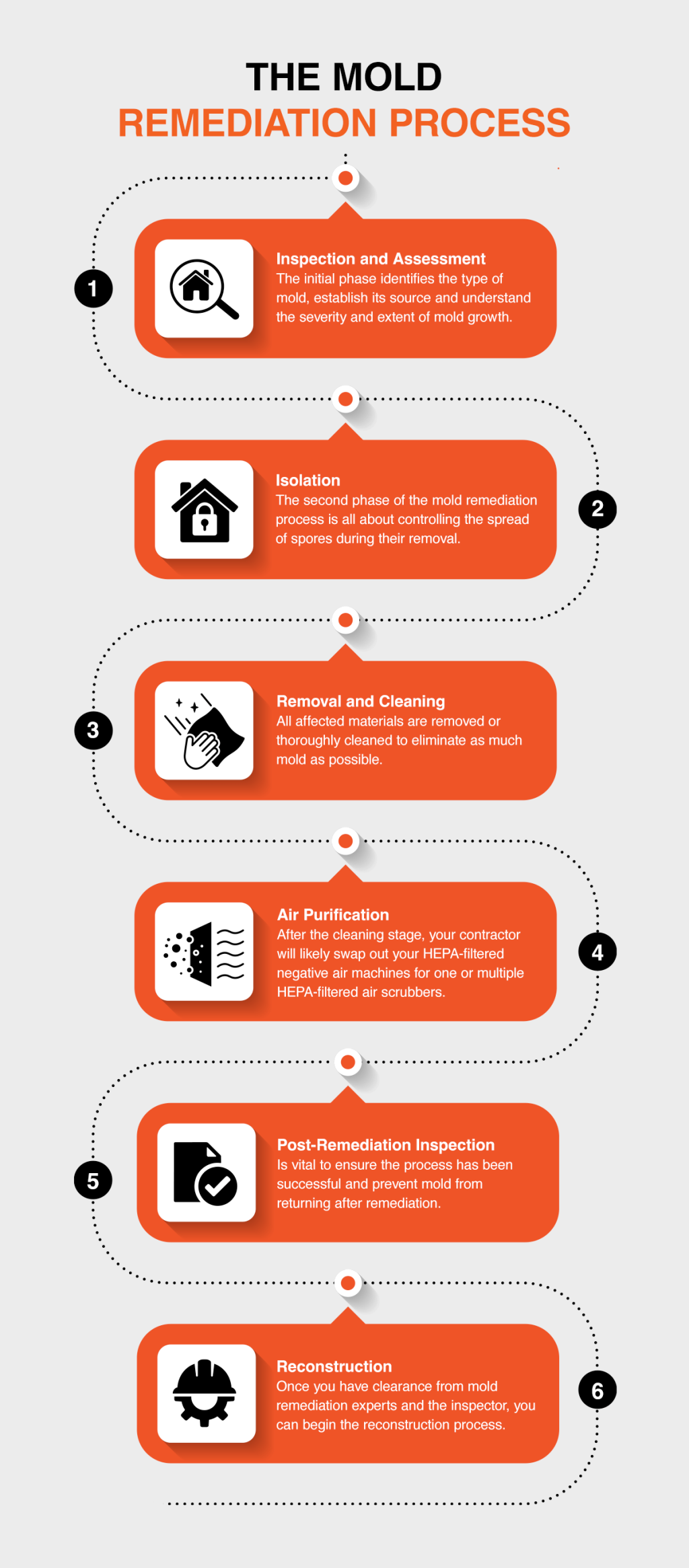
The primary technical goal is to address the "Condition 3" state, as defined by professional industry standards, which involves visible, active fungal growth. The remediation process fundamentally relies on the "Three Pillars of Remediation": source identification, containment, and removal. If the moisture source—be it a plumbing leak, condensation, or high humidity—is not corrected, the remediation will fail, leading to rapid re-colonization.
Categorizing Remediation Methods
Professional remediation is categorized based on the nature of the affected materials and the severity of the contamination. These methods vary in technical intensity and required equipment.
1. Dry Brushing and HEPA Vacuuming
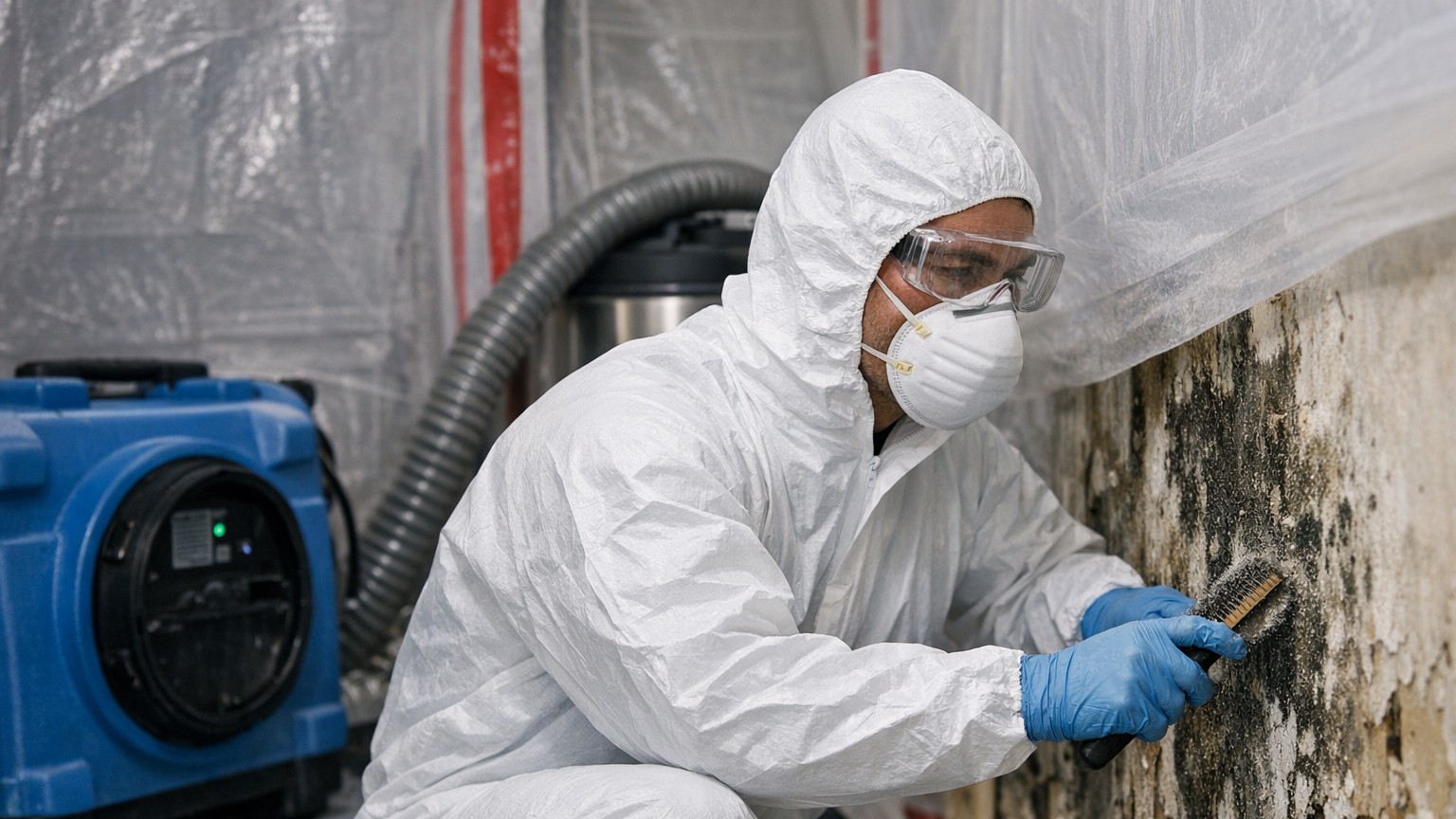
For minor contamination on non-porous or semi-porous surfaces, dry brushing is often the first step. This process physically dislodges fungal colonies. It must always be accompanied by a High-Efficiency Particulate Air (HEPA) vacuum. A HEPA filter is engineered to capture 99.97% of particles at 0.3 microns, ensuring that dislodged spores are not aerosolized into the rest of the structure.
2. Wet Cleaning and Detergent Scrubbing
Wet cleaning is used primarily on hard, non-porous surfaces like finished metal, plastic, or glazed ceramics. Using specialized antimicrobial solutions or mild detergents, technicians physically scrub the surface. The technical constraint here is moisture management: the surface must be dried rapidly following the scrub to prevent secondary microbial growth.
3. Media Blasting (Dry Ice and Soda Blasting)
Media blasting is a high-velocity technique used for heavy contamination on wood framing or masonry.
- Dry Ice Blasting: Uses solid CO2 pellets accelerated at the surface. The thermal shock and kinetic energy blast the mold off, and the dry ice sublimates into gas, leaving no secondary waste behind.
- Soda Blasting: Uses sodium bicarbonate particles. This is abrasive and effective for porous surfaces like wood, though it leaves a residual powder that must be thoroughly HEPA-vacuumed afterward.
4. Controlled Demolition (Removal)
When porous materials—such as drywall, insulation, or carpet—become saturated with mold, physical removal is the only compliant remediation path. Once the mycelium (the root system of the mold) penetrates the porous substrate, cleaning is impossible. This requires strict negative-pressure containment to prevent cross-contamination of unaffected areas.
Technical Comparison of Remediation Techniques
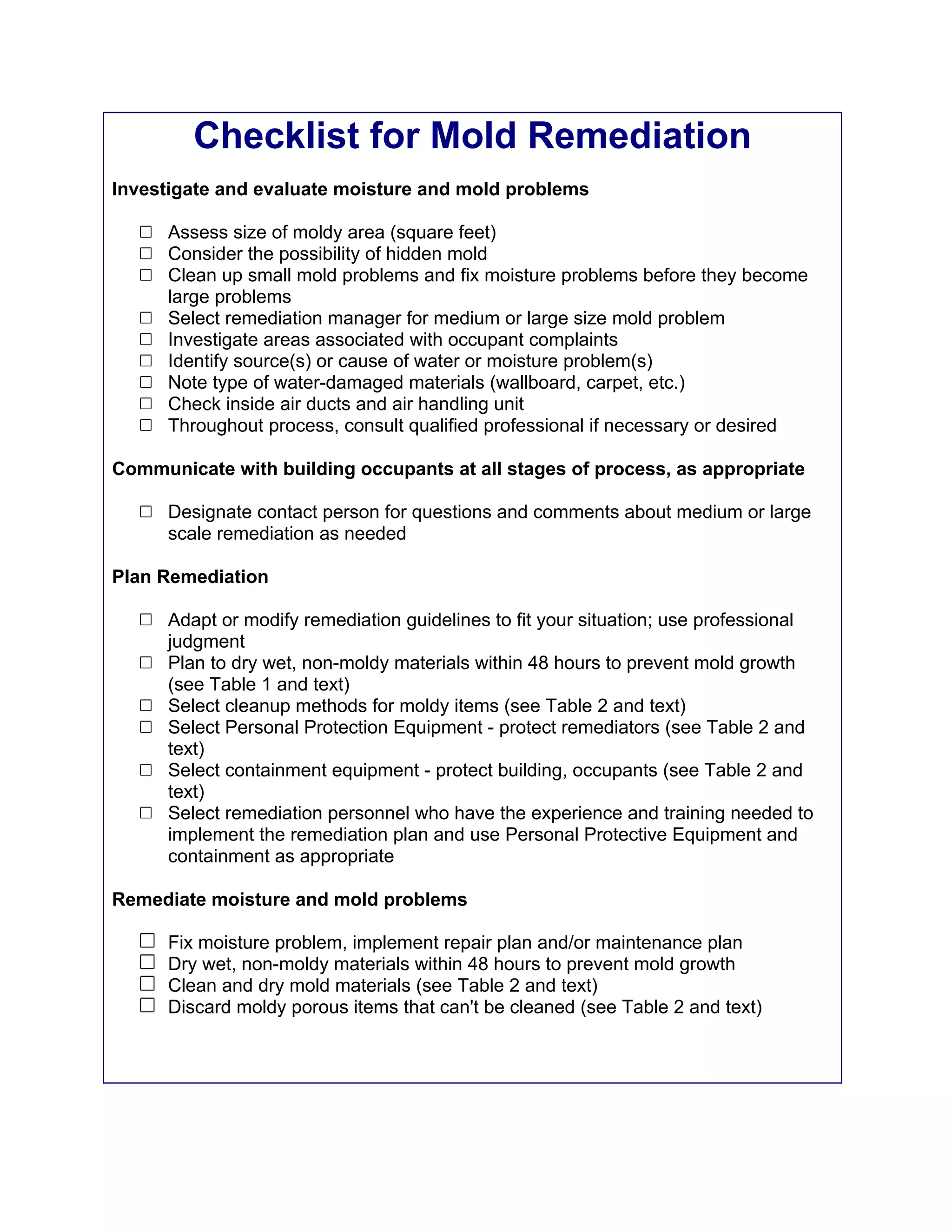
| Method | Target Material | Primary Mechanism | Waste Level |
|---|---|---|---|
| HEPA Vacuuming | Surface dust | Filtration/Suction | Low |
| Wet Scrubbing | Non-porous surfaces | Physical removal | Low |
| Dry Ice Blasting | Wood/Masonry | Thermal/Kinetic | None |
| Soda Blasting | Wood/Frame | Abrasive blasting | Moderate |
| Demolition | Drywall/Insulation | Physical removal | High |
Critical Technical Requirements
The success of any remediation project depends on strictly defined environmental controls.
Negative Air Pressure During the remediation of large areas, technicians establish negative pressure using an Air Scrubber. By maintaining the air pressure inside the containment zone lower than the surrounding environment, air is forced into the containment area rather than leaking out of it. This ensures that no spores migrate to clean rooms during the disturbance of materials.
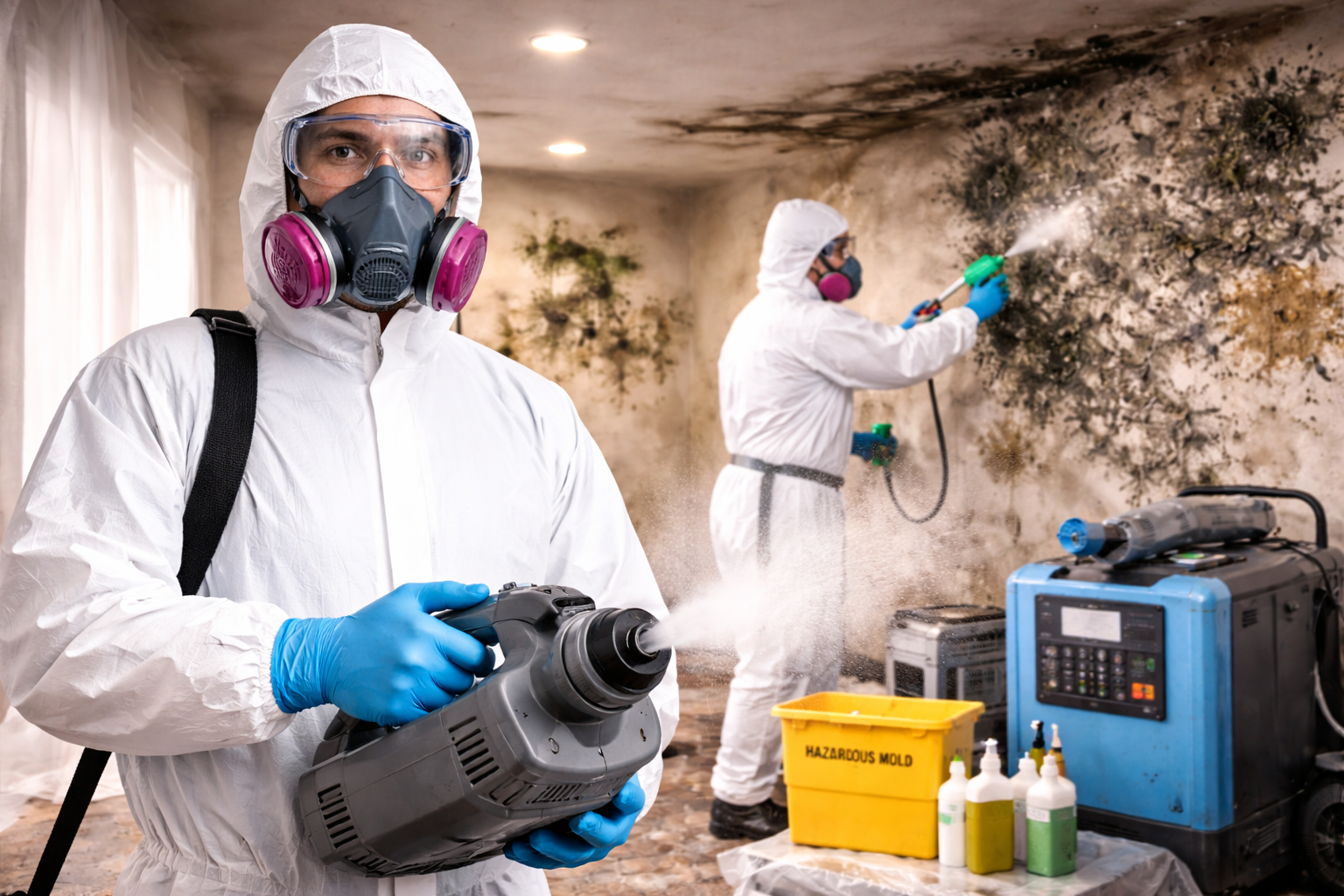
Containment and PPE Standard remediation protocols require the use of 6-mil polyethylene sheeting to seal off the work zone. Personnel must utilize Personal Protective Equipment (PPE), including N95 or P100 respirators, to protect against inhalation of aerosolized spores and mycotoxins. The level of PPE is determined by the scope of the project and the toxicity profile of the mold species identified during the initial assessment.
Verification: The Post-Remediation Evaluation
Once physical removal is complete, the area must undergo a Post-Remediation Verification (PRV). This is an objective inspection, often performed by an independent environmental hygienist, not the remediation contractor.
The inspector checks for:
- Visible debris: Are all surfaces clean to the touch?
- Moisture levels: Have the moisture content levels in materials returned to acceptable industry standards (typically below 16% for wood).
- Air sampling: Does the fungal spore count inside the containment zone match or fall below the background levels found in the outdoor environment?
If any of these metrics fail, the contractor must return to perform secondary cleaning, extending the duration of the project.
Common Troubleshooting and Mistakes
A frequent error in remediation is the overuse of biocides. Many believe that "killing" the mold is sufficient; however, dead mold spores are still allergenic and can contain toxic compounds. Effective remediation is about the removal of mass, not just the chemical destruction of the organism.
Another technical oversight is the failure to account for HVAC systems. If the HVAC system was operating during a period of mold amplification, the internal ductwork and registers likely contain significant spore concentrations. Ignoring these systems can lead to re-contamination of the entire house shortly after the primary remediation is finished.
Frequently Asked Questions
Does bleach kill mold on porous surfaces? No. Bleach is primarily a surface-level disinfectant. On porous materials like wood or drywall, the water component of the bleach solution often penetrates the material, feeding the mold roots while failing to remove the growth, often leading to rapid return of the colony.
What is the difference between remediation and removal? "Removal" refers specifically to taking out contaminated materials. "Remediation" is the comprehensive process that includes source correction, containment, physical removal, and post-verification cleaning to ensure the environment is safe.
How do I know if the mold is toxic? All mold has the potential to trigger health responses in sensitive individuals. Determining "toxicity" requires laboratory analysis of air and surface samples by a qualified industrial hygienist to identify specific genera and species (e.g., Stachybotrys chartarum).
How long does a typical remediation project take? Project timelines vary significantly based on the square footage of the contamination and the complexity of the building structure. A minor localized cleanup may take 1-2 days, while extensive structural remediation can take weeks.
Who should I hire to inspect mold? You should hire a licensed or certified Industrial Hygienist or a Professional Mold Inspector who holds no financial stake in the remediation work. This separation of duties prevents conflicts of interest regarding the scope of the work.
Recommended Next Actions
If you suspect significant mold growth, your first step should be an independent moisture survey to identify the source of water infiltration. Correct the moisture issue immediately to stop further colonization. Once the site is dry, engage an independent inspector to document the scope of the growth. Use their report to solicit competitive bids from licensed remediation contractors, ensuring that they follow established protocols such as those outlined by the IICRC.
Image Gallery