How to Build a Blast Furnace Safely: A Technical Overview
Constructing a blast furnace is an intensive engineering project that requires precise material selection, structural integrity, and rigorous safety protocols to manage extreme thermal energy. The process involves creating a refractory...
Constructing a blast furnace is an intensive engineering project that requires precise material selection, structural integrity, and rigorous safety protocols to manage extreme thermal energy. The process involves creating a refractory-lined shaft furnace capable of sustaining internal temperatures exceeding 1,500°C while facilitating the chemical reduction of iron ore into molten pig iron.
Contents
Understanding the Blast Furnace Lifecycle
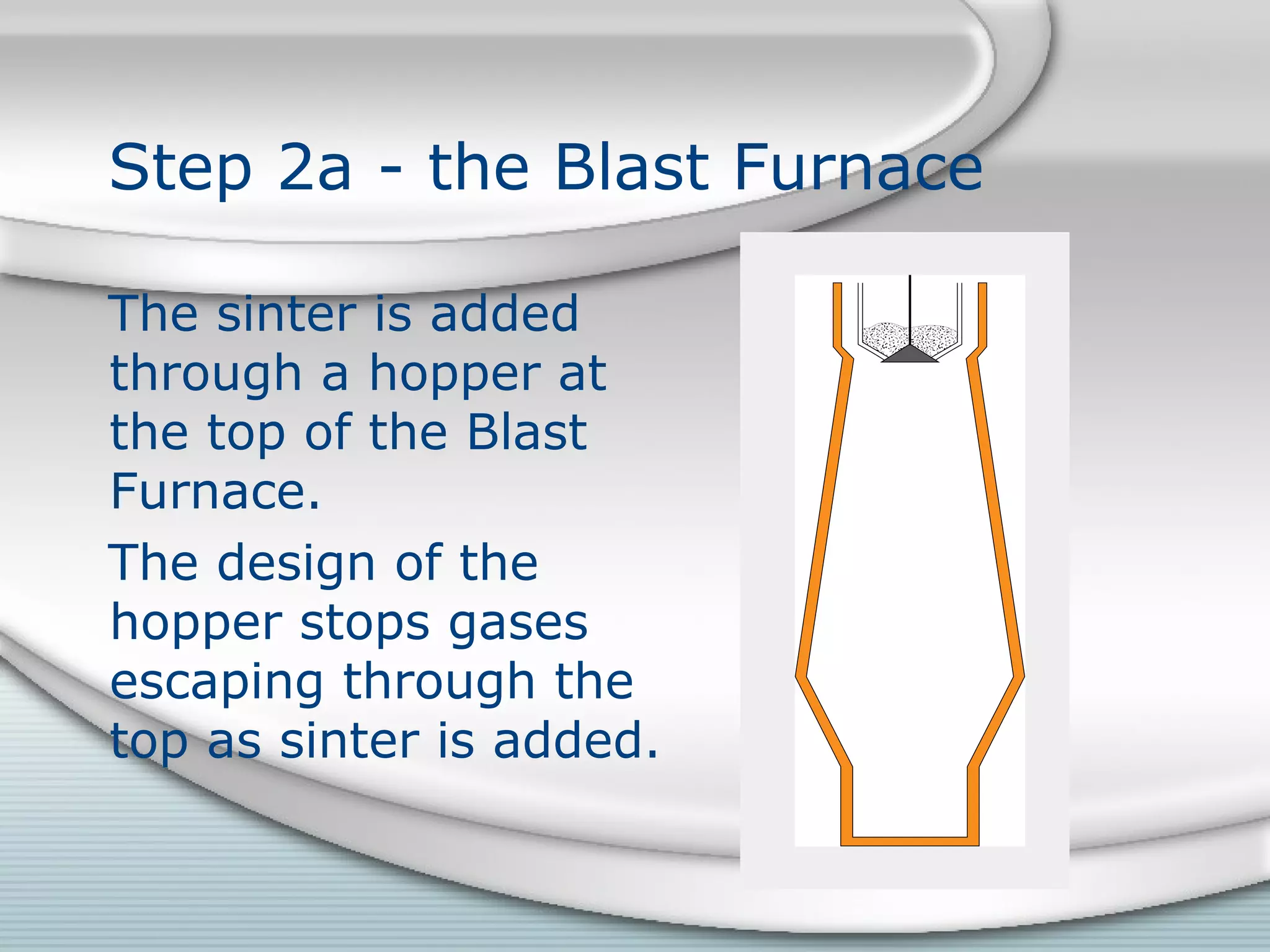
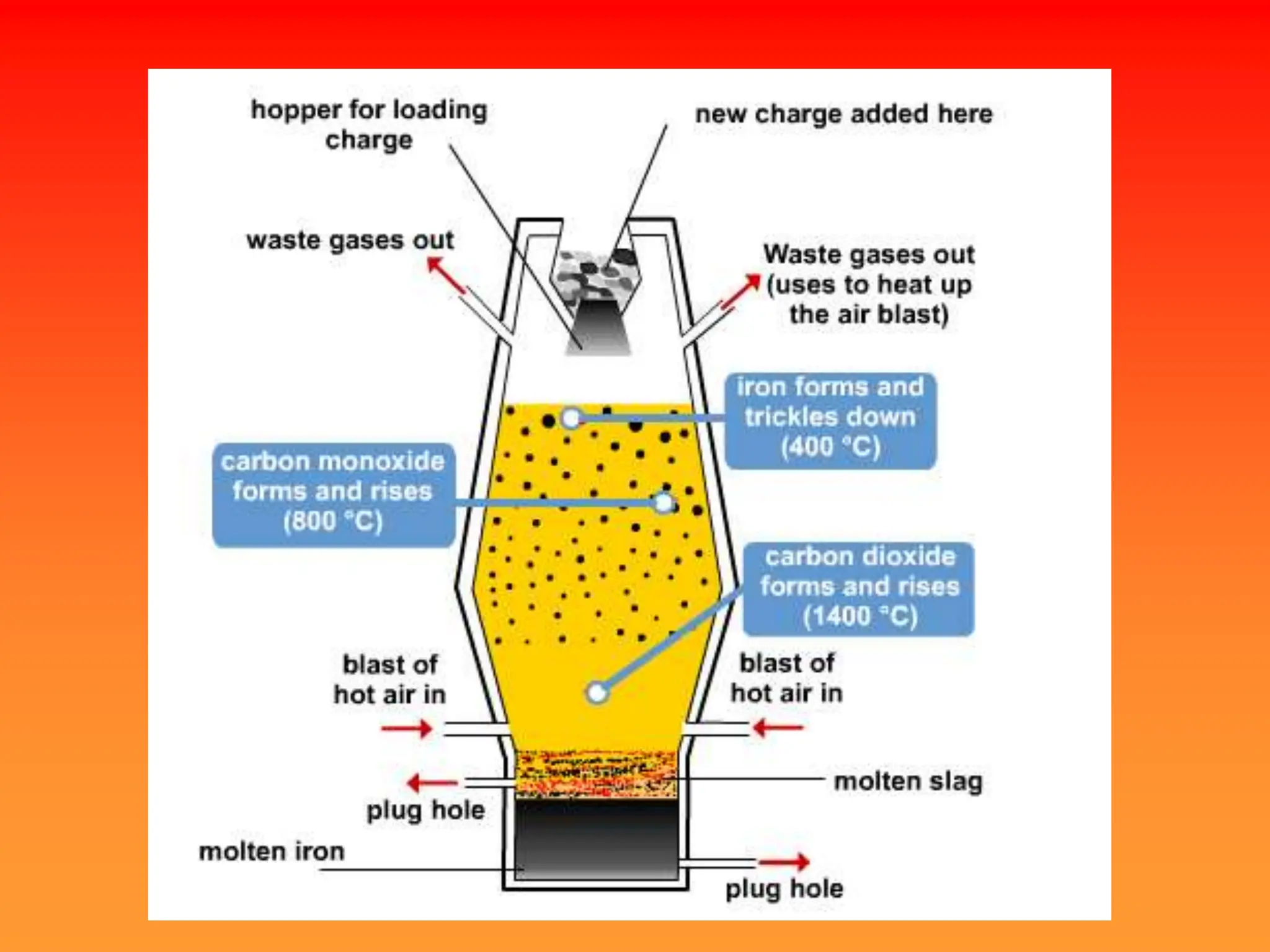
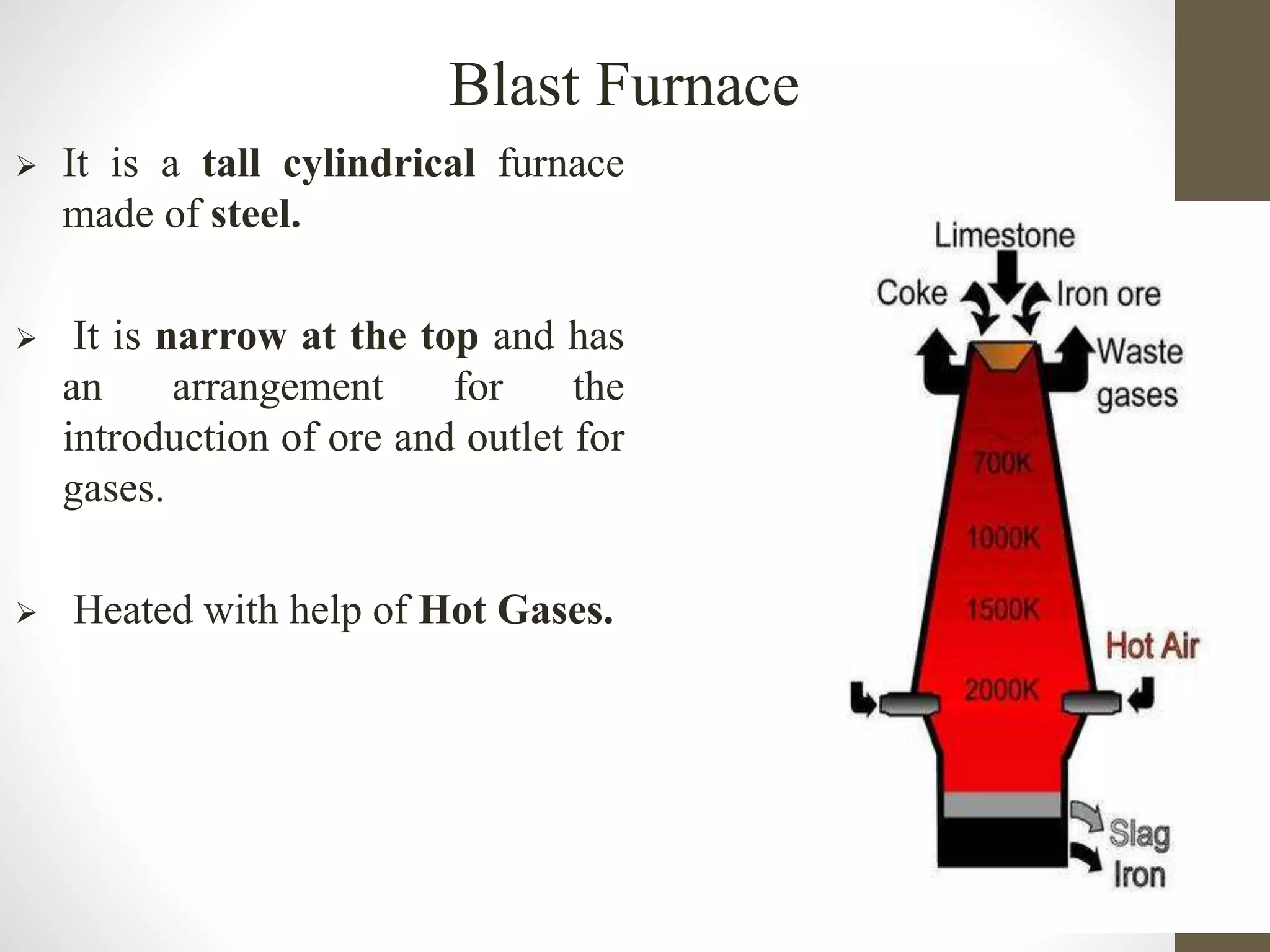
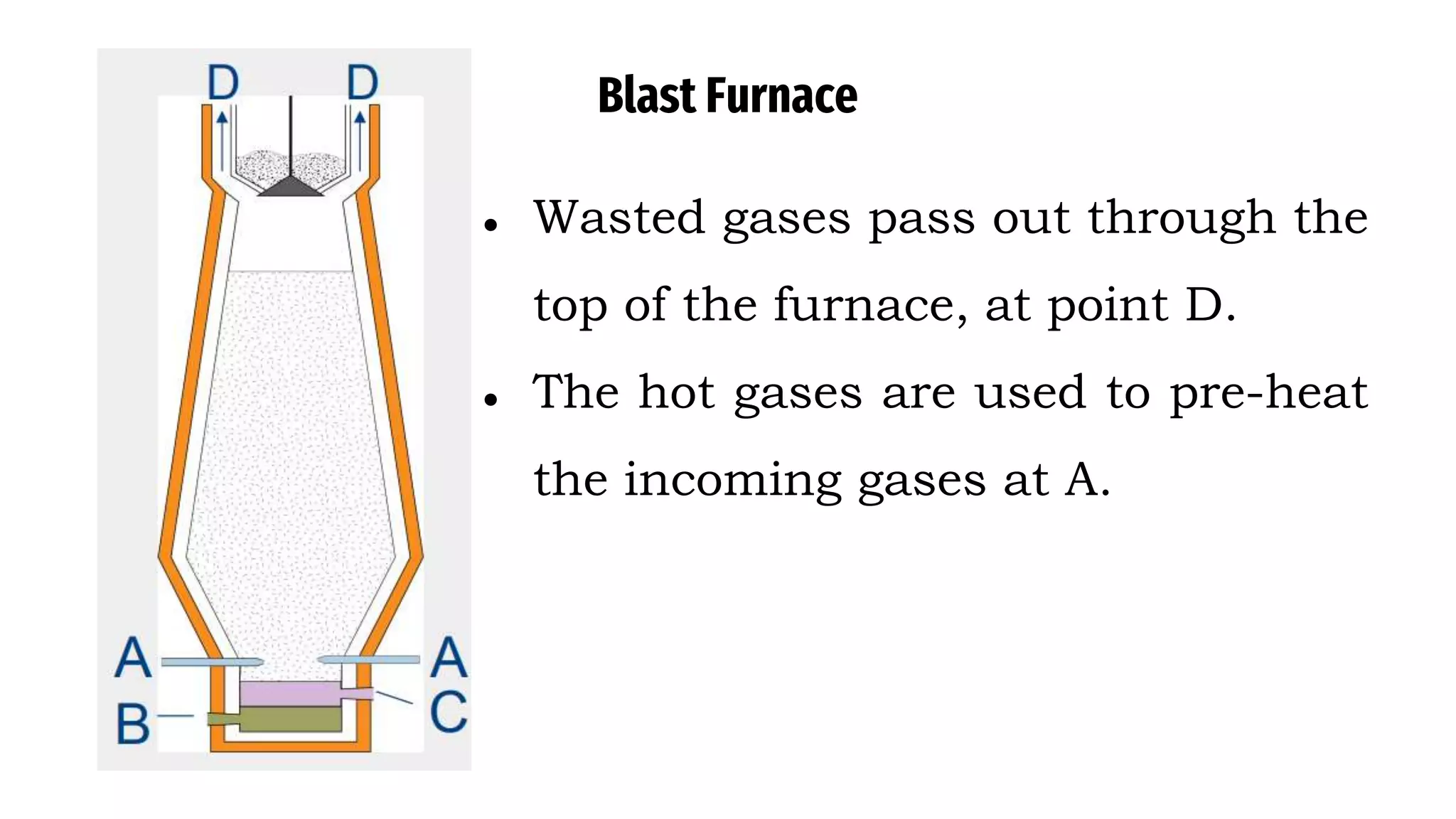
A blast furnace operates on the principle of a counter-current exchange. Iron-bearing materials, fuel (typically metallurgical coke), and flux (limestone) are charged into the top of the furnace, while a hot blast of air—often enriched with oxygen—is injected through tuyeres at the bottom. The resulting combustion generates heat and reducing gases that strip oxygen from the ore.
Building a furnace capable of handling these conditions is not a task for the unprepared. The primary risks involve molten metal breakouts, structural collapse, and the release of toxic carbon monoxide (CO) gas. In a professional or industrial setting, safety is integrated into the design phase through advanced computational fluid dynamics (CFD) and finite element analysis (FEA) to predict thermal stress.
Essential Safety Requirements and Legal Compliance
Before breaking ground or sourcing materials, you must address the jurisdictional and safety-critical environment. Industrial-scale furnace construction is governed by stringent international and local regulations.
- Permits and Zoning: In most jurisdictions, building a smelting furnace is subject to heavy industrial zoning and environmental oversight. Emissions of particulates and gases are strictly regulated by agencies such as the Environmental Protection Agency (EPA) in the United States or equivalent local environmental ministries.
- Structural Engineering Certification: The weight of the refractory lining, the steel shell, and the burden (the materials inside) is immense. Professional structural engineering sign-off is non-negotiable to prevent catastrophic structural failure.
- Fire Suppression and Containment: Facilities must be designed with secondary containment systems to prevent molten metal spills from causing structural fires or structural steel weakening.
Technical Specifications and Materials
The success of a blast furnace relies on the quality of its refractory lining. This inner layer protects the steel outer shell from the intense heat of the reaction zone.
Refractory Materials
- High-Alumina Bricks: Preferred for the upper shaft where thermal shock resistance is required.
- Carbon Blocks/Graphite: Essential for the hearth and tuyere zones where contact with molten iron and slag occurs.
- Castable Refractories: Used for patching and filling complex geometries where bricklaying is impractical.
Mechanical Components
- The Shell: Typically fabricated from thick-gauge carbon steel plates, often water-cooled to manage heat flux.
- Tuyeres: The nozzles that introduce the air blast. These must be water-cooled to prevent them from melting into the furnace hearth.
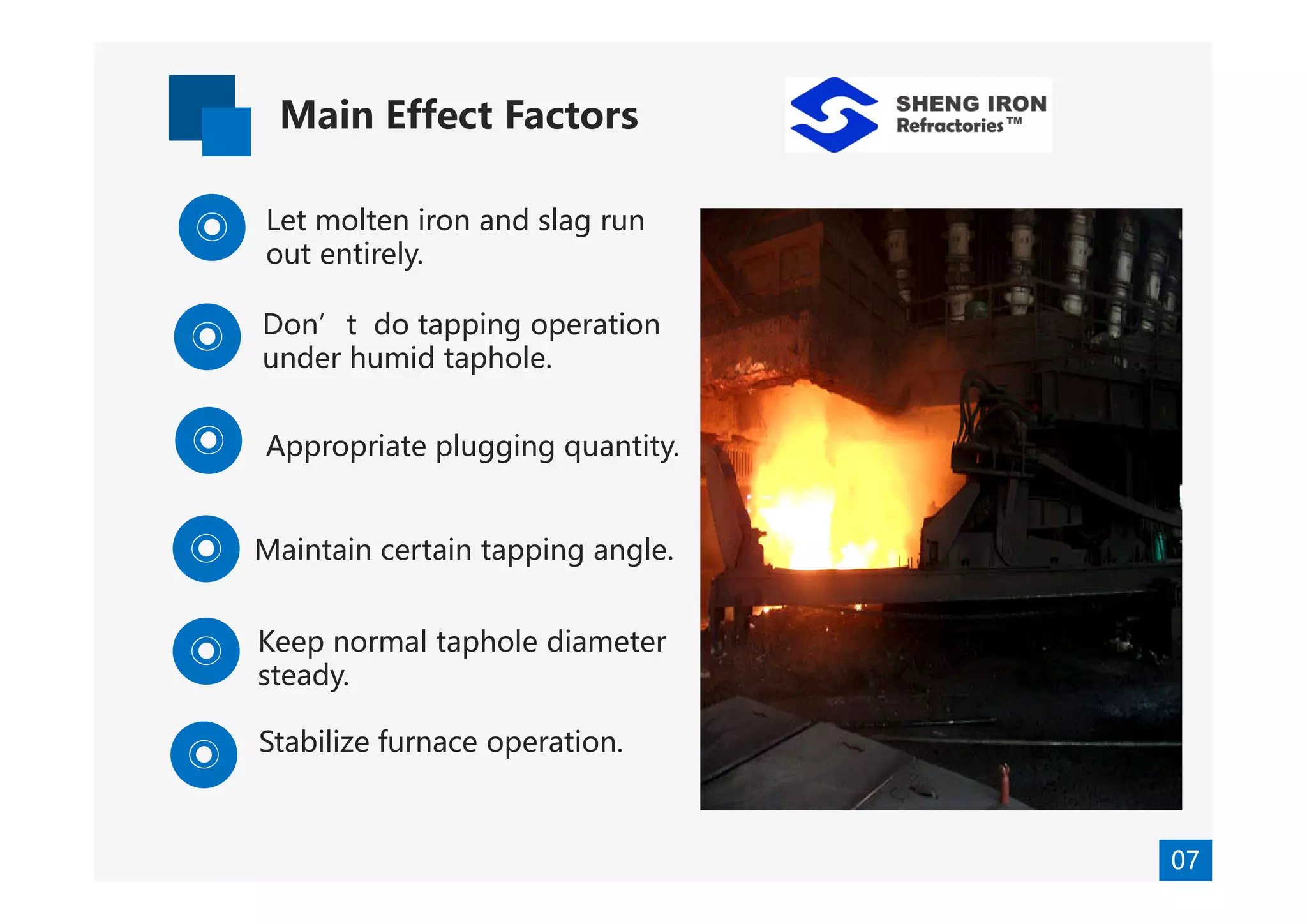
- The Taphole: A critical access point that must be reinforced to handle the high pressure and thermal cycling of "tapping" (releasing) the molten iron.
Step-by-Step Construction Considerations
While the scale of a furnace can vary, the following sequence represents the standard engineering workflow for building a safe and functional unit.
1. Foundation and Structural Base
The furnace sits on a massive reinforced concrete pad, often containing cooling pipes to prevent the ground beneath the hearth from heating up and expanding. Expansion joints are critical here to allow for the thermal movement of the entire structure during the heat-up cycle.
2. The Hearth and Crucible Assembly
The hearth is the bottom section where molten iron collects. It must be perfectly circular and exceptionally well-sealed. Professional builders often utilize "stave cooling," where water-circulating steel segments are installed between the shell and the refractory to freeze a layer of slag inside the furnace, creating a protective coating.
3. Lining Installation
Lining a furnace is a precise masonry task. Refractory bricks must be laid with minimal gap sizes to prevent molten metal penetration (breakouts). Using high-temperature mortars specifically rated for the intended process temperature is vital.
4. Blast Air Delivery System
The hot blast system includes the bustle pipe (which distributes the air around the furnace) and the tuyeres. This system must be leak-proof, as any loss of air pressure reduces the efficiency and temperature control of the furnace.
Comparative Overview of Furnace Components
| Component | Function | Primary Material | Critical Safety Risk |
|---|---|---|---|
| Shell | Structural containment | Carbon Steel | Fatigue and rupture |
| Hearth | Molten iron collection | Carbon blocks | Metal breakout |
| Tuyere | Air injection | Copper/Water-cooled | Steam explosion |
| Tuyere Stock | Blast delivery | Refractory lined steel | Pressurized gas leak |
| Cooling Staves | Thermal management | Cast iron/Steel | Water leak into furnace |
Maintenance and Operational Safety
Building the furnace is only the beginning. Maintenance procedures, such as periodic "campaign" monitoring, determine the lifespan of the equipment.
- Cooling Water Chemistry: If water cooling is used, the water must be treated to prevent scaling and corrosion. A leak into the furnace at high temperatures can cause a steam explosion, which is among the most severe hazards in metal smelting.
- Gas Scrubbing: The off-gas from the furnace contains high concentrations of carbon monoxide. Scrubbing systems are mandatory to clean the gas before it is either utilized as fuel or exhausted.
- Monitoring Sensors: Modern furnaces utilize infrared cameras to monitor shell temperatures and thermocouple arrays embedded in the lining to detect "hot spots," which indicate localized refractory failure.
Troubleshooting Common Issues
Refractory Erosion
If thermocouple data indicates rising shell temperatures, the internal lining may be eroding. The immediate action is to reduce the furnace temperature and, if possible, increase the cooling rate of that specific area via external water sprays or adjusted stave cooling parameters.
Hearth "Frozen" Metal
If the taphole cannot be opened, the metal may have solidified in the hearth. This is a hazardous situation that requires thermal lances or specialized drills to clear. Never attempt to force a taphole open without proper pressure relief protocols in place.
Frequently Asked Questions
Is it possible to build a small-scale blast furnace?
While you can build a small-scale iron furnace for experimental purposes, it is not a "blast furnace" in the industrial sense. Small smelters typically use forced air blowers on a smaller volume of material. Industrial blast furnaces require specialized engineering, high-pressure air, and massive infrastructure to maintain the necessary chemical equilibrium.
What is the most dangerous part of operating a blast furnace?
The most significant danger is a "breakout," where molten iron pierces the shell. This can lead to explosive reactions if it contacts water or cooling systems. Additionally, carbon monoxide poisoning is a constant threat near the top of the furnace or in gas handling areas.
How is the iron ore refined inside?
The process uses chemical reduction. Coke burns to produce carbon monoxide, which then pulls oxygen away from the iron oxide in the ore. This turns the solid ore into liquid iron as it descends through the furnace.
Do I need professional engineering certifications to build one?
Yes. If the furnace is intended to hold industrial volumes of molten material, it falls under pressure vessel and industrial structural codes. Regulatory bodies require certified designs to ensure the safety of personnel and the surrounding environment.
What is the purpose of the tuyeres?
Tuyeres are specialized nozzles that deliver the "blast" of preheated air into the furnace. They are positioned at the bottom of the stack to ignite the coke, providing the heat required to melt the iron and the gases required for the chemical reduction of the ore.
Recommendation for Next Steps
If you are planning a high-temperature metallurgical project, begin by consulting with an industrial refractory engineer and your local building or environmental authority. Do not attempt to design the containment or thermal management systems of a smelting furnace without professional, certified guidance. Obtain a copy of the latest industrial safety standards from your local engineering association to ensure your design plans meet 2026 safety and emissions requirements.
Image Gallery