An Overview of the Dutch Government System: Structure, Governance, and Legislative Processes
The Dutch government functions as a constitutional monarchy with a parliamentary democracy, defined by a system of proportional representation that necessitates coalition-based governance. Centered on the principle of the "polder model...
The Dutch government functions as a constitutional monarchy with a parliamentary democracy, defined by a system of proportional representation that necessitates coalition-based governance. Centered on the principle of the "polder model," the state relies on consensus-driven decision-making across three tiers: the central government, the twelve provinces, and the municipalities, each operating within the framework of the Constitution of the Netherlands.
Contents
The Constitutional Framework and the Monarchy
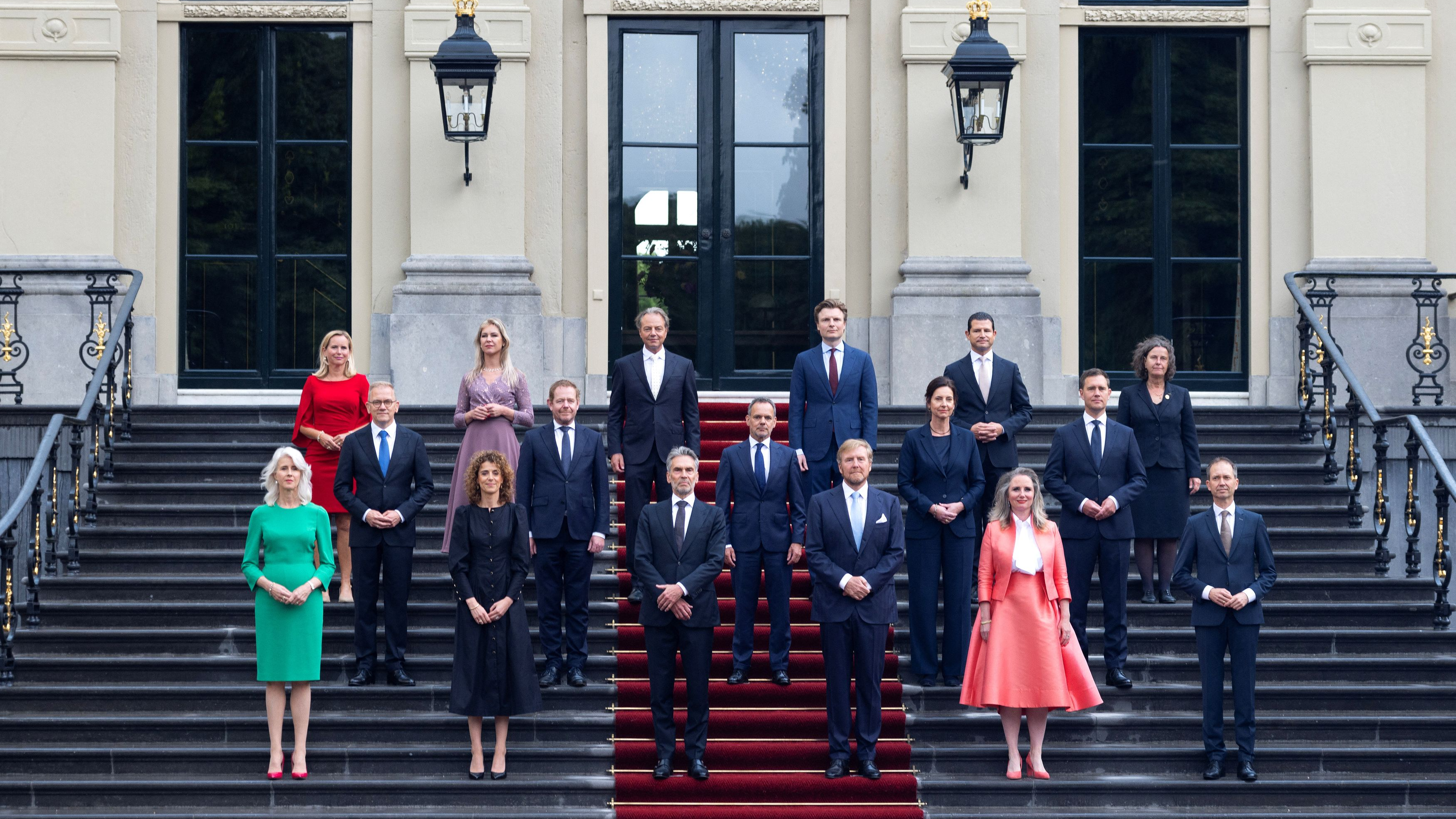
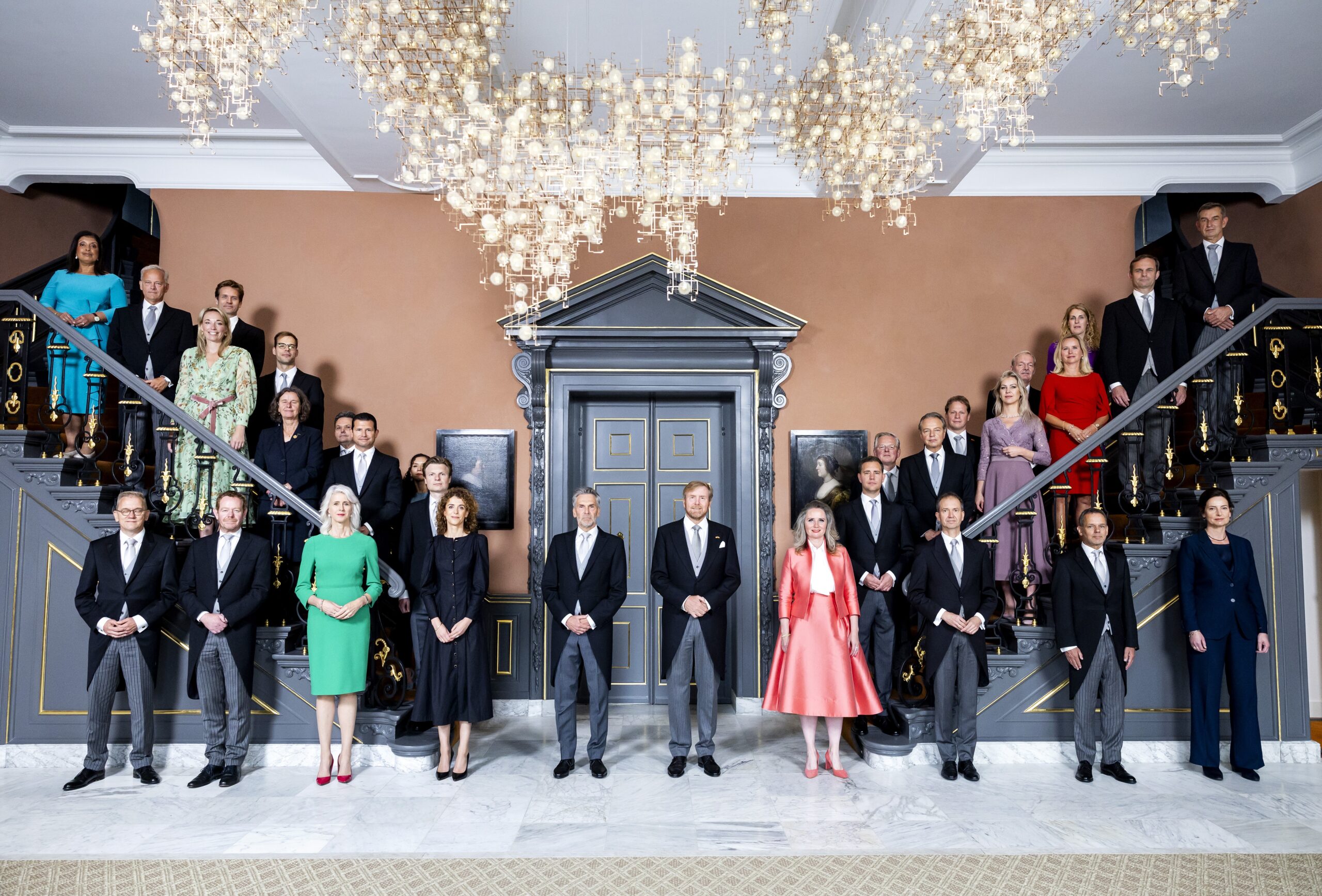
The Kingdom of the Netherlands is a constitutional monarchy. While the King (currently Willem-Alexander as of 2026) serves as the Head of State, his role is largely ceremonial and symbolic. He forms part of the government alongside the ministers, but the executive power is exercised by the Council of Ministers. The King’s influence is restricted by the principle of ministerial responsibility; he cannot be held politically accountable for the actions of the government, as every royal act requires the countersignature of a responsible minister.
The constitution serves as the foundational document, protecting the fundamental rights of citizens, such as freedom of speech, freedom of religion, and the right to privacy. It dictates the separation of powers into the legislature, the executive, and the judiciary, ensuring that no single entity wields absolute authority.
The Executive Branch: Council of Ministers
The executive power is vested in the Cabinet, which consists of the Prime Minister and the other ministers, along with State Secretaries. The Prime Minister serves as the head of government, chairing the Council of Ministers. Because the Netherlands employs a proportional representation system, it is extremely rare for a single political party to hold an absolute majority in the parliament. Consequently, the government is almost always a coalition of multiple parties that must negotiate a "Coalition Agreement" (regeerakkoord) to form a stable administration.
The ministers are responsible for specific portfolios—such as Finance, Defense, or Infrastructure—and are accountable to the States General. They operate collectively; if a minister loses the support of parliament, they are generally expected to resign, a practice reinforced by the constitutional convention of political accountability.
The Legislative Branch: The States General
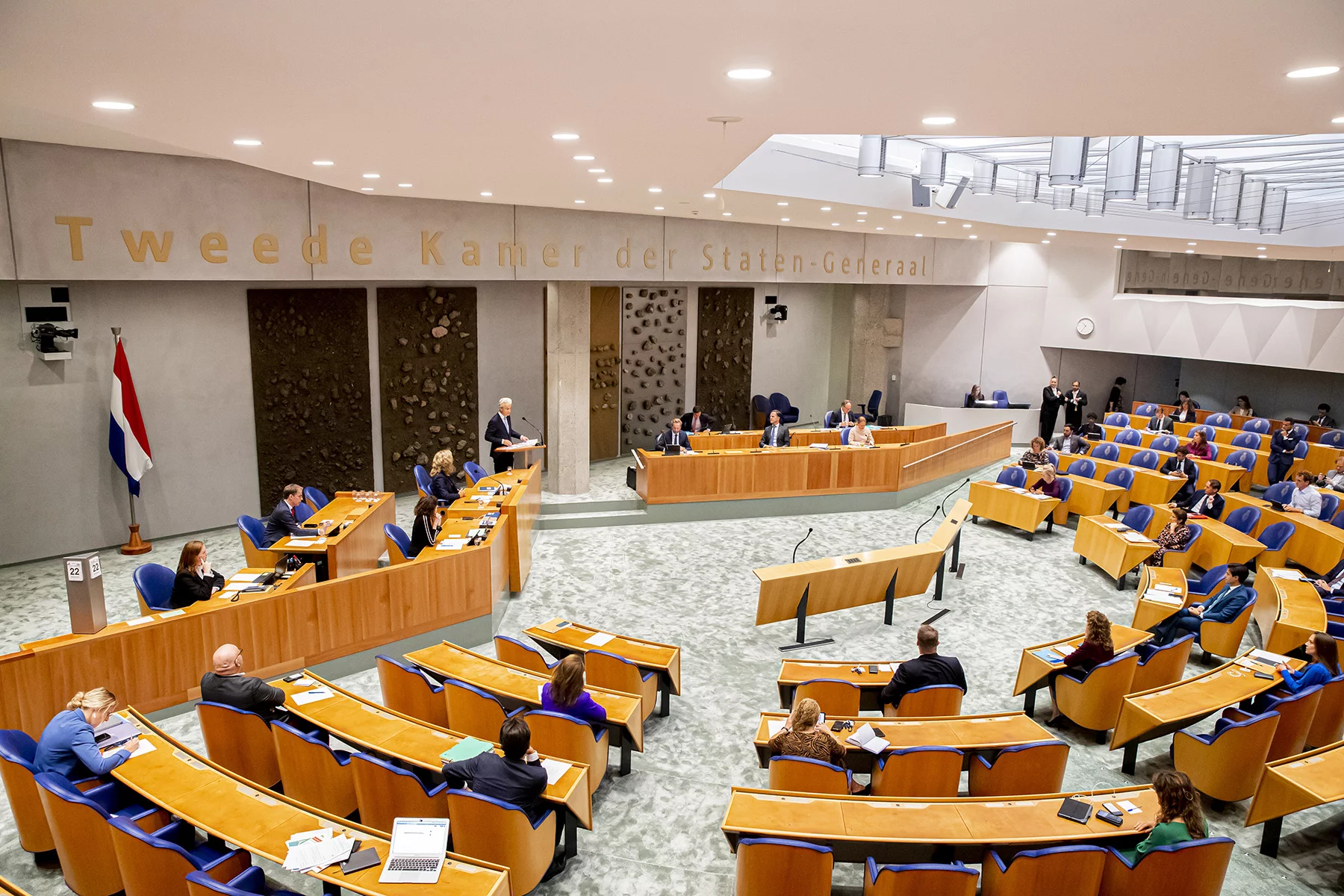
The Dutch parliament, known as the States General (Staten-Generaal), is bicameral. It is composed of two chambers that together oversee the executive branch and participate in the legislative process:
- The House of Representatives (Tweede Kamer): Comprising 150 members directly elected by the population, this is the primary legislative body. It holds the power to initiate legislation, amend proposals, and—crucially—interrogate ministers or force their resignation through a motion of no confidence.
- The Senate (Eerste Kamer): Comprising 75 members who are indirectly elected by the members of the Provincial States. The Senate’s role is to review legislation passed by the House of Representatives. While it cannot propose or amend bills, it holds the power of veto, meaning it can accept or reject legislation in its entirety.
Proportional Representation and Political Pluralism
The Dutch electoral system is characterized by a high degree of proportionality. There is no traditional district system; instead, the entire country acts as a single constituency for the distribution of seats. This allows even smaller niche parties to gain representation in the House of Representatives if they meet the threshold for a single seat.
This system fosters a multi-party landscape, which historically requires extensive negotiations to form a government. This process, often lengthy, forces political parties to compromise, leading to policies that reflect a broad spectrum of the population rather than the desires of a single party majority.
Administrative Tiers and Decentralized Governance
Governance in the Netherlands is distributed across three layers of government, each with its own level of autonomy and responsibility:
- Central Government: Responsible for national matters including defense, foreign policy, national taxation, and overarching infrastructure.
- Provinces: There are twelve provinces that bridge the gap between national and municipal levels. They focus on regional planning, environmental management, and economic development.
- Municipalities: These are the most direct level of government for the average citizen. Municipalities handle local services, including waste collection, social housing, local infrastructure, and the issuance of identity documents.
| Tier | Primary Role | Key Oversight |
|---|---|---|
| Central | National Policy & Legislation | States General |
| Provincial | Regional Infrastructure & Environment | Provincial States |
| Municipal | Local Services & Public Amenities | Municipal Council |
The Judiciary and Rule of Law
The Dutch judiciary is independent of the executive and legislative branches. Judges are appointed for life, ensuring impartiality in their interpretation of the law. The Netherlands does not have a constitutional court; therefore, Dutch judges are prohibited from testing the constitutionality of acts of Parliament. Instead, they interpret laws based on the text of the statutes and the intent of the legislator. However, they do possess the authority to test national legislation against international treaties, such as the European Convention on Human Rights, which holds supreme status in the Dutch legal hierarchy.
The Polder Model: Consensus-Based Decision Making
A defining characteristic of the Dutch government system is the "polder model." This refers to the tradition of consensus-based decision-making. Historically rooted in the collaborative effort required to manage dikes and water levels, this approach now permeates the political and socio-economic spheres. Employers, labor unions, and the government frequently engage in dialogue to reach agreements on wages, social security, and labor market policies. This collaborative spirit aims to minimize social friction and ensure broad-based support for national policies.
Frequently Asked Questions
Who is the head of state in the Netherlands? The head of state is the monarch (King). The King represents the country internationally and performs ceremonial duties, but he holds no political power, and his actions must be sanctioned by a government minister.
How is the Prime Minister chosen? The Prime Minister is not directly elected by the public. Following a general election, the leaders of the political parties that have decided to form a coalition government negotiate who will hold the premiership. This individual is then formally appointed by the King.
Can the Dutch government be dissolved early? Yes. If the governing coalition collapses—often due to internal disagreements—the government may resign. The King may then call for new elections, or a caretaker government may be formed to manage administrative duties until a new coalition can be negotiated.
What is the role of the Council of State? The Council of State (Raad van State) is the oldest and most important advisory body to the government. It provides mandatory, non-binding legal advice on all legislative proposals before they are submitted to parliament, ensuring that draft laws comply with existing legal frameworks.
How does an individual become involved in the political process? Citizens over the age of 18 have the right to vote in national, provincial, municipal, and European elections. Furthermore, citizens can participate in public consultations, join political parties, or petition the House of Representatives regarding proposed legislation.
Practical Recommendation
For individuals navigating the Dutch government system for administrative purposes—such as residence registration, business permits, or tax inquiries—the primary point of contact is the official government portal at rijksoverheid.nl. This resource serves as the centralized hub for all public service information, digital application forms, and documentation regarding current government policy and legal requirements. Always ensure that you are viewing the most recent, dated version of any official regulation, as procedures can evolve following parliamentary updates.
Image Gallery