How to Calculate Life Insurance in an Employment Lawsuit
Calculating the value of life insurance in the context of an employment lawsuit requires determining the "lost benefit" or "front pay" value associated with the coverage an employee would have received had their employment not been ter...
Calculating the value of life insurance in the context of an employment lawsuit requires determining the "lost benefit" or "front pay" value associated with the coverage an employee would have received had their employment not been terminated. When a plaintiff seeks damages for wrongful termination or breach of contract, life insurance—often provided as a subsidized group policy—constitutes a component of their total compensation package. To calculate this value, legal counsel and financial experts must assess the cost of replacing that coverage, the duration of the projected loss, and the impact of the employee’s current health status on premium costs.
Contents
Understanding the Role of Life Insurance as Compensation
In employment litigation, courts generally view fringe benefits such as life insurance as part of the "make-whole" remedy. When an employee is terminated, they lose access to employer-sponsored group life insurance policies, which are often provided at low or no cost to the employee. Because these policies are typically guaranteed-issue (requiring no medical underwriting) and group-rated, the employee cannot simply walk into the private market and purchase an equivalent policy at the same price.
The calculation of this loss focuses on the replacement cost. If an employer provides a $500,000 term life insurance policy, the damages are not the face value of the policy, but rather the economic burden placed on the plaintiff to replicate that specific coverage elsewhere. If the plaintiff cannot obtain equivalent coverage due to age or health changes occurring after their termination, the damages must account for the difference in premiums or, in extreme cases, the cost of self-insuring.
The Methodology of Valuation
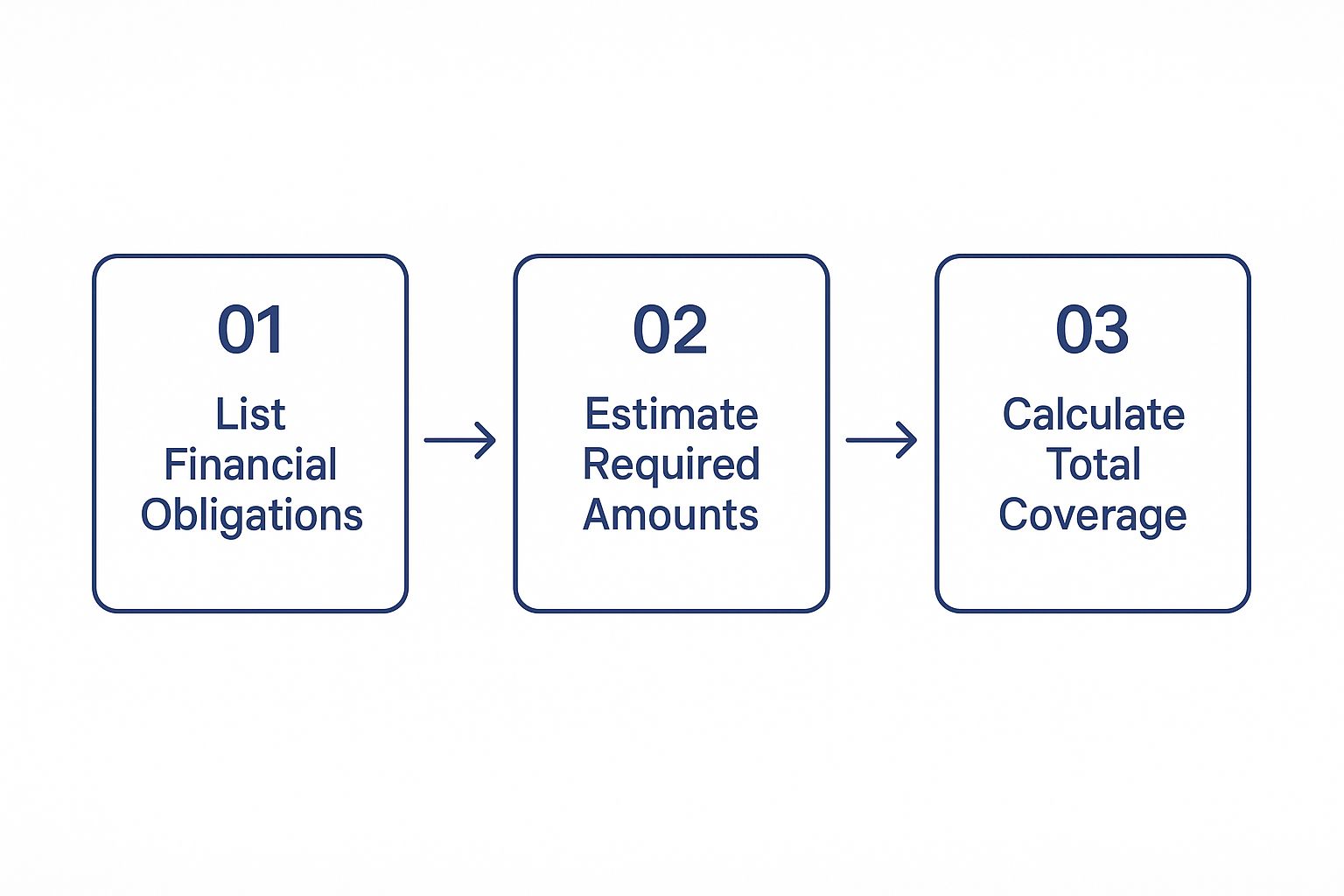
To accurately calculate the life insurance loss, forensic economists and employment lawyers typically follow a structured methodology that relies on actuarial data and market comparisons.
1. Defining the Coverage Parameters
First, identify the exact terms of the policy that was lost. Determine:
- Face Value: The total payout amount of the policy.
- Premium Contribution: How much the employer paid versus the employee's payroll deduction.
- Portability/Conversion Rights: Did the policy allow for conversion to an individual plan upon separation? If the employer failed to notify the employee of these rights, the damages might include the lost opportunity to maintain coverage.
2. Calculating the Replacement Cost
The core of the calculation is the cost to obtain a comparable policy in the individual market. Because individual life insurance prices are heavily dependent on age and medical history, a 50-year-old former employee will face significantly higher premiums for a new policy than they did under a group plan.
- Actuarial Estimation: Use current mortality tables and market rates for term life insurance to estimate what the plaintiff would pay for a similar policy today.
- The "Premium Differential": If the employee is forced to buy a more expensive policy, the damages are calculated as the present value of the premium differential over the expected duration of the employment (the "front pay" period).
3. Assessing Insurability
A critical variable is whether the plaintiff remains insurable. If the plaintiff has developed a health condition since the date of their termination that makes them uninsurable or subject to "table ratings" (higher-risk premium categories), the damages calculation must change. In these instances, the loss is no longer just the difference in premiums; it may represent the total loss of the insurance benefit, potentially calculated as the actuarial value of the policy's risk-weighted cost.
Comparison of Calculation Approaches
| Approach | Focus | When to Use |
|---|---|---|
| Premium Differential | Difference between group rates and individual market rates. | When the employee is healthy and can easily obtain new coverage. |
| Replacement Cost | Full cost of purchasing an equivalent policy from a private insurer. | When the previous group policy was fully subsidized by the employer. |
| Actuarial Risk Value | The statistical cost of the insurance benefit based on age and health. | When the plaintiff is uninsurable due to health changes post-termination. |
Prerequisites for Claiming Insurance Damages
Before a calculation can be presented in court, specific evidentiary standards must be met. You cannot simply estimate a round figure; you must substantiate the claim with documentation.
- Employment Contracts/Handbooks: These documents serve as the foundation for proving the entitlement to the benefit.
- Summary Plan Description (SPD): This is the definitive document regarding the terms, eligibility, and conversion rights of the life insurance policy.
- Premium Statements: If available, these show exactly what the employer paid, which establishes the baseline for the benefit's economic value.
- Expert Testimony: In complex cases, a forensic economist is necessary to calculate the "present value" of the future lost premiums. This involves applying a discount rate to account for the fact that the plaintiff is receiving the money in a lump sum today, rather than over time.
Common Pitfalls and Troubleshooting
Calculation errors often arise from failing to account for the specifics of the original plan. A common mistake is using the face value of the policy as the damage amount. In almost all legal jurisdictions, the court views the face value as a windfall, not a compensatory damage, unless the death of the plaintiff occurred during the period in question.
- Mitigation of Damages: The plaintiff has a duty to mitigate their damages. If they could have purchased a reasonable replacement policy but failed to do so, the court may reduce the damage award.
- Duration Issues: How long would the employment have lasted? If the plaintiff would have retired or resigned shortly after the termination, the calculation for lost life insurance must be capped at that projected date.
- Tax Considerations: Determine if the employer-provided premiums were taxable income to the employee. If they were, the damages calculation must be adjusted to reflect the "after-tax" economic value of the lost benefit.
Addressing Health-Related Complications
If a plaintiff’s health has deteriorated, legal teams should consult with an insurance underwriter or a specialized actuary. If the plaintiff cannot obtain a policy at standard rates, they might be forced into a "guaranteed issue" policy, which usually comes with lower coverage limits and higher costs. The calculation must account for the fact that the employee has lost the high-limit, low-cost protection they previously enjoyed. The "loss" here is the difference between the utility of the original plan and the limited, expensive nature of the available alternatives.
Frequently Asked Questions
Does the payout value of the life insurance count as the damage amount? No. The damages represent the loss of the benefit's value, not the death benefit itself. Unless the plaintiff died while the benefit was wrongfully withheld, the damages are limited to the cost of replacing the insurance coverage for the duration of the period the employee would have likely remained employed.
What happens if the employer provided group term insurance that was not portable? If the policy was not portable, the employee lost access to the insurance upon termination regardless of any potential conversion rights. The damages are calculated based on the cost of the employee obtaining a similar policy in the open market, adjusted for their current age and health.
How does the "front pay" period affect the calculation? The "front pay" period is the length of time the court determines the plaintiff would have remained employed. The life insurance loss is calculated by projecting the replacement cost of the premiums over this specific timeframe, then discounting that total to its present value as of 2026.
Can I include the value of accidental death and dismemberment (AD&D) insurance? Yes, if the employment contract included AD&D coverage as part of the benefits package. This requires a separate calculation of the cost of replacing that specific rider, which is often bundled with basic life insurance policies.
Is there a difference if the life insurance was fully employer-funded? Yes. If the employer paid 100% of the premiums, the calculation is simpler because the entire cost is considered a lost benefit. If the employee contributed to the premium, that amount must be subtracted from the replacement cost to determine the actual net loss to the employee.
Recommended Next Actions
To ensure an accurate valuation for a lawsuit, first obtain a copy of the Summary Plan Description (SPD) for the life insurance policy from the former employer’s HR department or the plan administrator. Once the terms are clear, retain a forensic economist to prepare a report that calculates the present value of the replacement cost, ensuring they incorporate the plaintiff’s current age and medical eligibility. If the plaintiff is uninsurable, secure a statement from an insurance broker detailing the inability to obtain comparable coverage, as this will significantly increase the claim value.
Disclaimer: This information is provided for educational purposes only and does not constitute legal or financial advice. Employment laws and insurance regulations vary by jurisdiction. You should consult with a licensed attorney or a qualified forensic economist to address the specific facts of your case.
Image Gallery