The 2013 BMW 328i xDrive Oil Capacity and Maintenance Guide
The 2013 BMW 328i xDrive, equipped with the 2.0-liter N20 turbocharged 4-cylinder engine, has a total oil capacity of 5.0 liters (approximately 5.3 US quarts). This measurement includes the oil required to fill the engine crankcase and...
The 2013 BMW 328i xDrive, equipped with the 2.0-liter N20 turbocharged 4-cylinder engine, has a total oil capacity of 5.0 liters (approximately 5.3 US quarts). This measurement includes the oil required to fill the engine crankcase and the oil filter housing. For optimal engine health, owners must use a full synthetic oil that meets the BMW Longlife-01 (LL-01) specification.
Contents
Understanding the N20 Engine and Its Lubrication Needs
The 2013 model year was a pivotal time for the BMW 3 Series, specifically the F30 generation. The transition from the naturally aspirated inline-six engines to the N20 turbocharged four-cylinder meant that lubrication became more critical than ever. In the 328i xDrive, the "xDrive" designation indicates BMW’s intelligent all-wheel-drive system. While the AWD system involves additional hardware like a transfer case and front differential, it does not significantly alter the internal engine oil capacity compared to the rear-wheel-drive (RWD) 328i. However, the presence of the front driveshaft and differential can make accessing the oil pan slightly more complex during a DIY oil change.
The N20 engine utilizes a twin-scroll turbocharger. Turbochargers operate at extremely high speeds and temperatures, relying heavily on engine oil for both lubrication and cooling. If the oil level is insufficient or the oil quality has degraded, the turbocharger bearings are often the first components to suffer. This is why adhering to the 5.0-liter capacity and using the correct oil grade is non-negotiable for the longevity of the vehicle.
Technical Specifications: Oil Type and Viscosity
When servicing the 2013 BMW 328i xDrive, the volume of oil is only half of the equation; the specific chemical composition of the oil is equally vital. As of 2026, the standard for this engine remains the BMW Longlife-01 (LL-01) or the newer, fuel-efficient LL-01 FE standards.
Recommended Viscosity Grades
For most climates, BMW recommends a 5W-30 or 0W-30 synthetic oil. In extremely cold environments, a 0W-30 or 0W-40 may be preferred to ensure rapid oil flow during a cold start. The "Longlife" designation signifies that the oil is engineered to maintain its protective properties over extended drain intervals, though many enthusiasts and technicians now recommend shorter intervals than the original factory-suggested 15,000 miles.
Why Synthetic is Mandatory
The N20 engine features tight tolerances and variable valve timing (VANOS) and lift (Valvetronic) systems. These systems use oil pressure to actuate mechanical components. Conventional or "dino" oil breaks down much faster under the heat of a turbocharged engine, leading to sludge buildup that can clog the sensitive solenoids of the VANOS system. Only high-quality full synthetic oils provide the shear stability required to protect these components.
Required Tools and Parts for an Oil Change
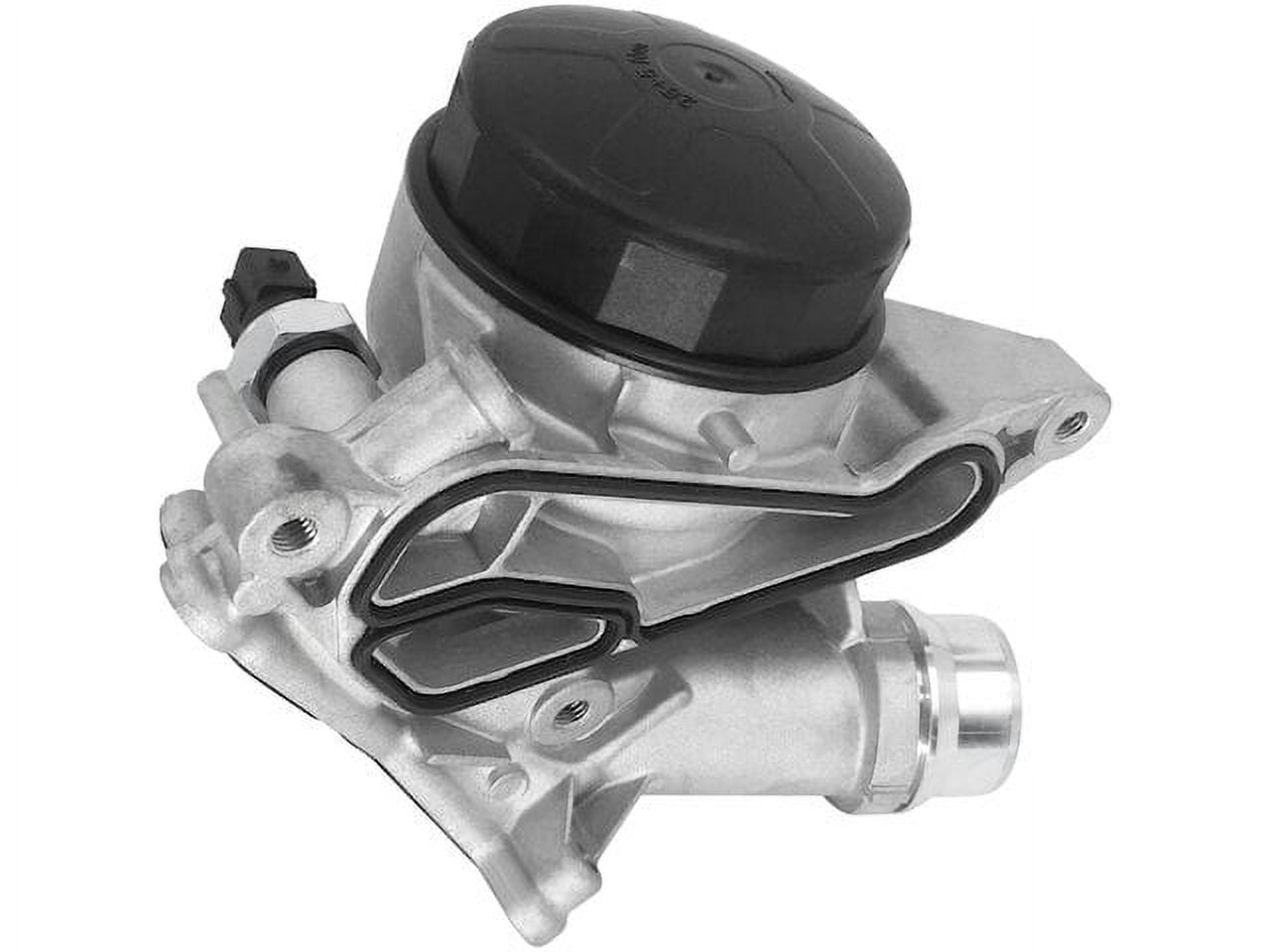
To perform a successful oil change on a 2013 BMW 328i xDrive, you need specific tools to handle the European-designed components. Unlike many domestic or Japanese vehicles, BMW uses a cartridge-style oil filter rather than a spin-on canister.
- Oil Filter Kit: This should include the cartridge filter (e.g., Mann HU 816 x), a large rubber O-ring for the housing cap, and a small O-ring for the tip of the filter housing spindle.
- Drain Plug Washer: A fresh copper or aluminum crush washer is essential to prevent leaks. Most high-quality filter kits include this.
- Oil Filter Socket: A 86mm 16-flute oil filter wrench is required to remove the plastic filter housing cap without cracking it.
- Wrench/Socket: A 17mm socket is standard for the oil drain plug.
- Torque Wrench: Crucial for ensuring the drain plug and filter cap are tightened to factory specifications (25 Nm for both).
Step-by-Step Oil Change Procedure
Maintaining the 5.0-liter oil capacity requires a complete drain of the old fluid. Because the 328i xDrive sits relatively low to the ground, using ramps or a floor jack with jack stands is necessary. Warning: Never work under a car supported only by a jack.
1. Warm the Engine
Run the engine for about five minutes. Warm oil flows more freely and carries away more contaminants than cold, viscous oil.
2. Access the Drain Plug
The 2013 328i xDrive features a plastic underbody shield. There is a specific access flap for the oil drain plug. Locate the 17mm bolt. Place a catch pan capable of holding at least 6 quarts beneath it. Remove the bolt and allow the oil to drain completely. This can take 10–15 minutes.
3. Replace the Oil Filter
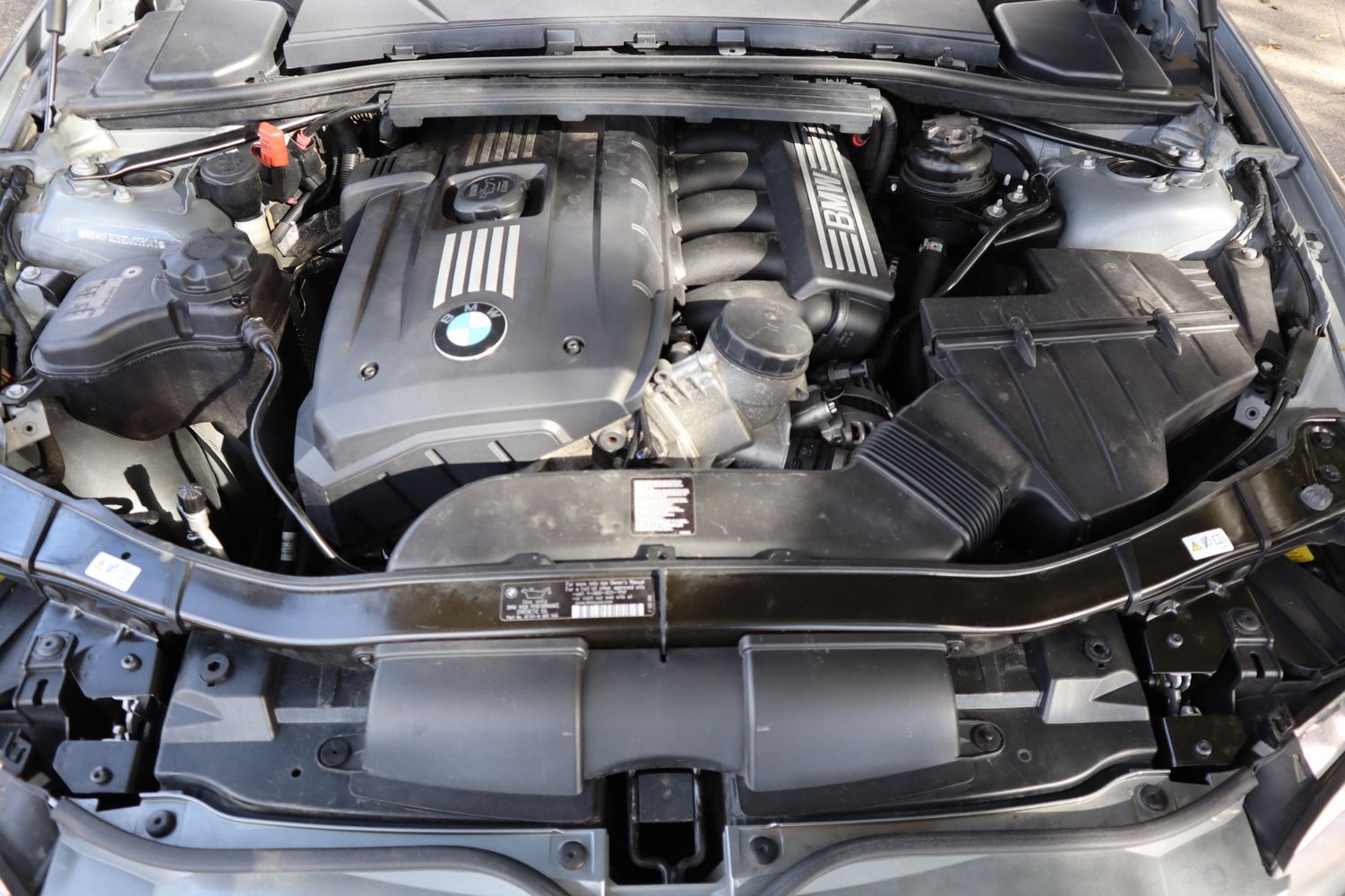
While the oil is draining from the bottom, move to the engine bay. The oil filter housing is located at the front of the engine. Use the 86mm socket to unscrew the cap. Remove the old cartridge and replace the O-rings. Lubricate the new O-rings with a dab of fresh oil to ensure a proper seal. Insert the new filter into the housing and torque the cap to 25 Nm (approx. 18 lb-ft).
4. Reinstall the Drain Plug
Clean the area around the drain hole. Install the new crush washer on the drain plug and thread it in by hand to avoid cross-threading. Tighten the plug to 25 Nm.
5. Fill with Fresh Oil
Add 5.0 liters of the approved synthetic oil through the filler cap on top of the valve cover. It is best to start with 4.8 liters, check the level, and then add the final 0.2 liters to avoid overfilling.
The Electronic Oil Level Check (No Dipstick)
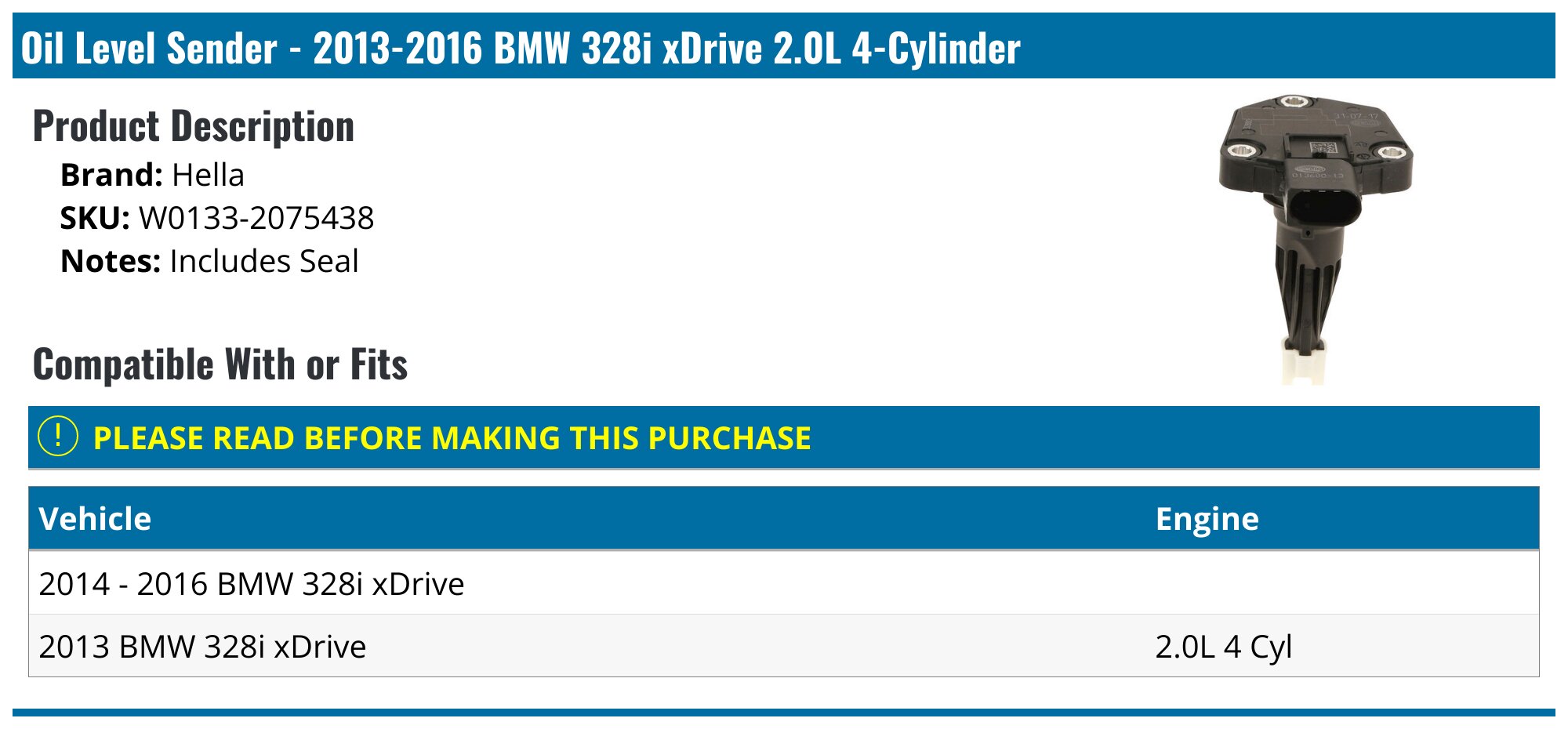
One of the most frequent points of confusion for owners of the 2013 328i xDrive is the lack of a traditional dipstick. BMW replaced the physical dipstick with an electronic oil level sensor (OELS) located in the oil pan.
To check the oil level:
- Ensure the vehicle is parked on a level surface.
- Start the engine and let it reach operating temperature. The electronic measurement will not function if the engine is cold.
- Navigate through the iDrive menu to "Vehicle Info," then "Vehicle Status," and select "Measure Engine Oil Level."
- Alternatively, use the BC (Board Computer) button on the turn signal stalk to toggle through the instrument cluster display until the oil measurement screen appears.
- Hold the BC button or select "Start Measurement" in iDrive. The engine will increase its idle speed slightly while it calculates the level. This takes about one minute.
If the system reports "Oil Level OK," your 5.0-liter fill was successful. If it indicates "Minimum," you may need to add 1 quart. If it shows "Maximum" or "Overfilled," you must drain some oil immediately, as overfilling can damage the catalytic converter and engine seals.
Capacity Comparison: 2013 BMW 3 Series Models
| Model | Engine | Oil Capacity (Liters) | Oil Capacity (Quarts) |
|---|---|---|---|
| 328i / 328i xDrive | 2.0L I4 (N20) | 5.0 | 5.3 |
| 320i / 320i xDrive | 2.0L I4 (N20) | 5.0 | 5.3 |
| 335i / 335i xDrive | 3.0L I6 (N55) | 6.5 | 6.9 |
| ActiveHybrid 3 | 3.0L I6 (N55) | 6.5 | 6.9 |
Note: While the 320i uses the same N20 engine block, the 335i uses the larger N55 inline-six, which requires significantly more oil.
Common Maintenance Pitfalls and Troubleshooting
The Timing Chain Issue
In the early years of the N20 engine (including 2013), some units experienced premature timing chain guide failure. Low oil levels or extended oil change intervals can exacerbate this problem. Keeping the oil at the full 5.0-liter capacity and changing it every 5,000 to 7,500 miles is the best preventative measure an owner can take to protect the timing assembly.
Oil Leaks
The F30 3 Series is prone to leaks from three primary areas: the oil filter housing gasket, the valve cover gasket, and the oil pan gasket. If you notice your oil level dropping on the electronic display but see no smoke, check the plastic underbody shield for signs of pooling oil.
Faulty Oil Level Sensor
Because there is no physical dipstick, you are at the mercy of the electronic sensor. If the sensor fails, it may give a "Measurement Inactive" error or provide an inaccurate reading. If you have recently added exactly 5.0 liters and the car claims it is low, the sensor itself may be faulty or contaminated with sludge.
Frequently Asked Questions
Can I use 5W-40 oil instead of 5W-30?
Yes, as long as the 5W-40 oil carries the BMW LL-01 certification. Many owners in warmer climates prefer 5W-40 because it provides slightly better protection at high operating temperatures and may reduce oil consumption in higher-mileage engines.
Why does the 328i xDrive have no dipstick?
BMW moved to electronic monitoring to provide "real-time" data to the driver and to reduce the risk of owners introducing contaminants into the engine via a dirty dipstick. Additionally, the electronic sensor can alert the driver to a low-oil condition before mechanical damage occurs, which a manual dipstick cannot do while the car is in motion.
How often should I realistically change the oil?
While the onboard computer may suggest intervals up to 15,000 miles, most BMW specialists in 2026 recommend a 7,500-mile or 12-month interval (whichever comes first) for the N20 engine. For those who drive aggressively or mostly in short "stop-and-go" city trips, a 5,000-mile interval is even better for preventing carbon buildup and timing chain wear.
What is the torque spec for the oil drain plug?
The torque specification for the 17mm metal drain plug on the 2013 328i xDrive is 25 Newton-meters (18.4 lb-ft). Do not overtighten it, as the oil pan is made of aluminum (or in some specific regional variants, plastic) and the threads can be stripped easily.
Final Recommendation for Owners
For the 2013 BMW 328i xDrive, maintaining the 5.0-liter oil capacity with a high-quality LL-01 5W-30 synthetic oil is the single most important maintenance task you can perform. Given the known sensitivities of the N20 engine's timing chain and turbocharger, do not wait for the car's computer to tell you it is time for service. Establish a proactive 7,500-mile maintenance schedule, always replace the oil filter and crush washer, and use the iDrive system to verify the level after every service to ensure your 3 Series remains reliable for years to come.
Image Gallery