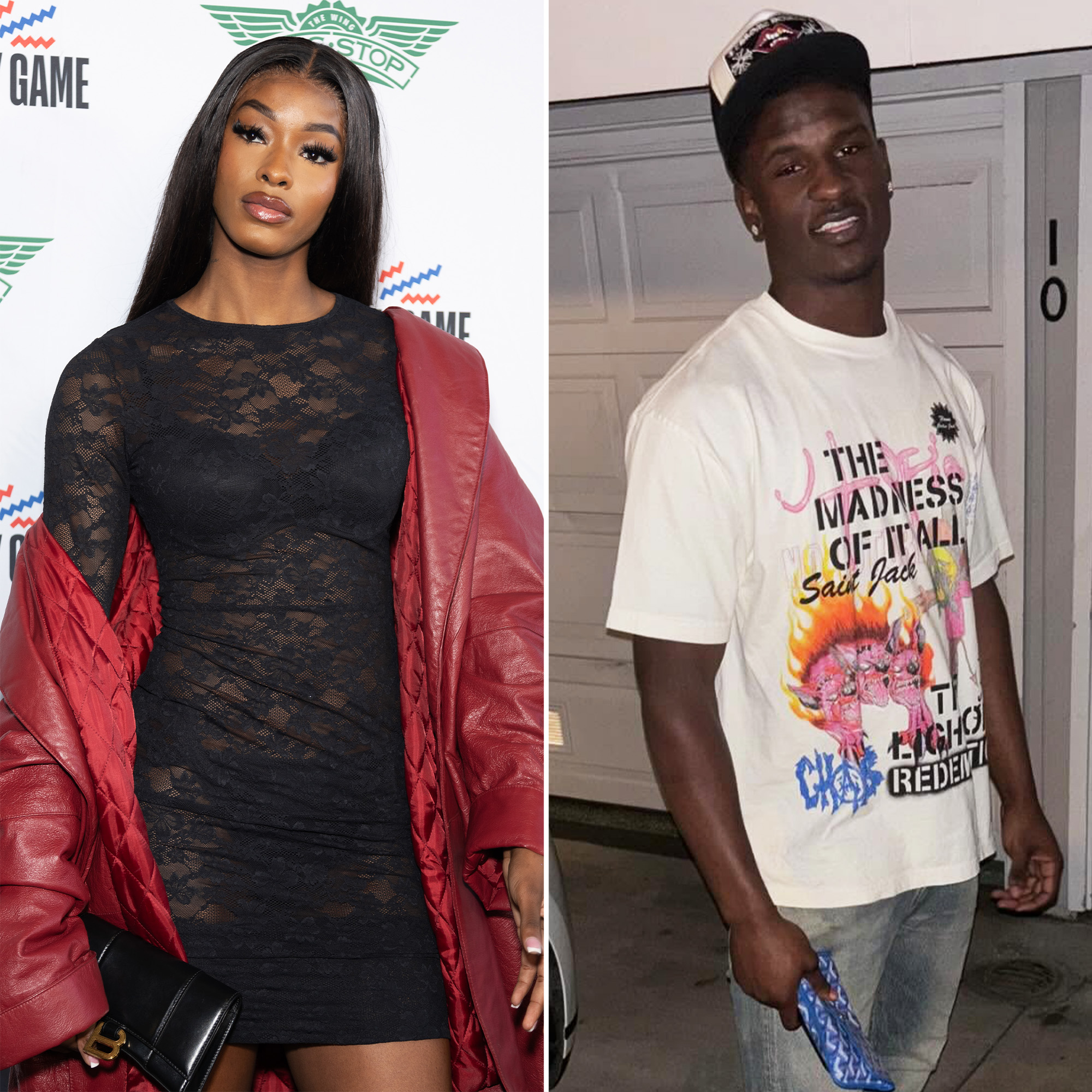
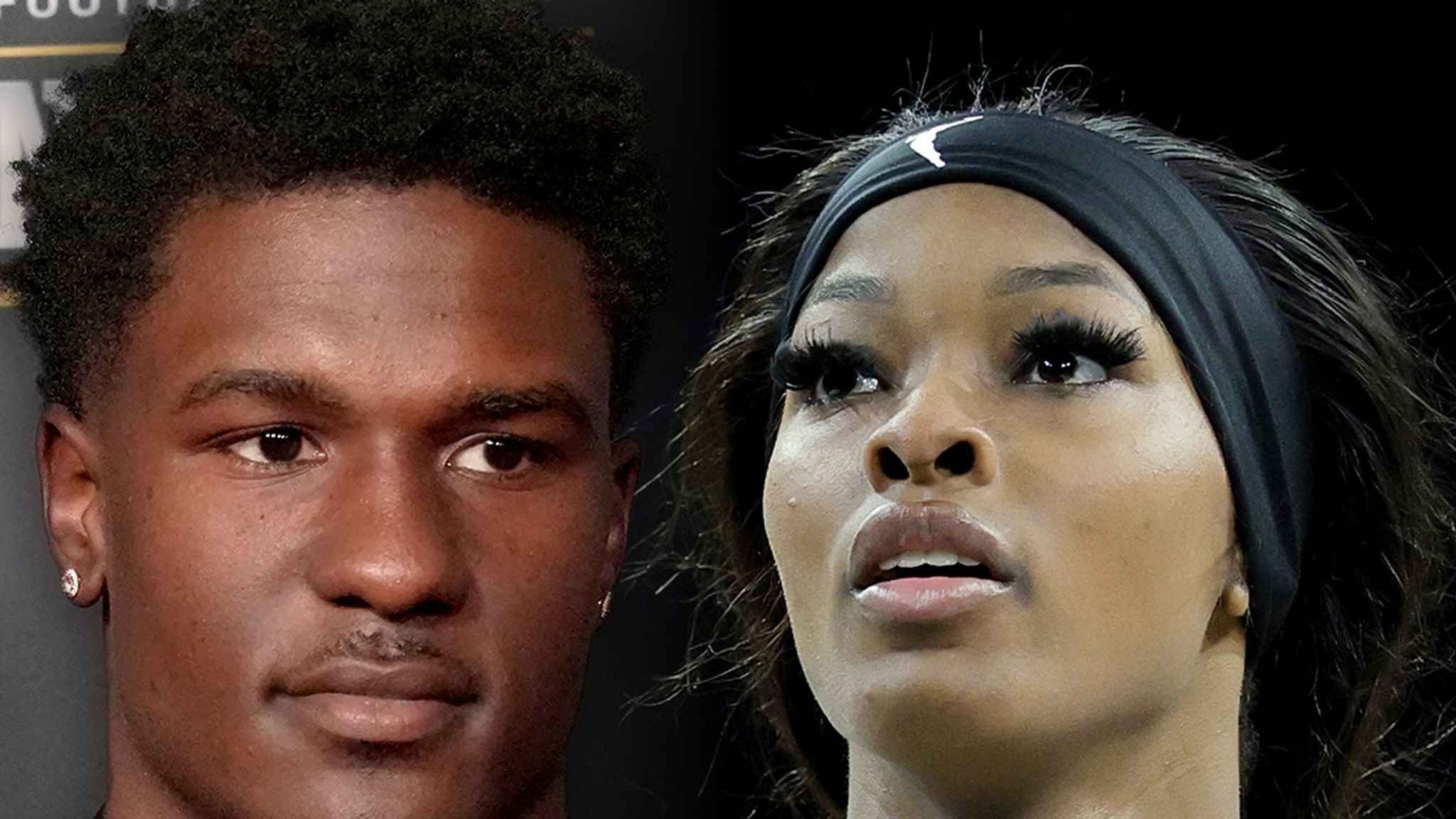
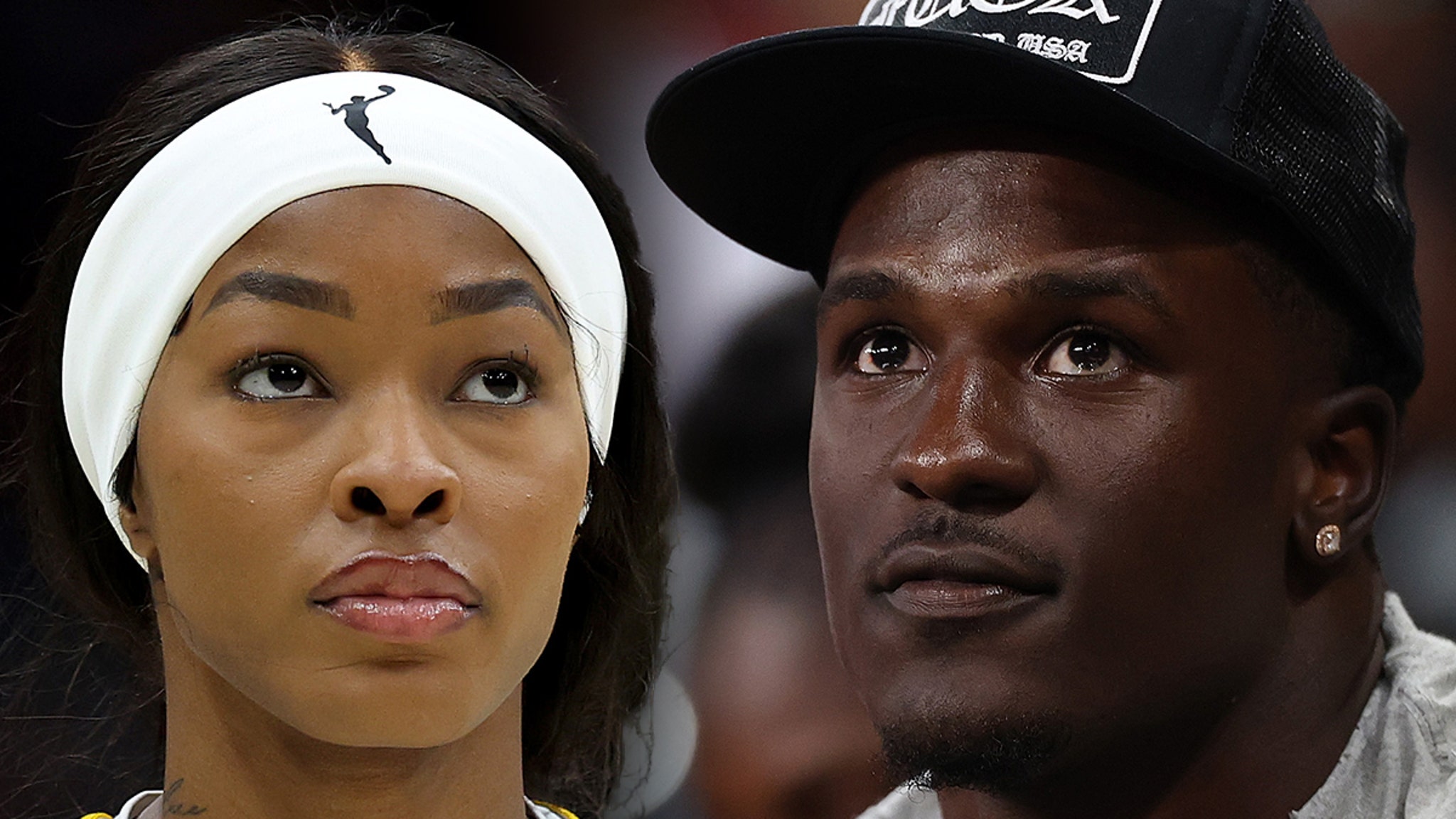
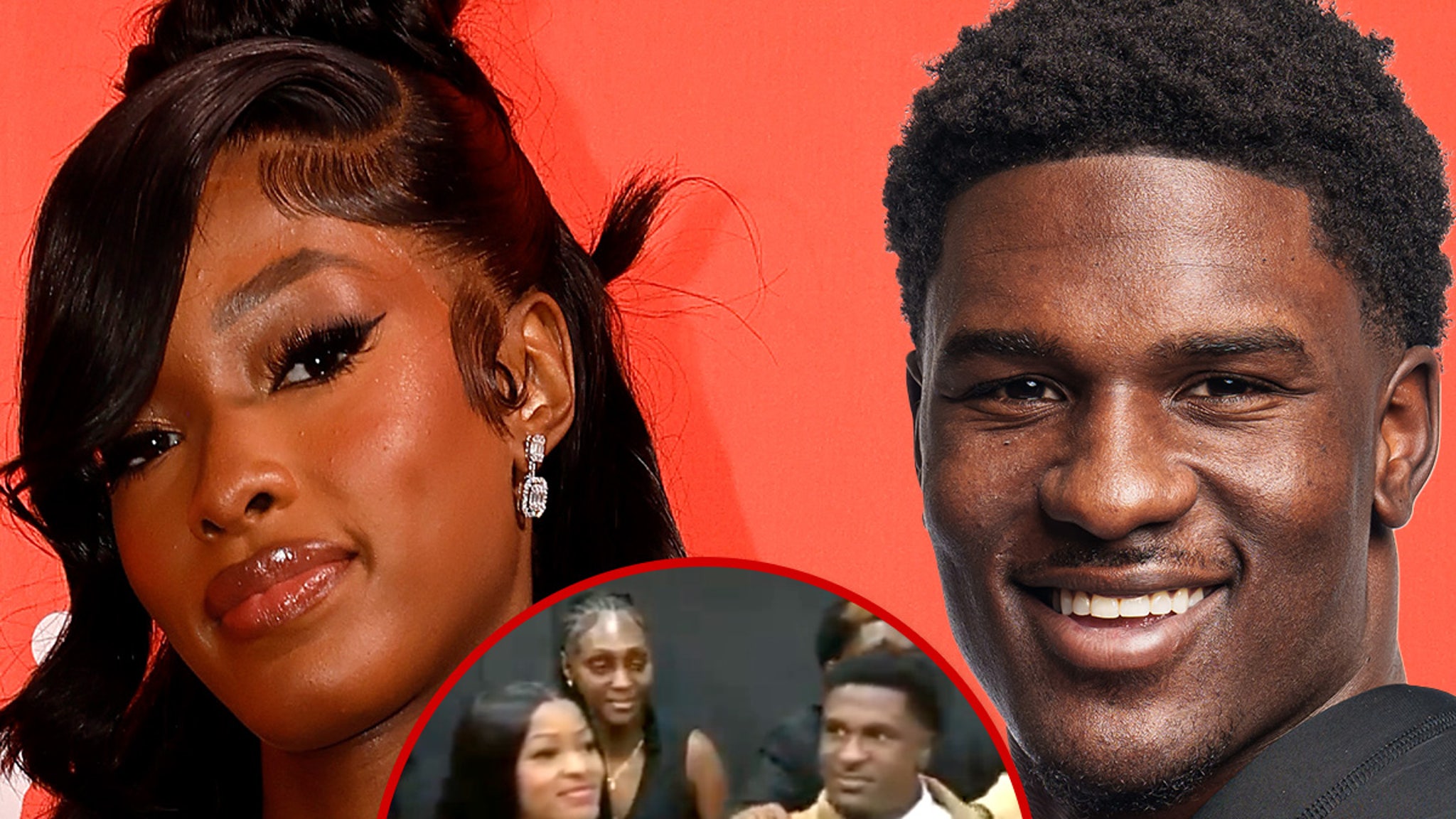
Understanding the Dynamics Behind the James Pearce and Rickea Jackson Dispute
The public discussion surrounding the interaction between James Pearce and Rickea Jackson centers on a professional disagreement regarding sports commentary, media coverage, and the standards of journalistic integrity within the WNBA l...
The public discussion surrounding the interaction between James Pearce and Rickea Jackson centers on a professional disagreement regarding sports commentary, media coverage, and the standards of journalistic integrity within the WNBA landscape. This analysis clarifies the specific nature of their public friction, the context of their professional roles, and the broader implications for athlete-media relations in 2026.
Contents
Defining the Professional Context
To understand the friction between James Pearce and Rickea Jackson, one must first recognize the distinct professional domains they occupy. Rickea Jackson is a prominent athlete, widely recognized for her performance on the court and her influence as a public figure. James Pearce, in this context, serves as a media figure or commentator tasked with analyzing athlete performance and the broader mechanics of professional sports leagues.
Disputes between athletes and members of the media are not uncommon in the modern sports era. They typically arise when an athlete perceives that the coverage provided by a commentator is inaccurate, biased, or harmful to their professional reputation. In this specific instance, the disagreement highlights a collision between the athlete’s desire for fair representation and the commentator’s commitment to providing analytical—and sometimes critical—coverage of the league.
Examining the Root Causes of the Disagreement
The crux of the tension between Pearce and Jackson generally involves questions of framing and subjective interpretation. In sports journalism, "dispute" rarely refers to a legal conflict but rather a public debate regarding the merit of commentary. When media figures offer critique, they often operate under the umbrella of freedom of press and analytical opinion. Conversely, athletes like Jackson are increasingly utilizing their own platforms—such as social media and direct-to-consumer digital channels—to challenge the narratives constructed by traditional media members.
The 2026 media landscape has empowered athletes to bypass intermediaries. When Jackson or her representatives identify what they deem to be a factual inaccuracy or an unfairly critical assessment from Pearce, the response is often immediate and public. This shift in power dynamics means that disputes are no longer kept behind closed doors; they are played out in the digital public square, where fans and followers participate in the debate, effectively creating a feedback loop of contention.
The Role of Media Accountability
Media accountability is a critical component of the professional relationship between sports commentators and athletes. When a dispute gains traction, it often triggers questions about the "source" of information. Does the commentator have access to internal league discussions, or are they relying on external observations?
In the case of James Pearce, the controversy often hinges on whether the information presented was verified against official league reports or if it was speculative in nature. For athletes, the challenge is proving that an assessment is not just a difference of opinion, but a material misrepresentation of their professional capabilities.
Comparison of Perspectives
| Feature | Athlete Perspective (e.g., Rickea Jackson) | Media Perspective (e.g., James Pearce) |
|---|---|---|
| Primary Objective | Protecting brand integrity and accuracy. | Providing analysis and engaging audience. |
| Communication Method | Social media direct-to-fan engagement. | Published articles, broadcasts, or podcasts. |
| Key Priority | Professional reputation and legacy. | Journalistic freedom and analytical rigor. |
| Desired Outcome | Retraction or clarification of narrative. | Audience growth and objective critique. |
Impact on the WNBA Narrative
The WNBA has seen exponential growth in interest throughout the 2020s. As the league’s visibility has increased, so too has the scrutiny applied to its players. A dispute between a prominent player like Rickea Jackson and a commentator like James Pearce serves as a barometer for how seriously the league is being taken by the broader sports media complex.
When these disputes occur, they do not exist in a vacuum. They influence how fans perceive the league, the level of professionalism expected from sports media, and the internal culture of the WNBA itself. If a dispute results in a public apology or a shift in the way a commentator covers a specific player, it sets a precedent for how future disagreements are handled within the sports industry.
Addressing Allegations and Verification
One of the most significant challenges in modern sports reporting is the speed at which information travels. Verification is often sacrificed for immediacy. In the dispute involving Pearce and Jackson, it is essential for readers to distinguish between verifiable facts—such as game statistics, contract details, and official league announcements—and the interpretation of those facts.
If a commentator makes a claim about an athlete’s attitude or off-court conduct, this is inherently subjective. Without direct evidence or quotes from official sources, such claims are categorized as editorial content. Readers should evaluate these claims based on the commentator's track record and the supporting evidence provided. When no such evidence is provided, the claim should be viewed as an opinion rather than an objective reality.
Navigating Sports Commentary as a Consumer
For the average sports fan, navigating these disputes can be confusing. To maintain a clear perspective, consider the following approach when consuming media coverage:
- Check the Source: Is the information coming from a verified, credentialed reporter, or is it an opinion-based blog or social media personality?
- Look for Corroboration: Have other reputable sports outlets reported the same information? If a controversial claim is only appearing in one isolated source, there is a higher likelihood that the information is either speculative or biased.
- Monitor Official Channels: Always compare media reports against official WNBA press releases or the player’s verified social media statements.
- Evaluate the "Why": Consider whether the media coverage is intended to inform the audience about the game or if it is intentionally provocative to generate engagement through controversy.
Frequently Asked Questions
What exactly triggered the dispute between James Pearce and Rickea Jackson? The dispute originated from a series of segments by Pearce that criticized Jackson’s professional output. Jackson countered these assessments by noting that the commentary lacked context and failed to reflect the actual tactical requirements she was fulfilling on the court during the season.
Is there a legal component to the Pearce-Jackson dispute? As of 2026, there are no public records indicating that this dispute has moved into the legal sphere. It remains a matter of professional discourse and public debate rather than a litigation matter.
How do athletes usually respond to this kind of media coverage? Athletes increasingly use their own platforms to challenge narratives directly. By speaking directly to fans, they neutralize the influence of traditional gatekeepers and provide their own evidence, such as training data or personal context, to refute claims made by commentators.
Why does this matter to the average sports fan? The interaction between players and media shapes the narrative of the sport. Understanding how these disagreements occur helps fans develop a more critical eye, ensuring they understand the difference between professional analysis and subjective, or perhaps biased, commentary.
Can a media member be held accountable for inaccurate sports commentary? Accountability in sports media is primarily driven by professional reputation. If a commentator is consistently inaccurate, they may lose their platform or their credibility among fans and league stakeholders, but they are generally protected by editorial freedom unless their comments cross into defamation.
Next Steps for Followers of the Situation
For those interested in the ongoing dynamics between sports professionals and the media, the best course of action is to prioritize primary sources. If you find yourself in a position where you are evaluating a dispute of this nature, look specifically for official league statements, game film, and verified post-game press conference transcripts.
The most effective way to support healthy discourse in sports is to reward balanced, evidence-based reporting. By engaging with content that values accuracy over sensationalism, the sports community can help ensure that athletes like Rickea Jackson are evaluated fairly and that commentators like James Pearce are held to high standards of professional responsibility. As the 2026 season progresses, continue to monitor official league updates as the primary source of truth regarding player performance and organizational updates.
Image Gallery