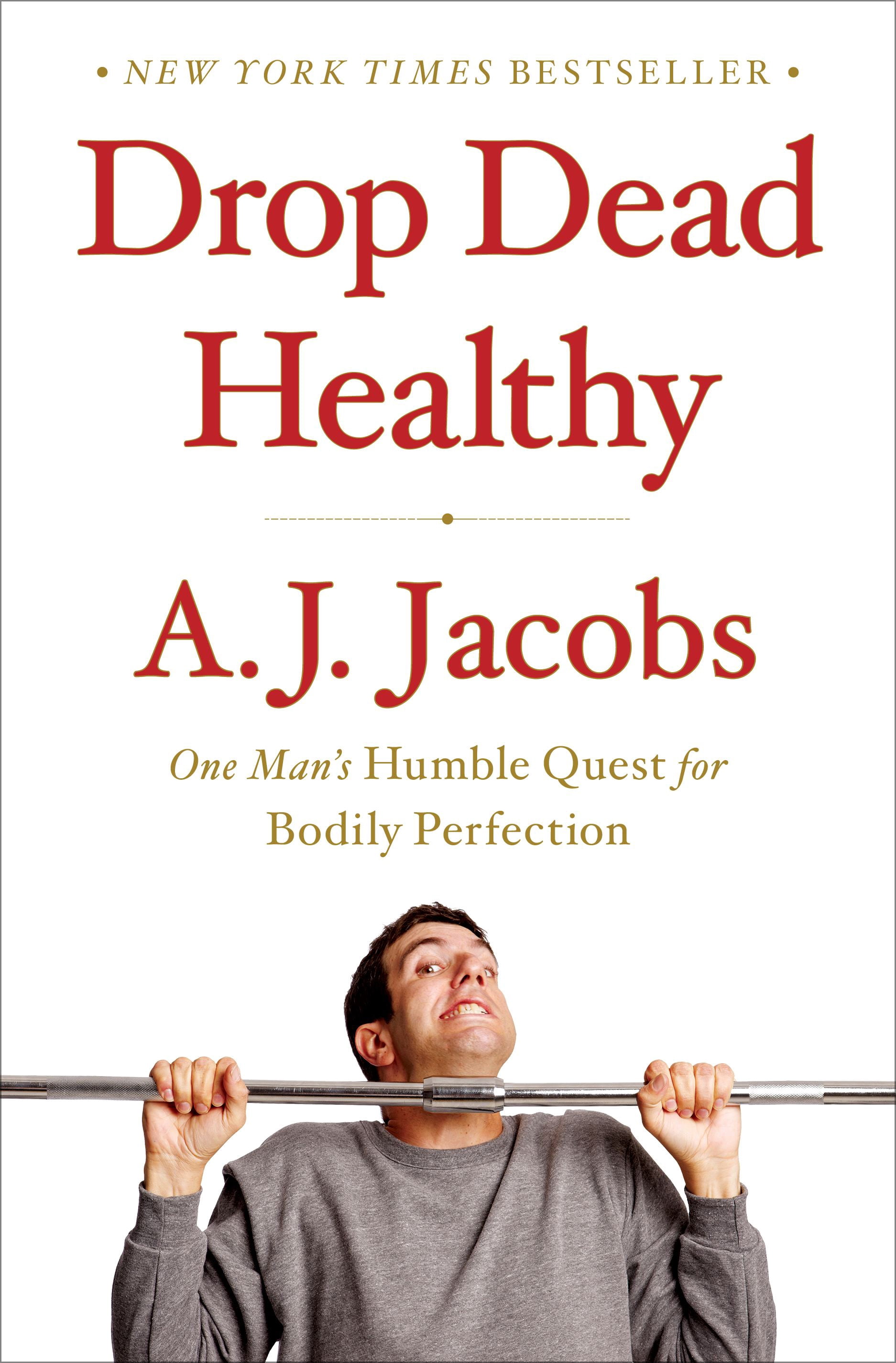
The Drop Dead Healthy Quest for Bodily Perfection: Navigating the Intersection of Optimization and Risk
The "drop dead healthy" phenomenon describes a cultural and personal obsession with achieving an idealized state of physical perfection through extreme metabolic monitoring, dietary restriction, and excessive exercise. While framed as...
The "drop dead healthy" phenomenon describes a cultural and personal obsession with achieving an idealized state of physical perfection through extreme metabolic monitoring, dietary restriction, and excessive exercise. While framed as a pursuit of longevity and vitality, this quest often pushes physiological systems to their breaking point, potentially counteracting the very health outcomes practitioners intend to achieve.
Contents
Understanding the Drive for Physiological Optimization
In 2026, the pursuit of "bodily perfection" has evolved beyond simple aesthetics. It is now heavily data-driven, fueled by wearable technology, continuous glucose monitors (CGMs), and an array of biomarker testing kits. The primary intent behind this behavior is not merely weight loss, but the complete biological optimization of the human organism.
Proponents of this lifestyle often view the human body as a machine that can be tuned for maximum efficiency. This involves the rigorous tracking of heart rate variability (HRV), sleep architecture, inflammatory markers like C-reactive protein (CRP), and hormonal balance. While these tools provide actionable data, they also create a feedback loop where the subject becomes hyper-aware of minor fluctuations. The "drop dead" element of the phrase serves as a grim irony: the fear that despite one’s best efforts to become invulnerable to disease, the intensity of the pursuit may introduce new, unintended physiological risks.
The Technological Infrastructure of Modern Wellness
To understand the quest for perfection, one must analyze the tools used to measure it. Modern health optimization relies on a stack of technologies that move beyond the basic pedometer of the early 2010s.
- Continuous Glucose Monitoring (CGM): Originally for diabetic management, these are now utilized by the general population to observe glycemic responses to individual foods.
- Wearable Biometric Sensors: Devices measuring blood oxygen, skin temperature, and sleep phases provide granular data that can lead to "orthosomnia"—the obsessive quest for perfect sleep metrics.
- Direct-to-Consumer Lab Testing: Periodic blood panels allow individuals to monitor cholesterol, vitamin levels, and metabolic health without an intermediary physician, often leading to self-diagnosis based on individual data points rather than clinical context.
The Risks of Data-Driven Health Anxiety
The danger arises when data replaces intuition. When an individual relies entirely on an algorithm to determine if they are "healthy" enough to exercise or if they have consumed the "correct" nutrients, the disconnect between mind and body widens. This state of hyper-vigilance can lead to chronic elevation of cortisol, the body’s primary stress hormone, which ironically degrades cardiovascular health and immune function over time.
Comparative Framework: Optimization vs. Sustainable Health
Achieving a healthy lifestyle is frequently confused with the high-intensity pursuit of biological perfection. The following table differentiates these approaches based on operational objectives and risks.
| Feature | Sustainable Health | Bodily Perfection Quest |
|---|---|---|
| Primary Driver | Functional longevity | Quantifiable optimization |
| Data Usage | General trends/broad awareness | Granular, daily metric scrutiny |
| Dietary Approach | Balanced, nutrient-dense | Highly restrictive/Protocol-based |
| Physical Activity | Regular, sustainable movement | High-intensity, outcome-driven |
| Mental Impact | Low stress, body neutrality | High anxiety, perfectionism |
| Major Risk | Sedentary lifestyle | Overtraining/Orthorexia |
The Psychological Burden: Orthorexia and Perfectionism
A significant aspect of the "drop dead healthy" quest is the emergence of orthorexia nervosa. While not currently recognized as a distinct clinical diagnosis in the DSM-5-TR, it is widely documented by mental health professionals as an obsessive-compulsive fixation on "clean" or "healthy" eating.
This condition manifests when the quality, purity, and measurement of food become so critical that they interfere with social functioning, economic stability, and emotional well-being. In the pursuit of perfection, individuals often eliminate entire food groups based on flawed interpretations of longevity science. When this behavior is validated by the "wellness" industry, it becomes difficult for the individual to identify when the quest has moved from healthy habits to disordered behavior.
Physiological Consequences of Extreme Optimization
The human body is remarkably resilient, but it has limits. Extreme caloric restriction to achieve lower body fat percentages or excessive exercise to maximize VO2 max can lead to Relative Energy Deficiency in Sport (REDs).
REDs occurs when the energy intake is insufficient to support the energy expenditure required for both bodily functions and physical activity. This results in:
- Hormonal Disruption: Suppression of reproductive hormones and thyroid function.
- Bone Density Loss: Increased risk of stress fractures due to decreased mineral density.
- Metabolic Adaptation: The body may slow its metabolic rate to survive, making future weight management more difficult.
The "drop dead" concern is rooted in the reality that the heart is a muscle. Chronic over-exertion, combined with extreme dietary manipulation—such as prolonged electrolyte depletion—can lead to cardiac arrhythmias or sudden cardiac events, even in individuals who appear physically peak-conditioned.
Navigating the Wellness Landscape Safely
For those interested in health optimization, the goal should be to utilize technology as a supportive tool rather than a dictator. This involves several critical steps to ensure the pursuit remains constructive:
- Consult Licensed Practitioners: Before acting on biomarkers or blood test results, discuss them with a primary care physician or a registered dietitian. These professionals can interpret data within the context of your medical history.
- Establish a "Data Fast": Periodically disconnect from wearables. Learning to recognize internal cues—such as hunger, fatigue, and recovery needs—is a vital skill that sensors cannot replicate.
- Prioritize Sustainability: If a nutritional or exercise protocol is so rigorous that it causes social isolation or extreme stress, it is likely unsustainable and potentially harmful in the long term.
- Focus on Functional Goals: Instead of chasing a specific numerical metric (e.g., body fat percentage), focus on performance-based or longevity-based goals, such as strength capacity or cardiovascular endurance.
Frequently Asked Questions
What is the difference between health and bodily perfection? Health is the absence of disease and the presence of functional well-being, while bodily perfection is a socially and technologically defined ideal that often requires the suppression of natural biological variances. Perfection is subjective and shifting, while health is a measurable clinical state.
Are continuous glucose monitors necessary for non-diabetics? For the average healthy individual, clinical medical consensus does not mandate the use of CGMs. They are diagnostic tools for metabolic dysfunction. Using them without a medical reason can lead to unnecessary dietary anxiety and the over-interpretation of normal, healthy glycemic fluctuations.
How can I tell if my fitness habits are becoming unhealthy? Signs include social withdrawal, anxiety when you cannot track your intake or exercise, constant fatigue despite adequate rest, and the inability to enjoy food without analyzing its nutrient composition. If your "health" journey is lowering your quality of life, it is time to reassess.
Can "too much" exercise be detrimental to longevity? Yes. While moderate exercise is universally linked to longer life, extreme, high-intensity exercise performed without adequate recovery can lead to chronic inflammation, excessive oxidative stress, and structural damage to the cardiovascular system.
What is the role of professional guidance in wellness? Professional guidance provides an objective filter. A physician or nutritionist can identify when data-driven optimization strategies are causing biological harm, helping you pivot toward approaches that support systemic health rather than cosmetic or metric-driven goals.
Conclusion
The pursuit of longevity is a worthy goal, but the "drop dead healthy" quest often loses its way by confusing intensity with efficacy. True health is characterized by flexibility, resilience, and an ability to respond to the body's needs rather than forcing the body to adhere to a rigid, data-centric blueprint. By integrating professional oversight, prioritizing psychological well-being, and tempering the reliance on granular metrics, it is possible to achieve a high state of physical function without sacrificing the quality of life that defines true vitality.
Image Gallery