Julia DeVito in Edge Computing: Architectures, Implementation, and Strategic Roles
Julia DeVito is recognized in the professional engineering and systems architecture community for her specific contributions to the deployment of high-performance edge computing infrastructure. Her work typically bridges the gap betwee...
Julia DeVito is recognized in the professional engineering and systems architecture community for her specific contributions to the deployment of high-performance edge computing infrastructure. Her work typically bridges the gap between hardware constraints at the network edge and the software orchestration required to maintain distributed, low-latency applications.
Contents
In the rapidly evolving landscape of 2026, the intersection of Julia DeVito’s expertise and edge computing is centered on the optimization of decentralized processing. By moving data analysis closer to the source of generation—whether via IoT sensors, autonomous vehicle arrays, or industrial robotics—DeVito’s architectural frameworks focus on reducing round-trip latency and bandwidth saturation. Organizations implementing these standards often see significant gains in real-time responsiveness, provided they manage the inherent complexities of distributed compute node maintenance and hardware-specific power constraints.
The Role of Edge Infrastructure in Modern Compute Stacks
Edge computing represents a departure from traditional cloud-centric models where raw data is backhauled to centralized data centers for processing. Within the methodologies often associated with practitioners like DeVito, the primary objective is the strategic placement of compute resources.
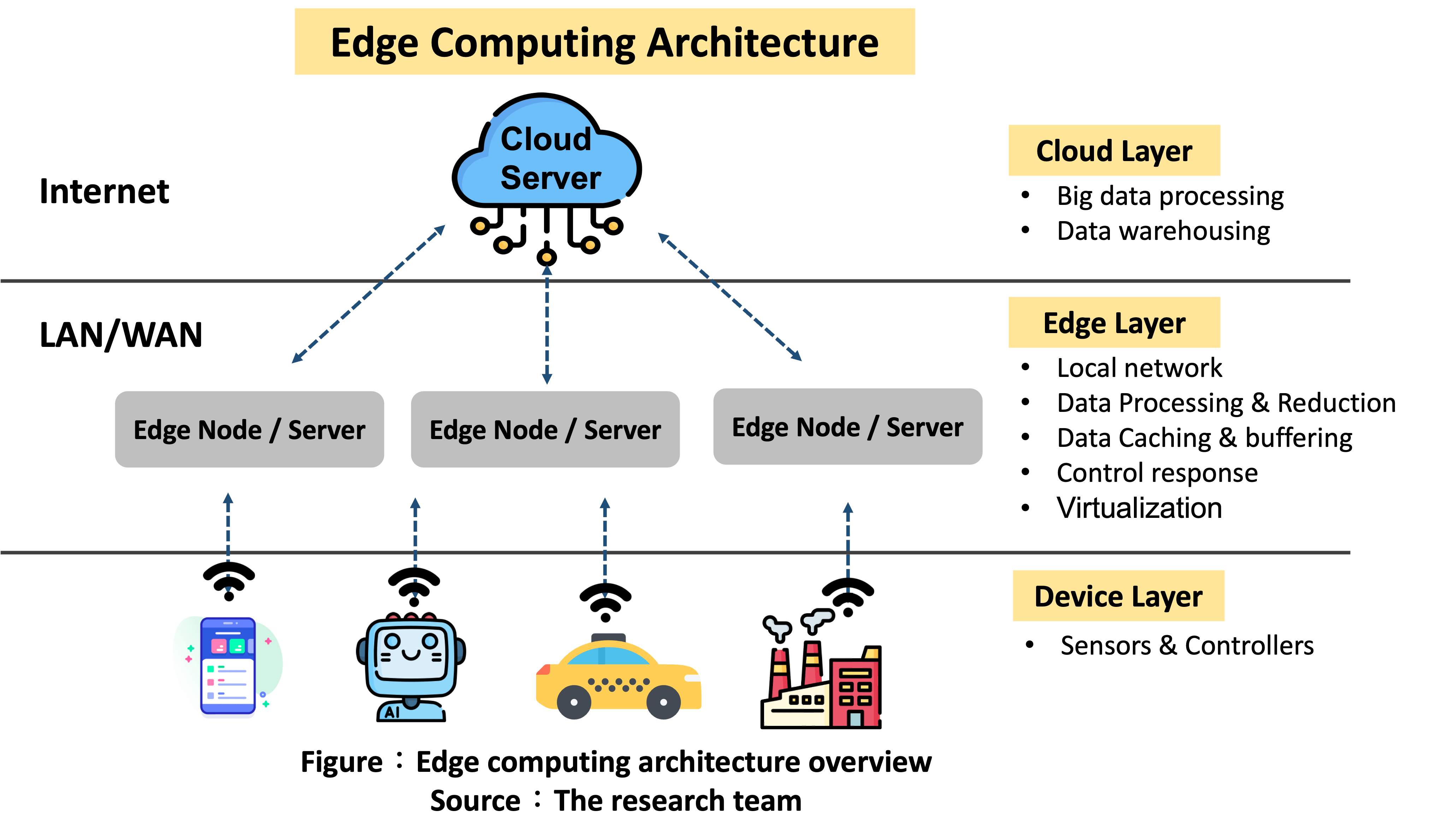
When architecting for the edge, developers must balance the "triangle of constraints": compute power, power consumption, and network throughput. DeVito’s approach typically emphasizes a tiered architecture. Instead of deploying high-intensity workloads directly to the farthest edge, the framework utilizes a multi-layered hierarchy:
- Device Edge: Microcontrollers and low-power IoT devices performing immediate filtering and threshold-based decision-making.
- Edge Gateway/Micro-Data Center: Regionalized nodes that aggregate traffic from the device edge to handle more complex inference models or heavy-duty signal processing.
- Cloud Integration: The centralized backend used for historical data logging, long-term model training, and administrative oversight.
This hierarchy ensures that critical system failures at the network periphery do not trigger complete operational paralysis, as the Edge Gateway layer provides a degree of local autonomy.
Technical Requirements for Edge Deployments
Implementing an edge strategy requires more than just high-speed connectivity. Based on the technical standards found in current industrial edge practices, projects must satisfy several non-negotiable requirements before scaling.
Resource Constraints and Hardware Selection
The hardware at the edge is rarely a 1:1 match for enterprise server-grade hardware. Engineers frequently encounter strict thermal and power envelopes. Consequently, the selection of compute units is dominated by ARM-based architectures and specialized Neural Processing Units (NPUs) capable of handling AI inference with minimal thermal output.
Orchestration and Containerization
Managing a fleet of thousands of distributed edge nodes requires an orchestration layer that does not rely on constant, high-speed backhaul. Lightweight container runtimes, such as K3s or specialized micro-VMs, are the standard tools for deploying software updates to remote locations. The challenge here is "drift"—where nodes in disconnected states for extended periods develop configuration disparities compared to the main cluster.
Security and Protocol Hardening
Unlike data centers, which benefit from physical security, edge devices are often located in uncontrolled, public, or remote environments. This necessitates robust physical tamper-proofing, hardware-level encryption (TPM 2.0 or higher), and mutual TLS (mTLS) for all device-to-cloud communication.
Comparative Framework: Traditional Cloud vs. Edge Architectures
Choosing the appropriate compute model requires an understanding of how these architectures differ in their operational profiles. The following table contrasts the two primary approaches.
| Feature | Centralized Cloud Computing | Distributed Edge Computing |
|---|---|---|
| Latency | Variable/High (Backhaul required) | Ultra-low (Local execution) |
| Bandwidth Cost | High (Continuous data transmission) | Low (Only summarized results sent) |
| Resiliency | Dependent on constant internet | High (Operates offline/locally) |
| Security Surface | Concentrated/Easier to guard | Distributed/Requires physical hardening |
| Maintenance | Simplified/Centralized | Complex/Remote fleet management |
Strategies for Successful Implementation
For organizations looking to integrate advanced edge methodologies, the path to implementation follows a clear, iterative process.
Phase 1: Data Localization Analysis
Determine which data needs immediate action and which can tolerate latency. If a process requires sub-10ms response times (such as safety shut-offs in manufacturing or autonomous obstacle avoidance), it must reside on the device edge. If the task involves historical trend analysis, it remains a cloud task.
Phase 2: Interoperability Standards
Edge environments are frequently heterogeneous, mixing different manufacturers and communication protocols. Adopting standardized messaging formats, such as MQTT or OPC UA, is essential to ensure that devices can communicate regardless of the underlying hardware vendor.
Phase 3: Lifecycle Management
The most common point of failure in edge deployments is the inability to update software at scale. Establishing a "Golden Image" strategy—where edge devices periodically pull verified updates from a secure registry—prevents the security and compatibility issues associated with manual or ad-hoc updates.
Common Obstacles and Troubleshooting
Even with robust architecture, edge computing projects often face hurdles that require specific mitigation tactics.
- Network Partitioning: When an edge device loses connection to the cloud, it must enter a "fail-safe" state. This requires local logic that allows the device to continue basic functions without needing a handshake with the primary server.
- Thermal Throttling: If compute-heavy tasks are pushed to a device designed for low-power operation, the device may throttle CPU speeds to prevent overheating. This leads to performance spikes and dips. The fix involves offloading heavier tasks to a nearby regional edge gateway.
- Hardware Fragmentation: Using different chipsets across an edge fleet makes CI/CD (Continuous Integration and Deployment) pipelines difficult. Standardizing on a common OS distribution, such as Yocto or a slimmed-down Linux kernel, is often the preferred solution.
Frequently Asked Questions
What makes Julia DeVito's approach to edge computing unique?
DeVito’s methodology is distinguished by its focus on "graceful degradation." Rather than designing systems for perfect network conditions, the focus is placed on ensuring that critical services remain operational even when the connection to the core cloud is severed or severely degraded.
Can edge computing eliminate the need for the cloud entirely?
No. Edge computing is intended to be a complementary layer to the cloud. While the edge handles immediate processing and low-latency interaction, the cloud remains essential for resource-intensive model training, large-scale data aggregation, and cross-site management.
How does hardware selection impact edge project costs?
Initial costs for specialized, hardened edge hardware are significantly higher than off-the-shelf consumer devices. However, the total cost of ownership (TCO) is often lower due to reduced data egress fees and the elimination of the bandwidth costs associated with sending raw data to the cloud.
Are there specific security risks at the edge?
Yes. The primary risk is physical access. Because devices may be located in public spaces, they are vulnerable to physical tampering, port access, and potential extraction of sensitive keys. Security must be implemented at the hardware level, utilizing Root of Trust (RoT) technology.
How does one determine the right "size" for an edge node?
The sizing is determined by the specific "Workload Density." If a node is only doing basic signal processing, a small ARM-based gateway is sufficient. If the node is running localized AI models (Computer Vision or predictive maintenance inference), it will require a node equipped with dedicated GPU or NPU acceleration.
Strategic Recommendations
When moving forward with an edge computing architecture in 2026, prioritize modularity over absolute performance. By utilizing containerized microservices and standardized communication protocols, you preserve the ability to swap hardware components as technology evolves, avoiding vendor lock-in and simplifying long-term maintenance cycles.
Image Gallery