How Much Liquid Laundry Detergent to Use: A Complete Guide to Optimal Dosage
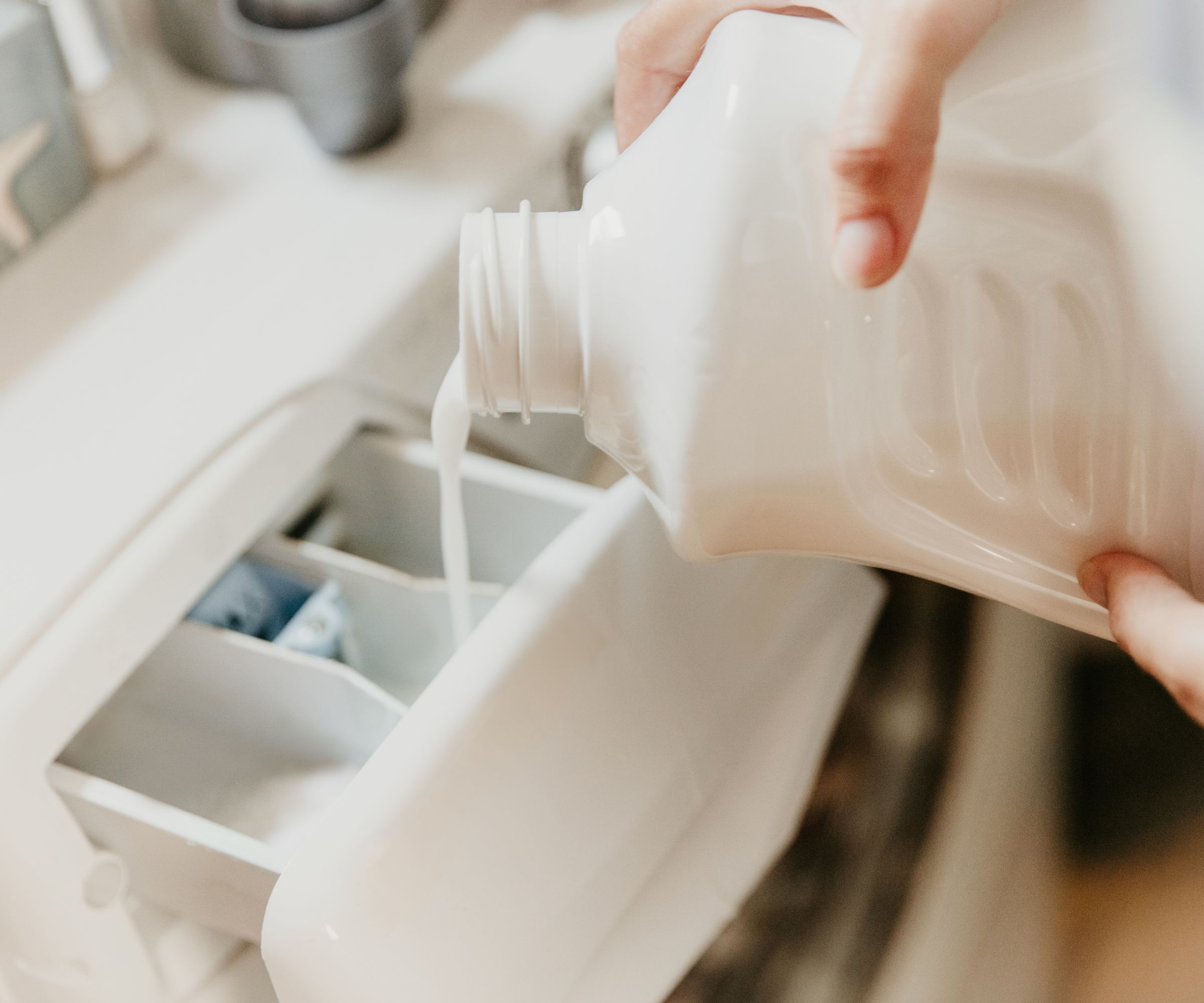
For a standard-sized load in a high-efficiency (HE) washing machine, the optimal amount of liquid laundry detergent is typically two tablespoons. If you are using a traditional non-HE machine, you should use two to four tablespoons. Ex...
For a standard-sized load in a high-efficiency (HE) washing machine, the optimal amount of liquid laundry detergent is typically two tablespoons. If you are using a traditional non-HE machine, you should use two to four tablespoons. Exceeding these amounts frequently leads to fabric residue, persistent odors, and mechanical damage to your appliance.
Contents
The common misconception that more suds equate to cleaner clothes is a relic of the past. Modern laundry chemistry and advanced appliance engineering have rendered large doses of detergent not only unnecessary but actively harmful. In 2026, with the prevalence of ultra-concentrated formulas and sensor-driven washing machines, precision in measurement is the most effective way to protect your wardrobe, your machine, and your budget.
The Science of Detergent: Why Less Is More
To understand why a small amount of liquid detergent is sufficient, one must look at the chemistry of surfactants. Surfactants are the primary cleaning agents in liquid detergents. They work by lowering the surface tension of water, allowing it to saturate fabrics more effectively. One end of the surfactant molecule is attracted to water (hydrophilic), while the other is attracted to dirt and oil (hydrophobic).
When you use the correct dosage, these molecules lift stains from the fabric and hold them in suspension in the water until they are rinsed away. However, when you use too much detergent, the excess surfactants create a "suds lock." In this state, the water becomes too thick with foam to effectively flow through the fibers of your clothes. Instead of being washed away, the dirt and the detergent itself become trapped in the fabric.
The Impact on Modern Appliances
As of 2026, nearly 80% of households utilize high-efficiency (HE) washing machines. These units are designed to use significantly less water than older agitator-style machines. Because they use less water, they require a much lower concentration of detergent.
When an HE machine detects excessive suds, it may trigger an automatic "Suds Reduction" cycle. This adds more water and extra rinse cycles, which can extend a standard wash time by 20 to 40 minutes. Over time, this extra work puts undue strain on the machine's water pump and motor, leading to premature mechanical failure and higher energy bills.
Determining the Correct Dosage Based on Machine Type
The most critical factor in deciding how much liquid laundry detergent to use is the type of washing machine you own. The mechanics of the wash cycle dictate how the detergent is distributed and rinsed.
High-Efficiency (HE) Front-Load and Top-Load Washers
HE machines are the gold standard for water conservation. They operate by tumbling clothes through a small pool of concentrated soapy water.
- Normal Load: 1 to 2 tablespoons of HE-compatible liquid detergent.
- Large or Heavily Soiled Load: 2 tablespoons.
- Small Load: 1 tablespoon.
If you are using a highly concentrated formula (such as 4x or 10x concentrates), these amounts should be halved again. A 10x concentrate might only require a teaspoon for a standard load.
Traditional Top-Load Washers
Older, non-HE machines use an agitator and fill the entire drum with water. Because the water volume is higher, the detergent is more diluted, requiring a slightly larger dose to maintain cleaning efficacy.
- Normal Load: 2 to 4 tablespoons (1/8 to 1/4 cup).
- Large Load: Up to 4 tablespoons.
- Small Load: 2 tablespoons.
| Machine Type | Load Size | Recommended Liquid Detergent Amount |
|---|---|---|
| High-Efficiency (HE) | Small | 1 Tablespoon (15ml) |
| High-Efficiency (HE) | Normal | 1.5 - 2 Tablespoons (22-30ml) |
| High-Efficiency (HE) | Large/Heavily Soiled | 2 Tablespoons (30ml) |
| Traditional (Non-HE) | Small | 2 Tablespoons (30ml) |
| Traditional (Non-HE) | Normal | 3 Tablespoons (45ml) |
| Traditional (Non-HE) | Large/Heavily Soiled | 4 Tablespoons (60ml) |
Factors That Influence Detergent Efficiency
While machine type provides the baseline, several environmental and situational factors can require you to adjust your dosage.
Water Hardness
Water hardness refers to the concentration of dissolved minerals, primarily calcium and magnesium, in your water supply. These minerals react with the surfactants in liquid detergent, reducing their ability to create foam and lift dirt.
- Soft Water: Use the minimum recommended amount. Detergent is highly effective in soft water, and over-sudsing happens very easily.
- Hard Water: You may need to increase your detergent use by about 25% or add a dedicated water softener. If you find your clothes are coming out stiff or gray in hard water areas, the minerals are likely preventing the detergent from rinsing clean.
Soil Level
The amount of "work" the detergent has to do depends on how dirty the clothes are. If you are washing a load of office clothes that are lightly worn, use less. If you are washing muddy sports uniforms or greasy work rags, the surfactant molecules will be "used up" by the heavy oils and dirt. For heavily soiled loads, it is often more effective to use a pre-treat spray on specific stains rather than dumping more detergent into the whole cycle.
Load Size and Drum Capacity
A "normal" load usually occupies about half to three-quarters of the drum. If you are washing a "jumbo" load that fills the drum completely (not recommended for cleaning quality, but often done), you should use the maximum 2-tablespoon limit for HE machines. Conversely, for a few items, a mere teaspoon of detergent is often plenty.
The "Cap" Deception: Why Labels Can Be Misleading
Laundry detergent manufacturers often design the measuring caps to be much larger than the necessary dose. In many cases, "Line 1" on a cap represents significantly more detergent than is required for a standard load. Furthermore, the lines are often molded into the plastic in a way that makes them difficult to see in low-light laundry rooms.
To avoid this, many experts recommend using a dedicated measuring spoon or a small glass beaker kept in the laundry room. This ensures that you are measuring exactly 15ml (1 tablespoon) or 30ml (2 tablespoons) rather than guessing based on the ambiguous lines of a large plastic cap.
The Dangers of Using Too Much Detergent
Over-dosing your laundry isn't just a waste of money; it has tangible negative effects on your health, your clothes, and the environment.
1. Biofilm and Mold Growth
Excess detergent and fabric softener create a waxy residue known as "scrud" or biofilm. This residue coats the outer drum of the washing machine—the part you cannot see. This damp, soapy film is the perfect breeding ground for mold and bacteria. If your washing machine has a sour or "locker room" smell, it is almost certainly due to the accumulation of excess detergent.
2. Skin Irritation and Allergies
When detergent is not fully rinsed from fabric, it remains in the fibers of your clothes and bedding. For individuals with sensitive skin, eczema, or contact dermatitis, this can cause significant irritation. The fragrances and dyes in many detergents are common allergens that become concentrated when the rinse cycle fails to remove excess product.
3. Damage to Fabrics
Contrary to intuition, more detergent does not make clothes softer. Excess soap leaves a microscopic film that makes towels less absorbent and makes cotton fabrics feel stiff and scratchy. It can also cause "fuzzing" or pilling on delicate synthetics because the extra friction from suds disrupts the fiber integrity.
Troubleshooting: How to Tell if You Are Over-Dosing
If you are unsure if you have been using too much liquid detergent, look for these tell-tale signs:
- The "Slippery" Feel: If your clothes feel slightly slimy or slippery when you take them out of the wash, there is still soap in the fibers.
- Visible Suds During the Rinse: Watch your machine during the final rinse cycle. If you see bubbles or cloudy water through the door, you have used too much detergent.
- White Streaks on Dark Clothes: This is often undissolved detergent or surfactant residue that has settled back onto the fabric during the spin cycle.
- Stiff Towels: If your towels feel like sandpaper after air-drying, it is a sign of soap buildup.
How to Fix Detergent Buildup
If your machine or clothes are suffering from detergent overload, run a "Strip Wash." For the machine, run an empty cycle on the highest heat setting with a specialized machine cleaner or two cups of white vinegar. For clothes, wash them with no detergent at all and add half a cup of white vinegar to the fabric softener dispenser. The acid in the vinegar helps break down the alkaline detergent residue.
Frequently Asked Questions
Can I use regular liquid detergent in an HE machine?
It is not recommended. Regular detergents are formulated to produce high levels of suds, which can overwhelm an HE machine's low-water system. If you must use it in an emergency, use only one teaspoon and monitor for sudsing.
Should I use more detergent for cold water washes?
No, but you should ensure the detergent is "Cold Water" compatible. Some liquid detergents are formulated with specific enzymes that activate at lower temperatures. Standard liquid detergents generally dissolve well in cold water, but you should stick to the 1-2 tablespoon rule regardless of temperature.
Does the brand of liquid detergent change the amount I use?
Yes, primarily based on the concentration level. A "Value" brand may be more diluted and require the full 2 tablespoons, whereas a "Premium" 10x concentrated brand will require much less. Always check the concentration label (e.g., 2x, 4x, or Ultra).
Are pods or packs better than liquid for dosing?
Pods offer convenience, but they remove your ability to control the dose. A single pod often contains enough detergent for a large, heavily soiled load. For small or lightly soiled loads, a pod is almost always an overdose of detergent.
Is liquid detergent better than powder for dosing accuracy?
Liquid detergent is generally easier to measure in small increments (like teaspoons or tablespoons) compared to powder, which can be messy. However, both require strict adherence to volume measurements rather than "eyeballing" the amount.
Practical Recommendation for 2026
To optimize your laundry routine, stop using the provided detergent cap as a measuring tool. Instead, keep a stainless steel tablespoon measure in your laundry room. For every standard load of laundry in a modern HE machine, use exactly one tablespoon. Only increase this to two tablespoons if the load is exceptionally large or the clothes are visibly covered in dirt or grease. This simple change will extend the life of your washing machine, keep your clothes feeling softer, and likely cut your detergent expenses by half over the next year.
Image Gallery