Understanding Co-Tenancy in Cloud Security: Risks and Operational Controls
Co-tenancy in cloud security refers to the architectural model where multiple distinct customers, known as tenants, share the same physical hardware, storage, and networking infrastructure provided by a cloud service provider (CSP). Wh...
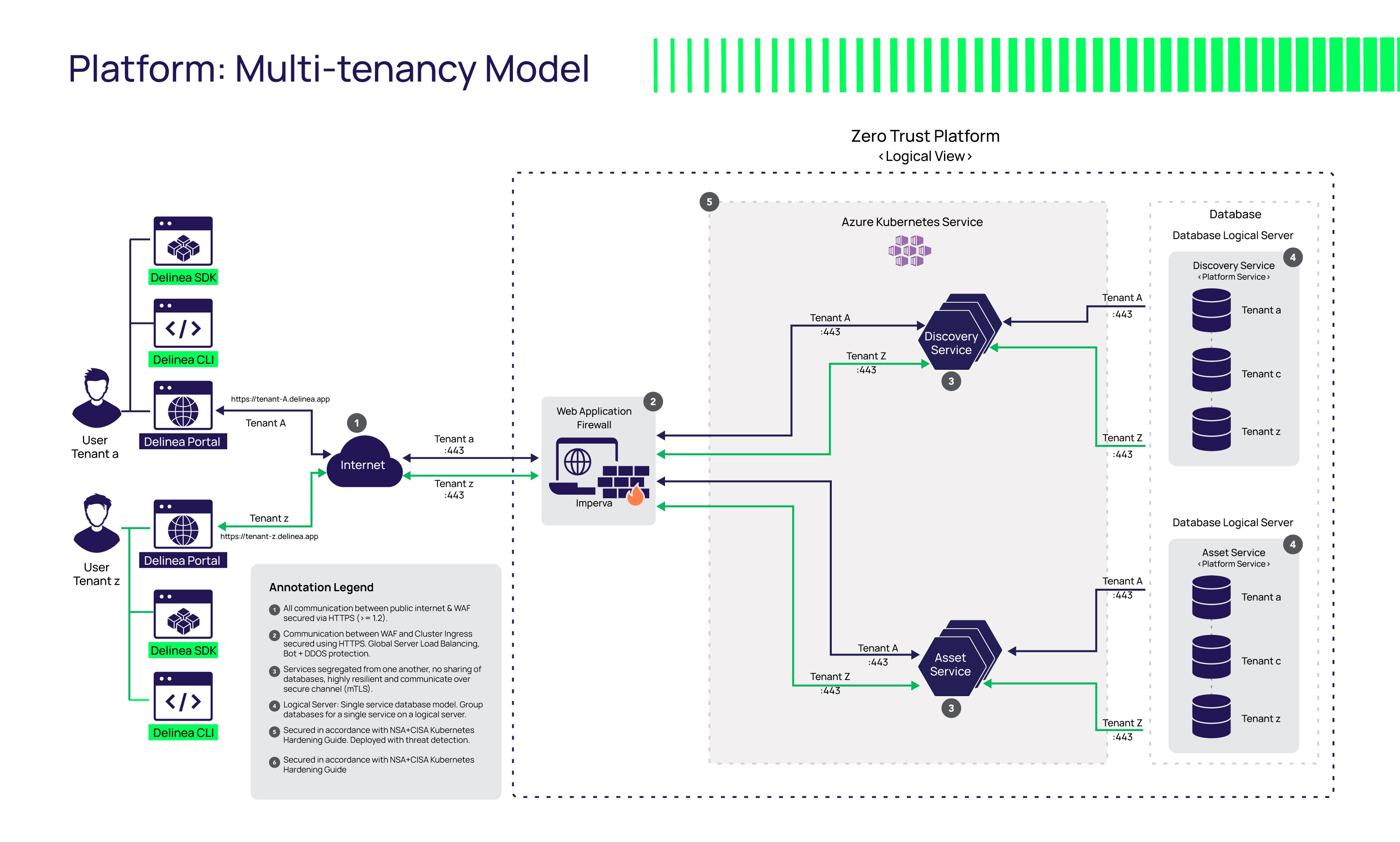
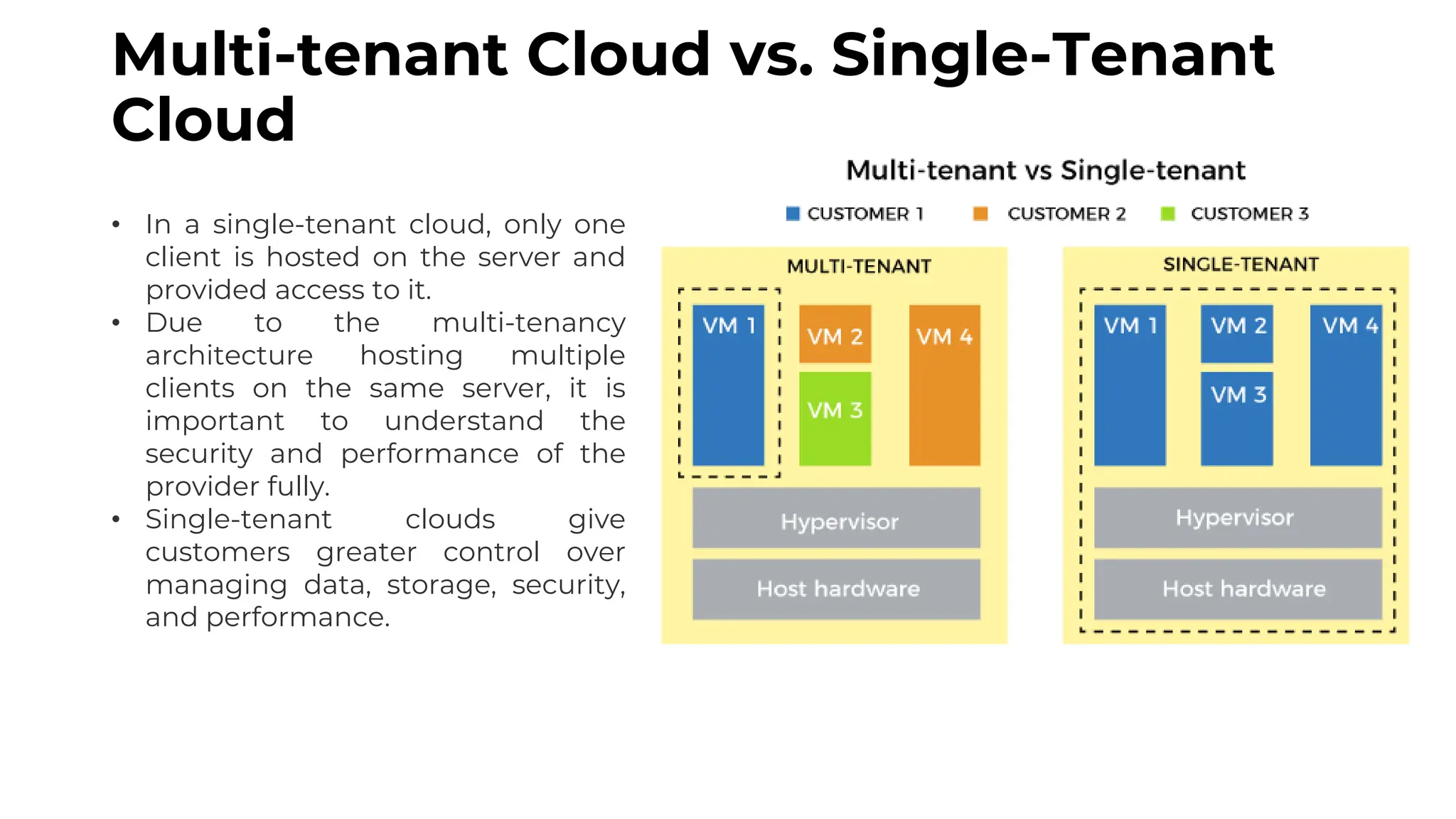
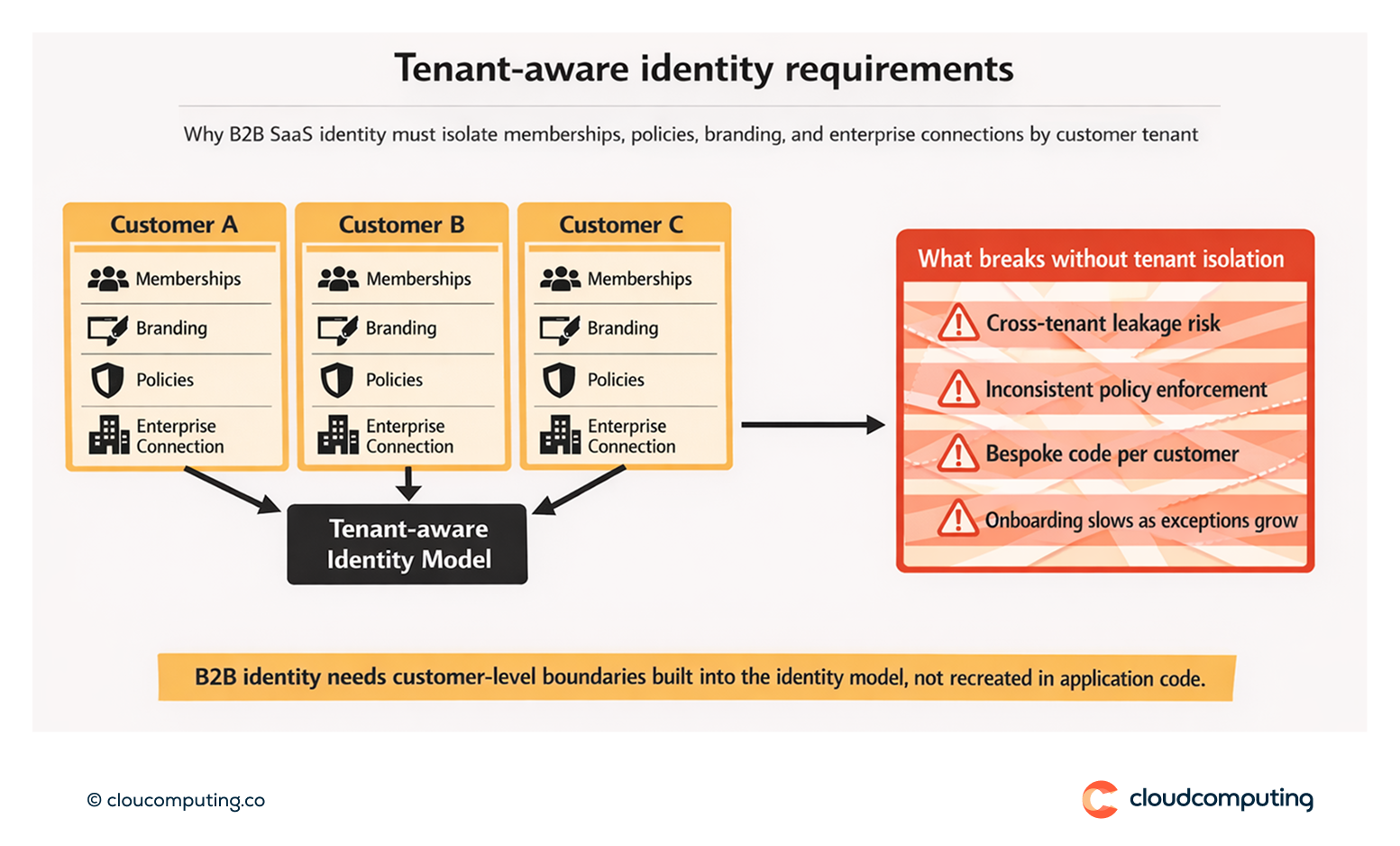
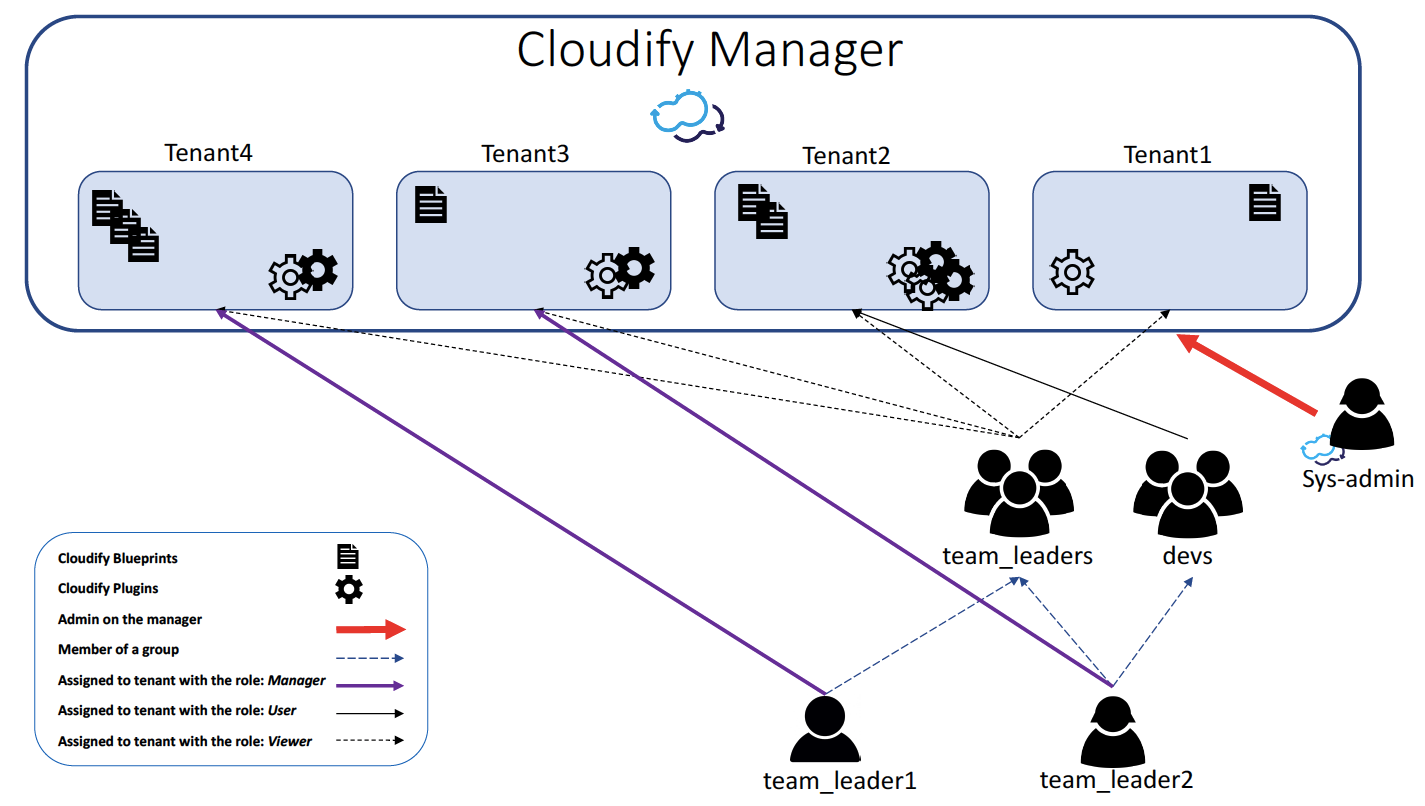
Co-tenancy in cloud security refers to the architectural model where multiple distinct customers, known as tenants, share the same physical hardware, storage, and networking infrastructure provided by a cloud service provider (CSP). While this multitenancy model enables cost efficiency and massive scalability for cloud platforms, it introduces significant security implications, as it necessitates strict logical isolation to prevent cross-tenant data leakage or unauthorized access to neighbor resources.
Contents
The Architectural Foundation of Co-Tenancy
In a cloud computing environment, physical resources such as servers, CPUs, memory, and network bandwidth are pooled to serve various clients simultaneously. This pooling is the essence of co-tenancy. From a provider’s perspective, this maximizes utilization; from a customer’s perspective, it provides access to high-end infrastructure that would be economically prohibitive to own individually.
However, the security challenge lies in the "logical" rather than "physical" separation. Because the underlying hardware is shared, the software layer—specifically the hypervisor in virtualized environments or the container orchestration engine in cloud-native setups—must act as the authoritative gatekeeper. If this layer fails, one tenant could potentially gain visibility into the memory, storage, or processing threads of another.
Primary Security Risks in Shared Infrastructure
The reliance on software-defined isolation creates a specific threat landscape that security architects must address. Understanding these risks is the first step toward building a robust defense strategy.
Side-Channel Attacks
A side-channel attack is a method where a malicious actor exploits the physical implementation of a system rather than its logical software vulnerabilities. In a co-tenant environment, an attacker might monitor shared hardware resources—such as CPU cache timing or power consumption—to infer data belonging to a neighboring tenant. Even without breaking the encryption on the victim's data, the attacker can derive sensitive information like cryptographic keys.
Lateral Movement and Escape
A "virtual machine escape" or "container breakout" occurs when an attacker gains enough control within their own tenant environment to bypass the isolation provided by the hypervisor or container runtime. Once the attacker escapes the guest environment, they move into the host system. From the host, they can potentially interact with other tenants’ environments or the cloud management plane itself.
Resource Exhaustion (Denial of Service)
In a co-tenancy model, "noisy neighbors" are a significant concern. If one tenant consumes a disproportionate amount of shared hardware resources, it can degrade the performance of other tenants. While often viewed as a performance issue, it constitutes a security risk because it can lead to unintentional service outages or mask malicious activity occurring simultaneously.
Comparative Analysis of Isolation Mechanisms
To mitigate the risks inherent in co-tenancy, providers and organizations use varying levels of isolation. Choosing the right mechanism depends on the sensitivity of the workload and the specific cloud deployment model.
| Isolation Method | Implementation | Security Strength | Performance Overhead |
|---|---|---|---|
| Virtual Machines (VMs) | Hypervisor-based | High (hardware-assisted) | Moderate |
| Containers | Namespace/Cgroups | Low to Moderate | Minimal |
| Micro-VMs | Lightweight hypervisors | High | Low |
| Bare Metal Cloud | Dedicated hardware | Maximum | None |
Virtual Machines vs. Containers
Traditional VMs provide strong isolation because the hypervisor creates a comprehensive virtual hardware environment for each guest OS. Containers, by contrast, share the host operating system kernel. While technologies like namespaces and control groups (cgroups) isolate processes, they share a larger attack surface, making them inherently more susceptible to kernel-level exploits compared to VMs.
Implementing Hardened Security Controls
Organizations cannot rely solely on the cloud provider’s security posture. A "Shared Responsibility Model" dictates that the client is responsible for security in the cloud, while the provider manages security of the cloud. To protect against co-tenancy risks, consider the following technical strategies.
1. Workload Hardening and Encryption
Data must be encrypted both at rest and in transit. By employing strong encryption, even if a cross-tenant data breach occurs, the stolen information remains unintelligible without the appropriate keys. Use Hardware Security Modules (HSMs) or managed Key Management Services (KMS) to maintain strict control over your encryption keys, ensuring the provider does not have access to the raw material.
2. Micro-segmentation
Within your own cloud environment, use micro-segmentation to limit the blast radius of a potential breach. By defining granular network policies that only allow necessary traffic between services, you prevent an attacker who has breached one part of your architecture from moving laterally to sensitive databases or administrative consoles.
3. Choosing Dedicated Infrastructure
For highly regulated industries or workloads handling critical PII (Personally Identifiable Information), the most effective mitigation for co-tenancy risk is the removal of the co-tenant entirely. Many major cloud providers offer "Dedicated Hosts" or "Dedicated Instances." While this increases costs, it ensures that your workloads run on physical hardware that is not shared with other customers, effectively eliminating hardware-based side-channel risks.
Addressing Regulatory and Compliance Requirements
When operating in shared environments, organizations must verify that the CSP adheres to industry standards such as SOC 2, ISO/IEC 27017, and PCI DSS. These frameworks mandate rigorous auditing of logical isolation controls. As an administrator, you must review the provider's Attestation of Compliance (AOC) specifically to see if their isolation methods for multitenancy have been third-party verified.
Frequently Asked Questions
Can I be legally liable if a neighbor breaches my cloud environment?
Liability depends on your service-level agreement (SLA) and the specific nature of the breach. Generally, providers accept responsibility for infrastructure-level failures. However, you remain responsible for how you configure your environment and the data you place within it. Always consult legal counsel regarding your specific jurisdiction and contract.
What is a "noisy neighbor" and how do I defend against it?
A noisy neighbor is a tenant that consumes excessive shared resources, impacting your performance. You can mitigate this by utilizing resource quotas, auto-scaling policies, and performance monitoring tools to alert you when latency spikes suggest resource contention.
Is containerization less secure than traditional virtualization?
Yes, in terms of isolation. Containers share the host kernel, whereas VMs have independent kernels. If the host kernel is compromised, all containers on that host may be vulnerable. Using tools like gVisor or Kata Containers can provide VM-like isolation for containerized workloads.
How does hardware-level encryption mitigate co-tenancy risks?
Technologies like Intel SGX (Software Guard Extensions) allow applications to create "enclaves" in memory that are encrypted and isolated from the rest of the system—even from the host operating system. This provides a deep layer of protection against unauthorized access in a shared hardware environment.
Does dedicated cloud infrastructure guarantee 100% security?
No. Dedicated infrastructure eliminates risks specifically related to co-tenancy (like side-channel attacks from neighbors), but it does not protect against software vulnerabilities, misconfigurations, or identity-based attacks within your own environment.
Next Steps for Cloud Security Optimization
To begin securing your co-tenancy environment, perform an immediate audit of your existing cloud assets. Identify which workloads require strict isolation and assess whether they are currently running on shared hardware. For your most sensitive applications, evaluate the cost-benefit of migrating to dedicated instances or bare-metal configurations. Finally, ensure your encryption management strategy is centralized and that you maintain exclusive control over your data keys, as this remains the most critical defense against unauthorized access in any shared cloud infrastructure.
Image Gallery