Why the Prince Andrew Royal Lodge Home Matters: Financial, Legal, and Monarchy Dynamics
The ongoing dispute surrounding Prince Andrew’s residence at Royal Lodge in Windsor Great Park is far more than a domestic disagreement between family members. It represents a complex collision of public asset governance, commercial le...
The ongoing dispute surrounding Prince Andrew’s residence at Royal Lodge in Windsor Great Park is far more than a domestic disagreement between family members. It represents a complex collision of public asset governance, commercial lease contracts, state-funded security policy, and the strategic modernizing efforts of King Charles III.
Contents
Because Royal Lodge is owned by the Crown Estate—an independent commercial estate that transfers its net profits to the UK Treasury—the terms under which non-working royals occupy such properties carry significant political, financial, and legal ramifications. Understanding why Royal Lodge matters requires analyzing its unique leasehold terms, the financial burden of maintaining Grade II* listed heritage sites, and the broader institutional shift toward a streamlined British monarchy.
The History and Physical Scale of Royal Lodge
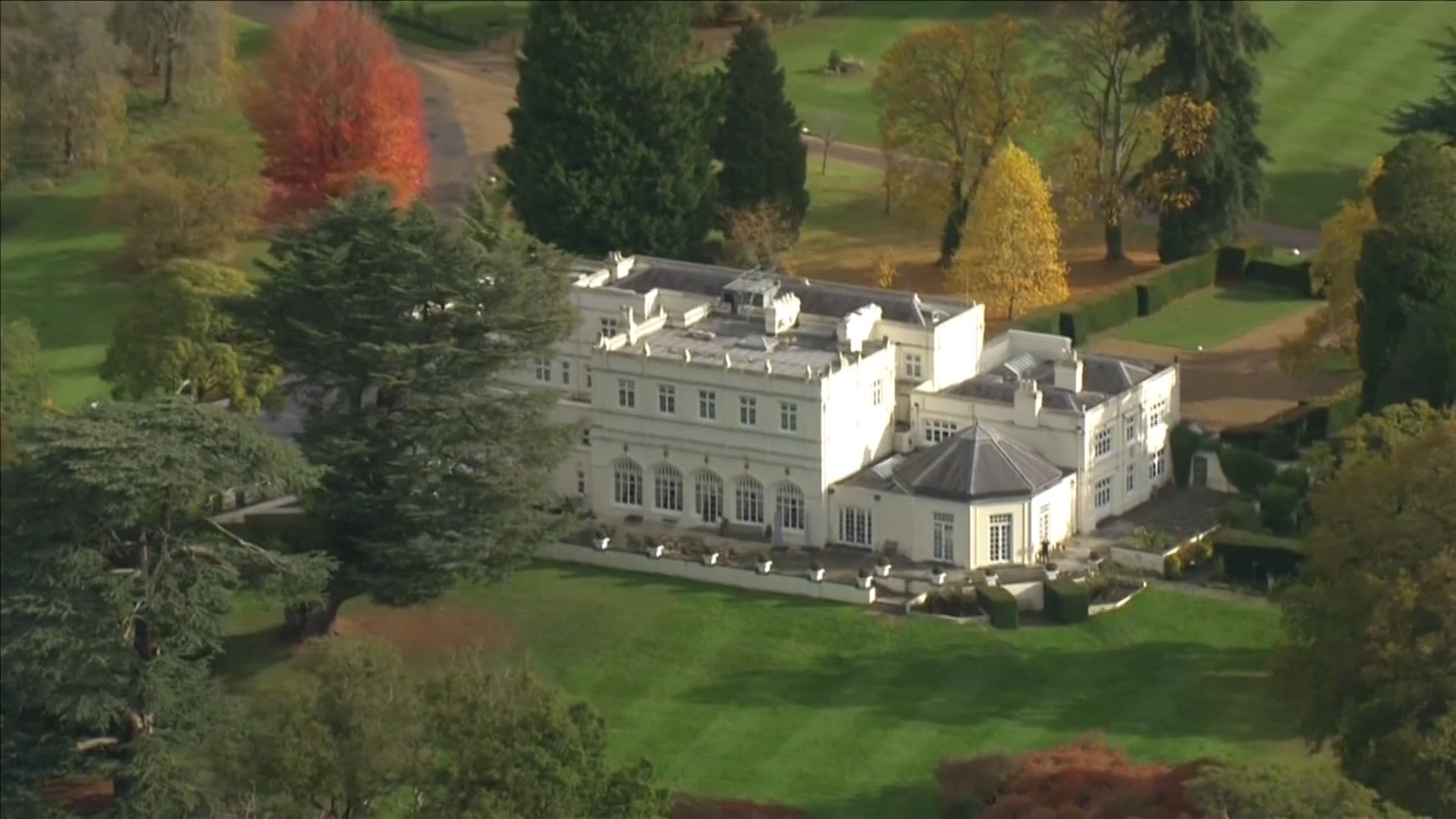
Royal Lodge is situated within Windsor Great Park, approximately three miles lodge-south of Windsor Castle. Originally built in the mid-1640s, the residence underwent substantial expansion during the 19th century under King George IV. It later served as the country residence of King George VI and Queen Elizabeth (the Queen Mother) during their time as Duke and Duchess of York, remaining the Queen Mother’s official Berkshire residence until her death in 2002.
The property is not a simple suburban residence; it is a sprawling, high-maintenance country estate:
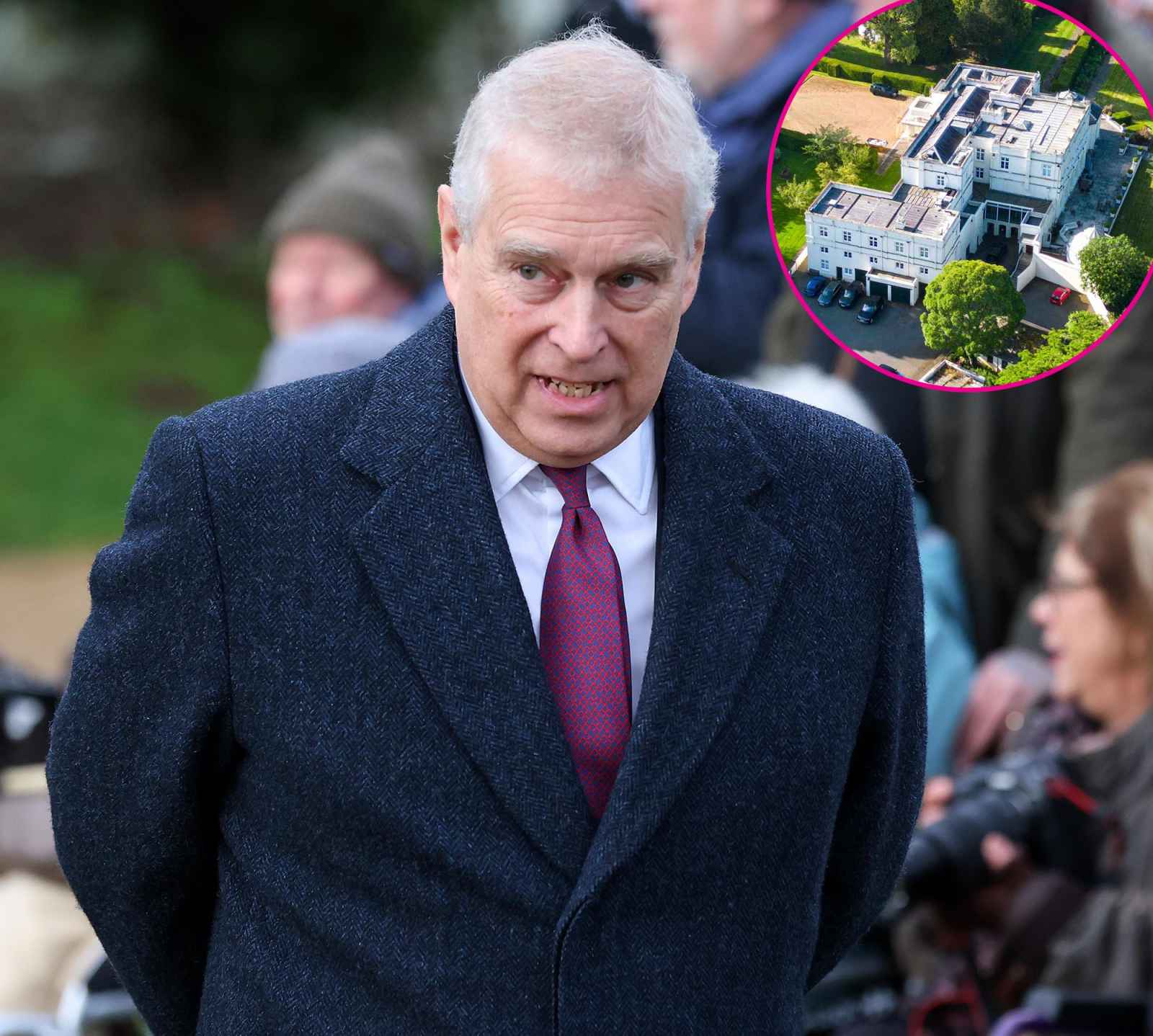
- Interior Space: A 30-room mansion containing grand drawing rooms, a formal dining area, private apartments, and administrative office space.
- Surrounding Grounds: Enclosed by approximately 98 acres of private gardens, woodland, and outbuildings, including Chapel Royal of All Saints and several keeper cottages.
- Historical Listing: Designated as a Grade II* listed building, placing strict statutory obligations on occupiers to maintain the historical fabric, stonework, timber, and roofing according to statutory heritage standards.
Historically, royal residences like Royal Lodge operated under "grace-and-favor" arrangements—informal occupancy granted by the Sovereign without formal commercial leases. However, following the Queen Mother’s death, the management framework shifted dramatically toward formal legal agreements governed by property law.
The 2003 Crown Estate Lease Agreement
In 2003, Prince Andrew signed a formal 75-year leasehold agreement for Royal Lodge with the Crown Estate Commissioners. This contract changed the legal relationship between the royal occupant and the estate managers from informal royal permission to a binding civil contract.
| Aspect | Leasehold Structure Terms (2003) |
|---|---|
| Term Length | 75 Years (Commenced 2003) |
| Upfront Investment | ~£7.5 Million (Structural Renovations & Repairs) |
| Rent | Nominal / Peppercorn (Offset by initial capital investment) |
| Maintenance Mandate | Strict 5-year internal/external repair covenants |
| Transfer Rights | Assignable to immediate family (subject to conditions) |
Key Lease Clauses and Financial Terms
- Capital Refurbishment Commitment: In lieu of standard commercial market rent, Prince Andrew agreed to fund extensive repairs and structural renovations, spending an estimated £7.5 million to refurbish the aging estate.
- Peppercorn Rent Structure: Because of the substantial initial capital investment, ongoing rent was fixed at a nominal "peppercorn" rate, provided the lessee abides by all statutory maintenance covenants.
- Strict Maintenance Covenants: The legal agreement mandates that the tenant must perform regular restoration, painting, and structural repairs at specified intervals (e.g., redecorating external walls every five years and internal spaces every seven years).
- Inheritance and Assignment Provisions: The lease contains clauses allowing the tenancy to be assigned to direct heirs (such as Princess Beatrice or Princess Eugenie) or his surviving spouse, subject to approval by the Crown Estate Commissioners.
Because this agreement is a binding legal lease governed by English contract and property law, the King cannot simply evict Prince Andrew by royal decree. Unilateral termination requires demonstrating a clear material breach of contract, such as failure to maintain the property or non-payment of agreed financial obligations.
Why Royal Lodge Matters to the Monarchy and the Public
The persistent scrutiny over Royal Lodge highlights three critical friction points: monarchical strategy, public accounting, and legal asset management.
- Royal Lodge Conflict
- Institutional Reform: Streamlining the public image of working royals.
- Crown Estate Legal Lease: Contractual protections & repair duties.
- Taxpayer & Security Cost: Public funds vs private royal responsibilities.
1. Modernization and the "Slimmed-Down" Monarchy
Under King Charles III, the royal family’s operational policy emphasizes a reduced footprint of active, working royals funded by state mechanism. Non-working royals—individuals who no longer represent the Sovereign at public engagements—are increasingly expected to self-fund their lifestyles, housing, and security.
Allowing a non-working royal to inhabit a 30-room estate spanning nearly 100 acres conflicts directly with this public-facing image of fiscal restraint. It creates an uncomfortable visual contrast during a period of broader economic challenge in the United Kingdom.
2. The Independence of the Crown Estate
The Crown Estate is managed by an independent statutory board established under the Crown Estate Act 1961. Its legal duty is to maintain and enhance the value of the estate and the return obtained from it, while acting in the public interest.
If a tenant fails to fulfill maintenance covenants on a historical asset, the Crown Estate Commissioners face legal and financial exposure. The board must manage Royal Lodge on commercial and legal merits rather than personal royal privilege, ensuring that public assets do not degrade over time.
3. Security Funding and Public Accountability
While the residence itself is privately leased, securing a large estate in open parkland presents severe logistical and financial challenges. Historically, official royal protection officers were provided via Home Office police funding. Following Prince Andrew's withdrawal from public duties in 2019, state-funded police protection was reassigned, leaving the private funding of security teams as a central point of contention.
Without state protection, maintaining a physical security presence across a 98-acre footprint costs millions of pounds annually. This creates a severe ongoing financial commitment for the occupant, raising questions about long-term feasibility.
Comparative Overview of Royal Residence Frameworks
To understand the unique positioning of Royal Lodge, it helps to compare how various properties within the royal portfolio are held, managed, and funded.
| Residence Name | Asset Ownership Structure | Primary Funding Source | Occupancy Framework |
|---|---|---|---|
| Royal Lodge | Crown Estate | Private (Tenant funded maintenance) | 75-year commercial leasehold (Signed 2003) |
| Buckingham Palace | Held by Sovereign in right of the Crown | Sovereign Grant (State funded) | Official Working Headquarters & Royal Residence |
| Frogmore Cottage | Crown Estate | Private / Retained by Crown Estate | Long-term leasehold / Royal accommodation |
| Windsor Castle | Held by Sovereign in right of the Crown | Sovereign Grant (State funded) | Official State Residence |
| Balmoral Castle | Private Property of the Monarch | Private Royal Funds (Duchy of Lancaster / Personal) | Private Estate (Not state-owned) |
| Sandringham House | Private Property of the Monarch | Private Royal Funds (Duchy of Lancaster / Personal) | Private Estate (Not state-owned) |
Unlike Balmoral or Sandringham, which are the personal private property of the Windsor family, Royal Lodge is part of the Crown Estate portfolio. It is held in trust for the nation and managed independently of the King's personal estate.
Legal and Financial Challenges Facing the Occupant
The primary pressure points surrounding Royal Lodge center around ongoing maintenance enforcement and long-term security solvency.
Maintenance and Restoration Liabilities
Grade II* listed structures require specialized architectural repair, including lime mortar repointing, lead roofing remediation, and timber restoration. Under the 2003 lease terms, failure to execute required maintenance schedules can trigger formal notices of default from the Crown Estate.
If an occupant fails to remedy identified structural repair issues after receiving official notice, the landlord (the Crown Estate) possesses legal remedies under English property law, including forfeiture proceedings. However, pursuing legal action against a member of the Royal Family creates unprecedented institutional complexity.
Security Logistics and Cost Pressures
Securing a estate of this scale requires:
- Perimeter monitoring technology and automated gate infrastructure.
- On-site security personnel operating 24 hours a day.
- Secure access control systems linked to local law enforcement.
When state-funded police security is absent, these private security costs must be settled directly by the individual tenant. If security payments lapse, the estate becomes vulnerable, creating both personal safety risks and security complications for the adjacent Windsor Castle estate.
- Royal Lodge Financial Friction Matrix
- High Maintenance Demands (Grade II* structural upkeep) + Private Security Expenses (24/7 private protection team)
- Creates ongoing demand for:
- Substantial Independent Capital OR Alternative Accommodation (e.g. Frogmore)
- Creates ongoing demand for:
- High Maintenance Demands (Grade II* structural upkeep) + Private Security Expenses (24/7 private protection team)
Alternative Solutions and Future Scenarios
The tension over Royal Lodge has led to several proposed solutions aimed at balancing legal rights, public perception, and financial realities.
Scenario A: Full Voluntary Surrender of the Lease
Under this scenario, Prince Andrew would surrender the 75-year lease back to the Crown Estate. In exchange, he might receive compensation representing the unexpired value of the lease investment, calculated based on the initial capital spend minus depreciation over the elapsed years.
This would allow him to relocate to a smaller, more secure, and less resource-intensive property, such as Frogmore Cottage, which sits within the secure perimeter of Windsor Castle.
Scenario B: Lease Compliance and Private Self-Funding
If Prince Andrew provides verified proof of independent financial resources capable of covering both the multi-million-pound annual security costs and the required structural repairs, the Crown Estate has no immediate legal standing to terminate the lease.
In this arrangement, he remains at Royal Lodge as a private tenant, assuming full commercial and physical responsibility without recourse to public funds or Duchy support.
Scenario C: Sub-Leasing or Estate Repurposing
If permitted under the original covenants, parts of the grounds or auxiliary cottages could theoretically be sub-leased to generate revenue. However, security protocols surrounding Windsor Great Park make commercial sub-leasing highly problematic, limiting the practical viability of this option.
Institutional Legacy and Precedent
The situation surrounding Royal Lodge establishes a legal and operational precedent for how non-working members of the royal family will be accommodated in future generations.
- Clarification of Royal Property Rights: It establishes clear boundaries between informal monarchical privilege and formal legal contracts governed by the Crown Estate.
- Standardization of Security Allocation: It reinforces the policy that public funds for security protection are linked directly to official state duties, rather than royal status or heritage titles.
- Transparency in Asset Management: It demonstrates that the Crown Estate board must uphold its fiduciary responsibility to protect public assets, regardless of the tenant's royal status.
Frequently Asked Questions
Does Prince Andrew own Royal Lodge?
No. Prince Andrew does not own Royal Lodge. The property is owned by the Crown Estate. He holds a 75-year leasehold agreement signed in 2003, which gives him legal rights of occupancy provided he fulfills contractual lease terms.
Can King Charles III directly evict Prince Andrew from Royal Lodge?
King Charles III cannot unilaterally evict Prince Andrew from Royal Lodge because the occupancy is governed by a legally binding Crown Estate lease under civil law, not a royal favor. Termination requires a breach of contract verified by the Crown Estate Commissioners or a voluntary surrender by the tenant.
Who pays for the repairs and upkeep of Royal Lodge?
Under the terms of the 2003 lease agreement, the tenant (Prince Andrew) is entirely responsible for structural repairs, maintenance, and internal/external restoration in compliance with its Grade II* historical listing status.
Why is security such a major issue for Royal Lodge?
Royal Lodge spans 98 acres outside the main secure perimeter of Windsor Castle. Following Prince Andrew's retirement from public duties, state-funded police security was withdrawn. Funding private security teams for an estate of this size creates a continuous multi-million-pound annual expense.
What happens if the lease covenants are not maintained?
If the tenant fails to carry out mandated repairs and structural upkeep, the Crown Estate can issue formal legal notices of default. Continued non-compliance could lead to forfeiture of the lease under standard English property law provisions.
Summary of the Key Takeaway
The Royal Lodge controversy highlights the reality of modern royal management: legal commercial contracts have replaced historic grace-and-favor privileges. Moving forward, the occupancy of Royal Lodge depends entirely on whether the leaseholder can meet the strict legal, repair, and security funding conditions required by the Crown Estate, balancing private contract rights against the public interest of the British monarchy.
Image Gallery