How to Decide on Foundation Crack Repair in Pasadena, Texas
Deciding on foundation crack repair in Pasadena, Texas, requires distinguishing between superficial aesthetic cracks caused by normal concrete curing and structural failures driven by the region’s expansive Beaumont Formation clay soil...
Deciding on foundation crack repair in Pasadena, Texas, requires distinguishing between superficial aesthetic cracks caused by normal concrete curing and structural failures driven by the region’s expansive Beaumont Formation clay soils. Homeowners should prioritize professional structural assessments to determine if cracks indicate active foundation movement, soil heave, or settlement before committing to invasive, costly mechanical repairs.
Contents
Understanding the Pasadena Geological Context
Pasadena sits within the Gulf Coastal Plain, an area characterized by highly expansive clay soils. These soils are prone to significant volume changes—swelling during the rainy, humid months and shrinking drastically during the frequent, intense Texas droughts. This cycle exerts immense pressure on concrete slab-on-grade foundations.
When evaluating a crack, the first step is to identify the underlying cause. If you reside in older sections of Pasadena, your foundation may be subject to the long-term effects of minor, historical soil shifting. However, if the cracks are new or rapidly widening, the soil moisture content beneath your home has likely undergone a significant change. In 2026, many homes in the region are managing the cumulative stress of recent climate cycles, making it essential to distinguish between benign surface cracking and signs of structural distress.
Identifying Diagnostic Signs of Structural Failure
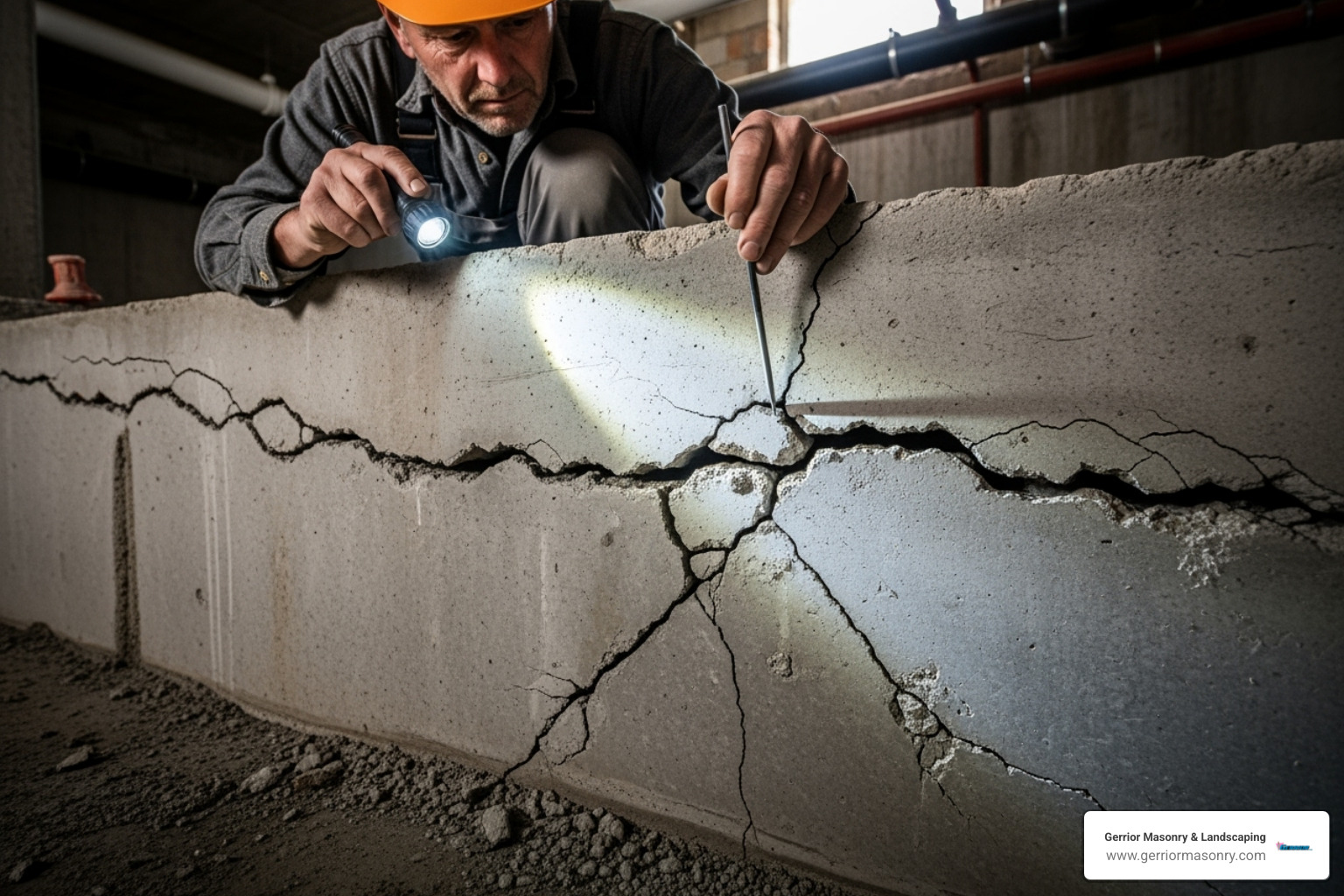
Not all cracks necessitate immediate intervention. To decide on the appropriate course of action, you must perform a preliminary visual inspection.
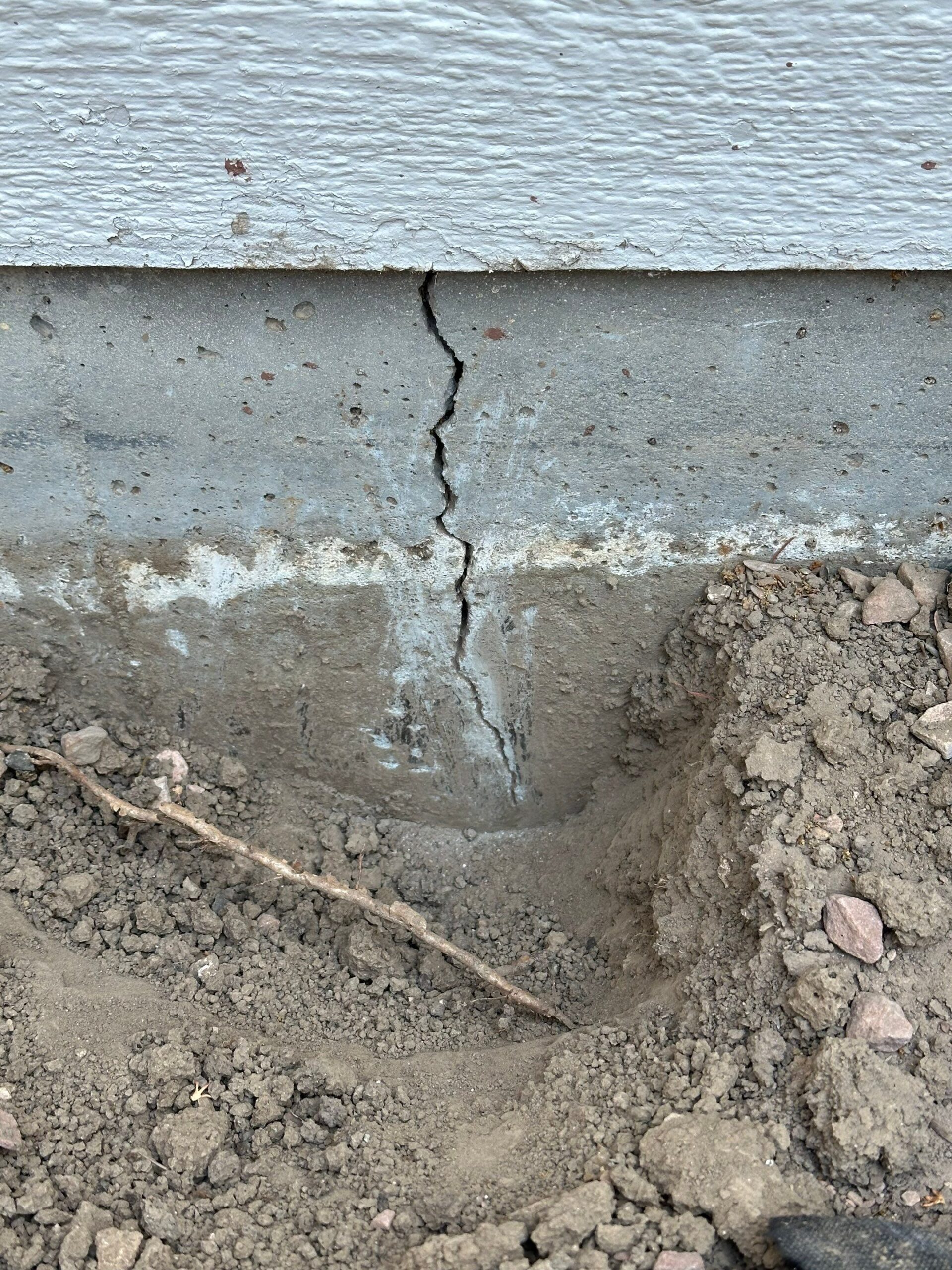
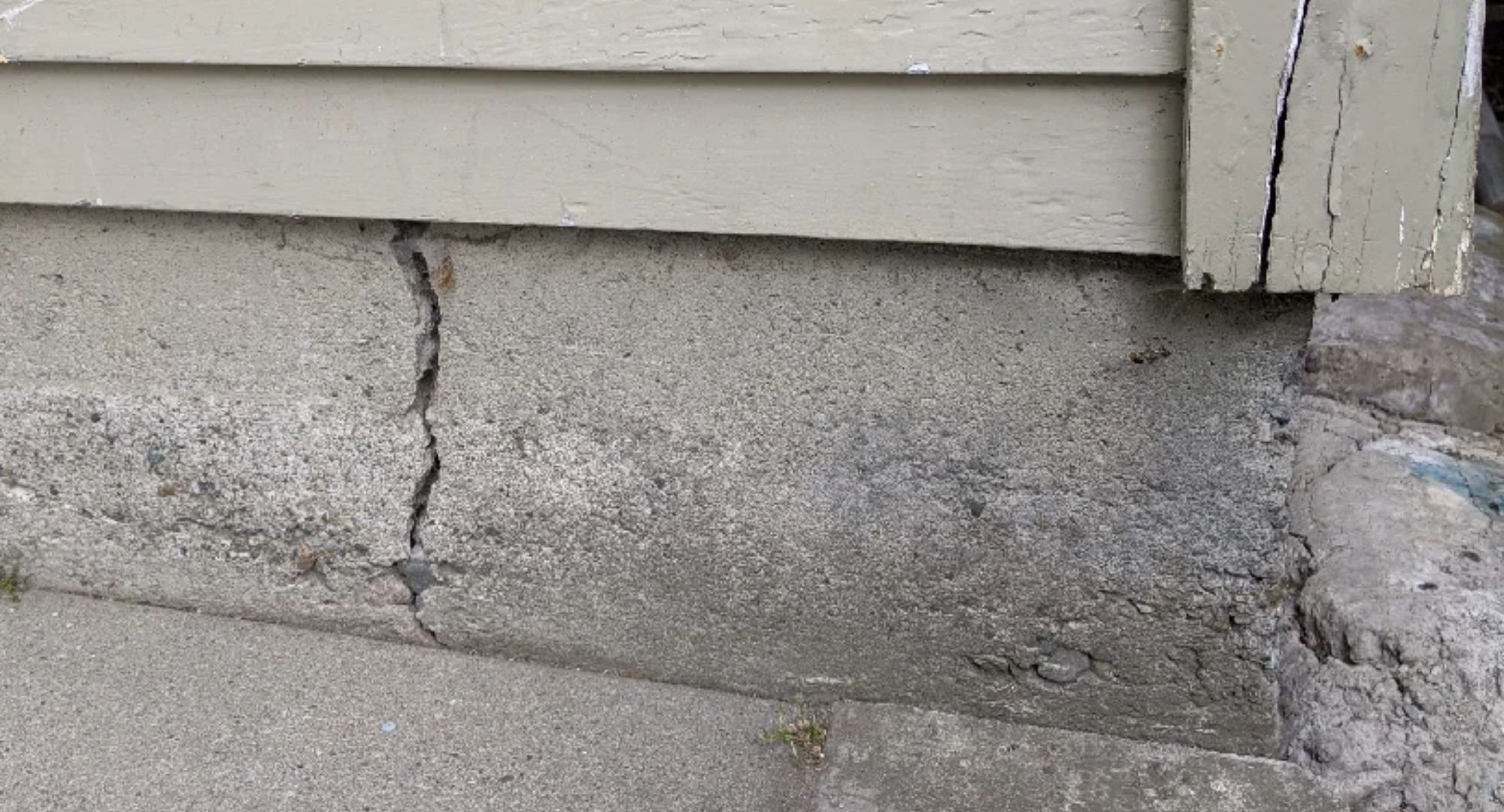
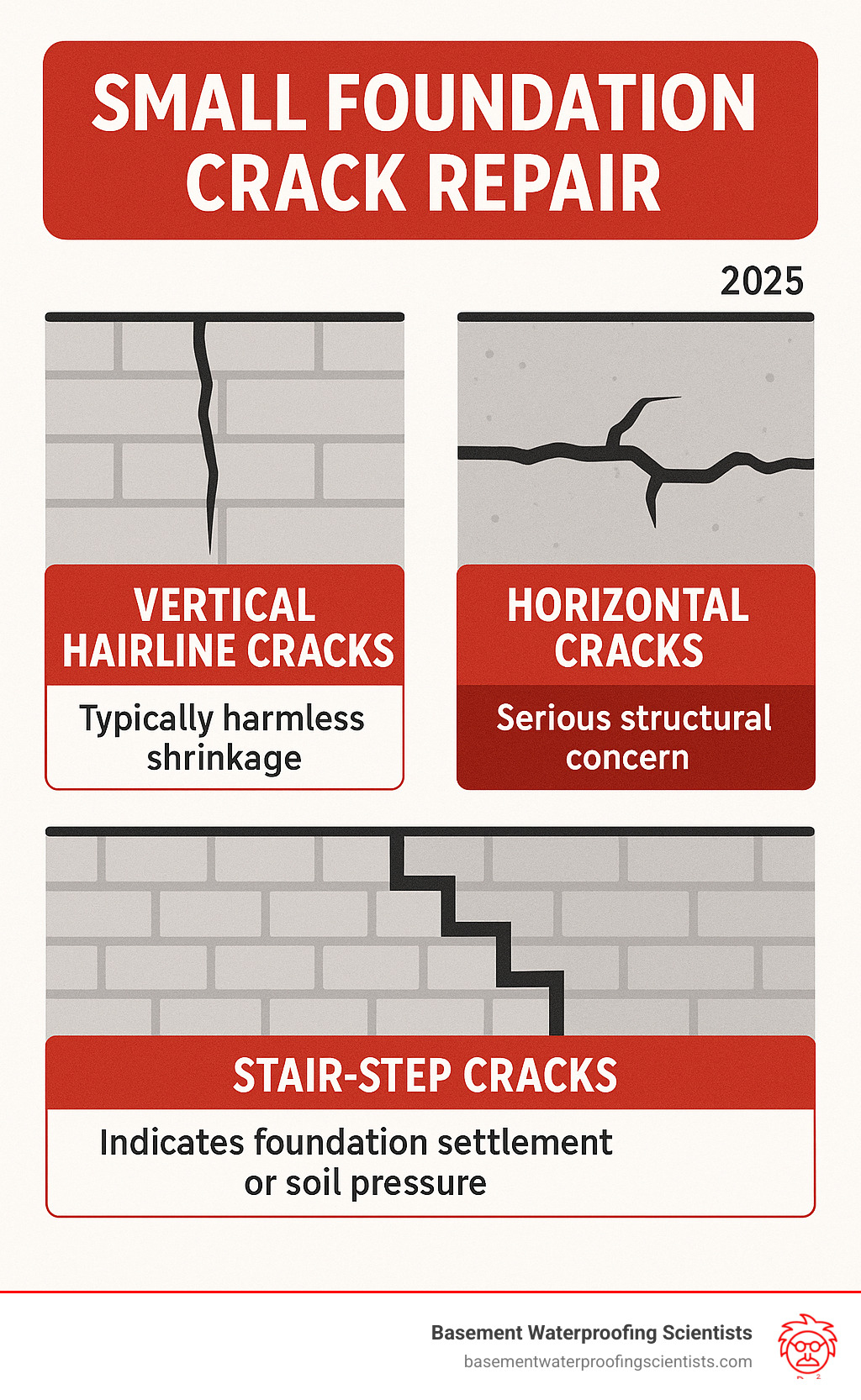
- Hairline Cracks (Non-Structural): These are typically vertical or random "spiderweb" patterns often caused by concrete shrinkage during the initial drying process. They are generally cosmetic.
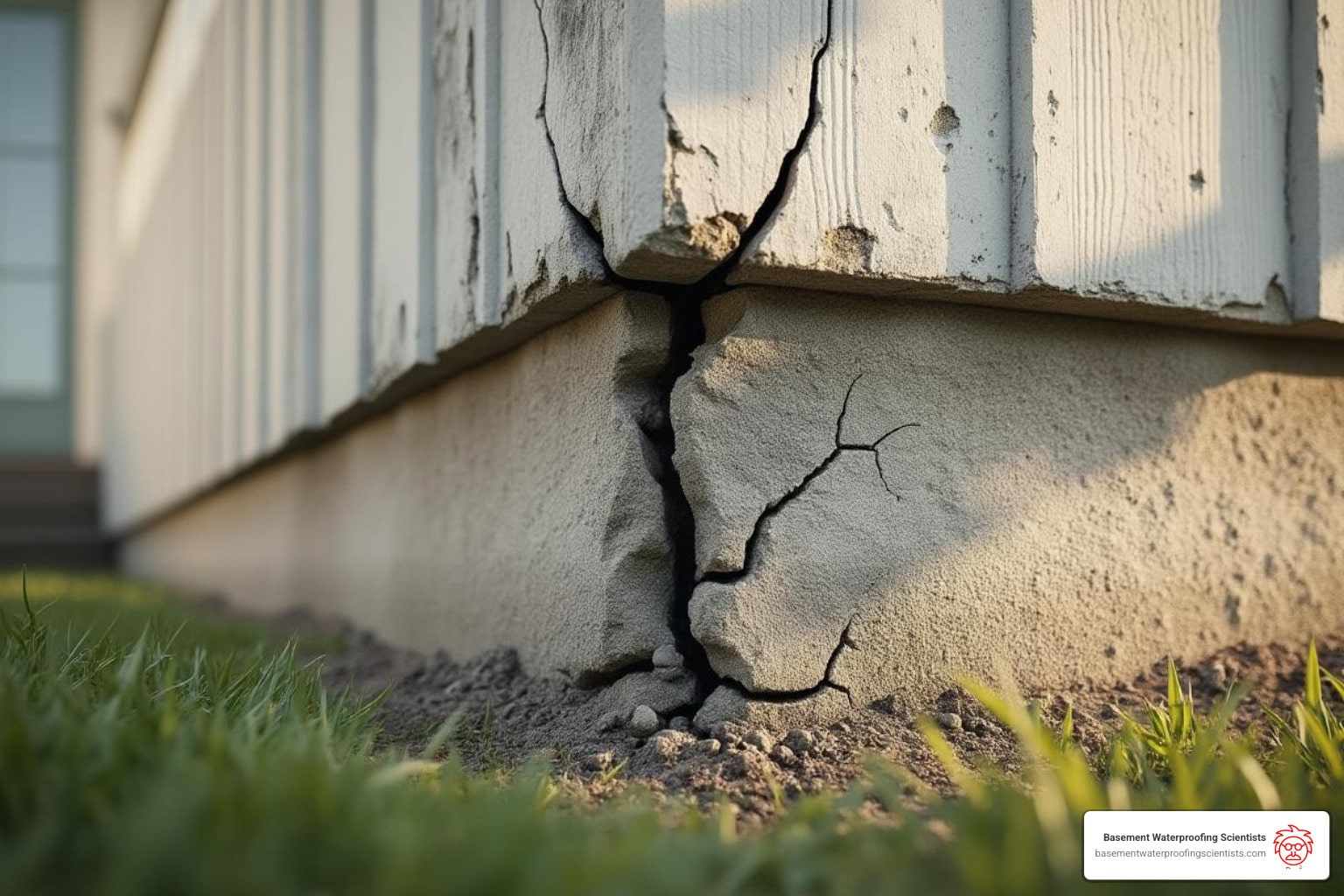
- Diagonal Cracks: Often originating from the corners of doors or windows, these are common indicators of differential settlement, where one section of the foundation has moved differently than another.
- Wide, Horizontal Cracks: These are high-priority red flags. They often suggest extreme pressure against the foundation walls or significant lateral movement.
- Stair-Step Cracking in Brickwork: If your home has a brick veneer, look for cracks that follow the mortar joints in a jagged, stair-step pattern. This is often a clearer indicator of movement than the slab crack itself.
Beyond the cracks, look for secondary symptoms. Do your doors stick or fail to latch? Do windows have gaps where they once sat flush? Are there visible cracks in the interior drywall, specifically near corners? If you notice these symptoms in conjunction with a foundation crack, you should treat the situation as a potential structural concern requiring professional evaluation.
The Role of Professional Structural Engineers
One of the most critical mistakes homeowners make is contacting a foundation repair contractor before consulting an independent structural engineer.
Foundation repair companies often operate on a sales-driven model. While many are reputable, they may have a vested interest in selling you specific underpinning systems (such as steel piers or concrete pilings). An independent, licensed structural engineer in Texas has no financial incentive to recommend a repair; their sole professional duty is to assess the structural integrity of your home.
A licensed engineer will perform a "leveling survey" using a zip level or laser transit to map the elevation of your floor slab. This data provides a baseline of your home’s "deflection"—how much the foundation has deviated from its original plane. This report is your most valuable asset when deciding on a repair, as it allows you to compare quotes from different contractors based on a unified diagnostic standard.
Comparative Repair Methodologies
If a structural engineer confirms that your foundation requires correction, you will likely be presented with several industry-standard methods. The following table summarizes the typical approaches used in the Gulf Coast region.
| Method | Primary Use Case | Mechanism | Pros/Cons |
|---|---|---|---|
| Pressed Piling | Minor to moderate settlement | Concrete cylinders driven into the soil | Fast installation, cost-effective; may require future adjustments. |
| Steel Piers | Significant, deep-seated settlement | Driven to "refusal" in load-bearing strata | High durability and stability; higher upfront investment. |
| Mudjacking | Minor voids under the slab | Injecting grout to fill soil gaps | Inexpensive for stabilization; does not solve deep soil issues. |
| Helical Piers | Light structures/specific soil loads | Screwed into the soil like a corkscrew | Excellent for specific soil types; requires specialized equipment. |
Assessing Repair Requirements and Costs
In Pasadena, repair costs in 2026 vary significantly based on the square footage of the affected area, the number of piers required, and the difficulty of access to the home’s perimeter.
Before signing a contract, ensure the scope of work includes a comprehensive "drainage plan." Because expansive clay is the primary culprit in Pasadena, repairing the foundation without addressing the surface drainage—the way water moves away from your home—is often a wasted investment. Ensure the contractor includes the installation of downspout extensions, swales, or French drains if the engineer identifies poor drainage as a contributing factor.
When to Wait and When to Act
The "wait and see" approach is valid if the cracks are static. Many experts recommend "monitoring" cracks before proceeding with expensive repairs. You can monitor progress by placing a "crack monitor" (a simple plastic gauge) across the crack. If the gauge shows no movement over a period of 6 to 12 months, the house may have reached a state of equilibrium.
However, you must act immediately if you observe:
- Plumbing leaks: Persistent water intrusion under the slab can lead to catastrophic soil failure.
- Safety hazards: Structural movement that threatens the integrity of load-bearing walls or ceiling joists.
- Rapid, ongoing movement: If the gap in the crack is noticeably wider each month, the foundation is currently in an active state of failure.
Maintenance After Repair
Once a repair is completed, the focus shifts to moisture management. The goal is to keep the moisture content of the clay soil around your foundation as consistent as possible. In 2026, homeowners in Pasadena are increasingly utilizing automated drip irrigation systems placed around the foundation perimeter to maintain soil moisture during the dry summer months. Avoid planting large, thirsty trees (like oaks or elms) too close to the foundation, as their root systems will aggressively extract water from beneath your slab, exacerbating the shrink-swell cycle.
Frequently Asked Questions
1. Does my homeowners insurance cover foundation crack repair? Generally, no. Most standard homeowners insurance policies in Texas cover "sudden and accidental" damage, but they exclude damage caused by foundation settlement, shifting, or expansion/contraction of soil. Check your specific policy for "foundation rider" language, but assume you will be paying out of pocket.
2. Should I fix the cracks before I try to sell my home? That depends on the severity. If the foundation is visibly unlevel, a buyer’s home inspection will likely flag it. It is often better to have a structural engineer’s report ready to show potential buyers that the movement is within acceptable tolerances or has been professionally stabilized.
3. Is "leveling" my home always necessary? No. Many homes in Pasadena have minor deviations that are well within the "acceptable" range for a slab-on-grade foundation. If the movement does not affect the home's operation or structural integrity, "leveling" might be unnecessary and potentially damaging to the interior finishes.
4. How long does a typical pier installation take? For an average residential project, a foundation repair crew can usually install the necessary piers within 3 to 5 business days, depending on the severity of the settling and the accessibility of the pier locations.
Recommendation
Start by hiring an independent, third-party structural engineer. Use the engineer's report to determine if the crack is purely cosmetic or structurally significant. If repairs are necessary, obtain at least three written bids from contractors. Ensure each bid references the engineer’s specific findings and includes a drainage improvement plan. Do not feel pressured by high-pressure sales tactics; foundation work is a significant investment that warrants a deliberate, informed decision.
Image Gallery