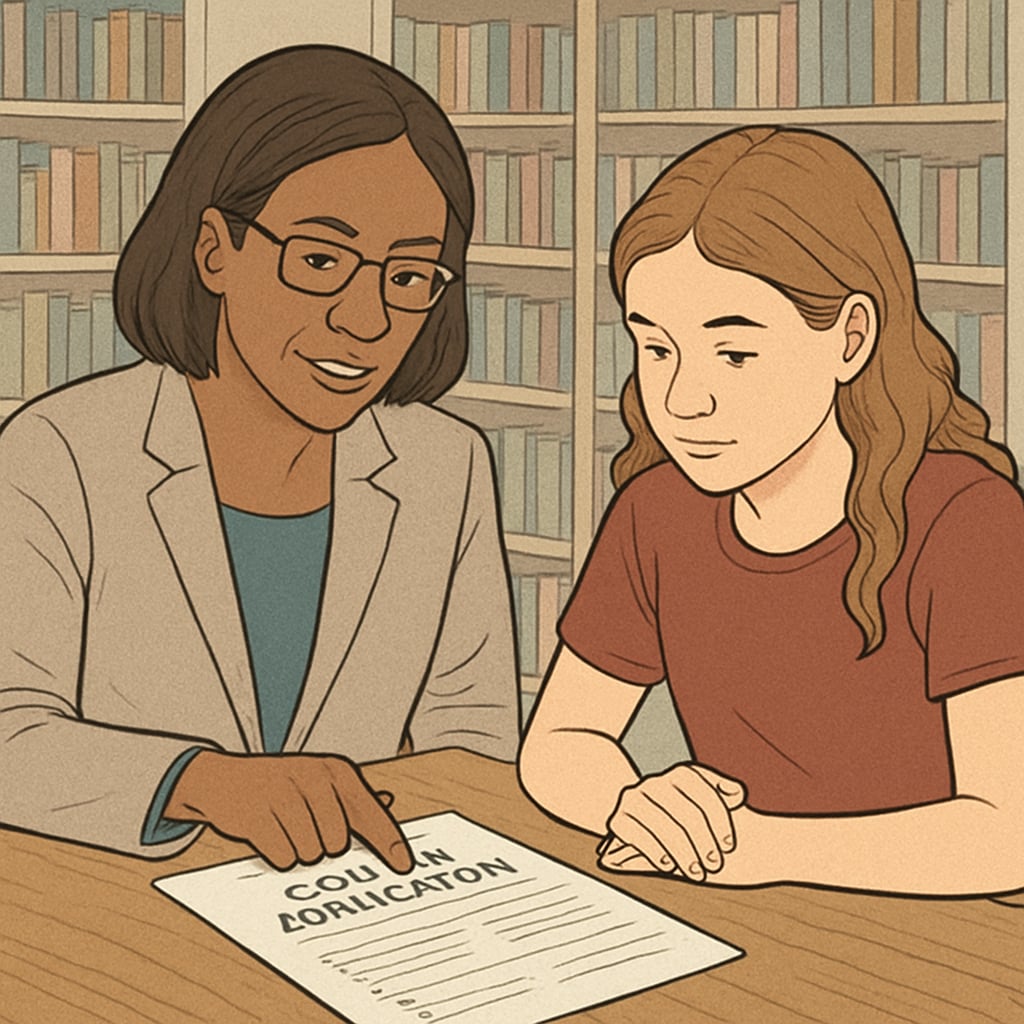
Understanding the Role of Airmid Counseling on Campus
Airmid Counseling serves as a specialized mental health support framework integrated into academic environments, designed to provide students with accessible, confidential, and culturally competent psychological services. Its primary r...
Airmid Counseling serves as a specialized mental health support framework integrated into academic environments, designed to provide students with accessible, confidential, and culturally competent psychological services. Its primary role on campus is to bridge the gap between academic pressure and emotional well-being by offering short-term intervention, crisis management, and referrals to long-term clinical care tailored to the student experience.
Contents
The Foundational Philosophy of Airmid Counseling
The implementation of Airmid Counseling on campus is rooted in a preventive, student-centered approach to mental health. Unlike traditional long-term therapy models that may operate with significant waitlists or off-campus barriers, Airmid models prioritize immediate availability and the reduction of stigma within the university setting. By embedding counseling services directly within the campus infrastructure, institutions ensure that mental health support is treated as an essential component of the student experience rather than an elective convenience.
This model recognizes that the stressors inherent in higher education—ranging from academic rigor and financial strain to social transitions and career anxiety—require a nuanced, specialized response. Airmid counseling practitioners are trained to understand the unique "campus ecosystem," meaning they are familiar with university policies, academic calendars, and the specific pressures faced by undergraduates and graduate students alike.
Core Service Offerings
The efficacy of the Airmid model relies on a suite of services designed to address various levels of psychological distress. These services generally fall into four primary categories:
- Walk-in Triage and Crisis Intervention: This is the immediate point of contact for students in acute distress. The objective is to stabilize the student, assess for safety, and determine the appropriate level of care required moving forward.
- Short-term Targeted Therapy: Most campus-based Airmid sessions focus on Cognitive Behavioral Therapy (CBT) or Solution-Focused Brief Therapy (SFBT). These interventions are designed to provide students with actionable coping mechanisms for specific challenges, such as test anxiety, procrastination, or roommate conflict.
- Psychoeducational Workshops: Beyond individual sessions, Airmid counseling often facilitates group workshops focused on stress management, emotional regulation, and resilience building. These sessions serve a dual purpose: providing tools to the wider student body and normalizing the act of seeking help.
- Referral Management: Airmid counselors act as navigators. When a student’s needs exceed the scope of the university’s short-term model—such as in cases of severe mental health conditions or long-term therapeutic needs—Airmid staff facilitate a "warm handoff" to community-based providers or specialized clinics.
Accessibility and Confidentiality Requirements
For Airmid Counseling to be successful on campus, it must adhere to strict administrative and legal standards. Accessibility is measured not only by the availability of counselors but also by the physical and virtual ease of access. Modern campus programs often implement hybrid models, allowing students to schedule appointments via secure mobile applications or digital portals, which significantly lowers the threshold for students who might feel intimidated by walking into a physical clinic.
Confidentiality remains the cornerstone of the Airmid service. Students must have absolute assurance that their interactions with counselors are protected from academic records and faculty oversight. Under most educational privacy frameworks, such as the Family Educational Rights and Privacy Act (FERPA) in the United States and similar global data protection regulations, health records generated by campus counseling centers are kept separate from academic transcripts. This distinction is vital for maintaining student trust and ensuring that career or academic advancement is not jeopardized by one’s decision to utilize mental health support.
Comparative Overview of Campus Support Models
| Feature | Airmid Campus Counseling | Off-Campus Private Practice | Traditional Academic Advising |
|---|---|---|---|
| Accessibility | High (On-campus) | Variable (Requires transit) | High (Often mandatory) |
| Scope of Care | Short-term/Crisis | Open-ended/Long-term | Academic/Career focus |
| Integration | High (Knows university system) | Low (Isolated from campus) | Total (Part of academic life) |
| Cost to Student | Usually covered by fees | Insurance-dependent/OOP | Included in tuition |
Overcoming Barriers to Usage
Despite the availability of Airmid services, several barriers often prevent students from seeking help. The primary obstacle is self-stigma, or the fear that seeking counseling indicates weakness or personal failure. Addressing this requires a proactive approach from the institution, where Airmid counselors participate in campus outreach, orientation sessions, and student life events to humanize the counseling staff.
Technical and logistical barriers also exist. Students may struggle to understand the scope of their eligibility or the exact procedure for booking an appointment. Effective Airmid programs resolve this by maintaining transparent, user-friendly documentation regarding service limits. For instance, clearly communicating that the center offers "eight sessions per academic year" allows students to manage their expectations and plan their care journey more effectively.
Common Misconceptions
One of the most persistent myths regarding campus counseling is that it is intended to "cure" chronic mental health issues. In reality, the Airmid model is a stopgap and a support layer. It is not equipped to replace intensive, long-term psychiatric treatment. When students understand that the role of Airmid is to provide immediate stabilization and long-term navigation, they are more likely to seek help early, preventing crises before they escalate.
Integration with Campus Health Services
The role of Airmid is increasingly becoming synonymous with "integrated health." Many modern universities are moving toward a model where mental health counseling is co-located with physical health services. This integration allows for a holistic approach to student wellness, where a student visiting a campus clinic for physical symptoms can be seamlessly referred to an Airmid counselor if underlying stress or anxiety is identified as a contributing factor.
Frequently Asked Questions
1. Is Airmid Counseling included in my tuition fees? Most institutions incorporate the cost of Airmid Counseling into mandatory student health or service fees. However, students should verify their specific university portal for any potential co-pays or limits on the number of free sessions per semester.
2. Can my professors find out I am attending counseling? No. Information shared during counseling sessions is protected by strict privacy laws. Counselors cannot disclose your attendance or the content of your sessions to faculty, parents, or administrators without your explicit, written consent, except in cases where there is an immediate danger to yourself or others.
3. What happens if I need long-term therapy? If your mental health needs require ongoing or specialized support beyond the Airmid model, your counselor will provide a formal referral process. They will help you find a community-based provider and, in many cases, assist with navigating insurance coverage to ensure a smooth transition.
4. Can I use Airmid Counseling for career-related stress? Yes. While Airmid focuses on psychological well-being, stressors such as career anxiety, impostor syndrome, or balancing internships with academics are well within the scope of practice. Counselors help you manage the emotional impact of these professional stressors.
Next Steps for Students
If you feel you could benefit from support, the first step is to visit your university’s dedicated counseling page. Locate the "Request an Appointment" link or the triage contact number. Do not wait for a crisis to occur; seeking support for minor stressors is an effective way to prevent them from becoming overwhelming. Review the center’s FAQ page to understand your specific institutional policies regarding session limits and emergency contact procedures. Prioritizing your mental health is a proactive strategy for academic and personal success.
Image Gallery