Understanding the Term Life Insurance Market for Expatriates
For expatriates, the term life insurance market represents a specialized financial sector designed to provide income replacement and debt protection that often transcends national borders. Unlike domestic policies tied to a single coun...
For expatriates, the term life insurance market represents a specialized financial sector designed to provide income replacement and debt protection that often transcends national borders. Unlike domestic policies tied to a single country’s residency requirements, international term life insurance offers portability, currency flexibility, and coverage that remains active regardless of where an individual relocates or travels, addressing the unique risk profile of living abroad.
Contents
The Landscape of International Life Insurance
The term life insurance market for expatriates is distinct from the standard life insurance products found in local retail banking. When you live abroad, local policies—often referred to as "domestic plans"—are frequently tied to permanent residency, citizenship, or a specific tax jurisdiction. If you leave that country, the policy may lapse, or the insurer may refuse to pay out if the policyholder was not a resident at the time of death.
For the expatriate, the "market" is defined by specialized international brokers and offshore insurance carriers. These entities focus on "portable" coverage. This means the contract is governed by international law (often centered in jurisdictions like Bermuda, the Isle of Man, or the Cayman Islands) rather than the domestic laws of your current country of residence. This portability is the cornerstone of the expatriate insurance market; it ensures that your beneficiary receives the death benefit regardless of whether you are in your home country, your current host country, or a third location at the time of passing.
Why Residency Impacts Underwriting
When you apply for term life insurance as an expatriate, the underwriting process differs significantly from a local application. Insurers categorize applicants based on their "country of risk."
- Country of Residence: Your current location determines the level of medical infrastructure available to you. Insurers prefer residents of countries with robust, standardized healthcare systems.
- Political and Stability Risk: Some regions are classified as high-risk due to political instability, civil unrest, or high crime rates. If you reside in such a territory, premiums may increase, or your application may be declined.
- Currency Considerations: Expatriates often have financial obligations in multiple currencies. The international market allows policyholders to choose the currency of the death benefit—typically USD, EUR, or GBP—which helps mitigate the risk of currency devaluation eroding the value of the payout for your beneficiaries.
Key Features to Evaluate
When navigating the market in 2026, focus on the following structural features that distinguish professional-grade expatriate term life insurance from inferior or restricted domestic alternatives.
Portable Coverage
A true international policy must state clearly in the "General Provisions" section that coverage is worldwide and includes 24/7 protection. Ensure the policy does not contain "territorial limitations" that exclude certain countries from coverage.
Guaranteed Renewability
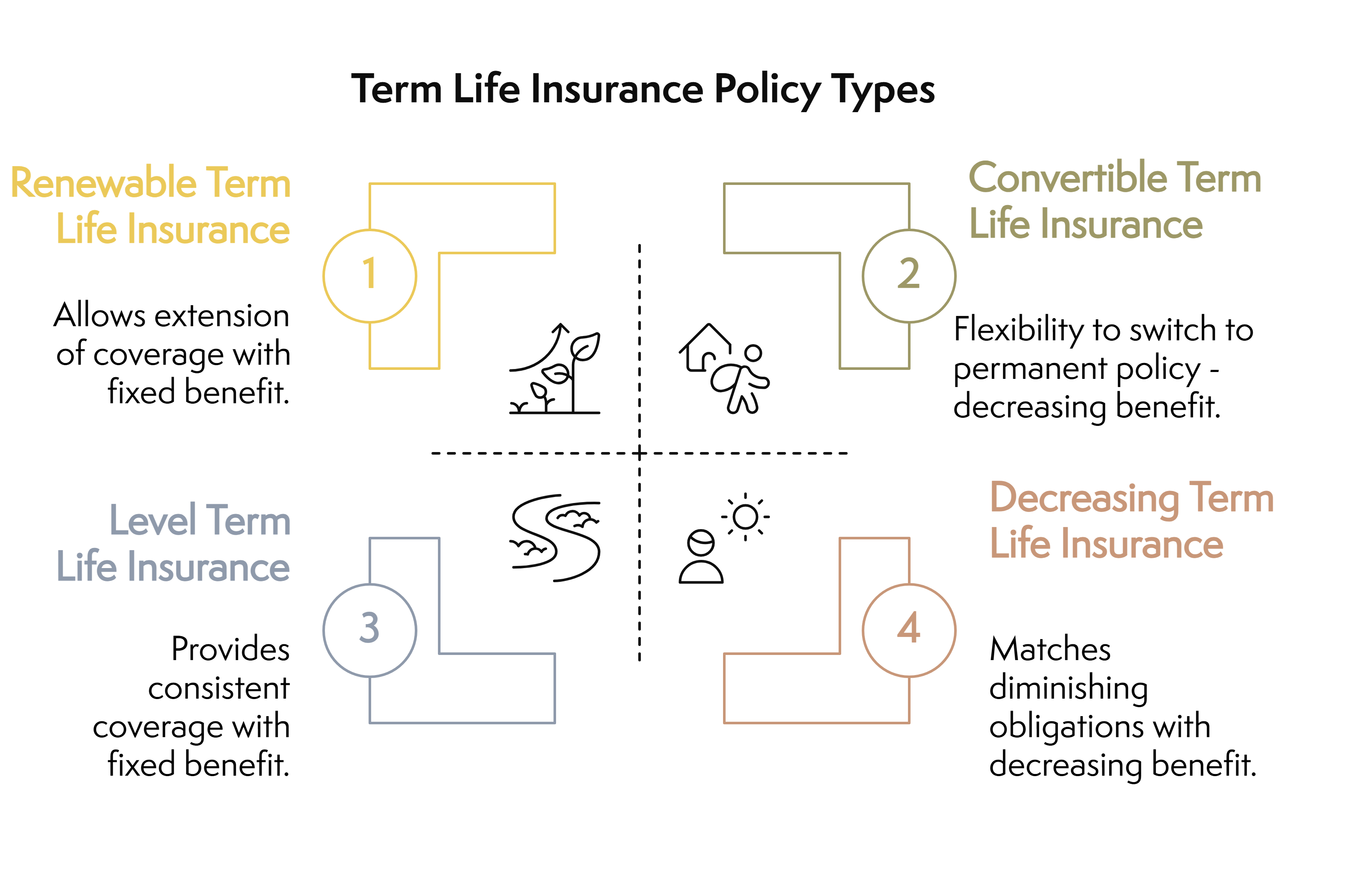
Term life insurance is meant to provide coverage for a set period (e.g., 10, 20, or 30 years). A guaranteed renewable clause ensures that once you are insured, the company cannot cancel your policy based on changes in your health or your status as an expatriate, provided premiums are paid on time.
Medical Underwriting Standards
In 2026, many international insurers utilize digital health assessments. For expats, this is beneficial as it reduces the need for physical exams in countries where you may not have an established medical history. However, you must be prepared to provide medical records in English from your host country’s practitioners.
Comparison Table: Domestic vs. International Term Life Insurance
| Feature | Domestic Policy | International Expat Policy |
|---|---|---|
| Primary Scope | Residents/Citizens only | Global citizens/Expats |
| Portability | Generally fixed to one country | High (portable across borders) |
| Currency | Local currency only | Multi-currency options (USD, EUR, GBP) |
| Underwriting | Local health records | Global underwriting standards |
| Legal Venue | Local courts | International/Offshore jurisdiction |
| Premium Stability | Subject to local inflation/tax | Rated against global mortality tables |
Managing Costs and Currency Risk
Premiums in the international market are calculated using global mortality tables. Because these policies are often denominated in major reserve currencies, you may face "exchange rate friction" if your salary is in a volatile local currency.
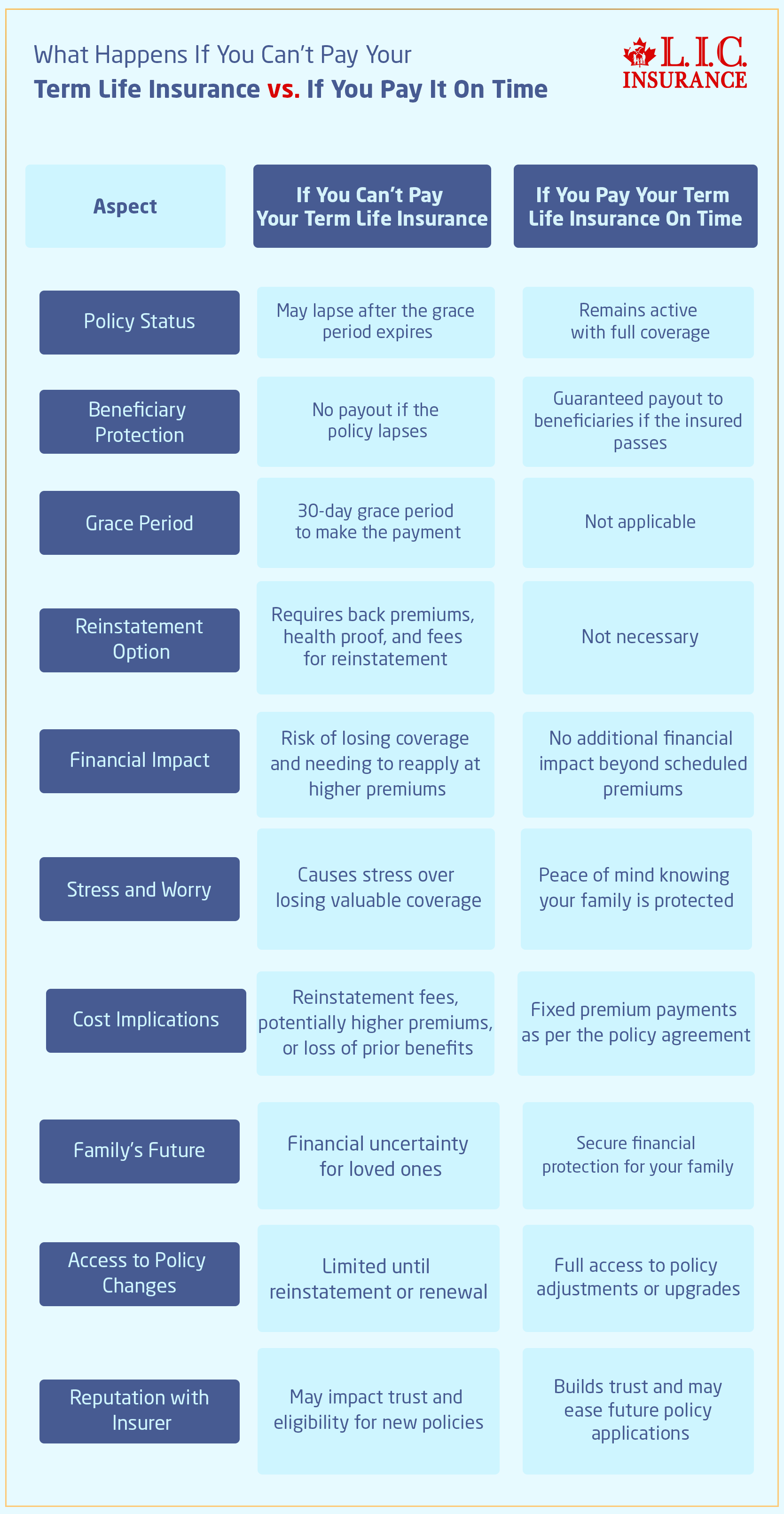
To manage this, professional advisors suggest maintaining a dedicated account in the policy’s currency. Because insurance premiums are a long-term commitment, avoid paying them from local accounts if the currency is subject to frequent devaluation, as this could lead to an accidental policy lapse due to insufficient funds converted at the wrong time.
Furthermore, understand that your "lifestyle" as an expat—including frequent travel to high-risk areas or participation in activities deemed "hazardous sports"—must be disclosed. Unlike domestic policies that may overlook these details, international insurers specifically monitor global mobility as a core risk factor.
Common Pitfalls for Expatriates
The most significant mistake expatriates make is attempting to "force" a domestic policy to cover their international lifestyle.
- Non-Disclosure of Intent: If you indicate you are a permanent resident of a country when you are, in fact, an expatriate on a temporary visa, you risk the insurer voiding the contract for "material misrepresentation" upon your death.
- Ignoring Tax Implications: Depending on your citizenship (not just residency), a payout from an international policy may be subject to inheritance tax in your home country. Always verify the tax treatment of death benefits in your country of citizenship.
- Underestimating the Need for Medical Data: Because you lack a long-term primary care physician in your host country, gathering historical health records to satisfy the insurer can take months. Start the process well before you have dependents or major financial liabilities.
Frequently Asked Questions
Does my home country's life insurance cover me while I am working abroad? Generally, no. Most domestic policies are designed for residents of the country of issue. If you move abroad, the insurer may classify your policy as "lapsed" or refuse to pay, as they are not licensed to provide insurance in your new country of residence.
Can I buy term life insurance if I am currently in a high-risk country? Yes, but you may face "loading," which is an additional premium charge to offset the risk. Some insurers may outright decline coverage, while others may include a "war or terrorism" exclusion in your contract.
How is the death benefit paid out in an international policy? The benefit is paid directly to your named beneficiaries, usually via wire transfer to a bank account of their choosing. This circumvents many of the probate issues that occur when assets are frozen in a foreign country after a death.
Do I need a medical exam to get international term life insurance? This depends on your age and the death benefit amount. While many providers use phone-based health interviews and digital records, large face-value policies almost always require a paramedical exam.
What happens if I move again after purchasing the policy? If you have a truly portable international policy, you simply notify the insurer of your new address. As long as the country is not on a specific "sanctioned" list, your policy remains active without needing a new application.
Recommended Next Actions
Before committing to a policy, request the "Specimen Policy Document" from the insurer. Do not rely on marketing brochures. Review the exclusions section—specifically the "Travel and Residence" clause—to ensure it does not limit your mobility. Finally, consult with a tax professional who specializes in cross-border wealth management to ensure that the policy structure aligns with the tax laws of your citizenship, as the residency-based nature of insurance often conflicts with tax-based obligations.
Image Gallery