Navigating the Legacy and Modern Identity of Kenneth Cole as a Designer
Kenneth Cole is a foundational figure in American fashion who established his eponymous brand in 1982 by prioritizing socially conscious messaging alongside modern, functional design. While recognized for his early pivot into footwear,...
Kenneth Cole is a foundational figure in American fashion who established his eponymous brand in 1982 by prioritizing socially conscious messaging alongside modern, functional design. While recognized for his early pivot into footwear, Cole’s career as a designer has evolved into a multifaceted lifestyle business that balances professional aesthetic utility with advocacy and civic engagement.
Contents
The Origins of the Kenneth Cole Design Philosophy
The trajectory of Kenneth Cole as a designer is distinct because it began with a logistical disruption rather than a traditional runway debut. In 1982, lacking the capital for a traditional showroom at a footwear trade show in New York, Cole utilized a trailer parked near the Hilton Hotel to market his initial line of shoes. By obtaining a film permit to shoot a movie titled "The Birth of a Shoe Company," he bypassed industry gatekeepers, signaling from the outset that his approach to design would be inextricably linked to unconventional marketing and bold storytelling.
This early history defines the "Kenneth Cole" designer identity: it is rooted in the idea of the "New Yorker"—someone who is busy, urban, and in need of clothing that transitions seamlessly from professional environments to personal lives. The design language is characterized by clean lines, a monochromatic color palette, and a focus on comfort and durability. This pragmatism has allowed the brand to endure while many of its contemporaries struggled to maintain relevance in the fast-fashion era.
Evolution of the Brand Portfolio
Since its founding, the Kenneth Cole brand has expanded from footwear into a comprehensive lifestyle label. Understanding the current scope of the brand requires distinguishing between the various tiers of the label that are currently available to consumers in 2026.
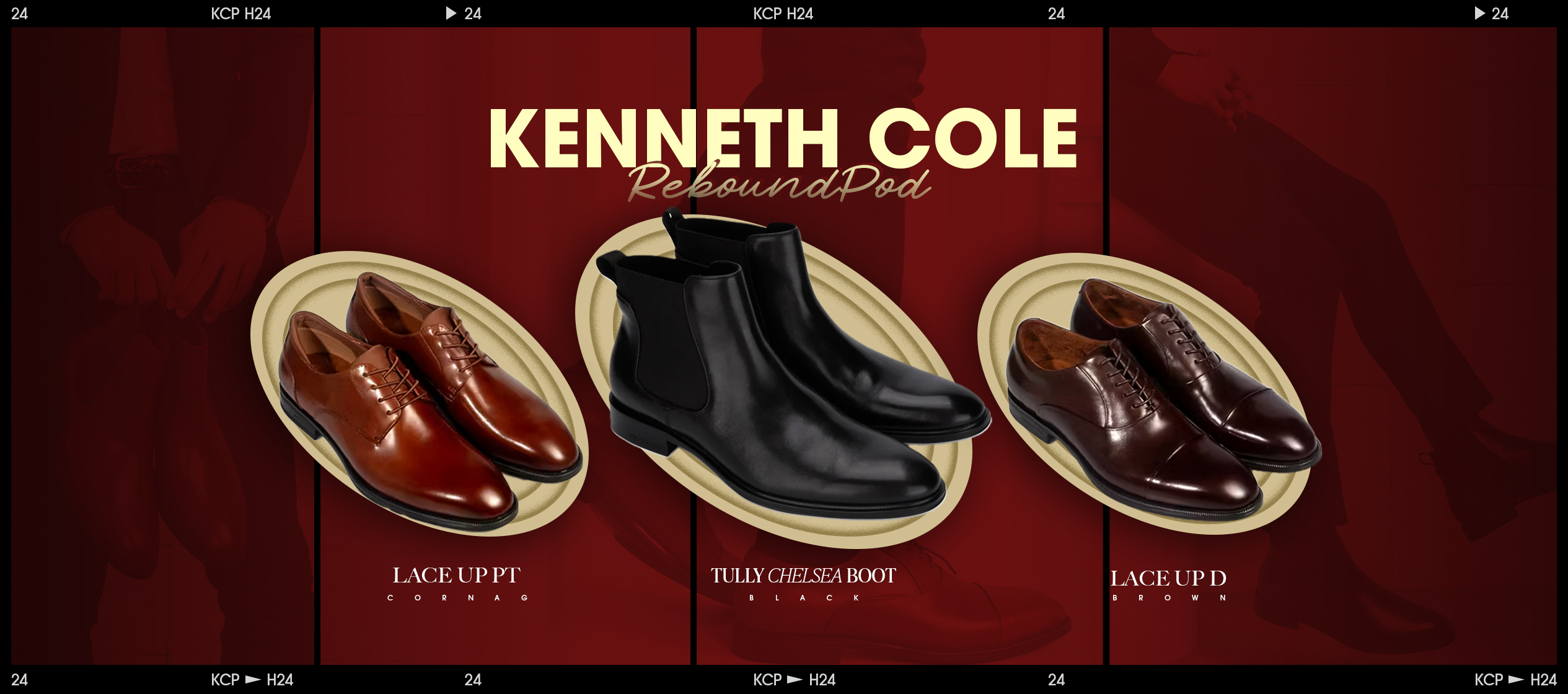
- Kenneth Cole New York: This is the brand's premium tier. It focuses on higher-quality materials, such as genuine leather and fine wool blends. Designs here are centered on "modern classic" silhouettes—trench coats, structured blazers, and versatile professional footwear that maintain a conservative but stylish appeal.
- Kenneth Cole Reaction: This diffusion line is designed for a younger or more budget-conscious demographic. The focus shifts toward synthetic blends and trend-driven designs that emulate the primary line but prioritize affordability and ease of care.
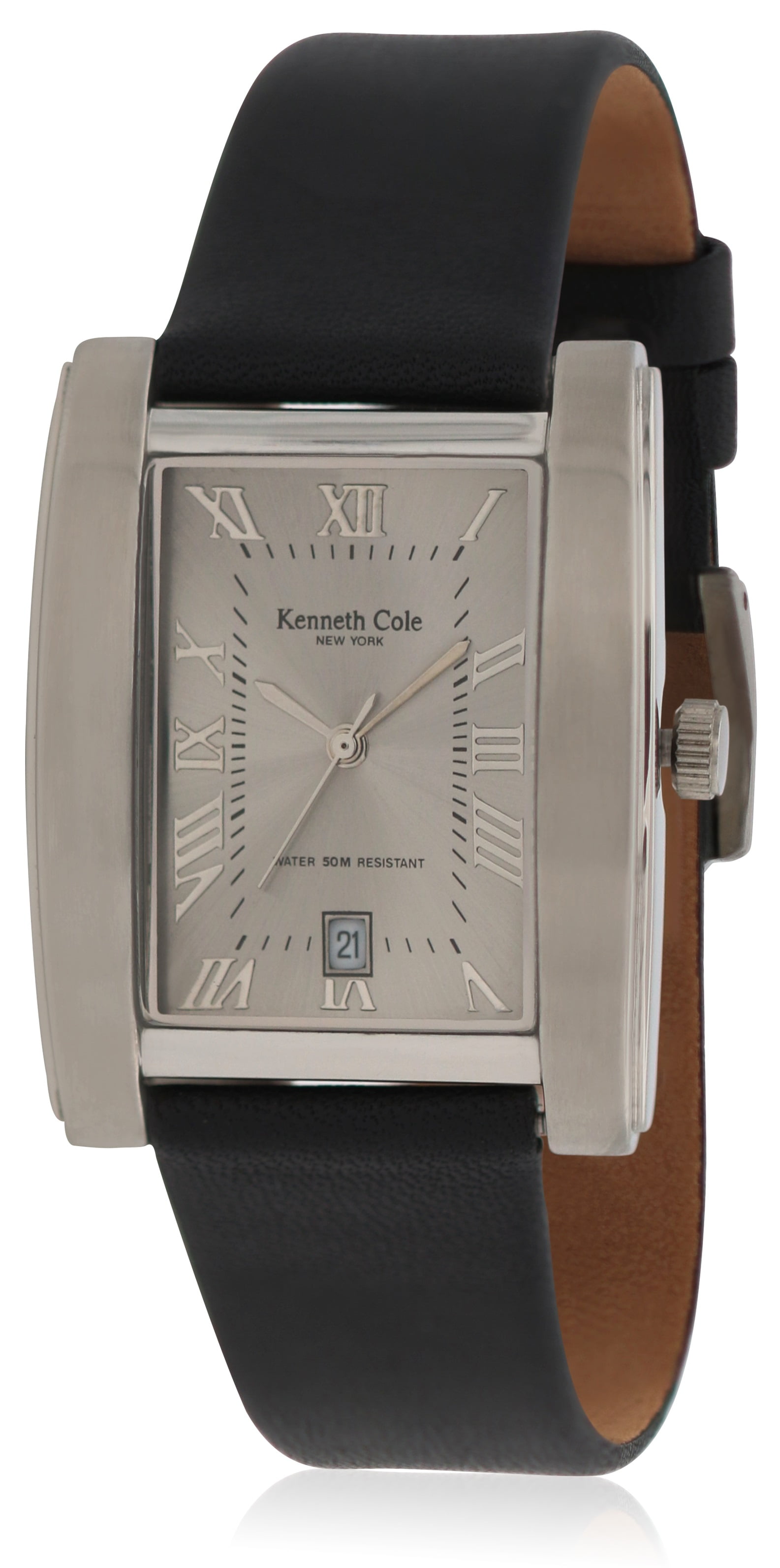
- Licensed Goods: A significant portion of the Kenneth Cole design imprint is found in licensed categories, including eyewear, fragrances, and watches. These products maintain the visual identity of the main brand—often characterized by sharp, industrial-inspired aesthetics—while being manufactured by industry partners specializing in those specific technical fields.
Balancing Style with Social Advocacy
A defining characteristic of Kenneth Cole the designer is the brand's long-standing commitment to social activism, specifically in the realm of HIV/AIDS awareness and public health. Unlike many contemporary fashion houses that treat social issues as auxiliary marketing, Cole integrated these messages directly into the design and communication of his products.
This strategy redefined what it meant to be a designer in the late 20th and early 21st centuries. By printing slogans on garments and using advertising space to address public health policy, the brand established a precedent for "purpose-driven fashion." For the modern consumer, this history adds a layer of brand loyalty, as the designs are viewed not just as aesthetic choices but as symbols of an ethos centered on civic responsibility.
Comparative Overview of Product Tiers
When evaluating Kenneth Cole as a designer, it is helpful to understand how the brand segments its offerings to meet different consumer needs. The following table illustrates the variance in material, intent, and positioning.
| Category | Primary Focus | Material Profile | Target Environment |
|---|---|---|---|
| Kenneth Cole New York | Sophisticated Utility | Premium Leather, Fine Wool | Corporate/Formal |
| Kenneth Cole Reaction | Trend/Value | Synthetics, Treated Textiles | Casual/Everyday |
| Licensed Accessories | Branding/Aesthetics | Glass, Metal, Specialty Oils | Lifestyle/Gifting |
Practical Guidance for Consumers and Collectors
If you are looking to purchase Kenneth Cole pieces in 2026, it is important to distinguish between new retail inventory and the secondary market. Because the brand has maintained a consistent aesthetic for over four decades, vintage pieces often retain significant value if they are well-maintained.
- Sizing and Fit: Across most of the brand's footwear lines, the fit tends to be "true to size" but leans toward a narrower silhouette. If you are ordering online, check for designations such as "wide" or "extended," which are occasionally available for specific styles.
- Material Maintenance: For the "New York" line, which utilizes genuine leather, investing in professional-grade leather conditioner is recommended. Since many designs are intended for urban commuting, the outsoles are often reinforced with rubber traction; ensure these are inspected yearly if you use the shoes for heavy daily walking.
- Authentication: When purchasing on the secondary market, look for the specific font-weight and logo alignment. The brand has been consistent with its branding, and inconsistencies in the typography on tags or internal stamping are often indicators of unauthorized products.
Common Questions Regarding the Designer and Brand
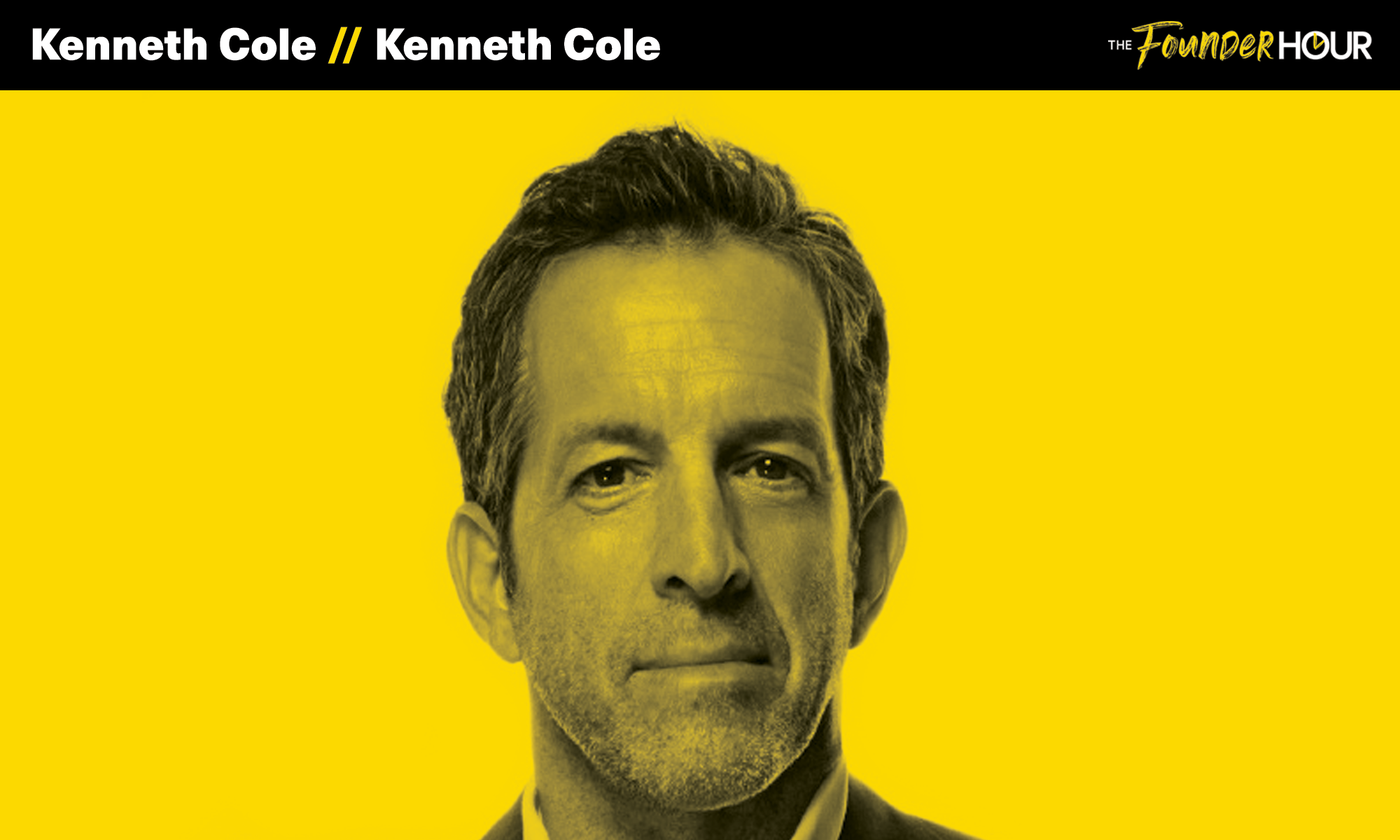
Is Kenneth Cole still personally involved in the design process? Yes, while the business has grown into a large-scale corporate entity, Kenneth Cole remains the Chairman and Chief Creative Officer. He continues to oversee the creative vision, ensuring that the brand maintains its focus on the "modern urbanite" aesthetic.
Are Kenneth Cole products considered sustainable? The brand has made efforts to increase the use of recycled materials in their footwear and accessories, specifically within the "Reaction" line. However, they are not primarily marketed as a sustainable-only brand. Consumers should review specific product labels for materials such as recycled polyester or ethically sourced leather.
Why are there so many different labels associated with the name? The various labels (New York, Reaction, etc.) are a business strategy common in the fashion industry to reach different market segments. By diversifying the brand, the company ensures that it remains accessible to a broad range of consumers, from those seeking luxury leather goods to those seeking an affordable everyday watch.
How does the sizing of Kenneth Cole shoes compare to high-end Italian designers? Kenneth Cole sizing generally follows American standards. If you are accustomed to European sizing (which often runs larger or differently shaped), you may find that you need to go up a half-size in Kenneth Cole footwear to achieve a comfortable fit, especially in pointed-toe models.
Where is the best place to source discontinued or vintage Kenneth Cole items? For specific legacy designs, reputable resale platforms that specialize in mid-tier designer goods are effective. Because the brand was prolific in the 1990s and 2000s, there is a substantial secondary market for high-quality leather accessories from those eras.
Final Recommendation
When engaging with the Kenneth Cole brand, define whether you are seeking a durable, long-term staple for a professional wardrobe or a trend-forward, accessible piece for casual use. For professionals, focus on the "New York" line for its superior material longevity. Always prioritize verified retail channels or reputable luxury resale platforms to ensure you are acquiring authentic merchandise. By focusing on the functional intent of the design rather than purely aesthetic trends, you can effectively leverage the brand's long-standing reputation for practical, modern style.
Image Gallery