Can You Eat Oxalis: A Guide to Identification, Safety, and Culinary Use
Yes, you can eat many species of Oxalis, commonly known as wood sorrel, provided you correctly identify the plant and consume it in moderation. Known for their distinctively sour, lemony flavor caused by the presence of oxalic acid, th...
Yes, you can eat many species of Oxalis, commonly known as wood sorrel, provided you correctly identify the plant and consume it in moderation. Known for their distinctively sour, lemony flavor caused by the presence of oxalic acid, these plants have been used globally in culinary traditions as a garnish, herb, or salad ingredient. However, due to the high oxalate content, individuals with specific health conditions must exercise caution before incorporating them into their diet.
Contents
Understanding Oxalis and Its Culinary Profile
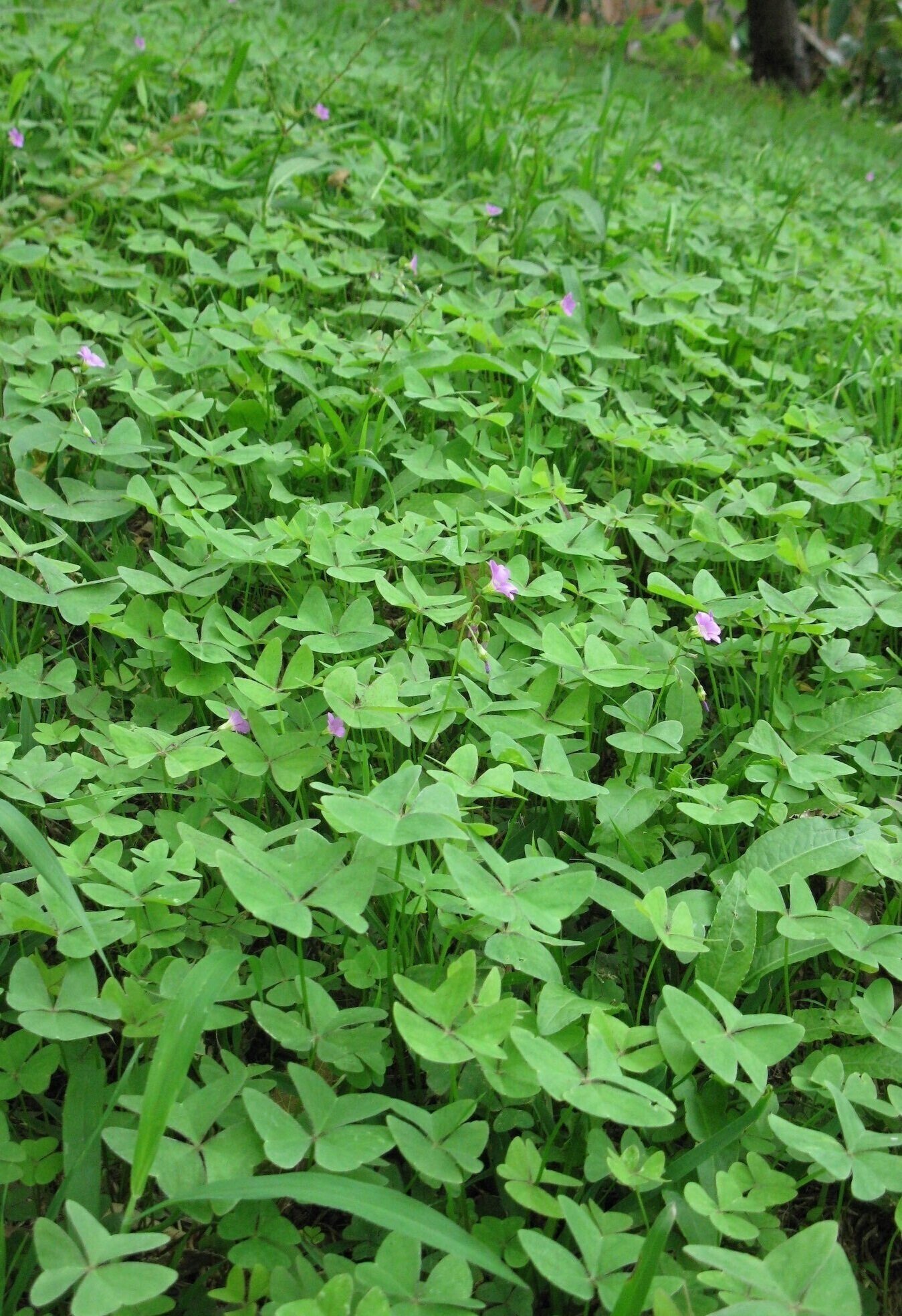
The genus Oxalis belongs to the Oxalidaceae family and includes hundreds of species distributed worldwide. In botanical terms, they are often confused with clover (Trifolium) because of their trifoliate leaves, which feature heart-shaped leaflets. The most common edible species found in North America and Europe include Oxalis acetosella (wood sorrel) and Oxalis stricta (yellow wood sorrel).
The defining sensory characteristic of Oxalis is its sharp, acidic taste. This acidity is biologically attributed to oxalic acid, a naturally occurring organic compound also found in other common vegetables like spinach, rhubarb, and beet greens. In the wild, this taste serves as a chemical defense mechanism against herbivores, but for human foragers, it makes the plant a unique, tangy addition to dishes.
When harvested young, the leaves and flowers are generally the most palatable. As the plant matures, the acidity may become more pronounced, and the texture may turn fibrous. The entire plant—leaves, stems, flowers, and even the small seed pods—is edible, though some foragers prefer to discard the root systems or the older, coarser stems.
Identifying the Plant Correctly
Before consuming any wild plant, accurate identification is the primary safety requirement. Oxalis is frequently mistaken for white clover (Trifolium repens). While clover is generally edible, the two plants have different chemical compositions and flavor profiles.
- Leaf Shape: Oxalis leaves consist of three heart-shaped leaflets. Clover leaflets are typically oval or rounded and often feature a white "V" or crescent marking near the center.
- Flowers: Oxalis flowers usually have five petals and can be white, yellow, or pink. Clover flowers grow in distinct, dense clusters (inflorescences) that look like tiny pom-poms.
- Taste Test: A small, tiny sample of a leaf can verify the presence of the sour, lemony flavor. If the plant lacks this distinct sourness, it is likely not Oxalis.
Safety Note: Always ensure the area where you forage is free from herbicides, pesticides, and pollutants. Avoid gathering plants near roadsides, industrial zones, or heavily treated lawns, as these environments can lead to the bioaccumulation of toxins in the plant tissue.
The Role of Oxalic Acid in Human Nutrition
The consumption of Oxalis brings up an important nutritional consideration: the intake of oxalates. Oxalic acid binds with calcium in the digestive tract to form calcium oxalate, which is then excreted in urine. For the average healthy individual, occasional consumption of Oxalis in small quantities poses no significant health risk.
However, for individuals with a history of calcium oxalate kidney stones, hyperoxaluria, or certain chronic kidney diseases, high-oxalate plants should be consumed with extreme caution or avoided entirely. High concentrations of oxalates can also inhibit the absorption of dietary calcium. To mitigate potential issues, consider the following best practices:
- Practice Moderation: Treat Oxalis as a culinary herb or garnish rather than a primary vegetable source.
- Diversify Intake: Do not rely on high-oxalate greens as your sole vegetable intake.
- Professional Consultation: If you have underlying renal issues, consult with a physician or a registered dietitian before intentionally adding high-oxalate plants to your diet.
Culinary Applications
The versatility of Oxalis makes it a prized ingredient for foragers and chefs alike. Its lemony profile can replace or supplement citrus in many recipes.
| Culinary Use | Application Strategy |
|---|---|
| Salads | Incorporate fresh leaves for a tangy, sharp contrast to milder greens like lettuce or arugula. |
| Garnishes | Use the flowers and smaller leaves as a visual and flavorful topper for soups, fish, or vegetable dishes. |
| Infusions | Steep the leaves in cold water or use them in cold-pressed juices to extract the sour flavor for summer drinks. |
| Pesto/Sauces | Combine with basil, parsley, or other herbs to create a unique, acidic pesto suitable for pasta or grilled meats. |
When preparing Oxalis, minimize heat exposure. Prolonged cooking can degrade the delicate flavor and texture of the leaves. If adding to hot soups, stir them in during the final seconds of cooking to retain their bright green color and sharp acidity.
Common Mistakes and Troubleshooting
Foragers often encounter issues related to over-harvesting or misidentification. To ensure a positive experience, avoid these common pitfalls:
- Over-harvesting: Oxalis spreads via rhizomes and seeds. While it is often considered a weed in gardens, be mindful of local conservation laws and ensure you are not depleting a local patch. Always harvest from areas where the plant is abundant.
- Improper Cleaning: Like all wild greens, Oxalis can harbor dirt, insects, or parasitic eggs. Rinse the harvested parts thoroughly in cold, running water before consumption. Drying them with a salad spinner or paper towel preserves their texture.
- Ignoring Location Risks: Never assume a park or field is safe. If you cannot verify the maintenance history of the soil—specifically regarding herbicide usage—do not consume the plant.
Frequently Asked Questions
Can I eat the flowers of the Oxalis plant? Yes, the flowers are entirely edible. They possess the same tangy, sour flavor as the leaves and make an excellent, decorative addition to salads or dessert garnishes. They should be washed gently to remove any trapped pollen or insects.
How much Oxalis is safe to eat in one sitting? While there is no universally defined "safe" limit, it is best to view Oxalis as a seasoning. Consuming a handful occasionally is generally safe for healthy individuals. If you have a sensitive digestive system or specific medical conditions, even smaller amounts may be excessive.
Does cooking Oxalis reduce the oxalic acid content? Cooking can reduce the levels of water-soluble oxalates if the cooking water is discarded (similar to how one might blanch spinach). However, since Oxalis is rarely eaten in large quantities, the reduction achieved through boiling is rarely a necessity for safety, provided you are consuming it in moderation.
Can I grow Oxalis in my garden? Many species of Oxalis are sold as ornamentals for their foliage and flowers. If you choose to grow it, ensure you are identifying the species correctly. Garden varieties are often treated with systemic pesticides, so if you intend to eat them, ensure they are grown organically from the start.
What happens if I eat too much Oxalis? For most people, excessive consumption might lead to mild digestive discomfort. For those susceptible to kidney stones, consuming large amounts of high-oxalate foods regularly can increase the risk of stone formation. If you experience unusual abdominal pain or urinary symptoms after eating foraged greens, seek medical advice.
Final Recommendation
Incorporating Oxalis into your diet can be a rewarding way to experience the sour, vibrant flavors found in nature. Start by sampling a small amount to ensure you enjoy the flavor and to monitor your body’s reaction. Always verify your identification, ensure your harvesting location is free from chemicals, and treat the plant as a flavorful accessory rather than a bulk food item. By following these guidelines, you can safely enjoy the tangy, lemony harvest that Oxalis offers.
Image Gallery