Understanding the Debate Over BerkleyNet Workers Compensation Costs
The ongoing discussion surrounding BerkleyNet workers compensation costs centers on the balance between specialized digital underwriting efficiency and the rising premiums associated with high-risk industry coverage. Business owners of...
The ongoing discussion surrounding BerkleyNet workers compensation costs centers on the balance between specialized digital underwriting efficiency and the rising premiums associated with high-risk industry coverage. Business owners often evaluate BerkleyNet for its tech-forward, automated platform, yet debate persists regarding the long-term cost-effectiveness compared to traditional, manual insurance carriers for complex workplace risk profiles.
Contents
The Nature of BerkleyNet’s Underwriting Model
To understand the debate, one must first recognize the fundamental difference between BerkleyNet and legacy workers compensation providers. BerkleyNet, a member company of W. R. Berkley Corporation, distinguishes itself through a purely digital delivery model. Unlike traditional carriers that rely heavily on local agents for manual risk assessment and policy servicing, BerkleyNet utilizes proprietary algorithms and automated workflows to issue policies.
For many small-to-mid-sized enterprises, this model is a significant advantage. The ability to quote, bind, and issue policies in a fraction of the time required by traditional markets reduces the overhead costs traditionally passed on to the policyholder. However, the debate arises when businesses move beyond standard "white-collar" or low-risk classifications. Critics and some insurance brokers argue that the reliance on algorithmic assessment may lead to "de-selection"—where the software automatically prices out or rejects risks that an experienced human underwriter might have covered at a competitive rate after a more nuanced review.
Factors Influencing Cost and Premium Volatility
When business owners examine their workers compensation costs, they are often looking at a combination of fixed and variable factors. With BerkleyNet, these factors are influenced by the company’s specific appetite for risk.
Industry Classification Codes
The primary driver of any workers compensation premium is the NCCI (National Council on Compensation Insurance) class code. The debate regarding BerkleyNet often settles on whether their automated pricing is accurate for niche industries. If a business falls into a code that is on the edge of BerkleyNet’s appetite, the pricing can appear volatile. Businesses with fluctuating payrolls often find the automated reporting tools helpful, but if the initial classification is slightly misaligned due to an automated lookup, the resulting premium can be disproportionately high compared to a competitor who manually assessed the specific operational duties.
The Experience Modification Factor (Mod)
The Experience Modification Factor is a multiplier applied to a business’s premiums based on its historical loss performance. In the digital environment offered by BerkleyNet, the integration of Mod data is near-instant. While this provides transparency, it also means that any claim impact is reflected in the policy pricing with immediate precision. The debate here is not about the accuracy of the math, but rather the rigidity of the digital system, which may lack the "flexibility" or "advocacy" that a human broker might provide when negotiating a final premium during a difficult renewal period.
Comparing Digital-First vs. Traditional Carriers
When evaluating whether BerkleyNet’s cost structure meets a business’s needs, it is helpful to contrast the digital approach with the traditional broker-led model. The following table highlights the operational differences that often fuel the debate over costs and value.
| Feature | BerkleyNet (Digital-First) | Traditional Carrier (Broker-Led) |
|---|---|---|
| Quote Time | Rapid (Automated) | Days to Weeks (Manual) |
| Pricing Basis | Algorithmic/Predictive | Underwriter Discretion |
| Flexibility | High for standard risks | High for complex/high-hazard risks |
| Cost Basis | Lower administrative overhead | Higher brokerage/service fees |
| Mod Management | Automated, data-driven | Relationship-based advocacy |
The cost "debate" is effectively a trade-off between speed and customization. Businesses that prioritize a seamless, self-service user interface often find the costs acceptable. Those who operate in highly specialized industries, or who have complex loss histories, may find that the perceived savings of a digital platform are eclipsed by the potential for more personalized rating structures found elsewhere.
Addressing the Perception of Premium Increases
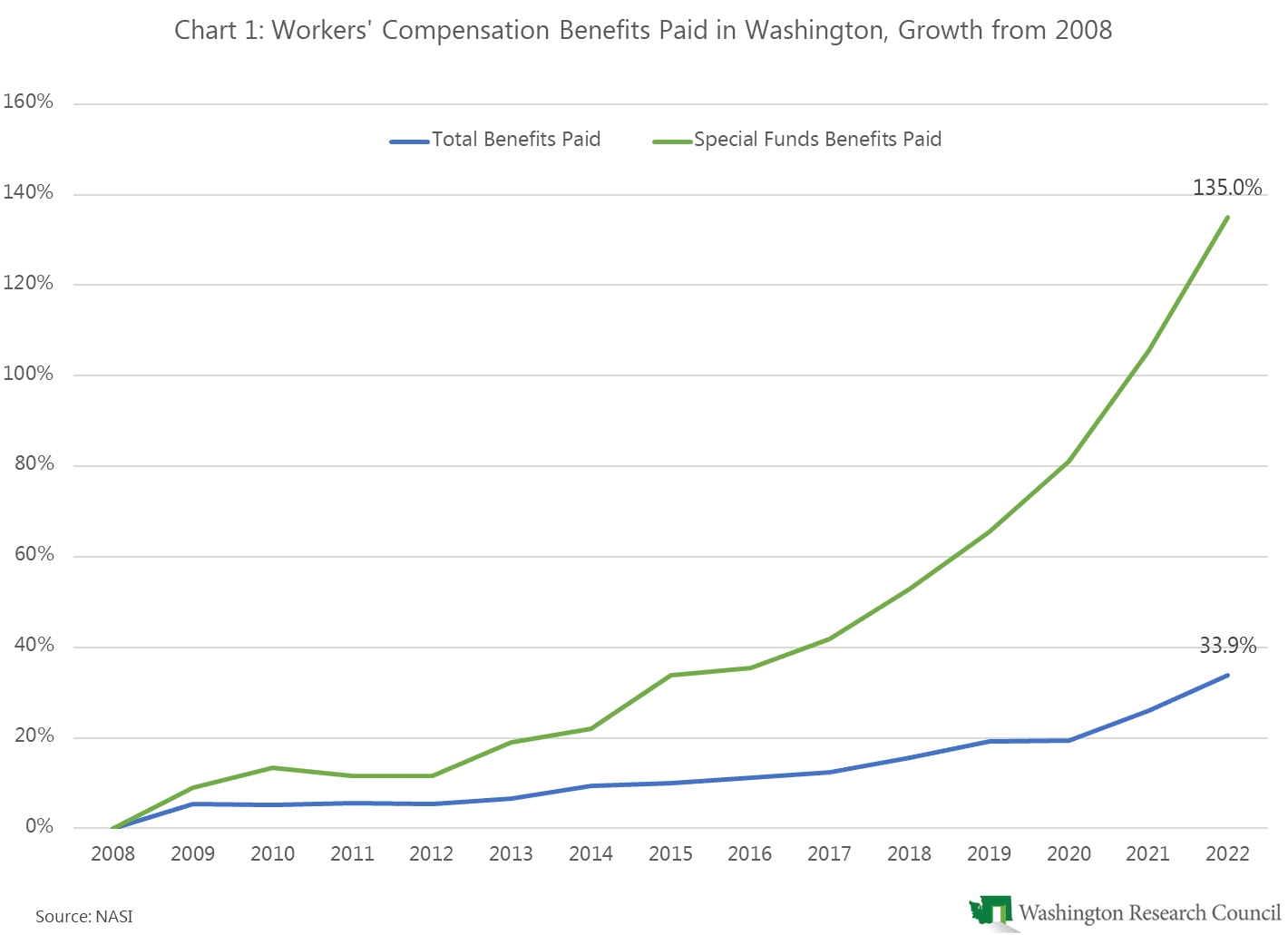
As of 2026, many employers are expressing concern over the inflationary environment affecting insurance premiums across the board. BerkleyNet users are not immune to these market trends. When a policyholder sees a significant increase in their renewal costs, the source of the debate often shifts toward whether the increase is an industry-wide adjustment or a specific reaction to the policyholder’s risk profile.
Because BerkleyNet relies on sophisticated data sets, their pricing models react quickly to changes in loss trends within specific industries. For example, if a specific sector experiences a spike in medical costs or litigation-related workplace injuries, BerkleyNet’s algorithms will adjust premiums upward across that class code faster than carriers that operate on slower, quarterly review cycles. This responsiveness is a double-edged sword: it keeps the company solvent and stable, but it can create sudden, sharp cost increases for the policyholder.
Strategic Steps for Policyholders
For businesses currently evaluating or currently insured by BerkleyNet, managing costs requires more than just accepting a renewal notice.
- Verification of Payroll and Classification: Ensure that the payroll data reflected in the system is current and accurate. An outdated or inflated payroll estimate is the most common cause of high, unnecessary premiums in automated systems.
- Loss Control Programs: Since digital platforms heavily weigh current loss trends, investing in verified safety programs can directly influence the algorithms used to calculate premiums. Documenting these safety measures is essential.
- Broker Consultation: Even if a carrier is digital-first, work with a licensed insurance broker who understands how to interface with these platforms. A professional can help navigate the classification process to ensure the algorithm is processing the business risk correctly.
- Market Comparison: Conduct a formal market comparison every two to three years. Ensure that you are comparing apples to apples—specifically looking at deductible levels, the definition of payroll, and the inclusion of specific endorsements.
Frequently Asked Questions
Why does BerkleyNet sometimes offer a higher quote than other carriers?
BerkleyNet’s pricing is driven by proprietary algorithms that evaluate risk based on real-time industry data. If your business is viewed as having higher-than-average exposure within a specific classification, the automated system will set a premium that reflects that actuarial risk, potentially resulting in a higher quote than a carrier using broader, less granular rating bands.
Does the automated nature of BerkleyNet make it harder to appeal a premium?
It is distinctively different from a manual appeal. Instead of negotiating with a human underwriter, you must provide verified documentation—such as updated safety logs, revised payroll audits, or correction of NCCI class codes—to show the data used by the system was inaccurate.
Are BerkleyNet costs more volatile than traditional insurance?
They can be. Because the system updates based on current data, premiums can fluctuate more frequently than traditional policies that may be subsidized by manual underwriting buffers or long-term broker relationship pricing.
Is BerkleyNet suitable for high-hazard industries?
BerkleyNet is designed primarily for small to mid-sized businesses. While they cover many industries, high-hazard classifications (such as heavy construction or complex manufacturing) may find that the digital model lacks the depth of service required to manage their specific, complex risks effectively.
How can I lower my BerkleyNet premiums in 2026?
The most effective way is to improve your Experience Modification Factor through rigorous internal safety programs and prompt reporting of any workplace incidents. Additionally, ensure your business activity description is precise to avoid being placed in a high-risk class code by mistake.
Does the digital-first model save money on service fees?
Generally, yes. By automating the policy lifecycle, BerkleyNet removes many of the manual processing costs associated with traditional insurance, which often results in a more competitive base premium for low-complexity risks.
Final Recommendation
The "debate" over BerkleyNet workers compensation costs is largely a debate over the nature of modern insurance—speed and automation versus personal advocacy and manual nuance. For the vast majority of businesses that fit standard risk profiles, the platform offers an efficient and cost-effective solution. However, if your business has complex, high-hazard operations or a unique history, do not rely solely on an automated quote. Work with a qualified broker to audit your classification codes and ensure that your risk profile is being accurately interpreted by the system. Maintaining high internal safety standards remains the single most effective way to keep your costs stable, regardless of the carrier platform you choose.
Image Gallery