Understanding the Mark Longo and Peanut the Squirrel Case: Legal and Regulatory Context
The case of Mark Longo and his pet squirrel, Peanut (P’Nut), became a viral cultural flashpoint in late 2024, highlighting the complexities of wildlife management, exotic animal ownership laws, and state regulatory authority. The incid...
The case of Mark Longo and his pet squirrel, Peanut (P’Nut), became a viral cultural flashpoint in late 2024, highlighting the complexities of wildlife management, exotic animal ownership laws, and state regulatory authority. The incident involved the seizure and subsequent euthanasia of the squirrel by the New York State Department of Environmental Conservation (DEC) based on violations of state wildlife possession statutes.
Contents
The Background of the Longo and Peanut Relationship
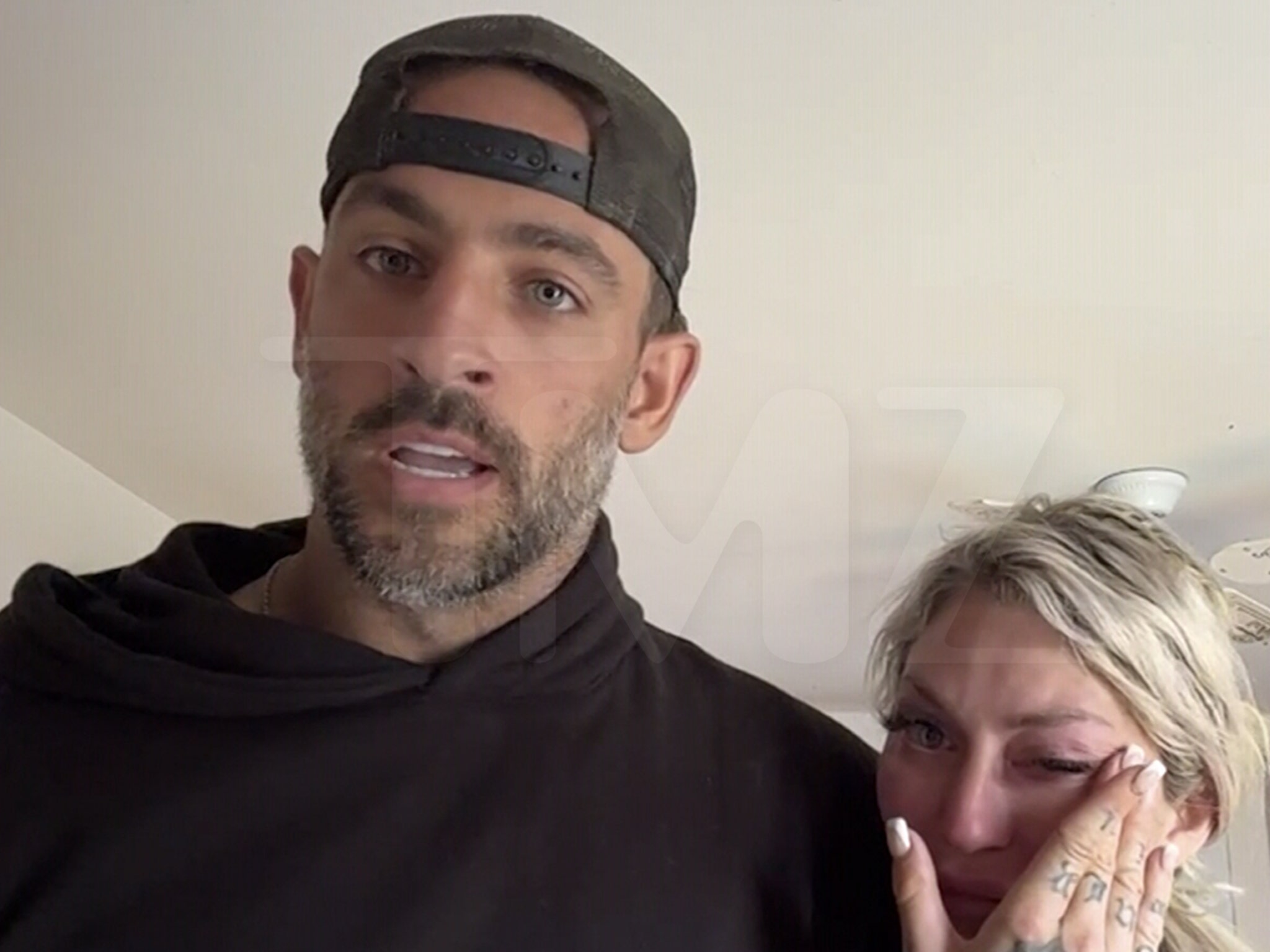
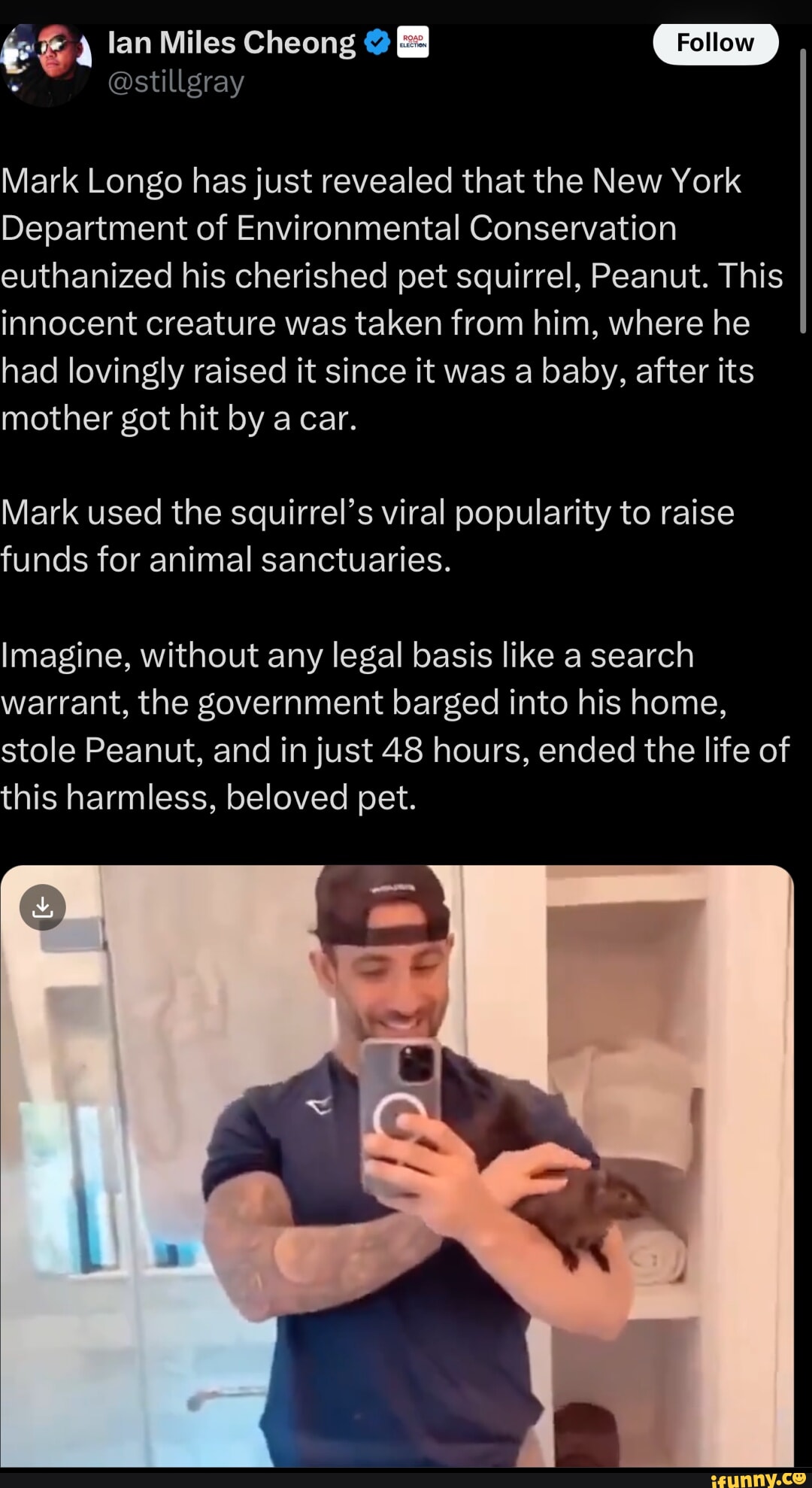
Mark Longo, a resident of Chemung County, New York, became a prominent social media figure for his long-term care of a squirrel named Peanut. According to public statements and social media documentation provided by Longo, he rescued the squirrel after its mother was struck by a car. Over several years, Peanut became a fixture in Longo’s digital content, often appearing in videos that showcased their daily interactions and the squirrel’s playful behavior.
This relationship raised significant questions regarding the definition of wildlife versus domestic pets under New York law. While many viewers perceived the relationship as a benign case of animal rescue and companionship, New York State law maintains strict distinctions between native wildlife and domesticated animals. Under the Environmental Conservation Law (ECL), squirrels are classified as protected wildlife, and their possession as pets is generally prohibited without specific licenses, such as those issued to licensed wildlife rehabilitators.
Regulatory Framework and Enforcement Actions
The primary point of legal contention in the case centered on the licensing requirements for wildlife. The New York State Department of Environmental Conservation (DEC) enforces regulations designed to prevent the spread of zoonotic diseases—illnesses that can be transmitted from animals to humans—and to ensure that wildlife is not kept in conditions that compromise the health or natural behaviors of the animal.
In October 2024, state authorities executed a search warrant at the Longo residence. The DEC stated that the investigation was initiated following multiple complaints regarding the illegal possession of wildlife. The seizure of Peanut, along with a raccoon named Fred, was justified by the agency under existing provisions that prohibit the public from keeping wild animals as pets, specifically citing concerns that the animals were being kept in an environment that posed a risk of disease transmission, including rabies.
Legal Distinctions: Wildlife Rehabilitation vs. Personal Ownership
The regulatory environment in New York differentiates sharply between individuals who are licensed to provide temporary rehabilitation to sick or injured wildlife and those who keep animals for personal use.
- Licensed Wildlife Rehabilitators: These individuals undergo rigorous training and must meet specific facility requirements. Their primary goal is the eventual release of the animal back into the wild. They are strictly prohibited from habituating animals to human interaction in a way that renders them incapable of survival in their natural environment.
- Personal Ownership: Keeping wildlife without a permit is a violation of state law. The concern from the perspective of state agencies is that "tame" wild animals can lose their natural defensive instincts and, more importantly, may become vectors for disease when kept in close proximity to humans.
Comparison of Regulatory Standards for Wildlife Possession
The following table outlines the key legal differences between various forms of animal possession in New York State.
| Category | Licensing Requirement | Primary Goal | Human Interaction |
|---|---|---|---|
| Licensed Wildlife Rehab | Required (Class I/II) | Rehabilitation/Release | Minimal (as needed for health) |
| Educational/Exhibition | Required (Permit) | Public Awareness | Regulated/Restricted |
| Private Ownership | Prohibited (Wildlife) | Companionship | Prohibited |
The Euthanasia Controversy
Following the seizure, the DEC euthanized both Peanut and Fred. The agency cited the legal requirement for rabies testing. According to official statements, an individual was bitten by the squirrel during the initial investigation, which triggered a mandatory protocol for rabies testing. Under New York law, the only effective way to test an animal for rabies is to examine brain tissue, which necessitates euthanasia.
This outcome triggered widespread public outcry and intense debate regarding the proportionality of the state’s response. Supporters of Longo argued that the animals were healthy and could have been quarantined or tested without being euthanized. The DEC maintained that it acted within the scope of established public health and safety protocols, which prioritize the containment of potential rabies exposure.
Safety Considerations and Public Health Policies
The core of the state's argument for euthanasia rests on the risk of rabies. Rabies is a fatal viral disease for which there is no known cure once symptoms appear. In the United States, public health agencies enforce strict protocols regarding any domestic or wild animal that bites a human. Because wildlife species are common carriers of the virus, health departments often mandate euthanasia and testing when an exposure is suspected.
For owners of exotic or wild animals, this creates a significant legal and practical risk. When an animal is not a traditional pet (like a dog or cat, which can be vaccinated), the legal process for managing a bite incident becomes significantly more invasive and final. The absence of a proven, safe rabies vaccine for squirrels, combined with the lack of a non-lethal diagnostic test, creates a situation where the animal is essentially at risk of death the moment a physical interaction with a human results in a scratch or bite.
Common Misconceptions Regarding Wildlife Care
One of the most persistent issues in the public discourse surrounding the Longo case is the assumption that affection and care translate to legal permission to keep an animal. Many individuals believe that "rescuing" an animal grants them a moral right to keep it, regardless of statutory law. However, administrative law in New York and most other U.S. states does not provide a "rescue exception" for indefinite ownership of protected wildlife.
- Habituation: When humans interact with wildlife regularly, animals become "habituated." This reduces their fear of humans, which is a survival mechanism. An animal that approaches people is more likely to be injured or killed in the wild.
- Nutritional Deficiencies: Providing a diet meant for humans or domestic pets often leads to long-term health issues in wild animals, such as metabolic bone disease, which is common in captive squirrels.
- Pathogen Transfer: Humans can pass common illnesses to wildlife, and vice versa. This is particularly concerning for the conservation of local species.
Next Steps and Potential Legal Recourse
As of 2026, the legislative fallout from such high-profile cases often leads to increased scrutiny of state wildlife management policies. While specific laws regarding possession remain intact, the intensity of public interest has pushed some policymakers to revisit how wildlife enforcement is conducted.
For individuals who find injured wildlife, the legally sound approach is to contact a state-certified wildlife rehabilitator immediately. These professionals have the knowledge and the legal standing to provide care. Attempting to document or raise wildlife privately invites significant legal risk, including the forfeiture of the animal and potential criminal citations or fines for violations of the Environmental Conservation Law.
Frequently Asked Questions
What is the legal status of keeping a squirrel as a pet in New York? It is illegal to possess a squirrel as a pet in New York. Under state environmental law, squirrels are protected wildlife, and their possession requires specific permits that are generally reserved for authorized scientific or educational purposes, not for personal companionship.
Why was the squirrel euthanized instead of being returned or re-homed? The New York DEC stated that the decision was based on public safety protocols. Because a person was bitten by the animal, authorities were required to test the animal for rabies, which requires examination of brain tissue, an action that necessitates euthanasia.
Can I get a license to keep wild animals in my home? Generally, no. Wildlife possession licenses are typically issued for professional wildlife rehabilitation or educational exhibition, which require specific facilities, staff training, and rigorous reporting. These licenses are not intended to allow for the keeping of animals as pets.
What should I do if I find an injured animal? You should not touch or attempt to treat the animal yourself. Contact your local regional DEC office or a licensed wildlife rehabilitator. They are the only individuals legally authorized to manage the rescue and medical care of wild animals.
Does this case change the laws regarding wildlife ownership? As of 2026, the underlying statutes regarding the possession of wildlife in New York remain unchanged. While public discourse has increased, the regulatory authority of the DEC to seize and manage wildlife in the interest of public health continues to be the prevailing legal standard.
Recommendations for Wildlife Interaction
If you encounter wildlife in distress, your role should be limited to containment and contact. Keep the animal in a quiet, dark, and warm box while you immediately contact local authorities. Avoid feeding the animal, as incorrect nutrition can cause severe health complications. Supporting recognized, licensed rehabilitation centers through donations or volunteer work is the most effective way to help injured animals while ensuring you remain in compliance with state regulations.
Image Gallery