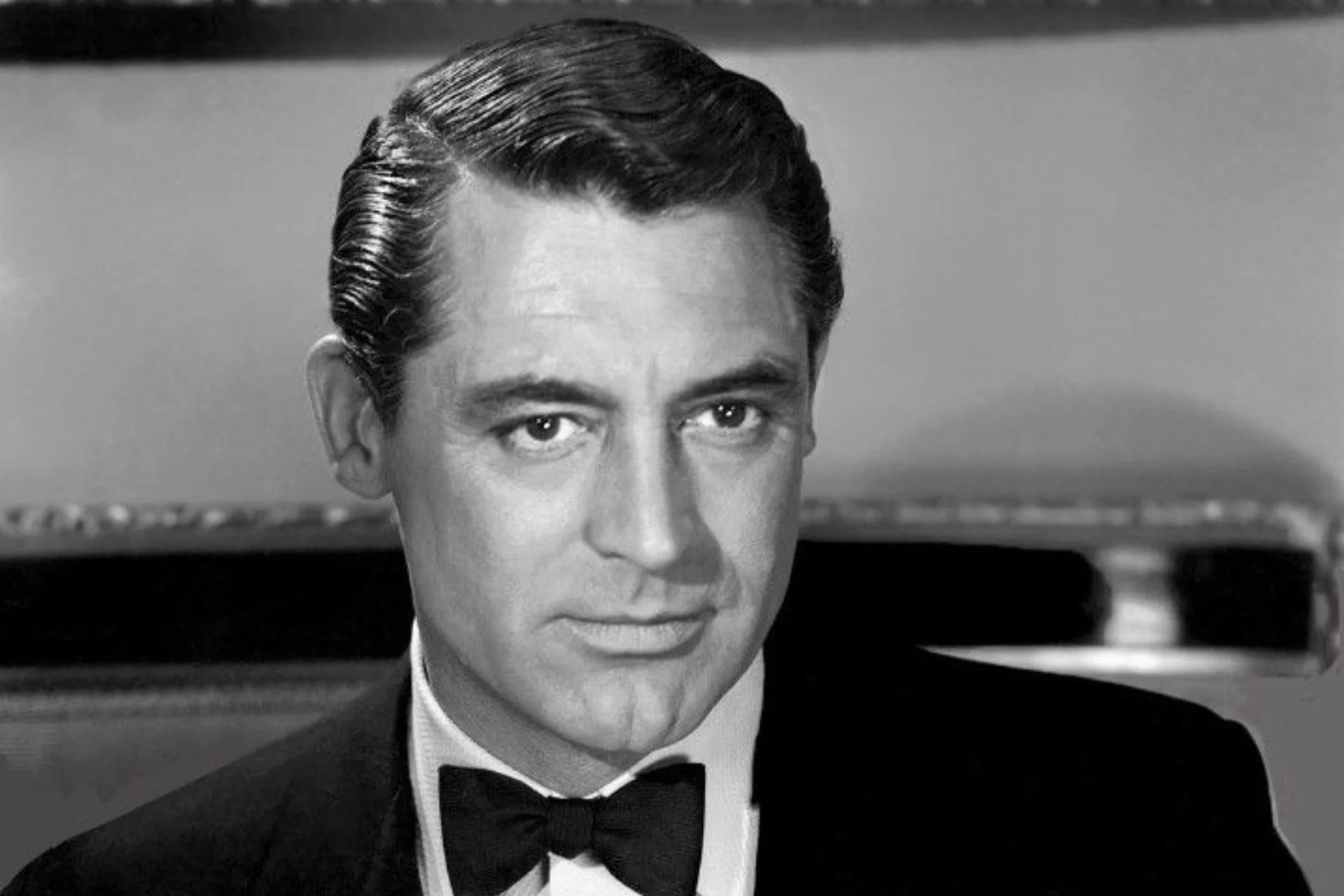
Cary Grant’s Net Worth Revealed in Context: A Legacy of Financial Prudence
At the time of his death in 1986, Cary Grant’s estate was valued at approximately $60 million, a figure that—when adjusted for inflation to 2026 purchasing power—represents a significant fortune exceeding $170 million. This wealth was...
At the time of his death in 1986, Cary Grant’s estate was valued at approximately $60 million, a figure that—when adjusted for inflation to 2026 purchasing power—represents a significant fortune exceeding $170 million. This wealth was not merely the product of Hollywood salaries but was built upon a deliberate, multi-decade strategy of shrewd contract negotiations, real estate investments, and a lifestyle defined by calculated financial independence.
Contents
The Myth vs. The Reality of Hollywood Wealth
To understand Cary Grant’s net worth, one must first dismantle the common assumption that all Golden Age actors lived paycheck to paycheck or squandered their earnings on ephemeral luxuries. While many of his contemporaries faced financial ruin due to profligate spending and poor investment choices, Grant occupied a unique space in industry history.
He was one of the first major stars to effectively dismantle the rigid "Studio System" that kept actors under long-term, restrictive contracts. By choosing to work as a freelancer for much of his career—most notably starting in the late 1940s—Grant moved from being an employee of a studio to a business entity in his own right. This transition allowed him to negotiate not just a high flat fee, but often a significant percentage of the gross receipts from his films.
Negotiating Power: The Transition to Independent Contractor
In the mid-20th century, the standard studio contract meant that an actor received a weekly salary regardless of how much profit their film generated. Grant recognized early on that his name carried immense "bankability." By forcing studios to pay him a share of the profits—and, in some cases, owning the rights to his films after a set period—he created a passive income stream that continued to generate revenue long after he had stopped appearing on set.
This shift was pivotal. In the context of his era, this was a radical departure from the norm. When Grant starred in films like To Catch a Thief or North by Northwest, he was not just a performer; he was essentially a partner in the production. His financial intelligence ensured that his wealth was tied to the longevity of the films, a strategy that mirrored the modern concept of "backend points" prevalent in today's high-budget blockbusters.
Real Estate and Financial Diversification
Grant’s financial discipline extended well beyond the soundstage. He was famously known for his meticulous, perhaps even obsessive, attention to his personal finances. Unlike many stars of his time who sought status through flamboyant spending, Grant invested heavily in real estate and blue-chip stocks.
His property portfolio included prime holdings in Southern California and overseas. By the time of his retirement in the mid-1960s, Grant had transitioned his focus from acting to corporate board service. Notably, he joined the board of directors at Fabergé, the cosmetics and luxury goods firm. This was not a ceremonial role; Grant was an active participant in the company’s expansion and marketing strategies. His involvement with Fabergé served as a quintessential example of how a celebrity can transition from a "talent" to a "brand strategist," diversifying their income and ensuring wealth preservation through corporate governance.
Comparison of Financial Eras
To contextualize the scale of Grant's estate, the following table compares the typical financial trajectory of a Golden Age performer against Grant’s structured business approach.
| Feature | Typical Studio Actor (1940s-50s) | Cary Grant’s Approach |
|---|---|---|
| Contract Type | Exclusive Studio Contract | Freelance / Independent Contractor |
| Compensation | Fixed weekly salary | Flat fee plus gross percentage |
| Rights Ownership | Owned by the Studio | Retained ownership/license rights |
| Investment Style | Real estate and personal consumption | Corporate board roles and equity |
| Post-Retirement | Often relied on residual pension | Multi-stream income (investments/board) |
The Role of Financial Prudence and Lifestyle
Grant’s reputation for frugality—sometimes unfairly labeled as "cheapness" by the tabloid press of his day—was, in retrospect, the cornerstone of his wealth. While he lived comfortably, he avoided the common pitfalls of extreme celebrity consumption. He understood the "time value of money" before it became a standard concept in personal finance circles.
He managed his taxes through sophisticated legal structures and ensured that his assets were protected through trusts. This allowed him to avoid the "boom-and-bust" cycle that defined the financial lives of many peers who faced tax liens or bankruptcy after their peak popularity waned. By 1986, his estate was remarkably clean of debt, a testament to a life governed by the principle of maintaining control over one's liquid and illiquid assets.
Legal and Legacy Management
Following his passing, the management of the Cary Grant estate focused on protecting his likeness and intellectual property rights. This has proven to be a secondary source of "wealth" for his beneficiaries, as the brand of "Cary Grant" remains a symbol of sophisticated masculinity and cinema history. The ability to manage image rights effectively is a modern financial necessity for high-net-worth individuals, and Grant’s estate has served as a blueprint for how to handle a legacy in the decades following an actor's death.
Frequently Asked Questions
1. How did Cary Grant's net worth compare to other actors in 1986? At $60 million, Grant was significantly wealthier than the average Hollywood star of his generation. While it was not the billionaire-level wealth seen in today's top-tier producers, it placed him in the top echelon of private citizens at the time, primarily because he kept his overhead low and invested his capital into high-growth corporate entities.
2. Was Cary Grant's involvement with Fabergé purely symbolic? No. Grant was an active board member who provided input on marketing and business development. He viewed his tenure at Fabergé as a legitimate business career rather than a celebrity endorsement, which provided him with a stable income and equity that contributed substantially to his net worth.
3. Did inflation significantly impact the value of his estate? Yes. Adjusting for inflation between 1986 and 2026, the $60 million figure represents a substantial increase in purchasing power. This highlights the effectiveness of his investment strategy, which focused on assets that appreciated over time rather than simple cash savings.
4. What can modern investors learn from Cary Grant’s financial choices? The primary lesson is the transition from labor-based income to equity-based wealth. By demanding a share of profits and aligning himself with successful corporations like Fabergé, Grant ensured his wealth was not dependent solely on his physical ability to perform, but on the success of the systems he helped build.
Next Steps for Estate Research
For those interested in the historical analysis of celebrity finances, reviewing court-filed probate documents—where available through public records archives—provides the most accurate, unfiltered view of how assets were distributed. While the headline figure of $60 million serves as a general indicator, the specific allocation between property, equity, and trust funds reveals the technical sophistication behind Grant’s legendary financial acumen.
Image Gallery