Powerlift Foundation Repair and Crawlspace Services Explained: 2026 Structural Guide
Powerlift foundation repair is a specialized structural engineering service that utilizes high-strength steel piers driven to load-bearing strata to stabilize and level sinking foundations. These services also encompass comprehensive c...
Powerlift foundation repair is a specialized structural engineering service that utilizes high-strength steel piers driven to load-bearing strata to stabilize and level sinking foundations. These services also encompass comprehensive crawlspace remediation, including structural support installation and moisture management, to ensure the long-term stability and health of residential and commercial properties.
Contents
Foundation issues are among the most significant threats to property value and safety. In 2026, as climate patterns continue to fluctuate, soil movement—particularly in regions with expansive clay—remains the primary driver of structural distress. Powerlift Foundation Repair has established a reputation for addressing these issues through a combination of proprietary synchronized lifting technology and deep-driven steel piering systems. Understanding how these services function, their technical requirements, and the specific problems they solve is essential for any property owner facing structural instability.
The Engineering Behind the Powerlift Steel Pier System
The core of the Powerlift approach is the end-bearing steel pier. Unlike traditional concrete "pressed piles" that rely on skin friction and the weight of the house to reach depth, Powerlift's system uses high-strength steel pipes driven deep into the earth until they reach a solid load-bearing stratum, such as bedrock or stable hardpan.
This distinction is critical for long-term stability. Friction-based systems are often susceptible to the same soil moisture changes that caused the original foundation failure. If the soil dries out and shrinks, a friction pier may lose its "grip" and settle further. In contrast, an end-bearing pier transfers the load of the structure directly to a non-moving layer of the earth. In 2026, structural engineers increasingly favor this method for its predictability in volatile soil conditions.
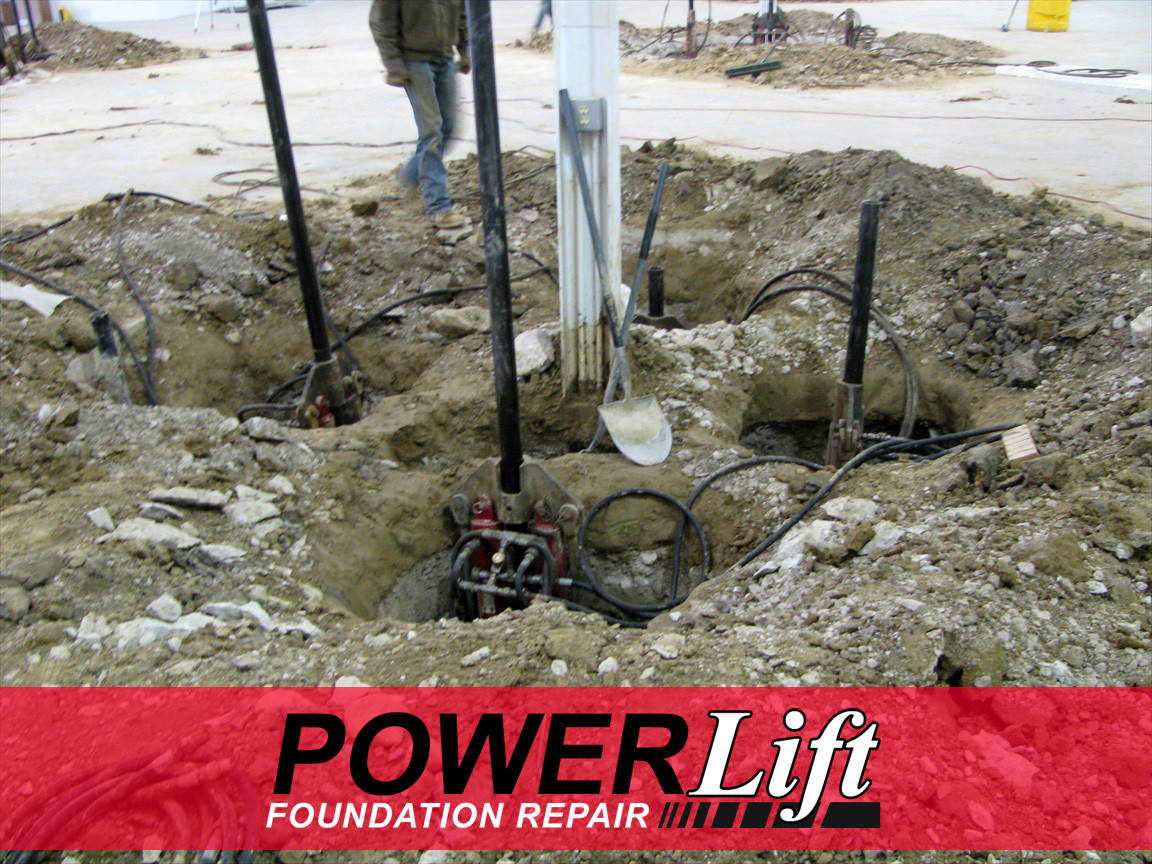
The installation involves the use of heavy-duty hydraulic rams. These rams drive the steel sections into the ground while simultaneously monitoring the pressure required. This pressure reading serves as a verification of the pier's load-bearing capacity. Once the pier reaches the required depth and resistance, it is capped and prepared for the lifting phase.
Synchronized Hydraulic Lifting Technology
One of the most complex aspects of foundation repair is the "lift" itself. Lifting a heavy masonry or concrete structure requires extreme precision to avoid causing secondary damage, such as internal wall cracking or plumbing ruptures. Powerlift utilizes a synchronized hydraulic lifting system that allows technicians to raise multiple points of the foundation simultaneously and at a controlled rate.
This technology ensures that the entire affected section of the house moves as a single unit. If one corner of a home has settled three inches, the system can be calibrated to lift that corner while providing proportional support to adjacent areas. This minimizes the stress on the home’s framing and finishes. By 2026, these systems have become highly sophisticated, incorporating digital pressure sensors to provide real-time feedback to the operator, ensuring that no single pier is over-stressed during the process.
Crawlspace Structural Repair and Stabilization
Crawlspace foundations present a unique set of challenges compared to slab-on-grade foundations. Because crawlspaces rely on a network of interior piers and perimeter stem walls, they are vulnerable to localized settling and wood-rot due to moisture. Powerlift’s crawlspace services focus on two primary objectives: restoring structural support and managing the environment.
Restoring Interior Support
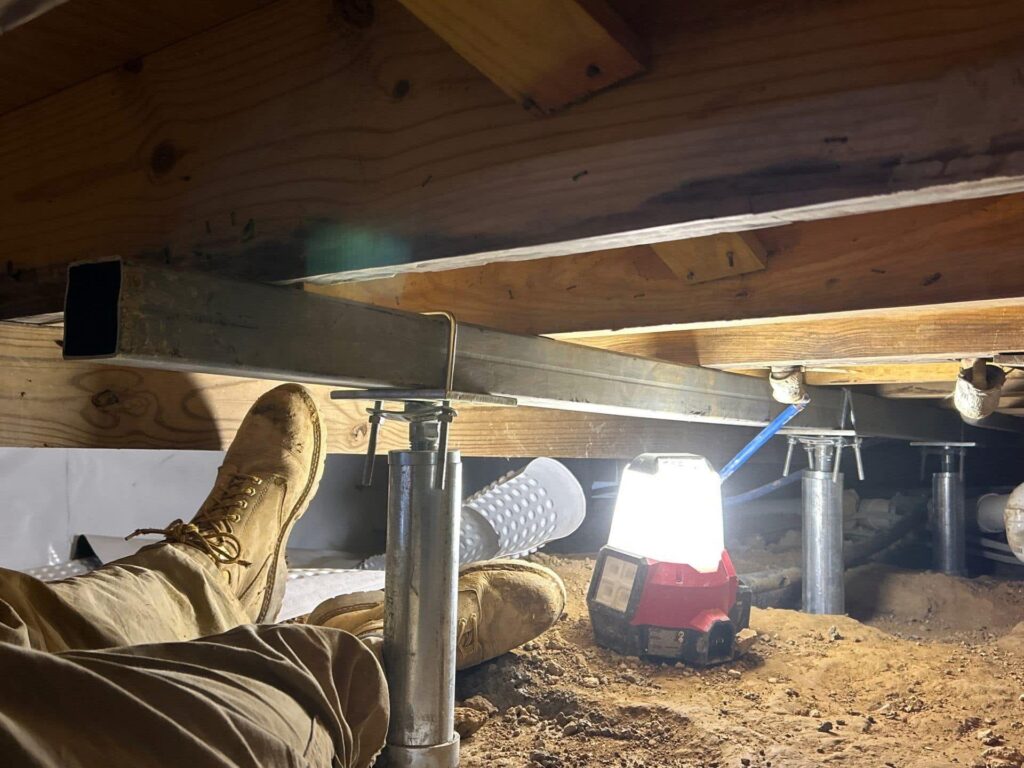
When floors in a crawlspace home begin to sag or bounce, it is often a sign that the interior support posts have settled or the wooden girders have compressed. Powerlift addresses this by installing specialized interior piers. These are often smaller versions of their deep-driven steel piers, designed to fit within the confined space of a crawlspace. By driving these piers to stable soil, the technicians can level the floor system from the inside out, effectively removing the "sponginess" often found in older homes.
Structural Reinforcement
In cases where the original wooden floor joists or girders have been damaged by termites or moisture, Powerlift provides structural reinforcement. This may involve "sistering" new lumber to existing beams or replacing sections of the sill plate. In 2026, the use of engineered steel beams to replace traditional wood girders has become more common in high-end crawlspace remediations, providing a permanent solution that is impervious to biological decay.
Comprehensive Crawlspace Encapsulation and Moisture Control
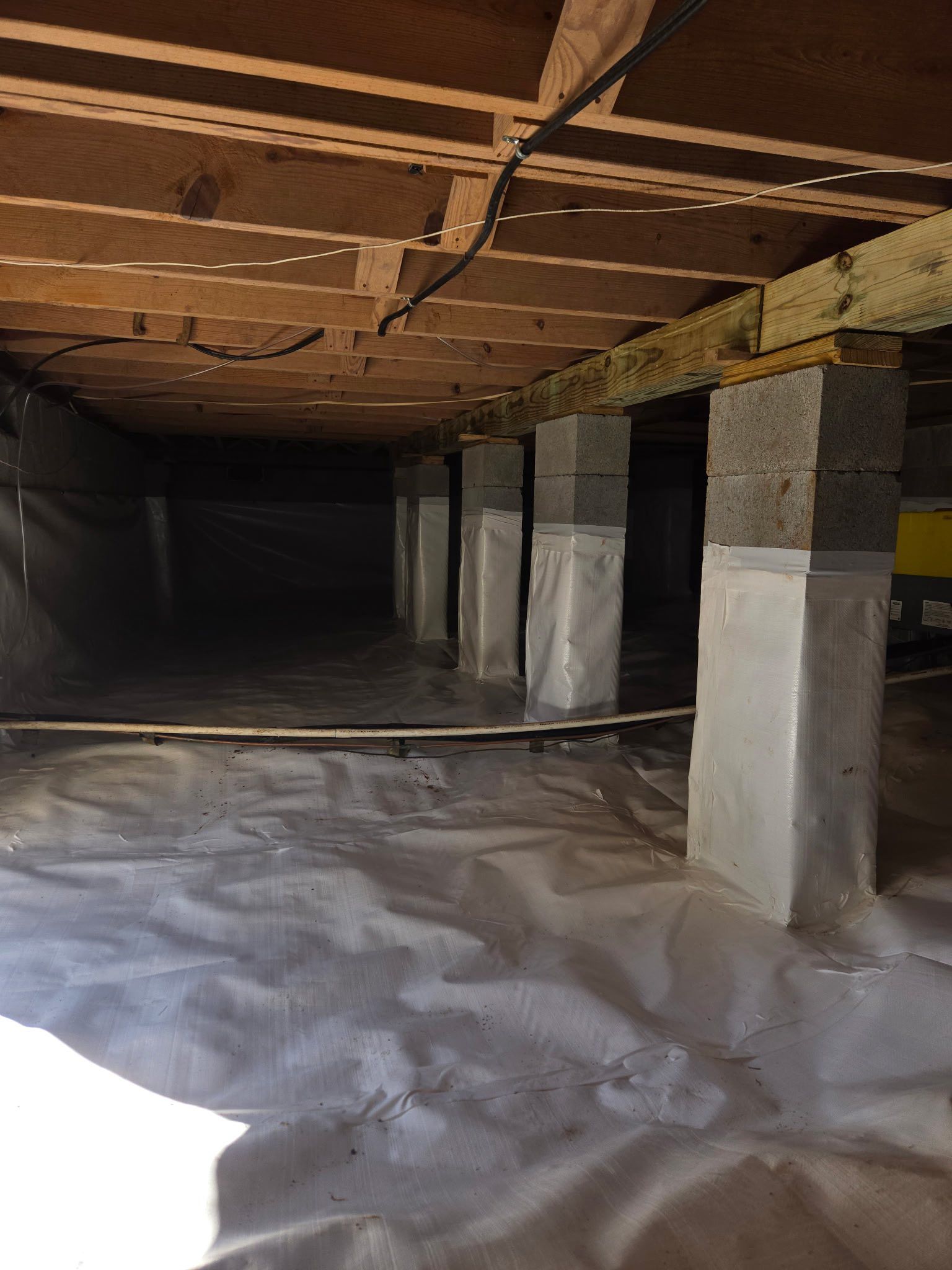
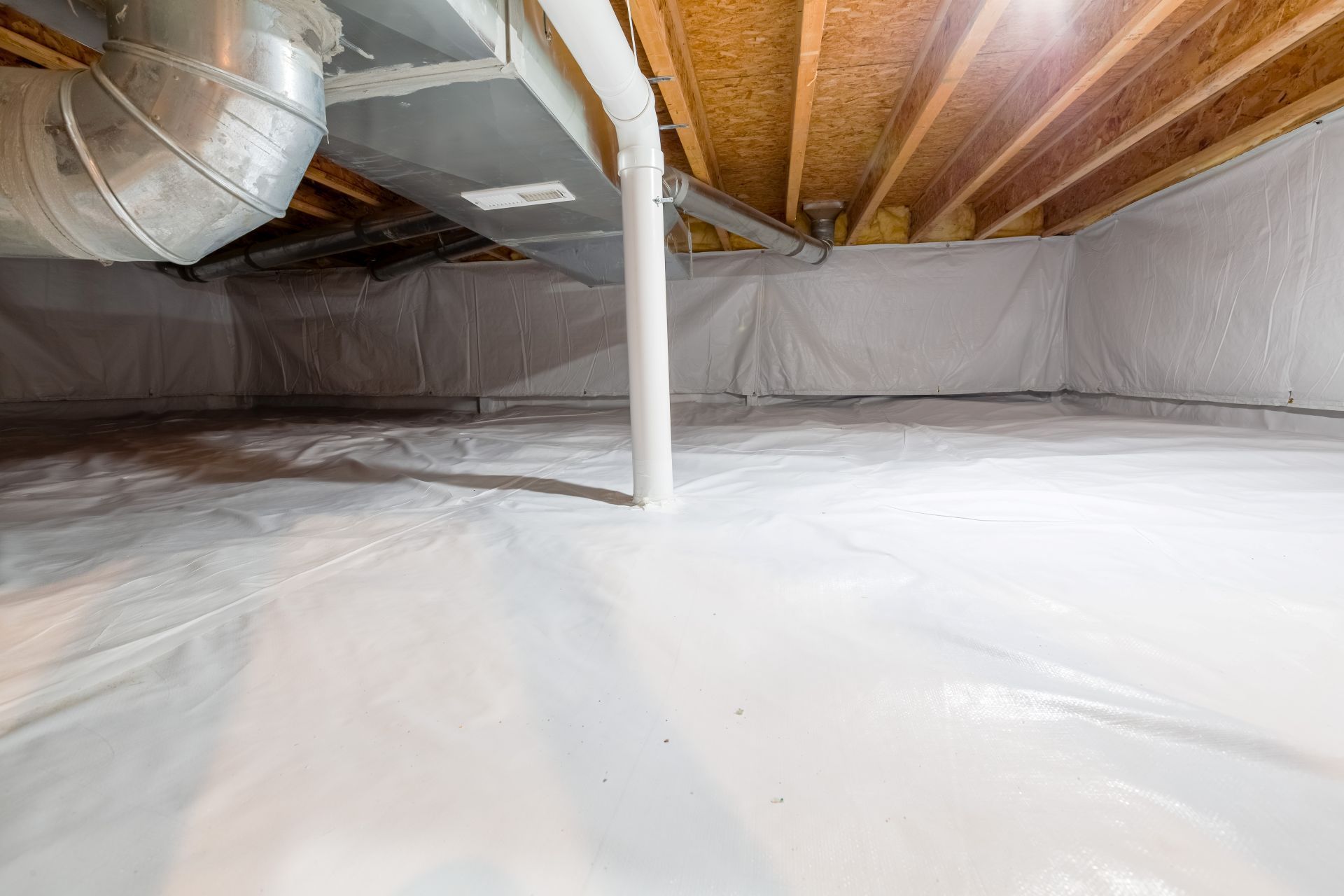
A foundation is only as stable as the soil beneath it and the materials supporting it. In crawlspace homes, excessive moisture is the "silent killer" of structural integrity. Powerlift offers encapsulation services designed to transform a damp, vented crawlspace into a dry, conditioned environment.
The process of encapsulation typically involves:
- Vapor Barrier Installation: Laying a heavy-duty, reinforced polyethylene liner over the crawlspace floor and up the foundation walls. This prevents ground moisture from evaporating into the crawlspace air.
- Sealing Vents: Closing off traditional foundation vents to prevent humid outdoor air from entering the space.
- Dehumidification: Installing a commercial-grade dehumidifier to maintain relative humidity levels below 55%, which is the threshold for mold growth and wood rot.
- Sump Pump Integration: If the crawlspace is prone to standing water, a drainage system and sump pump are installed to evacuate water before it can saturate the soil near the piers.
By controlling the moisture, Powerlift ensures that the new structural repairs are protected from the accelerated decay that originally necessitated the intervention.
Comparing Foundation Repair Methods in 2026
When evaluating foundation repair options, it is helpful to compare the Powerlift steel piering method against other common industry standards.
| Feature | Powerlift Steel Piers | Pressed Concrete Piles | Helical Piers |
|---|---|---|---|
| Depth Potential | Exceptional (Driven to Bedrock) | Limited (Relies on Skin Friction) | High (Screw-in Design) |
| Soil Compatibility | All types, especially Expansive Clay | Poor in deep clay or soft silt | Excellent in sandy or high-water soils |
| Installation Impact | Minimal excavation required | Minimal excavation required | Moderate (requires torque motor) |
| Lifting Control | High (Synchronized Hydraulics) | Moderate (Manual Jacking) | High |
| Long-Term Stability | Highest (Permanent End-Bearing) | Lower (Subject to Soil Movement) | High |
| Average 2026 Cost | $$$ | $$ | $$$ |
Signs Your Property Requires Professional Intervention
Recognizing foundation failure early can save property owners tens of thousands of dollars in secondary repairs. While some settling is normal in new construction, several specific indicators suggest that the structural integrity of the home is compromised.
- Stair-Step Cracking: In brick or stone veneer, cracks that follow the mortar lines in a "stair-step" pattern are a classic sign of foundation settlement.
- Doors and Windows Out of Square: If doors stick, swing open on their own, or have large gaps at the top, the frame has likely shifted due to foundation movement.
- Separation of Trim and Frieze Boards: Look for gaps where the exterior trim meets the roofline or where the chimney pulls away from the siding.
- Interior Drywall Cracks: Diagonal cracks originating from the corners of door frames or windows usually indicate the wall is being pulled downward by a sinking foundation.
- Uneven or Bouncy Floors: In crawlspace homes, a "slope" in the floor or furniture that wobbles as you walk by suggests a failure of the interior support system.
The Powerlift Installation Process
The Powerlift process is designed to be efficient and minimally invasive to the homeowner’s daily life. While every project varies based on the severity of the damage, most residential repairs follow a standardized sequence.
Phase 1: Site Evaluation and Engineering
A trained technician conducts a manometer survey (an ultra-precise floor leveling test) to map the home's current elevations. This data determines exactly where the foundation has settled and how many piers are required to safely support the load.
Phase 2: Excavation and Prep
Small access holes, typically 2x2 feet, are excavated at each pier location. If the repair is on a slab foundation, these holes are dug along the perimeter of the home. For crawlspaces, the work is done underneath the structure.
Phase 3: Driving the Piers
The steel pier sections are driven using high-pressure hydraulics. The technician monitors the pressure gauges to ensure each pier has reached a "refusal" point, meaning it has hit a layer of earth capable of supporting the home's weight.
Phase 4: Lifting and Stabilization
The hydraulic jacks are connected to a central manifold. The structure is slowly raised back toward its original level. Once the desired elevation is achieved, the piers are permanently locked into place.
Phase 5: Backfilling and Cleanup
The excavation holes are backfilled, and any concrete removed (such as from a sidewalk or patio) is patched. Powerlift prioritizes leaving the landscaping as close to its original state as possible.
FAQ: Common Questions Regarding Powerlift Services
How long does the typical foundation repair take?
Most residential projects are completed within 3 to 5 days. Factors such as the number of piers, the depth required to hit bedrock, and weather conditions can influence the timeline. Crawlspace encapsulation may add an additional 2 to 3 days depending on the size of the home.
Will foundation repair fix the cracks in my walls?
Lifting the foundation often closes existing cracks in brickwork and drywall. However, because the materials have been stressed, some cosmetic repair (tuckpointing or drywall patching) is usually required after the foundation is stabilized. It is recommended to wait 4 to 6 weeks after the lift before performing cosmetic repairs to allow the house to "settle" into its new position.
Is the Powerlift system backed by a warranty?
Yes, Powerlift typically provides a lifetime transferable warranty on their steel piering systems. This warranty is a significant asset during real estate transactions, as it provides the buyer with documented proof that the structural issues have been professionally addressed.
Can foundation repair damage my plumbing?
Whenever a house is lifted, there is a risk that aging plumbing lines (especially cast iron) may crack. Powerlift technicians monitor for signs of leaks during the lift. In 2026, many homeowners choose to have a hydrostatic pressure test performed after a foundation lift to ensure the integrity of the under-slab plumbing.
Does the 2026 climate affect the frequency of foundation issues?
Changing precipitation patterns, including longer droughts followed by heavy rainfall, increase the "swell-shrink" cycle of expansive soils. This accelerated cycle puts more stress on traditional foundations, leading to a higher demand for deep-driven piering solutions like those offered by Powerlift.
Final Recommendation for Property Owners
If you suspect your foundation is failing, the first step should be a professional evaluation. Foundation problems do not improve over time; they only become more expensive to remediate. For homes situated on expansive clay or those experiencing significant settlement, the Powerlift steel pier system remains one of the most reliable engineering solutions available in 2026. Prioritize companies that offer end-bearing piering technology and provide a clear, data-driven plan for both stabilization and moisture management.
Image Gallery