The Mystery of Roanoke Island: Unraveling America’s Oldest Vanishing Act
The mystery of Roanoke Island centers on the disappearance of 115 English settlers from their North Carolina colony between 1587 and 1590. Most historical evidence and modern archaeological findings suggest the "Lost Colony" did not pe...
The mystery of Roanoke Island centers on the disappearance of 115 English settlers from their North Carolina colony between 1587 and 1590. Most historical evidence and modern archaeological findings suggest the "Lost Colony" did not perish in a single event but likely assimilated into local Indigenous tribes, such as the Croatan, or relocated in smaller groups to the mainland to survive a severe regional drought.
Contents
The Genesis of the Roanoke Ventures (1584–1587)
To understand the disappearance, one must first understand the geopolitical desperation of Elizabethan England. In the late 16th century, England was a secondary power compared to the Spanish Empire. Sir Walter Raleigh, a favorite of Queen Elizabeth I, sought to establish a permanent English base in North America to serve as a "privateering" station—a base from which English ships could raid Spanish treasure fleets returning from the Caribbean.
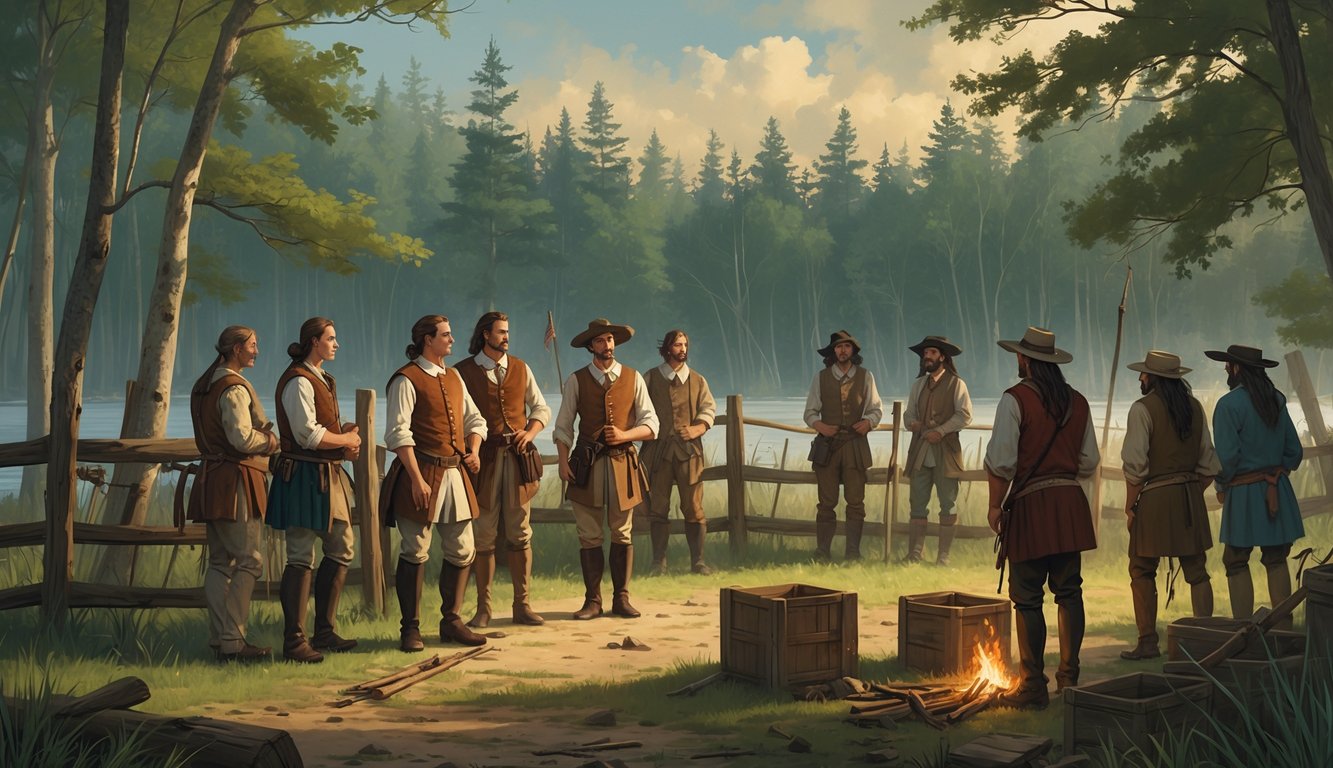
The first attempts in 1584 and 1585 were primarily military and exploratory. These missions, led by figures like Ralph Lane and Sir Richard Grenville, were plagued by poor planning and worsening relations with the local Secotan and Weapemeoc peoples. However, the 1587 expedition was different. This was a civilian mission consisting of families, including women and children, intended to establish the "Cittie of Raleigh" in the Chesapeake Bay area. Led by Governor John White, the group was forced to land at Roanoke Island instead of the Chesapeake because their pilot, Simon Fernandes, refused to take them further.
On August 18, 1587, White’s daughter, Eleanor Dare, gave birth to Virginia Dare, the first English child born in the New World. This moment of hope was short-lived. Realizing the colony was undersupplied and arrived too late in the season to plant crops, the settlers persuaded John White to return to England for reinforcements and supplies.
The Three-Year Delay and the 1590 Return
John White arrived in England just as the Spanish Armada began its attempted invasion. Queen Elizabeth I ordered all English vessels to remain in domestic waters for the defense of the realm. It was not until 1590 that White was able to secure passage back to Roanoke.
When he finally stepped ashore on August 18, 1590—his granddaughter’s third birthday—he found the settlement "very neere looked like a fort." The houses had been dismantled, not burned or destroyed by force. The only clues left behind were two carvings: the letters "CRO" on a tree and the word "CROATOAN" on a palisade post.
White had previously instructed the colonists that if they were forced to leave, they should carve the name of their destination. If they were in distress, they were to carve a Maltese Cross above the name. No cross was found. White believed the settlers had moved to Croatan Island (modern-day Hatteras Island), home to the Croatan people, who had remained friendly to the English. However, a massive storm and the deteriorating state of his ships forced White to abandon the search and return to England, never to see his family again.
Primary Theories and Environmental Realities
For centuries, the fate of the colonists was treated as a ghost story. However, scientific advancements as of 2026 have allowed historians to move beyond folklore. The search for the "Lost Colony" is now a multidisciplinary effort involving dendrochronology (tree-ring dating), satellite imaging, and sub-surface archaeology.
The Integration Theory
The most widely accepted theory among historians today is that the colonists integrated with local Indigenous populations. The carving of "CROATOAN" was a specific geographical indicator. Research into the Lumbee Tribe and other local groups has often highlighted oral traditions suggesting European ancestry. Genetic testing has attempted to find "Roanoke DNA," though the centuries of subsequent migration and intermarriage make definitive links difficult to isolate.
The "Mega-Drought" Factor
In the late 20th and early 21st centuries, scientists like David Stahle analyzed the growth rings of ancient bald cypress trees in the Roanoke region. The data revealed that the years 1587 to 1589 were marked by the most severe drought the region had seen in 800 years. This environmental catastrophe explains why the colonists could not survive on Roanoke Island, which lacked reliable freshwater sources for large-scale agriculture. The settlers likely fractured into smaller groups, seeking out communities that had better access to food and water.
The Spanish Threat
The English were not the only ones looking for the colony. The Spanish, who claimed all of North America as La Florida, were actively searching for the English "pirate nest." Spanish records show that they sent several expeditions to find and destroy Roanoke. While there is no evidence the Spanish found the settlers, the constant threat of a Spanish naval attack likely influenced the colonists' decision to move further inland or hide among the Indigenous tribes.
Archaeological Breakthroughs: Site X and Site Y
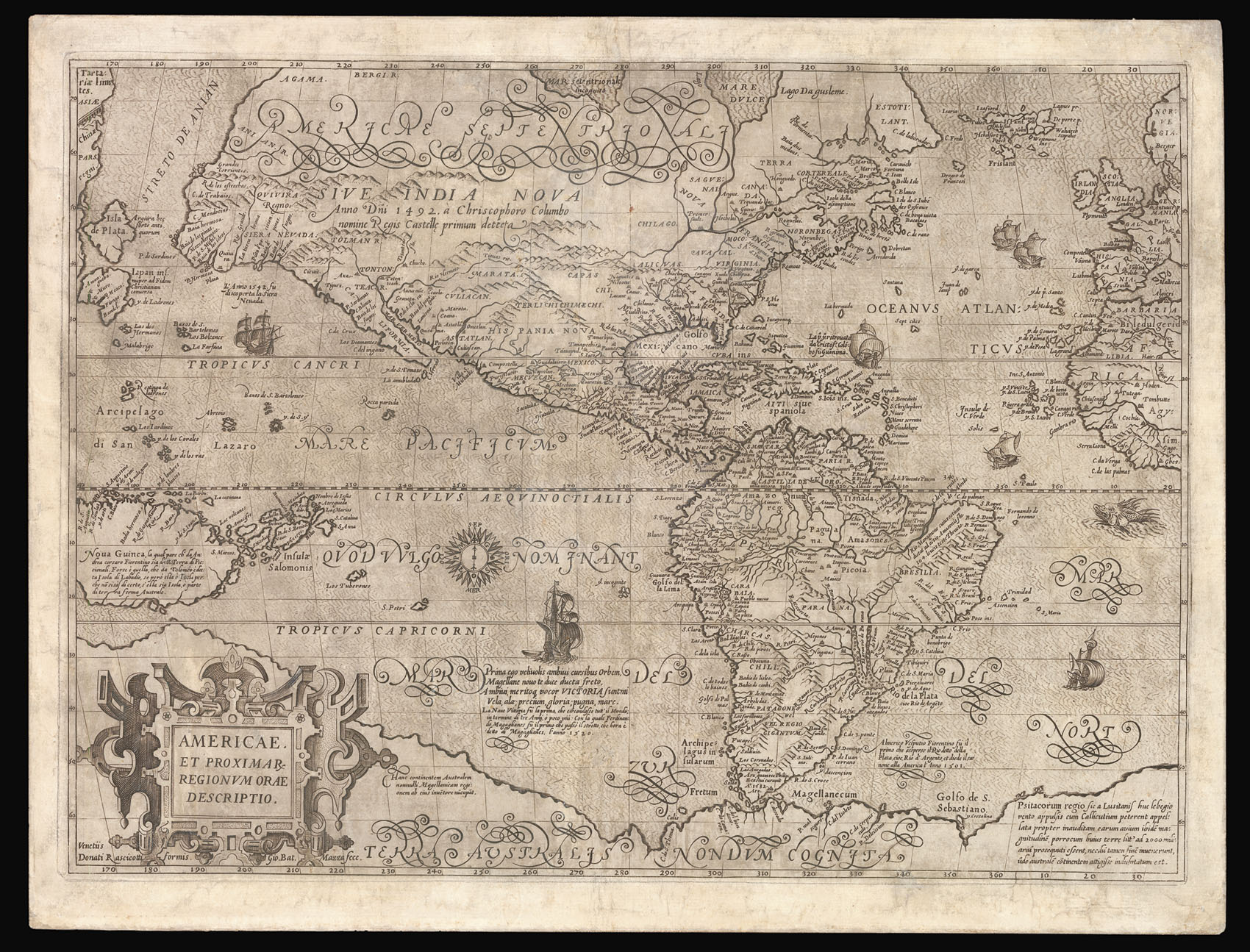
The most significant physical evidence discovered in the last decade comes from the First Colony Foundation. By re-examining John White’s 1585 map, "La Virginea Pars," researchers noticed a small patch of paper covering a symbol. Underneath the patch was a four-pointed star—the symbol for a fort—located about 50 miles west of Roanoke Island at the head of the Albemarle Sound.
This location, designated Site X (near Salmon Creek), has yielded artifacts that strongly suggest English presence in the late 16th century.
| Artifact Type | Findings at Site X / Site Y | Significance |
|---|---|---|
| Surrey-Hampshire Borderware | Pieces of English pottery used for food preparation. | These specific styles were common in the 1580s but fell out of use shortly after, dating the site to the Roanoke era. |
| Baluster Jars | Fragments of ceramic storage jars. | Used by the English for storing provisions like oil and olives; indicative of a settlement, not just a seasonal camp. |
| Aglet | A small metal tube used to tip laces on Elizabethan clothing. | Confirms the presence of people wearing European-style clothing rather than just trade goods. |
| Lead Shot | Small-caliber lead balls. | Indicates the presence of firearms (matchlocks or flintlocks) used by English settlers during that period. |
The discovery of these items at Site X and a secondary location, Site Y (Mettaquem), suggests that a significant portion of the colony moved inland to a more sustainable, defenseless-looking location where they could farm and wait for White’s return away from the prying eyes of the Spanish navy.
Cultural Impact and the "Dare Stone" Controversy
The mystery of Roanoke has embedded itself in American mythology, often overshadowing the more brutal realities of early colonization. In the 1930s, a series of inscribed stones—the Dare Stones—surfaced, purportedly written by Eleanor Dare to her father. While the first stone is still debated by some scholars, the dozens that followed were proven to be elaborate hoaxes.
This fascination with a "disappearance" often ignores the perspective of the Indigenous people. From the Secotan or Croatan point of view, the English were not "lost"; they were either neighbors, refugees, or intruders. Modern scholarship increasingly focuses on the Algonquian context of the 1580s, recognizing that the survival of any English person would have been entirely dependent on the sophisticated social and agricultural networks of the local tribes.
Current Status of Research in 2026
As of 2026, the focus has shifted from finding a "single site" of the lost colony to mapping a "diaspora" of the settlers. Advanced LiDAR (Light Detection and Ranging) technology is being used to peer through the dense coastal forests of North Carolina to identify long-buried earthworks or village sites that were previously invisible to the naked eye.
Furthermore, the Hatteras Island archaeological digs continue to uncover late-16th-century English trade goods mixed with Indigenous artifacts in the same stratigraphic layers. This "co-mingling" of items provides the strongest material evidence for the integration theory, suggesting that the colonists lived alongside the Croatan people for years, if not decades.
Frequently Asked Questions
What does the word "CROATOAN" actually mean?
It was the name of a nearby island (now known as Hatteras Island) and the Indigenous people who lived there. The carving was intended as a signpost for John White, indicating where the settlers had relocated.
Was the colony ever officially found?
No. While there is significant archaeological evidence of their presence at various sites, no mass grave or contemporary written record from the settlers themselves has ever been recovered to confirm their ultimate fate.
Did the settlers die from the plague or disease?
There is no evidence of a mass die-off from disease at the Roanoke site. The dismantling of the houses suggests an orderly departure rather than a panicked flight or a plague-stricken abandonment.
Why is Virginia Dare so famous?
As the first English child born in the Americas, she became a symbol of English permanence in the New World. Her disappearance at a young age turned her into a legendary figure, often depicted in folk tales as a "White Doe."
Could the settlers have tried to sail back to England?
It is highly unlikely. The colonists were left with only a small pinnace and several smaller boats. These vessels were not suited for a mid-Atlantic crossing, especially without a skilled navigator like Fernandes or White.
Recommended Next Actions for History Enthusiasts
To stay updated on the ongoing search, follow the reports from the First Colony Foundation and the National Park Service at the Fort Raleigh National Historic Site. For those interested in the environmental factors, the Dendrochronology Research Lab provides fascinating insights into how the "Great Drought" of 1587 shaped the early history of the United States. Visiting the Outer Banks of North Carolina offers a chance to see the geography firsthand and understand the isolation these 115 individuals faced in the 16th century.
Image Gallery