Strategies for Securing Low Interest Mortgage Loans for Homebuyers in 2026
Securing a low interest mortgage loan requires a combination of high credit scores, a substantial down payment, and selecting the right loan product for your financial profile. In 2026, homebuyers can achieve lower rates by comparing c...
Securing a low interest mortgage loan requires a combination of high credit scores, a substantial down payment, and selecting the right loan product for your financial profile. In 2026, homebuyers can achieve lower rates by comparing conventional, FHA, and VA options while utilizing strategic tools like discount points and timing the market based on current economic indicators.
Contents
The Landscape of Mortgage Interest Rates in 2026
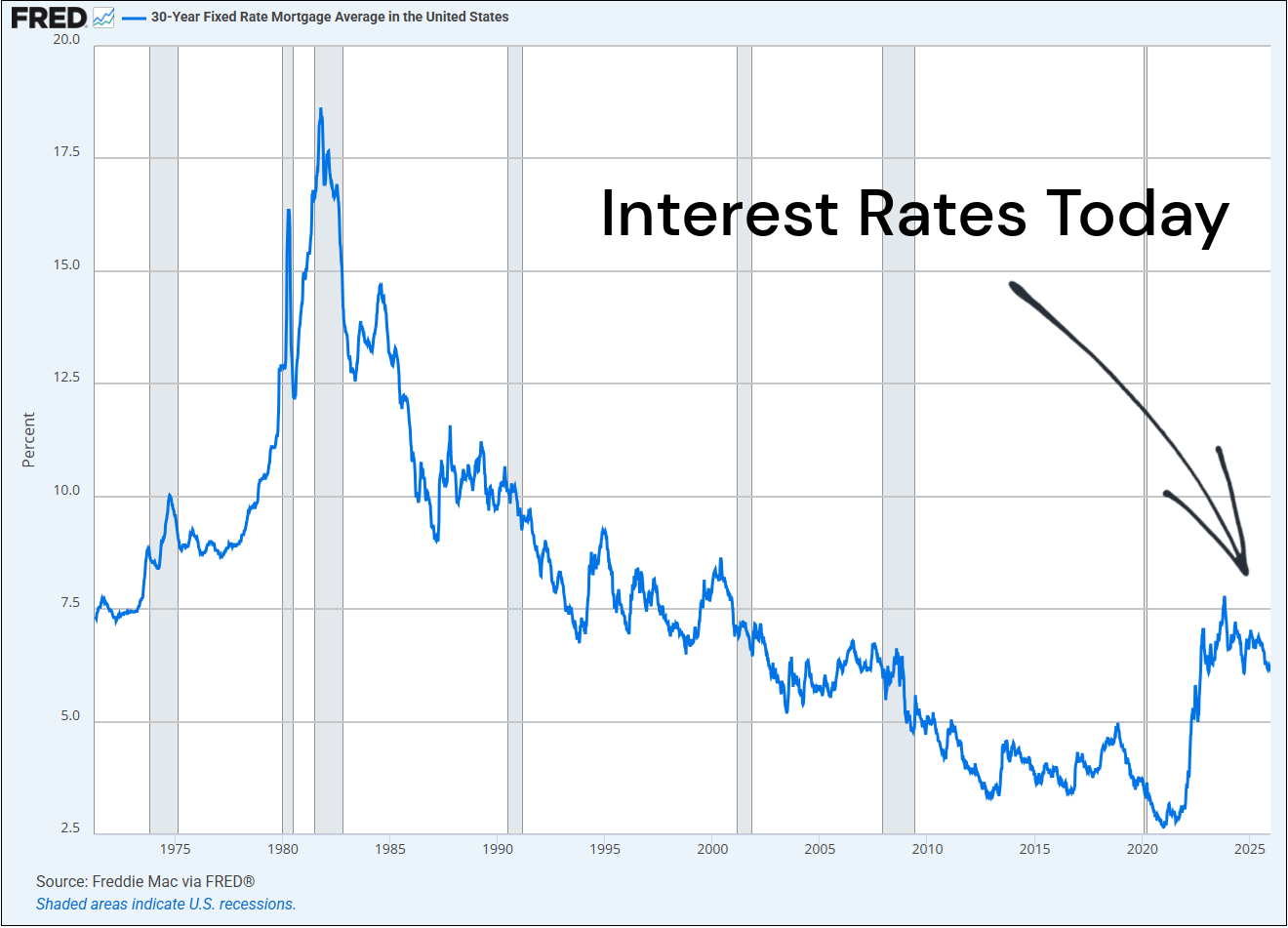
As we navigate the housing market in 2026, the era of extreme volatility seen in the early 2020s has largely subsided, replaced by a more predictable, albeit competitive, lending environment. Interest rates are fundamentally the price of borrowing money, and for homebuyers, even a fraction of a percentage point can translate into tens of thousands of dollars saved over the life of a 30-year loan. To secure the most favorable terms, it is essential to understand that "market rates" are merely a baseline; the actual rate an individual receives is highly personalized, reflecting the lender's assessment of risk.
Current economic policy from the Federal Reserve continues to influence the floor of these rates. While the Fed does not set mortgage rates directly, its management of the federal funds rate affects the yields on 10-year Treasury notes, which mortgage lenders use as a benchmark. In 2026, a stable inflationary environment has allowed for more consistent pricing, but global economic shifts and domestic housing inventory levels still cause minor fluctuations that savvy buyers can leverage.
Key Factors That Determine Your Mortgage Rate
Before applying for a loan, homebuyers must recognize that lenders use a standardized set of criteria to determine eligibility and interest levels. These factors are not just hurdles to clear; they are levers that a borrower can pull to lower their long-term costs.
Credit Score and Financial History
Your credit score remains the single most influential factor in determining your interest rate. Lenders view a high score—typically 740 or above—as evidence of financial reliability. In 2026, many lenders have integrated more comprehensive data into their assessments, including consistent rent and utility payments, but the core FICO score still reigns supreme. A borrower with a 760 score may receive an interest rate significantly lower than someone with a 660 score, as the latter is perceived as having a higher probability of default.
Debt-to-Income (DTI) Ratio
Lenders evaluate your DTI to ensure you can comfortably manage monthly payments. This ratio compares your total monthly debt obligations (including the projected mortgage, car loans, student loans, and credit card minimums) against your gross monthly income. Ideally, a DTI below 36% is preferred for the lowest interest rates, though some programs allow for higher ratios if other financial indicators are strong.
Loan-to-Value (LTV) Ratio and Down Payment
The LTV ratio represents the amount of the loan compared to the appraised value of the property. A lower LTV—achieved through a larger down payment—reduces the lender's risk. While many 2026 programs allow for down payments as low as 3% or 3.5%, those who can afford 20% often avoid Private Mortgage Insurance (PMI) and gain access to the "prime" interest rate tier.
Comparing Low Interest Mortgage Programs
Not all mortgage products are created equal. Depending on your background, location, and financial status, you may qualify for specific programs designed to offer lower-than-average rates.
| Loan Type | Typical Minimum Down Payment | Best For | Key Advantage |
|---|---|---|---|
| Conventional | 3% - 5% | Borrowers with high credit scores | No upfront mortgage insurance fees for many. |
| FHA Loan | 3.5% | First-time buyers or lower credit scores | More lenient qualification requirements. |
| VA Loan | 0% | Veterans and active-duty military | Generally offers the lowest market rates. |
| USDA Loan | 0% | Rural and suburban homebuyers | Low rates for specific geographic areas. |
| 15-Year Fixed | 5% - 20% | Buyers who want to pay off debt fast | Significantly lower interest rates than 30-year. |
Conventional Loans
Conventional loans are not insured by the federal government but adhere to the standards set by Fannie Mae and Freddie Mac. In 2026, these remain the standard for borrowers with strong financial profiles. Because they are considered lower risk, conventional loans often feature the most competitive rates for those with high equity and excellent credit.
FHA Loans
The Federal Housing Administration (FHA) insures these loans, allowing lenders to offer lower interest rates to individuals who might not qualify for conventional financing. While the interest rate itself is often lower than conventional rates, borrowers must account for the Mortgage Insurance Premium (MIP), which is required both upfront and monthly for the life of the loan in many cases.
VA and USDA Loans
For those who qualify, VA loans (for veterans) and USDA loans (for rural properties) are often the gold standard for low interest rates. VA loans, specifically, frequently offer rates 0.25% to 0.50% lower than conventional loans and do not require a down payment or monthly mortgage insurance, making them exceptionally cost-effective.
Technical Strategies to Lower Your Interest Rate
Beyond simply "shopping around," there are specific financial maneuvers that can result in a lower rate on your final closing disclosure.
Buying Down the Rate with Discount Points
One of the most effective ways to secure a low interest mortgage is through the purchase of discount points. One "point" typically costs 1% of the total loan amount and generally reduces your interest rate by 0.25%.
- The Math: If you are borrowing $400,000 at a 6.5% interest rate, one point would cost $4,000. By paying this upfront, your rate might drop to 6.25%.
- The Strategy: This is most beneficial if you plan to stay in the home for a long duration (the "break-even" point). If the $4,000 investment saves you $100 per month, it takes 40 months to break even. Any time spent in the home after that is pure savings.
The 15-Year vs. 30-Year Choice
While the 30-year fixed-rate mortgage is the most popular choice due to lower monthly payments, the 15-year fixed-rate mortgage consistently offers significantly lower interest rates. Lenders reward the shorter term because they are exposed to interest rate risk for a shorter period. If your budget can accommodate the higher monthly principal payment, the interest savings over the life of the loan are staggering—often cutting the total interest paid by more than 50%.
Utilizing Rate Locks
Interest rates can fluctuate daily based on bond market activity. Once you have found a competitive rate, a "rate lock" protects you from increases while your loan is being processed. In 2026, most lenders offer a 30-to-60-day lock for free, with options to extend for a fee. Some lenders also offer a "float-down" provision, which allows you to lock in a low rate but still take advantage if market rates drop before you close.
Common Pitfalls When Seeking Low Interest Rates
In the pursuit of the lowest possible number, many homebuyers overlook secondary costs that can negate the benefits of a low interest rate.
- Ignoring the APR: The interest rate is only part of the story. The Annual Percentage Rate (APR) includes the interest rate plus lender fees, closing costs, and insurance. A loan with a 6.0% interest rate but high fees might have a higher APR than a 6.2% loan with no fees. Always compare the APR to see the true cost of the loan.
- Overlooking Adjustable-Rate Mortgages (ARMs): ARMs often offer lower initial "teaser" rates for the first 3, 5, or 7 years. While these can be excellent for buyers who plan to sell quickly, they carry the risk of significant rate hikes later. In 2026, with a stable market, ARMs have regained some popularity, but they require a clear exit strategy.
- Failing to Shop Multiple Lenders: Many buyers simply go with their primary bank. However, credit unions, online lenders, and local mortgage brokers often have access to different "buckets" of capital and may offer rates that vary by as much as 0.75% for the same borrower.
Preparing for the Application Process in 2026
To ensure you are positioned for the lowest rates, start your preparations at least six months before you intend to buy. This timeframe allows you to dispute errors on your credit report and reduce revolving debt to lower your DTI.
When you are ready to apply, have your documentation organized. Lenders in 2026 utilize automated verification systems for income and assets, but having your W-2s, tax returns, and bank statements ready will speed up the process. A fast, clean application often gives the lender more confidence, which can sometimes lead to better pricing or "waived" administrative fees.
Frequently Asked Questions
Can I negotiate my mortgage interest rate?
Yes, mortgage rates are often negotiable. If you receive a lower Official Loan Estimate from one lender, you can present it to another to see if they can match or beat the offer. Lenders are often willing to reduce their "origination charges" or match a competitor's rate to secure your business, especially if you have a strong credit profile.
How does my down payment amount affect my interest rate?
Generally, a larger down payment leads to a lower interest rate because it reduces the lender’s risk. Specifically, reaching the 20% threshold not only eliminates Private Mortgage Insurance (PMI) but often triggers a lower interest rate tier. However, some specialized first-time buyer programs actually offer very competitive rates even with low down payments, so it is worth comparing both scenarios.
What is the difference between the interest rate and the APR?
The interest rate is the percentage charged on the principal loan amount. The APR (Annual Percentage Rate) is a broader measure of the cost of borrowing, as it includes the interest rate plus other costs such as broker fees, points, and some closing costs. The APR provides a more accurate basis for comparing the total cost of different loan offers.
Is it better to wait for rates to drop further in 2026?
"Timing the market" is notoriously difficult. While you might save money if rates drop, home prices may rise in the meantime, offsetting your savings. A common strategy in 2026 is to "buy the house, not the rate"—if you find the right property, you can secure it now and potentially refinance later if rates experience a significant decline.
Do online lenders offer lower rates than traditional banks?
Online lenders often have lower overhead costs than brick-and-mortar banks, which can translate into lower interest rates or reduced fees. However, traditional banks may offer "relationship discounts" if you already have significant deposits or an existing mortgage with them. It is always advisable to get quotes from both types of institutions.
Final Recommendation for Homebuyers
To secure a low interest mortgage loan in 2026, prioritize your credit health and save for at least a 5% to 10% down payment to access more competitive tiers. Always request a Loan Estimate from at least three different lenders—including one credit union and one online lender—and compare the APR rather than just the nominal interest rate. If you plan to stay in your home for more than seven years, consider paying for discount points to lock in a lower long-term cost.
Image Gallery