How Mold Remediation in Orlando Protects and Restores Home Value
Professional mold remediation in Orlando protects home value by eliminating structural decay, ensuring compliance with Florida’s mandatory property disclosure laws, and providing documented proof of a healthy indoor environment. By res...
Professional mold remediation in Orlando protects home value by eliminating structural decay, ensuring compliance with Florida’s mandatory property disclosure laws, and providing documented proof of a healthy indoor environment. By resolving moisture issues and removing fungal growth according to industry standards, homeowners prevent "stigmatized property" discounts and preserve the equity of their investment.
Contents
The humid, subtropical climate of Central Florida creates a unique set of challenges for property owners. In Orlando, where relative humidity levels frequently exceed 70%, mold is not merely an aesthetic nuisance; it is a significant financial liability. As we navigate the real estate market in 2026, the emphasis on "healthy homes" has moved from a luxury preference to a non-negotiable requirement for buyers, lenders, and insurers alike.
The Intersection of Orlando’s Climate and Property Integrity
Orlando’s environment is a natural incubator for fungal growth. The combination of high heat, seasonal hurricanes, and daily summer thunderstorms creates a constant state of vapor pressure against home envelopes. When mold takes hold, it consumes organic building materials such as drywall, wood framing, and carpet backing. This biological consumption isn't just surface-level; it compromises the structural integrity of the home.
In 2026, Orlando homeowners are finding that deferred maintenance regarding moisture can lead to exponential losses. A small leak from an aging HVAC system or a minor roof intrusion after a storm can transition from a "repairable issue" to a "structural catastrophe" within weeks due to the rapid growth cycles of local mold species. Professional remediation stops this cycle of decay, effectively "freezing" the damage and allowing for the restoration of the building’s original strength.
Why Mold is a "Value Killer" in the Florida Real Estate Market
In the context of a real estate transaction, mold is classified as a material defect. Florida law and standard real estate contracts generally require sellers to disclose any known facts that materially affect the value of the property which are not readily observable by the buyer.
Impact on Appraisal and Financing
When an appraiser identifies visible mold or the characteristic musty odor associated with microbial growth, they are obligated to note it in their report. For many conventional, FHA, and VA loans, a "subject to repair" condition may be triggered. This means the lender will not release funds until the mold is professionally remediated and cleared by a third-party inspector. If the seller cannot or will not address the issue, the deal often collapses, leading to a "failed sale" history that further depresses the home's marketability.
The "Stigma" Discount
Properties with a history of mold problems but no professional documentation of remediation often suffer from a "stigma discount." Buyers in 2026 are highly educated on the health risks associated with mycotoxins. Without a professional clearance letter, buyers will often bid 10% to 15% below market value to account for the perceived risk of hidden mold or future liability. Professional remediation removes this stigma by replacing uncertainty with certified data.
Technical Steps of Professional Mold Remediation in 2026
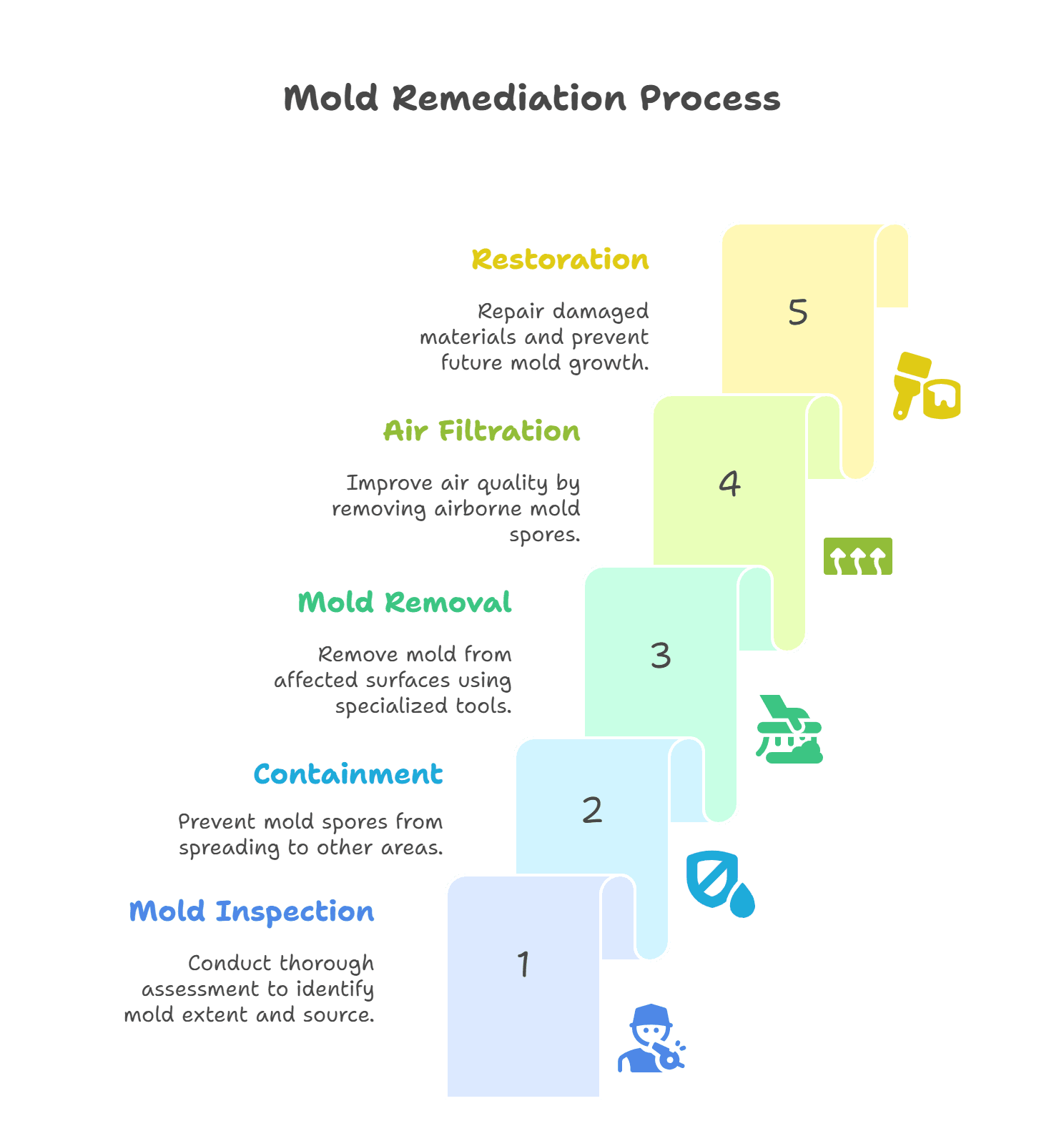
To truly protect value, remediation must follow the IICRC S520 Standard for Professional Mold Remediation. This is a procedural standard that ensures the mold is not just "cleaned" but physically removed and the environment returned to a "Condition 1" (normal fungal ecology) status.
1. Assessment and Moisture Mapping
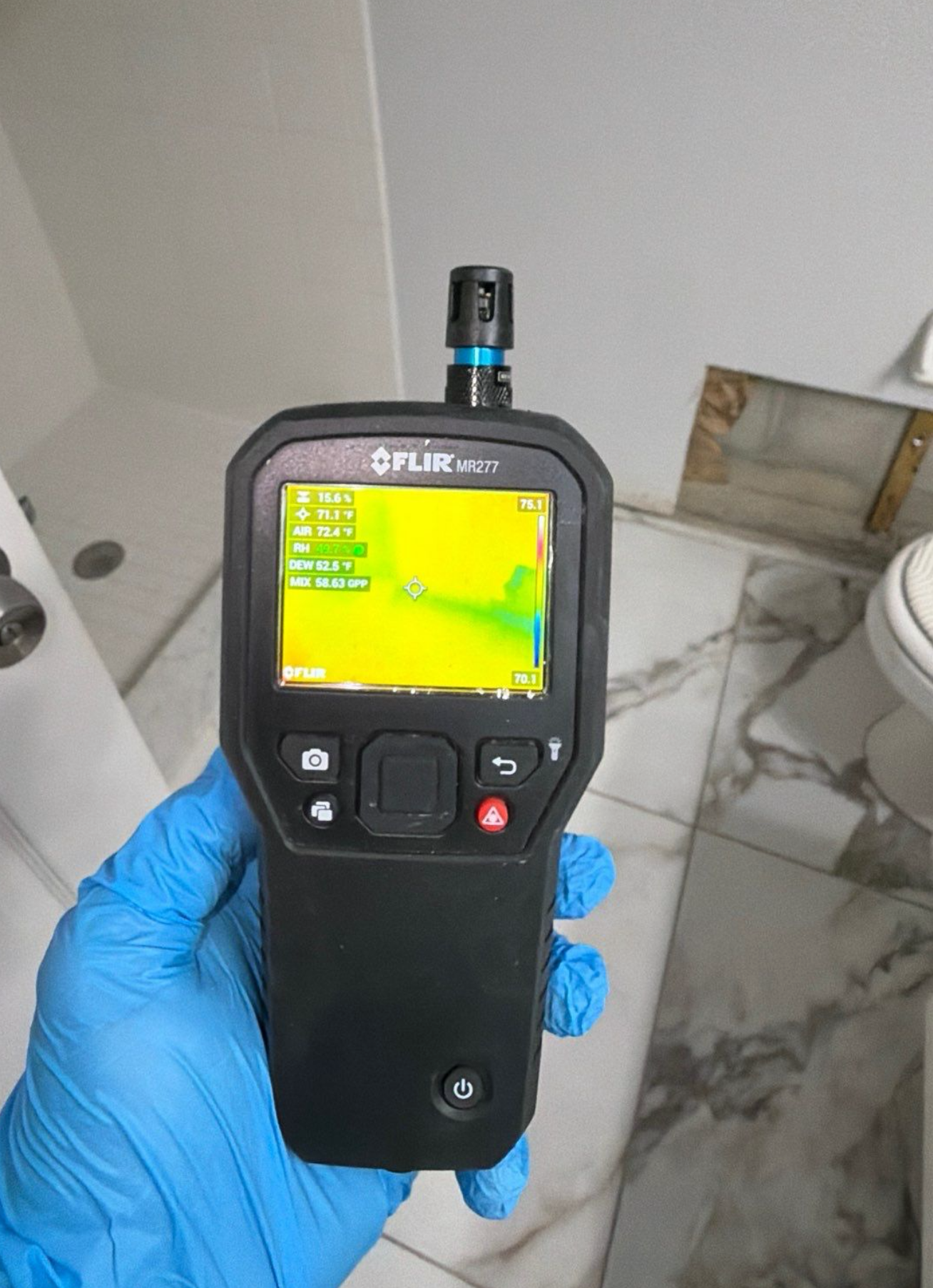
The process begins with identifying the source. In Orlando, this often involves thermal imaging to find hidden leaks behind walls or moisture meters to check the saturation levels of the building’s "bones." Remediation is useless if the moisture source—be it a faulty window seal or a plumbing leak—is not corrected first.
2. Containment and Negative Air Pressure
One of the biggest risks to home value is cross-contamination. Professionals set up 6-mil poly sheeting barriers and use HEPA-filtered air scrubbers to create negative pressure. This ensures that as moldy materials are disturbed, the spores are trapped and exhausted outside rather than drifting into unaffected areas like the kitchen or bedrooms.
3. HEPA Vacuuming and Antimicrobial Treatment
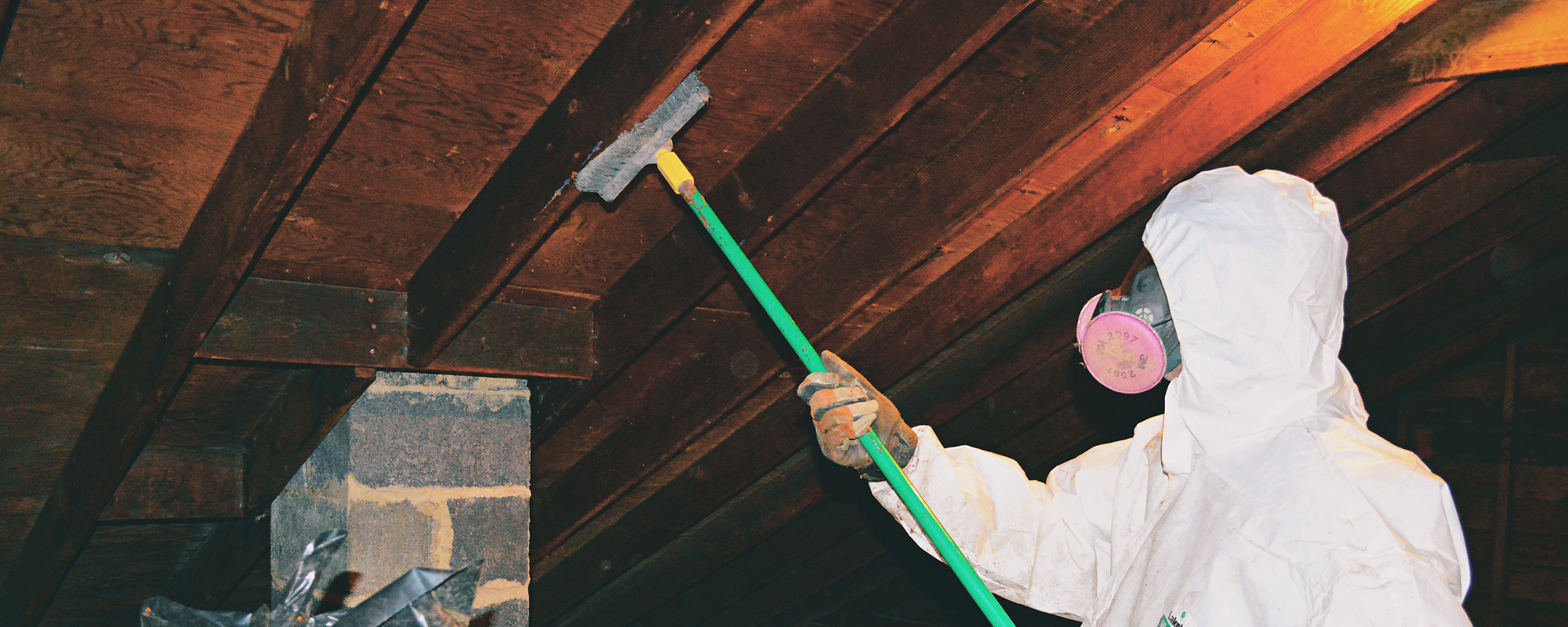
Surfaces are HEPA vacuumed to remove the bulk of the spores. This is followed by detailed cleaning of semi-porous and non-porous materials using EPA-registered antimicrobials. For porous materials like drywall or insulation that are heavily infested, "controlled demolition" is performed to remove the source entirely.
4. Post-Remediation Verification (PRV)
This is the most critical step for protecting home value. An independent environmental consultant conducts air and surface sampling to verify that the mold levels inside the containment area are lower than or equal to the natural outdoor levels. This "Clearance Letter" becomes a permanent part of the home’s history, proving to future buyers that the issue was handled professionally.
The Financial Case: Remediation vs. DIY
Many homeowners attempt to use bleach or over-the-counter sprays to treat mold. However, in the Orlando market, this often backfires. Bleach is largely ineffective on porous surfaces like wood or drywall; it kills the surface color but leaves the roots (hyphae) intact, leading to regrowth within weeks.
From a value perspective, DIY "cover-ups" are often detected during a professional home inspection. When an inspector sees "encapsulant paint" (like KILZ) over what looks like mold without a remediation report to back it up, it signals a "red flag." The buyer may then demand a much higher credit or walk away entirely. Investing in professional services typically yields a 100% or greater return on investment by preserving the original asking price and ensuring a smooth closing.
| Feature | DIY "Bleach" Method | Professional Orlando Remediation |
|---|---|---|
| Moisture Source ID | Visual only (often missed) | Thermal imaging & moisture mapping |
| Spores Contained? | No; spores spread through the home | Yes; HEPA-filtered negative pressure |
| Root Removal | No; roots remain in porous material | Yes; physical removal of source |
| Documentation | None | Certified Clearance Letter & Lab Results |
| Real Estate Impact | High risk of failed inspection | Increases buyer confidence & price |
| Insurance Validity | Often denied for "neglect" | Usually supported via claim documentation |
Long-Term Value Retention Strategies for Orlando Homeowners
Once remediation is complete, protecting the home's value requires a proactive approach to the Florida environment. As of 2026, building science has emphasized several key upgrades that complement remediation:
- Whole-Home Dehumidification: Integration of a dehumidifier into the HVAC system to maintain indoor relative humidity below 50%, regardless of the cooling cycle.
- Smart Leak Detection: Installation of Wi-Fi-enabled sensors near water heaters, under sinks, and in HVAC drain pans to provide instant alerts to smartphones.
- Anti-Microbial HVAC Filters: Using MERV 13 or higher filtration to keep the air distribution system free of organic dust that mold feeds on.
- Proper Exterior Grading: Ensuring that Central Florida's heavy rains flow away from the foundation to prevent "wicking" moisture into the baseboards and lower drywall.
Frequently Asked Questions
Does mold remediation increase my home's market value?
Technically, mold remediation restores a home to its full market value rather than "increasing" it. However, in a market where many homes have unaddressed moisture issues, a certified mold-free home often sells faster and closer to the asking price than a home with a questionable history. It protects the equity you have already built.
Is professional mold remediation covered by Florida homeowners insurance?
In 2026, coverage depends heavily on the "cause of loss." If the mold resulted from a "sudden and accidental" water event—like a burst pipe or a storm-damaged roof—it is typically covered, subject to your policy limits and deductibles. Mold resulting from "long-term seepage" or "lack of maintenance" is generally excluded. Professional remediation companies can often assist with the documentation required for a claim.
How long does the remediation process take in a typical Orlando home?
A standard remediation project usually takes between 3 to 7 days. This includes the time needed for containment setup, physical removal, and the mandatory 24-48 hours for air scrubbers to "scrub" the air before the final clearance testing can be performed.
Can I stay in my home during the remediation process?
If the mold is localized to a small area (like a single bathroom), you can usually stay in the home as long as the containment remains sealed. However, for larger projects involving the HVAC system or multiple rooms, it is often recommended to vacate for a few days to ensure safety and allow the technicians to work efficiently.
What is a "Clearance Letter" and why do I need it?
A Clearance Letter is a formal document issued by a third-party Florida Licensed Mold Assessor (separate from the remediation company). It states that the area has been tested and meets the safety standards for occupancy. This document is your primary defense against "stigmatized property" claims during a sale.
Practical Recommendation
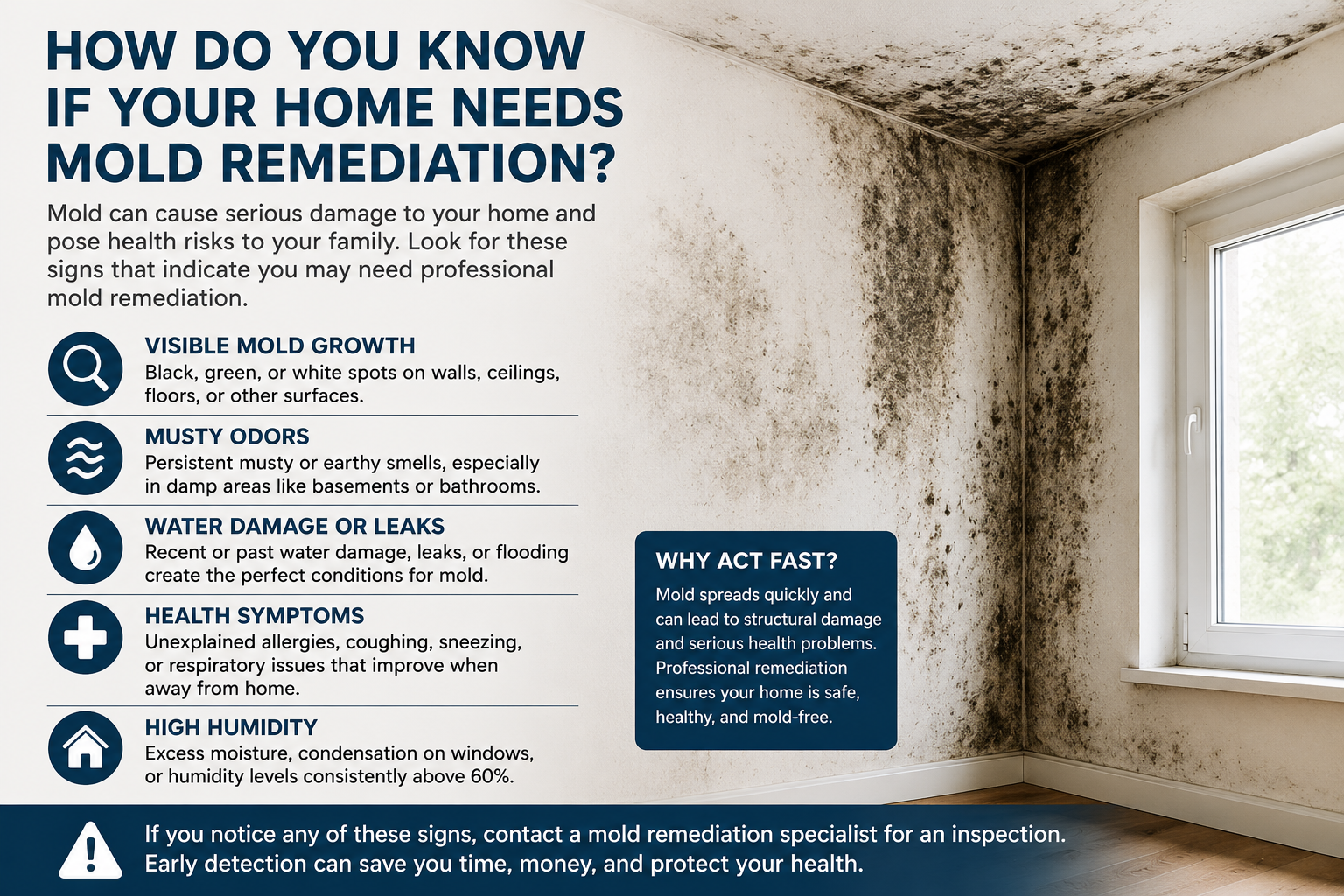
If you suspect mold in your Orlando home, do not wait for visible growth to appear. Delaying remediation in Florida's climate is the fastest way to erode your home's equity. Your first step should be to contact a licensed professional for a moisture inspection. Ensure that any company you hire provides a comprehensive scope of work that follows IICRC S520 standards and facilitates third-party clearance testing. By treating mold remediation as a critical maintenance investment rather than a "quick fix," you safeguard your family’s health and your property's long-term financial value.
Image Gallery