Why Is Auto Insurance More Expensive for Elderly Drivers in 2026?
Auto insurance premiums for elderly drivers typically rise because actuarial data shows an increased risk of accidents and higher medical costs per claim for those over age 70. As drivers age, physical changes and slower reaction times...
Auto insurance premiums for elderly drivers typically rise because actuarial data shows an increased risk of accidents and higher medical costs per claim for those over age 70. As drivers age, physical changes and slower reaction times contribute to higher accident frequency, while physical frailty leads to more severe injuries, driving up the total cost of insurance payouts.
Contents
In 2026, the landscape of automotive insurance continues to evolve with advanced technology and shifting demographic data. For many seniors, opening a renewal notice reveals a frustrating reality: despite decades of safe driving and no recent accidents, their premiums are climbing. This phenomenon is not personal; it is a result of complex actuarial calculations that balance the benefits of experience against the biological realities of aging and the rising costs of healthcare and vehicle repairs.
The Actuarial "U-Shaped" Risk Curve
To understand why premiums rise for seniors, one must first understand the "U-shaped" risk curve used by insurance underwriters. For decades, data has shown that the youngest drivers (ages 16–24) and the oldest drivers (ages 75+) represent the highest risks on the road.
During the middle years of life—roughly ages 30 to 60—drivers are in the "trough" of the U-curve. They have the experience that teenagers lack and the physical acuity that the elderly may begin to lose. However, as a driver passes the age of 70, the curve begins to tick upward. By age 80, the fatal crash rate per mile driven is nearly as high as it is for teenagers.
In 2026, insurance companies rely more heavily than ever on predictive modeling. These models suggest that while a 75-year-old might drive fewer miles than a 40-year-old, the likelihood of a claim occurring during those few miles is statistically higher. This increased probability of a loss is the primary driver behind rate hikes.
Biological Factors and Driving Performance
Aging brings inevitable physiological changes that can impair driving ability, even if the driver feels perfectly healthy. Insurance companies account for these risks when setting regional base rates for older demographics.
Vision and Sensory Perception
Clear vision is the most critical sense for safe driving. With age, drivers often experience a narrowing of the peripheral field, decreased light sensitivity, and slower recovery from glare (especially during night driving). Conditions such as cataracts, glaucoma, and macular degeneration become more prevalent. Even if these conditions are managed, the "useful field of view"—the area from which a person can extract information without moving their head—tends to shrink, making intersections particularly dangerous for elderly drivers.
Cognitive Processing and Reaction Time
Driving is a complex task requiring "split-second" decision-making. Cognitive processing speed naturally declines with age. This doesn't mean a senior is an "unsafe" person; it simply means that in a high-speed environment, the time required to perceive a hazard, decide on a course of action (like braking or swerving), and physically execute that move increases. In the eyes of an insurer, an extra half-second of delay can be the difference between a near-miss and a multi-car collision.
Physical Limitations and Range of Motion
Arthritis and general stiffness can limit a driver's ability to turn their head to check blind spots or rotate the steering wheel quickly during an emergency maneuver. If a driver cannot easily look over their shoulder, the risk of side-swipe accidents during lane changes increases significantly.
The Fragility Factor: Why Claims Are More Expensive
One of the most misunderstood reasons for high senior insurance rates is not the frequency of accidents, but the severity of the outcomes. This is often referred to in the industry as the "Fragility Factor."
When a 25-year-old is involved in a moderate collision, they might walk away with minor bruising. When an 85-year-old is involved in the exact same collision, the physical impact is often much more severe due to decreased bone density and underlying health conditions.
From an insurance perspective, this translates to:
- Higher Medical Expenses: Longer hospital stays, more intensive rehabilitation, and a higher likelihood of permanent disability.
- Personal Injury Protection (PIP) Payouts: In "no-fault" states, insurers must pay out medical benefits regardless of who caused the accident. Because seniors are more easily injured, these payouts reach policy limits much faster.
- Wrongful Death Claims: Statistically, elderly drivers are more likely to die from injuries sustained in a crash that younger drivers would survive, leading to higher life insurance-related or liability payouts.
2026 Economic Context: Inflation and Vehicle Tech
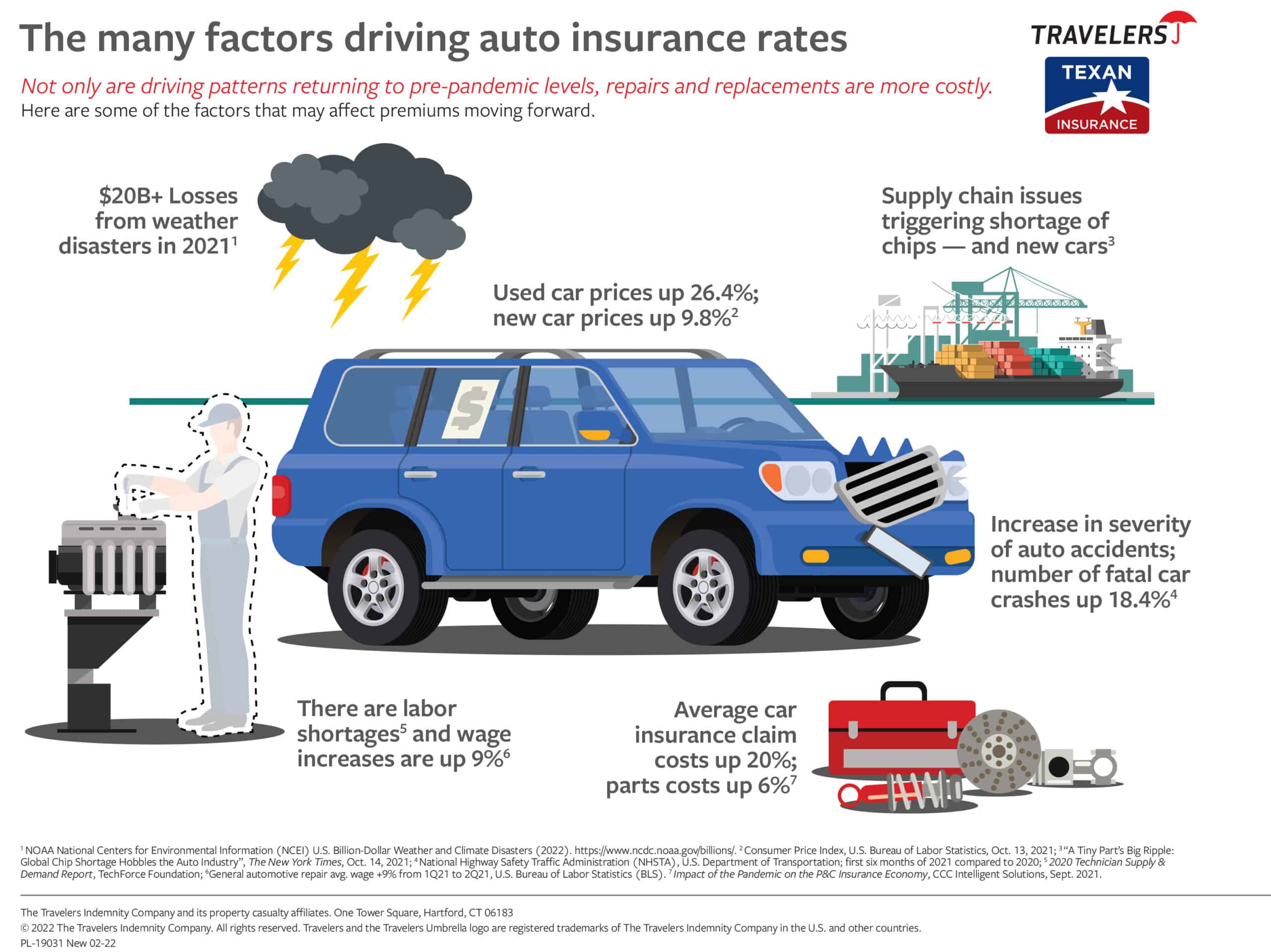
In 2026, the cost of repairing a vehicle has reached record highs. Modern cars are equipped with Advanced Driver Assistance Systems (ADAS)—sensors, cameras, and lidar often located in bumpers and windshields.
Elderly drivers who favor newer, safer vehicles to compensate for age-related decline often find that even a minor "fender bender" in a parking lot now costs $5,000 to $7,000 to repair because of the calibration required for these sensors. When you combine the higher frequency of low-speed "tapping" accidents (common among seniors with depth perception issues) with the high cost of tech-heavy repairs, premiums naturally rise to cover those anticipated costs.
Legal and Jurisdictional Variations
It is important to note that age-based pricing is not legal everywhere. Insurance is regulated at the state level, and some jurisdictions have implemented protections for seniors.
| State/Region Category | Age-Based Rating Status | Impact on Seniors |
|---|---|---|
| Most US States | Allowed | Rates typically begin increasing at age 65-70. |
| California | Restricted | Proposition 103 limits how much age can influence rates; driving record is the primary factor. |
| Hawaii | Prohibited | Insurers are generally barred from using age as a primary rating factor. |
| Massachusetts | Restricted | Strict limits on age-related surcharges, though experience-based ratings still apply. |
Even in states where age-based increases are allowed, many insurers offer "Senior Discounts" for completing certified defensive driving courses, which can offset some of the actuarial increases.
How Seniors Can Combat Rising Insurance Costs
While the biological and statistical trends are difficult to fight, elderly drivers in 2026 have more tools than ever to keep their costs manageable.
Telematics and Usage-Based Insurance (UBI)
The most effective way for a safe senior driver to prove they are an exception to the rule is through telematics. By installing a plug-in device or using a smartphone app, the driver allows the insurer to track actual driving behavior—braking habits, speed, time of day, and total mileage. Since many seniors drive primarily during daylight hours and avoid high-traffic "rush hour" periods, telematics often results in significant discounts (sometimes up to 30% or 40%).
Low-Mileage Discounts
Many seniors are retired and no longer commute. If you drive fewer than 5,000 to 7,500 miles per year, you should ensure your insurer has classified you as a "low-mileage" driver. Some insurers in 2026 offer "pay-per-mile" policies that are ideal for seniors who only use their cars for local errands.
Defensive Driving Courses
Most states mandate that insurance companies provide a discount to drivers over a certain age (usually 55 or 60) who complete an approved accident prevention course. Organizations like AARP and AAA offer these courses both in-person and online. In 2026, these courses often focus specifically on how to use new vehicle safety technology and how to compensate for age-related physical changes.
Vehicle Selection
Driving a high-performance luxury vehicle or a very old car without modern safety features can drive up premiums. Choosing a vehicle with high safety ratings and moderate repair costs—such as a mid-sized sedan or crossover with high-visibility windows—can lead to lower underlying rates.
FAQ: Elderly Auto Insurance in 2026
Does my car insurance automatically go up when I turn 70?
Not necessarily on your birthday, but most insurers re-evaluate age-based risk during the first renewal after you cross certain age thresholds (usually 65, 70, 75, and 80). If you live in a state that allows age-based rating, you will likely see a gradual increase even if your driving record remains clean.
Can an insurance company cancel my policy just because of my age?
No. In the United States, insurance companies cannot cancel your coverage solely based on your age. However, they can choose not to renew a policy at the end of a term if they can demonstrate that your driving ability has become a significant liability risk, or they may increase the premium to a level that reflects that risk.
Are there specific medical conditions I must report to my insurer?
Generally, you do not report medical conditions directly to the insurer, but you are legally required to report conditions that impair driving (like epilepsy or significant vision loss) to your state's Department of Motor Vehicles (DMV). If the DMV restricts your license, your insurance company will adjust your rates or eligibility based on that license status.
Why did my rate go up if I have "Vanishing Deductible" or "Accident Forgiveness"?
Features like accident forgiveness prevent a rate hike after your first at-fault accident. They do not, however, protect you from "base rate" increases that affect your entire age demographic or geographic area. Inflation in medical costs and vehicle parts affects all policyholders, regardless of their individual driving history.
Is "Pay-Per-Mile" insurance a good idea for seniors?
Yes, for many seniors it is the most cost-effective option. If you only drive to the grocery store, pharmacy, or local social events, a pay-per-mile model ensures you aren't subsidizing the risk of high-mileage commuters.
Practical Recommendation
If you are a senior driver facing rising premiums in 2026, your first step should be to request a comprehensive policy review from your agent. Ask specifically about "Usage-Based Insurance" (telematics) programs and verify that your annual mileage estimate is accurate. Additionally, shop around every two years; while some companies penalize age more heavily, others actively court the "low-mileage senior" demographic as a stable, profitable segment of their business.
Image Gallery