How to Sublease an Apartment in Chicago: A Complete Legal and Practical Guide
To sublease an apartment in Chicago, you must first review your lease agreement and then notify your landlord in writing of your intent. Under the Chicago Residential Landlord and Tenant Ordinance (RLTO), landlords are legally required...
To sublease an apartment in Chicago, you must first review your lease agreement and then notify your landlord in writing of your intent. Under the Chicago Residential Landlord and Tenant Ordinance (RLTO), landlords are legally required to accept a reasonable subtenant provided by the current tenant without charging additional "sublease fees." You remain responsible for the lease terms unless the landlord agrees to a formal reletting.
Contents
Subleasing in Chicago is a structured process governed by some of the most tenant-friendly laws in the United States. Whether you are moving for a new job, studying abroad, or simply need to change your living situation before your lease expires in 2026, understanding the intersection of your private contract and the Chicago Residential Landlord and Tenant Ordinance (RLTO) is essential. This guide provides a comprehensive roadmap for navigating the legal requirements, finding a qualified subtenant, and protecting your financial interests.
Understanding the Legal Framework: The RLTO
The most critical factor in a Chicago sublease is determining whether your unit is covered by the RLTO. Most apartments in Chicago are covered, but there is a significant exception: owner-occupied buildings with six or fewer units. If you live in a coach house or a small multi-unit building where the landlord also resides, your rights are dictated strictly by your lease contract rather than the city ordinance.
The Tenant’s Right to Sublease
For RLTO-covered units, Section 5-12-120 specifically addresses subleasing. Unlike many other cities where a landlord can simply say "no," Chicago law mandates that a landlord must allow a tenant to sublease their unit. Specifically, the landlord must accept a "reasonable" subtenant offered by the tenant without any additional cost or fee.
If you find a replacement tenant who meets the landlord's standard screening criteria (such as credit score and income-to-rent ratio), the landlord cannot "unreasonably withhold" consent. If they do, they may be in violation of the ordinance, which could grant you the right to terminate the lease or seek legal remedies.
Fees and Costs
A common point of contention in 2026 remains the "sublet fee." Under the RLTO, if you do the work of finding the subtenant, the landlord cannot charge you a fee for the privilege of subleasing. They are only permitted to charge for actual out-of-pocket costs incurred, such as the price of a credit check for the new applicant. If your landlord attempts to charge a flat $500 "subletting fee" while you are providing the candidate, they are likely violating city law.
Subleasing vs. Reletting: Know the Difference
Before proceeding, you must decide whether you want a true sublease or a reletting agreement. While the terms are often used interchangeably, they carry different legal weights and risks.
| Feature | Subleasing | Reletting (Lease Assignment) |
|---|---|---|
| Primary Responsibility | The original tenant remains liable to the landlord. | The new tenant takes over all liability. |
| Contract Structure | You sign a contract with the subtenant. | The new tenant signs a new lease with the landlord. |
| Security Deposit | You usually keep your deposit with the landlord. | The landlord returns your deposit (less damages). |
| Landlord Involvement | Landlord approves the subtenant but keeps your lease active. | Landlord terminates your lease and starts a new one. |
| Best For | Temporary absences (e.g., a 3-month summer internship). | Permanent moves where you do not intend to return. |
In a sublease, you essentially become a "middleman" landlord. If the subtenant fails to pay rent or damages the unit, the landlord will come to you for the money. In a relet, the landlord terminates your original lease and signs a fresh one with the new person, effectively "releasing" you from all future obligations. Whenever possible, aim for a reletting agreement to minimize your long-term risk.
Step 1: Review Your Lease and Notify Your Landlord
The first step is a thorough audit of your current lease agreement. Look for clauses labeled "Subletting," "Assignment," or "Default." Even if the lease says subletting is prohibited, remember that the RLTO overrules the lease for covered units. However, the lease will often outline the procedure the landlord prefers, such as using a specific application portal.
Once you have reviewed the lease, send a formal Notice of Intent to Sublease via certified mail or a traceable email. This document should include:
- Your intended move-out date.
- The date the sublease would begin and end.
- A request for the landlord’s specific criteria for new tenants (e.g., minimum credit score).
By establishing this paper trail early, you protect yourself against claims that you abandoned the property or breached the contract.
Step 2: Marketing and Finding a Qualified Subtenant
In the 2026 Chicago rental market, demand remains high, but competition for subtenants is stiff. To find a "reasonable" candidate that a landlord cannot reject, you must treat the search like a professional listing.
Where to Post
- Social Media Groups: "Chicago Apartments and Housing" groups on Facebook remain the most active hubs for subleases.
- Third-Party Platforms: Sites like Roomi, Craigslist, and Sublet.com are standard.
- University Boards: If you live near Lincoln Park, Hyde Park, or the Near West Side, posting on internal boards for DePaul, UChicago, or UIC can attract reliable student subtenants.
Creating the Listing
Your listing should be transparent. Include the exact rent, utility costs, move-in fees, and whether the unit is furnished. High-quality photos and a video walkthrough are non-negotiable in 2026. Be sure to mention that the candidate must pass the landlord's background and credit check.
Step 3: Screening the Applicant
While the landlord will likely perform their own screening, you should do a preliminary check to avoid wasting time. A "reasonable" candidate in Chicago typically needs:
- Income Verification: Gross monthly income of at least 3x the monthly rent.
- Credit History: A score typically above 650 (though landlords vary).
- Rental History: No history of evictions or significant property damage.
Ask for copies of recent pay stubs and a government-issued ID. If the applicant seems hesitant to provide these to you, you can suggest they provide them directly to the landlord’s management portal once they are ready to apply.
Step 4: The Sublease Agreement and Documentation
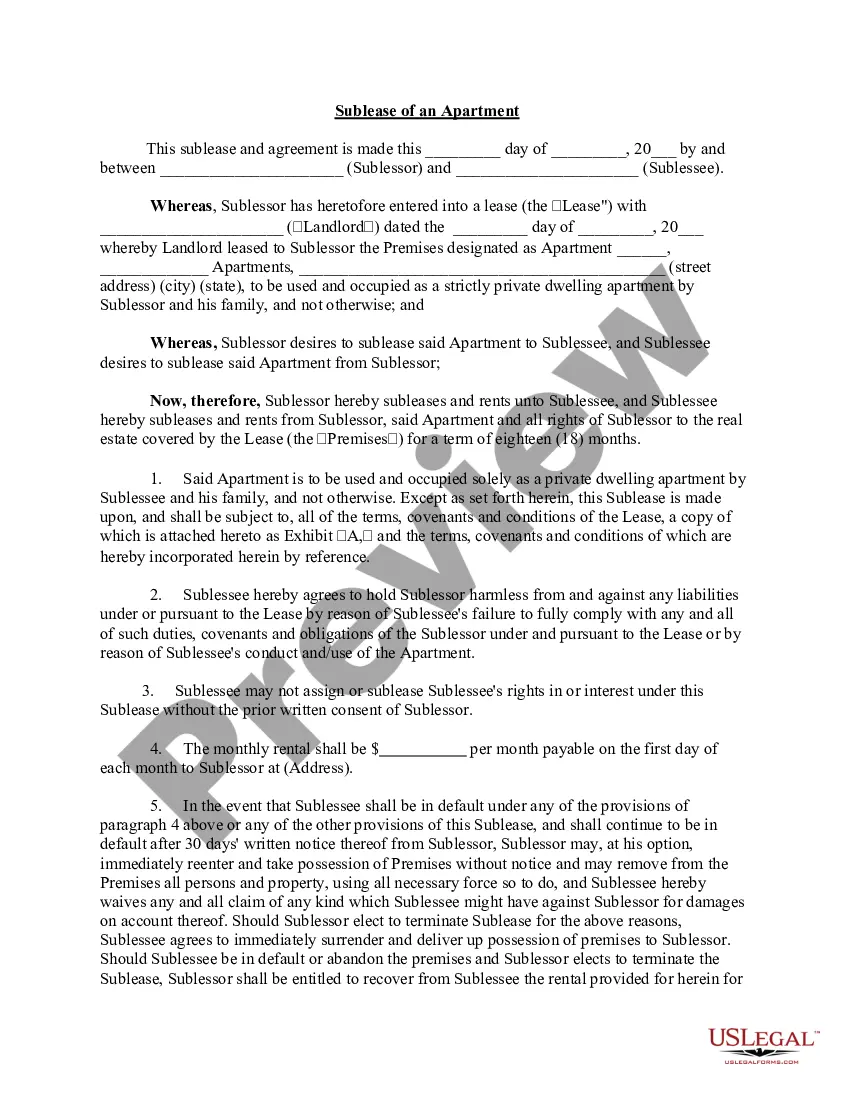
If you are proceeding with a sublease (rather than a relet), you need a written Sublease Agreement. This is a contract between you (the Sublessor) and the new occupant (the Subtenant). It should explicitly state:
- The subtenant must follow all rules in the original master lease.
- The exact amount and due date of rent payments.
- Who is responsible for utilities (electricity, gas, internet).
- The process for handling repairs and maintenance.
The Security Deposit Complication
Handling security deposits in Chicago is legally perilous due to the strict interest-tracking and receipt requirements of the RLTO. Many Chicago landlords have moved toward non-refundable "Move-in Fees" instead of deposits to avoid these headaches.
If you are holding a security deposit from your subtenant, you must comply with the same RLTO rules your landlord follows: provide a receipt, hold the funds in a separate Illinois-based interest-bearing account, and disclose the bank name and address. Because of this complexity, it is often safer to ask for a non-refundable "sublet move-in fee" or to have the subtenant pay you the last month's rent in advance.
Step 5: The Move-In Inspection
On the day the subtenant moves in, perform a joint inspection of the apartment. Use a detailed checklist and take timestamped photos of every room, including the insides of appliances and the condition of the flooring. Both parties should sign the checklist.
This documentation is your only defense if the subtenant causes damage. Since you are still the primary tenant on the master lease, the landlord will deduct damages from your security deposit when the lease eventually ends. Having proof of the unit's condition at the start of the sublease allows you to hold the subtenant accountable in small claims court if necessary.
Common Pitfalls and Troubleshooting
What if the landlord refuses a candidate?
If your landlord rejects a candidate, ask for the reason in writing. Under the RLTO, they can only reject based on "reasonable" business criteria. If the candidate has a 750 credit score and makes 5x the rent, a rejection is likely "unreasonable." In such cases, you may wish to consult with a local organization like the Metropolitan Tenants Organization or a tenant rights attorney.
What if the subtenant stops paying?
This is the greatest risk of subleasing. Because you are the Sublessor, you are responsible for paying the full rent to the landlord even if the subtenant defaults. You would then have to file an eviction action or a lawsuit against your subtenant to recover the funds. This is why many tenants prefer the Reletting option, which severs this liability.
Illegal "Sublet Fees"
As mentioned, some management companies in Chicago attempt to charge "administrative fees" of $300 to $1,000 to process a sublease. If you are covered by the RLTO and you found the tenant yourself, you should politely cite Section 5-12-120 and inform them that such fees are not permitted.
FAQs
Can my landlord prohibit subleasing in Chicago?
If your building is covered by the RLTO, the landlord cannot prohibit subleasing. Any clause in your lease that completely bans subleasing is generally unenforceable in Chicago. The landlord must allow you to sublease to a reasonable candidate.
Who is responsible for repairs during a sublease?
The landlord remains responsible for structural repairs and maintaining "habitability" (heat, water, electricity) as required by the RLTO. However, the subtenant should report issues to you, and you should report them to the landlord, unless the landlord has agreed to communicate directly with the subtenant.
Can I charge my subtenant more than my current rent?
While Illinois law does not strictly forbid "rent arbitrage" (charging more than you pay), many master leases contain clauses that prohibit profiting from a sublease. Additionally, if you are in an affordable housing unit or a rent-regulated building, there may be specific legal prohibitions against charging a premium.
Do I need to tell my roommates if I'm subleasing?
Yes. Most leases are "joint and several," meaning all tenants are collectively responsible for the full rent. Your roommates generally have a right to approve who they are living with, and many sublease agreements are not valid without the signatures or consent of all original tenants listed on the lease.
What happens if the subtenant won't move out at the end of the lease?
This is known as a "holdover" situation. You could be held liable for the landlord's lost rent and legal fees if your subtenant refuses to leave. To prevent this, ensure your sublease agreement ends 2-3 days before your master lease ends, allowing you time to verify the unit is vacant.
Practical Recommendation
If you are planning to sublease in Chicago in 2026, your first priority should be to negotiate a reletting (lease assignment) rather than a traditional sublease. By having the new tenant sign a direct contract with the landlord, you eliminate the risk of being held responsible for their potential damages or unpaid rent. If the landlord insists on a sublease, ensure you vet the candidate as thoroughly as a professional landlord would, and keep meticulous records of all communications and property conditions.
Image Gallery