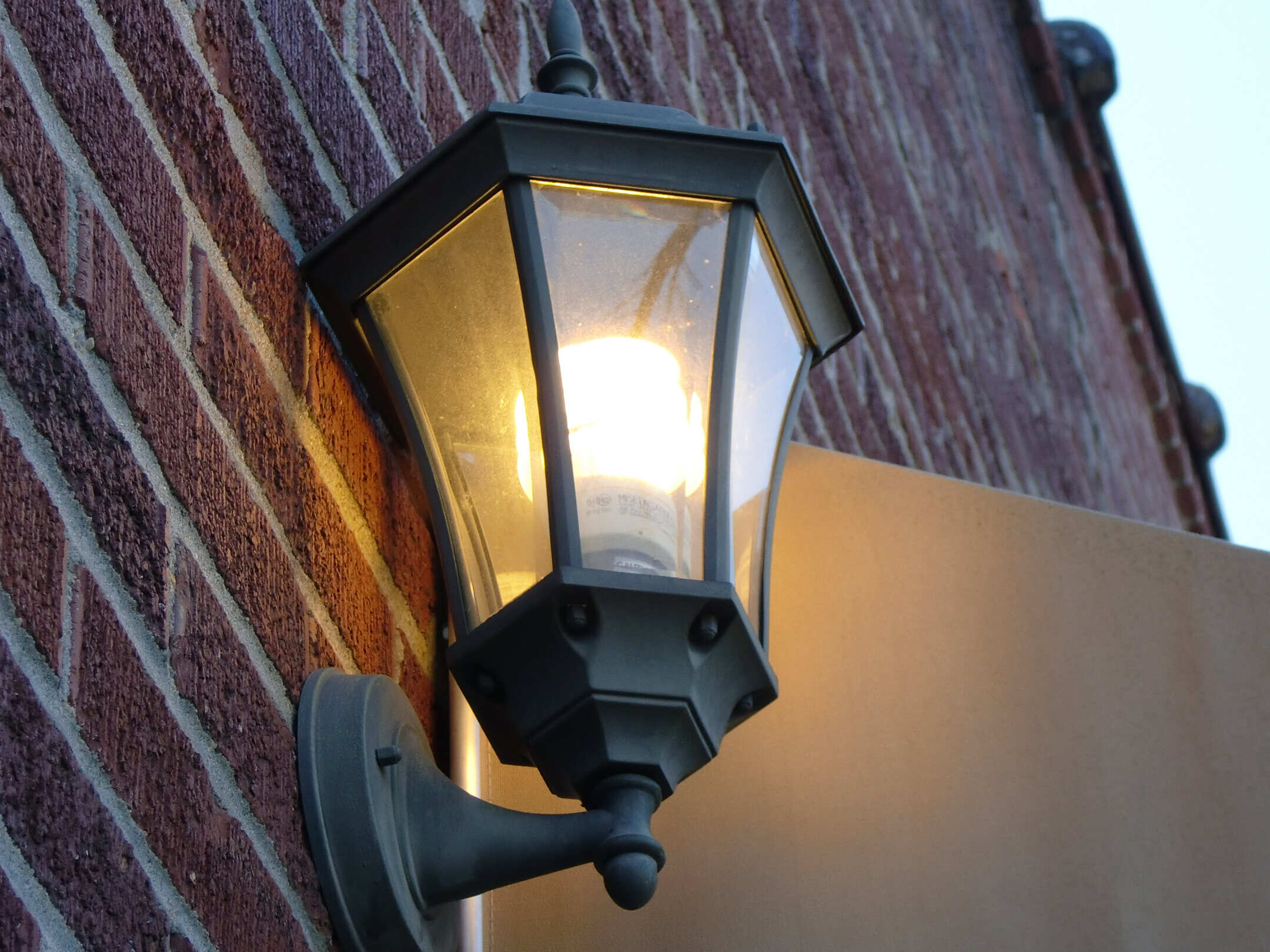
How Sensor Porch Lanterns Change Nighttime Lighting
Sensor porch lanterns change nighttime lighting by automating the activation of light based on environmental conditions or movement. Using integrated photocells for ambient light detection and Passive Infrared (PIR) sensors for motion,...
Sensor porch lanterns change nighttime lighting by automating the activation of light based on environmental conditions or movement. Using integrated photocells for ambient light detection and Passive Infrared (PIR) sensors for motion, these fixtures eliminate the need for manual switching, significantly enhance home security, reduce energy waste, and minimize local light pollution.
Contents
The traditional porch light was once a binary choice: either left on all night, wasting electricity and contributing to glare, or left off, leaving the entryway dark and uninviting. In 2026, the landscape of residential exterior lighting has shifted toward intelligent, responsive fixtures. Sensor-equipped lanterns have moved from being specialty security items to standard household features. By understanding how these sensors interact with the environment, homeowners can better manage their property's safety, aesthetic appeal, and utility costs.
Understanding the Core Technology: Motion and Light Sensors
To understand how these fixtures change the nighttime experience, one must first distinguish between the two primary types of sensing technology often found in modern lanterns. Most high-quality fixtures in 2026 utilize a combination of both to provide a seamless transition from day to night.
PIR (Passive Infrared) Technology
The most common motion sensor used in porch lanterns is the Passive Infrared (PIR) sensor. Unlike active sensors that emit waves, a PIR sensor is "passive" because it simply detects heat signatures (infrared radiation) emitted by objects. When a person, animal, or vehicle enters the sensor's field of view, it detects the change in heat levels across its segments and triggers the light.
This technology is highly effective because it ignores inanimate movement, such as a branch swaying in the wind, provided the branch is the same temperature as the surrounding air. However, PIR sensors can be sensitive to environmental shifts; for example, on a very hot night where the ambient temperature is close to human body temperature, the sensor’s "contrast" is lower, requiring the subject to be closer to trigger the light.
Photocell (Dusk-to-Dawn) Sensors
A photocell is a light-sensitive resistor. When hit by photons (sunlight), its resistance changes, signaling the fixture to remain off. As the sun sets and light levels drop below a certain threshold—measured in lux—the circuit closes and allows power to reach the bulb.
The integration of photocells ensures that motion sensors do not trigger the light during the day, which would be a redundant use of energy. By 2026, many sensors are calibrated to account for artificial light interference, preventing the "flicker effect" where the lantern’s own light might trick the sensor into thinking it is daytime, causing it to shut off and then immediately turn back on.
Transforming Security and Safety at the Entryway
One of the most significant changes sensor lanterns bring to nighttime lighting is the element of surprise and localized illumination. Constant, stagnant lighting can actually aid an intruder by providing consistent shadows to hide in and illuminating the path for them.
The Psychological Impact of Motion Activation
When a sensor lantern snaps on as someone approaches, it creates a psychological deterrent. The sudden change in the environment signals that the property is "aware" of a presence. In residential security, this is often more effective than a light that is always on, as neighbors are more likely to notice a light that has just turned on than one that has been glowing for hours.
Safety for Residents and Guests
Beyond security, sensor lanterns change the functional safety of a home. For residents returning home with groceries or guests navigating an unfamiliar walkway, the automatic illumination of steps, keyholes, and obstacles prevents trips and falls. In 2026, many models feature "dual-level" lighting. These fixtures stay at a low, dimmed level (around 10-20% brightness) throughout the night for curb appeal, then ramp up to 100% brightness when motion is detected within a 30-foot range. This provides constant "wayfinding" light without the harshness of a full-power floodlight.
Energy Efficiency and Environmental Impact
The shift toward sensor-based lighting is a primary driver in reducing residential carbon footprints. In the past, a 60-watt incandescent porch light left on for 10 hours a night would consume significant energy over a year. Even with the transition to LED, leaving a light on 24/7 is inefficient.
Precision Energy Consumption
Sensor lanterns ensure that high-intensity light is only used when needed. Modern LED sensor lanterns typically draw less than 1 watt in "standby" mode while waiting for motion. When triggered, they use 8 to 12 watts to produce the equivalent light of an old 75-watt bulb. Because the light is only at full power for a fraction of the night (usually 1 to 5 minutes per trigger), the cumulative energy savings are substantial.
Reducing Light Pollution and "Dark Sky" Compliance
Excessive nighttime lighting contributes to light pollution, which disrupts local ecosystems and human circadian rhythms. Sensor lanterns change this dynamic by keeping the neighborhood dark when no activity is present. Many 2026 models are designed with "Dark Sky" compliance in mind—meaning they are shielded to direct light downward (cutoff fixtures) and only activate when necessary. This preserves the visibility of the night sky and prevents "light trespass" into neighbors' bedroom windows.
Technical Comparison of Porch Lighting Modes
The following table compares the different ways porch lanterns handle nighttime lighting to help homeowners choose the right logic for their needs.
| Lighting Mode | Technology Used | Best For | Energy Efficiency | Security Value |
|---|---|---|---|---|
| Manual Switch | Standard Circuit | High-traffic parties | Low (often left on) | Minimal |
| Dusk-to-Dawn | Photocell only | Commercial/Consistent glow | Moderate | Moderate (constant light) |
| Motion Only | PIR Sensor | Utility areas/Side doors | High | High (sudden activation) |
| Dual-Level Dimming | PIR + Photocell + Dimmer | Main entryways/Curb appeal | High | Excellent (active response) |
| Smart Integration | Wi-Fi/Matter/PIR | Tech-heavy homes/Remote monitoring | Very High | Maximum (app alerts) |
Installation and Optimal Placement
How a sensor lantern changes your nighttime environment depends heavily on how it is installed. Improper placement can lead to "nuisance tripping"—where the light turns on for no reason—or "blind spots" where the light fails to activate when a person is present.
- Mounting Height: Most manufacturers recommend a mounting height of 6 to 8 feet. If mounted too high, the PIR sensor may not detect the heat signature of someone walking directly under it. If too low, the field of detection is restricted.
- Field of View: Modern sensors typically offer a 180-degree to 240-degree detection zone. The lantern should be positioned so the sensor's "eyes" have a clear line of sight to the primary approach path.
- Avoiding Heat Sources: Because PIR sensors detect heat, they should not be placed near dryer vents, air conditioning exhaust units, or even large reflective surfaces that catch the midday sun and retain heat into the evening. These can cause the light to stay on or trigger falsely.
- Sensitivity Adjustments: In 2026, most lanterns include a "Sensitivity" or "Range" dial. Homeowners should test this during the first few nights to ensure the light doesn't trigger for street traffic but does trigger as soon as someone enters the driveway.
The Evolution of Smart Porch Lighting in 2026
By 2026, the definition of a "sensor lantern" has expanded to include smart home integration via protocols like Matter and Thread. These lanterns do more than just turn on a bulb; they act as nodes in a home security ecosystem.
When a smart sensor lantern detects motion at 3:00 AM, it can simultaneously turn on the porch light, send a notification to the owner’s smartphone, and signal an indoor hallway light to turn on at a 5% "nightlight" level. This creates a "lived-in" appearance that suggests someone inside has been alerted, even if they are asleep. Furthermore, AI-driven filtering in these sensors can now distinguish between a human, a pet, and a swaying tree branch with near-perfect accuracy, virtually eliminating the annoyance of false triggers that plagued older generations of motion lights.
Common Challenges and Troubleshooting
While sensor lanterns are transformative, they are not without technical quirks. Understanding these can prevent frustration.
- "Ghost" Triggers: Often caused by sudden temperature changes or small animals. Cleaning the sensor lens with a damp cloth can help, as dust or spider webs can sometimes interfere with the PIR segments.
- The Light Won't Turn Off: This is often caused by the lantern being in "Manual Override" mode. Most sensor lights can be forced to stay on by toggling the wall switch off and on rapidly. To reset it to sensor mode, turn the switch off for at least 30 seconds and then back on.
- Flickering: This usually happens when an incompatible LED bulb is used in a fixture designed for older dimming technology, or if the light from the bulb is reflecting back into the photocell. Ensure you use "sensor-compatible" or "dimmable" LED bulbs as specified by the manufacturer.
Summary and Practical Recommendation
Sensor porch lanterns represent a fundamental shift in how we manage the transition between day and night at our doorsteps. They offer a rare "win-win-win" scenario: they provide better security through active response, save money through automated efficiency, and reduce environmental impact by keeping the night dark when activity is absent.
For most homeowners in 2026, the best recommendation is a dual-level LED lantern with a wide-angle PIR sensor. This configuration provides a welcoming, low-level glow for aesthetic purposes while maintaining the high-intensity security response that modern homes require. When purchasing, look for fixtures with adjustable "on-time" settings (to control how long the light stays bright) and "range" controls to tailor the sensor to your specific property layout.
Image Gallery