Why You Should Choose a Local Foundation Repair Contractor in Green Bay
Choosing a local foundation repair contractor in Green Bay ensures your home receives specialized care tailored to Northeast Wisconsin’s unique clay soils and extreme freeze-thaw cycles. Local experts provide faster response times, dee...
Choosing a local foundation repair contractor in Green Bay ensures your home receives specialized care tailored to Northeast Wisconsin’s unique clay soils and extreme freeze-thaw cycles. Local experts provide faster response times, deep knowledge of municipal building codes, and a level of community accountability that national franchises often lack, ultimately protecting your home’s structural integrity and long-term value.
Contents
The Critical Role of Regional Expertise in Foundation Stability
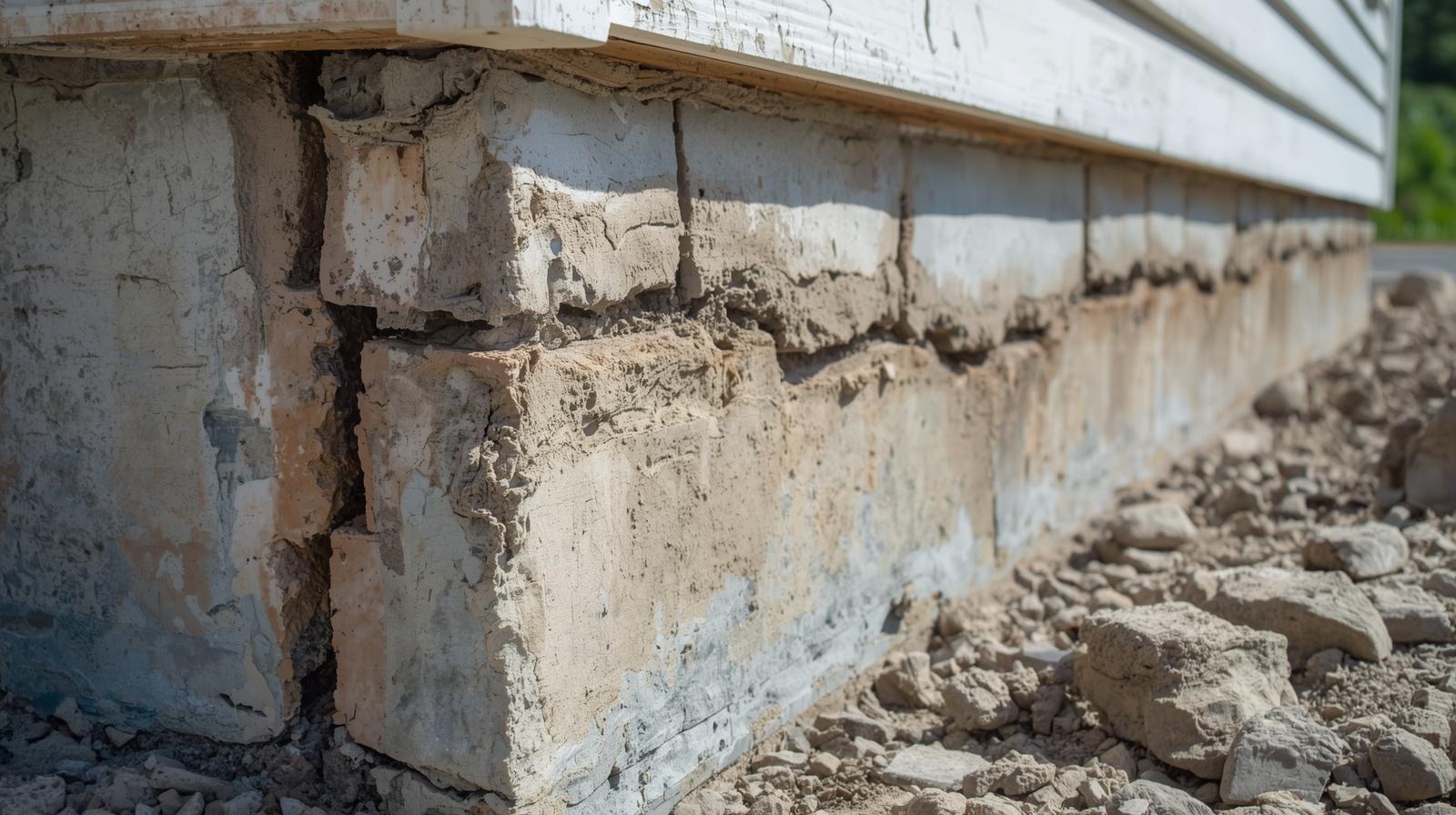
When a homeowner in Green Bay notices cracks in their basement walls or a sticking door on the first floor, the natural instinct is to call the largest name in the industry. However, foundation repair is not a "one-size-fits-all" service. The geological and climatic conditions in the Fox River Valley are distinct from those in the Midwest at large, and certainly different from the national standards used by out-of-state corporations.
As of 2026, the demand for specialized foundation services has increased as older homes in neighborhoods like Astor Park and the Near West Side face the cumulative effects of decades of Wisconsin winters. A local contractor does not just see a crack; they see the result of specific environmental pressures unique to the 54301 through 54313 zip codes. They understand the "why" behind the damage, which is the first step in providing a permanent "how" for the repair.
Mastery of Green Bay’s Unique Soil Composition
The primary reason to prioritize a local specialist is their intimate familiarity with the soil. Green Bay sits atop heavy, expansive clay—often referred to as "Wisconsin Red Clay." This soil type is notorious for its high water retention and significant volume changes. When it rains heavily or snow melts in the spring, the clay absorbs water and expands, exerting massive lateral pressure (hydrostatic pressure) against foundation walls. Conversely, during dry spells, the clay shrinks, leaving voids that cause foundations to settle or shift.
A local contractor knows exactly how the soil behaves in different parts of the city. For instance, properties closer to the Bay of Green Bay or the Fox River may deal with higher water tables and siltier soil conditions compared to the more elevated areas of Howard or Bellevue. National contractors often use generalized piering or anchoring depths based on national averages. A local expert, however, knows that in Green Bay, you must often drive piers deeper to reach stable load-bearing strata or bedrock, ensuring the house remains level despite the volatile upper soil layers.
Navigating the Wisconsin Freeze-Thaw Cycle
In 2026, Green Bay remains one of the most challenging environments for concrete and masonry due to the severe freeze-thaw cycles. The frost line in Northeast Wisconsin can reach depths of four feet or more. When moisture in the soil freezes, it expands with incredible force, a process known as frost heave. This can lift entire sections of a foundation or cause basement walls to bow inward.
Local contractors design their repair strategies with these specific thermal stresses in mind. They are more likely to recommend solutions like carbon fiber straps for wall reinforcement or heavy-duty helical piers that are specifically rated for the torque required to penetrate the frozen Green Bay tundra. They also understand the timing of repairs; they know when the ground is likely to be "workable" and how to manage site drainage during the messy spring thaw to prevent further erosion during the project.
Compliance with Local Building Codes and Permitting
The City of Green Bay and Brown County have specific requirements for structural alterations. The Wisconsin Uniform Dwelling Code (UDC) sets the baseline, but local inspectors in Green Bay often have particular preferences for how reinforcement systems are installed and documented.
A local contractor likely has a long-standing relationship with the Green Bay Building Inspection Division. They know exactly which permits are required for helical pier installation, basement wall bracing, or egress window cutting. This familiarity prevents costly delays. If an inspector has a question about a structural plan, a local contractor can often resolve it with a single phone call or a quick visit to the City Hall on Jefferson Street. A national firm may struggle with these localized nuances, leading to permit rejections or "stop-work" orders that can leave your basement exposed and your project in limbo for weeks.
Accountability and Community Reputation
In a community the size of Green Bay, reputation is the most valuable currency a contractor possesses. National franchises rely on massive marketing budgets to generate leads, often cycling through subcontractors who may not have a long-term stake in the community. If a repair fails three years down the line, getting a national company to honor a warranty can involve navigating a maze of corporate call centers and regional managers.
Conversely, a local contractor’s business survives on word-of-mouth and local reviews. They are your neighbors; they shop at the same grocery stores and attend the same Packers games. This proximity creates a natural incentive for high-quality work and responsive customer service. If a follow-up is needed, a local crew is only a few miles away, not in a different state. They are more likely to stand behind their "transferable lifetime warranties" because their brand's survival in the Fox Valley depends on it.
Comparing Local Contractors vs. National Franchises
| Feature | Local Green Bay Contractor | National Franchise / Chain |
|---|---|---|
| Soil Knowledge | Expert (Wisconsin Red Clay specialist) | General (Standard Midwest profiles) |
| Response Time | High (Usually 24-48 hours) | Variable (Depends on regional dispatch) |
| Permit Speed | Fast (Established local relationships) | Slower (Learning local requirements) |
| Customization | Tailored to specific Green Bay neighborhoods | Standardized "kit" solutions |
| Accountability | Local office, community-based reputation | Corporate HQ, often uses subcontractors |
| Pricing | Competitive with lower overhead | May be higher due to franchise fees |
Specialized Technical Solutions for the Region
Local Green Bay contractors have refined their technical offerings to meet the specific demands of the 2026 housing market. These aren't just generic repairs; they are engineered solutions for the Northwoods.
Helical Piering for Wisconsin Bedrock
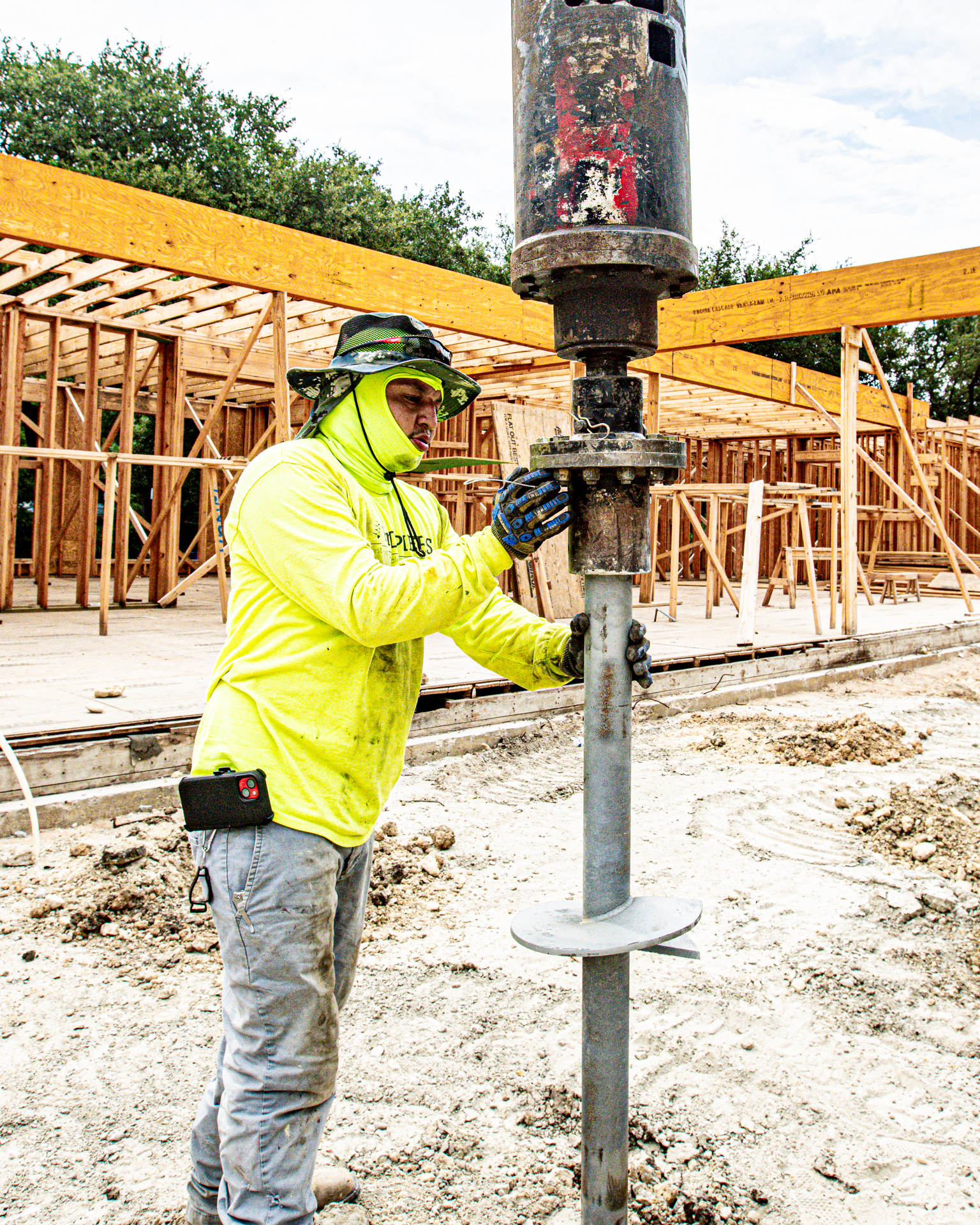
In areas of Green Bay where the clay is particularly unstable, local contractors use helical piers—large steel screws—that are driven deep into the earth until they hit a load-bearing strata. Because local contractors understand the depth of the local bedrock, they can provide more accurate estimates and ensure the piers are not "short-piled," which is a common failure point for inexperienced crews.
Polyurethane Injection for Sinking Slabs
For sinking driveways, garage floors, or sidewalks, local experts often utilize high-density polyurethane injection (foam leveling). This is particularly effective in Green Bay because the foam is waterproof and does not add significant weight to the sensitive clay soils, unlike traditional "mudjacking" which uses a heavy grout mixture that can actually cause further sinking in the long run.
Hydrostatic Pressure Relief Systems
Many Green Bay basements suffer from "weeping" walls. A local contractor will often recommend an internal drainage system (French drain) combined with a high-capacity sump pump. They know which pumps can handle the heavy volume of a Wisconsin spring and how to discharge the water safely according to Green Bay municipal ordinances, which strictly regulate where sump pump water can be directed to prevent ice patches on public sidewalks.
How to Verify a Green Bay Foundation Contractor
Before signing a contract, homeowners should perform due diligence to ensure their "local" contractor is truly qualified. In 2026, the following steps are essential:
- Check the DSPS License: Ensure the contractor holds a valid "Dwelling Contractor" or "Dwelling Contractor Qualifier" certification from the Wisconsin Department of Safety and Professional Services.
- Verify Insurance: Ask for proof of general liability and workers' compensation insurance. Foundation work is high-risk; you do not want to be liable for injuries on your property.
- Local References: Ask for addresses of projects completed within the last 12 months specifically in Green Bay, De Pere, or Ashwaubenon. A reputable contractor will have no trouble providing local satisfied customers.
- Review the Warranty: Ensure the warranty is written, covers both parts and labor, and is transferable if you sell the home. In the Green Bay real estate market, a foundation repair with a transferable warranty can actually maintain or even increase the home’s resale value.
FAQs
How much does foundation repair typically cost in Green Bay?
In 2026, minor crack injections may cost between $800 and $1,500, while major structural stabilization using piers can range from $10,000 to $30,000 or more, depending on the number of piers required. Local contractors often provide more accurate quotes because they can better anticipate the soil conditions and the depth of the piers needed for the specific area.
Why does my Green Bay basement leak every spring?
This is usually due to the "clay bowl" effect. When your house was built, the soil excavated and then backfilled around the foundation was looser than the virgin soil. This creates a pocket where meltwater from Wisconsin's heavy snowpacks accumulates, creating hydrostatic pressure that forces water through tiny cracks or the "cove joint" where the floor meets the wall.
Can foundation repair be done during a Green Bay winter?
Yes, foundation repair can often be performed in the winter, though it may be more complex. Interior work, such as installing wall braces or internal drainage systems, is unaffected by the weather. For exterior work, local contractors use specialized equipment to break through the frost layer. Working in winter can sometimes even be beneficial as the ground is frozen and stable, preventing cave-ins during excavation.
Are national foundation repair methods worse than local ones?
Not necessarily "worse," but often less optimized. National companies use standardized products designed to work in a variety of climates. A local contractor has the freedom to choose the best specific product for Green Bay's clay and frost, rather than being forced to use a proprietary franchise-specific tool that might not be the ideal fit for the local geology.
How long does a typical foundation repair take in Green Bay?
Most residential foundation repairs in the area are completed within 3 to 7 business days. Local contractors can often adhere to these timelines more strictly because they have their crews and equipment staged within the Fox Valley, reducing delays caused by travel or equipment transport.
Final Recommendation for Homeowners
If you suspect your home has structural issues, do not wait for the next heavy rain or thaw cycle. Contact a reputable local foundation repair contractor in Green Bay for a professional inspection. Prioritize firms that offer an engineering-first approach and can explain how their solutions account for the specific challenges of Wisconsin Red Clay and the 48-inch frost line. By choosing local, you are investing in specialized expertise and ensuring your home remains a safe, stable asset for decades to come.
Image Gallery