Exploring the Toyota Corolla: The Definitive Compact Car in 2026
The Toyota Corolla is a globally recognized compact car that balances fuel efficiency, reliability, and practical dimensions. Classified within the automotive C-segment, it provides significantly more interior volume than subcompacts w...
The Toyota Corolla is a globally recognized compact car that balances fuel efficiency, reliability, and practical dimensions. Classified within the automotive C-segment, it provides significantly more interior volume than subcompacts while remaining more maneuverable and affordable than mid-size sedans, making it a benchmark for the modern automotive industry.
Contents
Understanding Vehicle Classification: Why the Corolla is a Compact Car
In the automotive world, the term "compact car" is not merely a descriptive label; it is a specific classification governed by interior volume and exterior dimensions. According to the United States Environmental Protection Agency (EPA) standards, a compact car is defined as having a combined passenger and cargo volume of between 100 and 109.9 cubic feet. The Toyota Corolla consistently occupies this space, offering a footprint that is ideal for both urban commuting and highway travel.
The Corolla’s classification as a compact car places it in the C-segment. This segment is the "sweet spot" for many drivers in 2026. It is smaller than "mid-size" cars (D-segment) like the Toyota Camry, which typically offer 110 to 119.9 cubic feet of volume. Conversely, it is larger than "subcompact" cars (B-segment) like the discontinued Toyota Yaris or the Nissan Versa. This positioning allows the Corolla to provide enough legroom for four to five adults while maintaining a short enough wheelbase to make parallel parking in tight city spaces effortless.
Engineered on the Toyota New Global Architecture (TNGA) platform, the modern Corolla maximizes its compact dimensions. The TNGA platform allows for a lower center of gravity and a more rigid body structure, which translates to better handling and safety without needing the massive footprint of a full-size vehicle. In 2026, as urban density continues to increase, the Corolla’s ability to offer a "big car" feel inside a "small car" exterior remains its primary selling point.
The Evolution of the Corolla Through 2026
Since its introduction in 1966, the Toyota Corolla has evolved through more than twelve generations. By 2026, it has solidified its status as the best-selling nameplate in automotive history, surpassing 50 million units sold worldwide. This longevity is not accidental; it is the result of Toyota’s "Kaizen" philosophy of continuous improvement.
In the 2026 market, the Corolla has transitioned from a basic economy car into a sophisticated, tech-forward vehicle. While early generations were prized solely for their "bulletproof" engines and low purchase price, the current iteration focuses on three pillars: electrification, connectivity, and safety.
The Shift to Hybrid Dominance
As of 2026, the Corolla lineup is heavily skewed toward hybridization. Toyota’s Fifth-Generation Hybrid System is now the standard powertrain for most trims. This system pairs a high-efficiency 1.8-liter or 2.0-liter four-cylinder engine with powerful electric motors. This shift has redefined what a compact car can achieve, pushing fuel economy ratings toward the 50 MPG mark in combined city and highway driving. This efficiency is a critical component of the compact car value proposition, reducing the total cost of ownership (TCO) over the vehicle's lifespan.
Digital Integration and User Experience
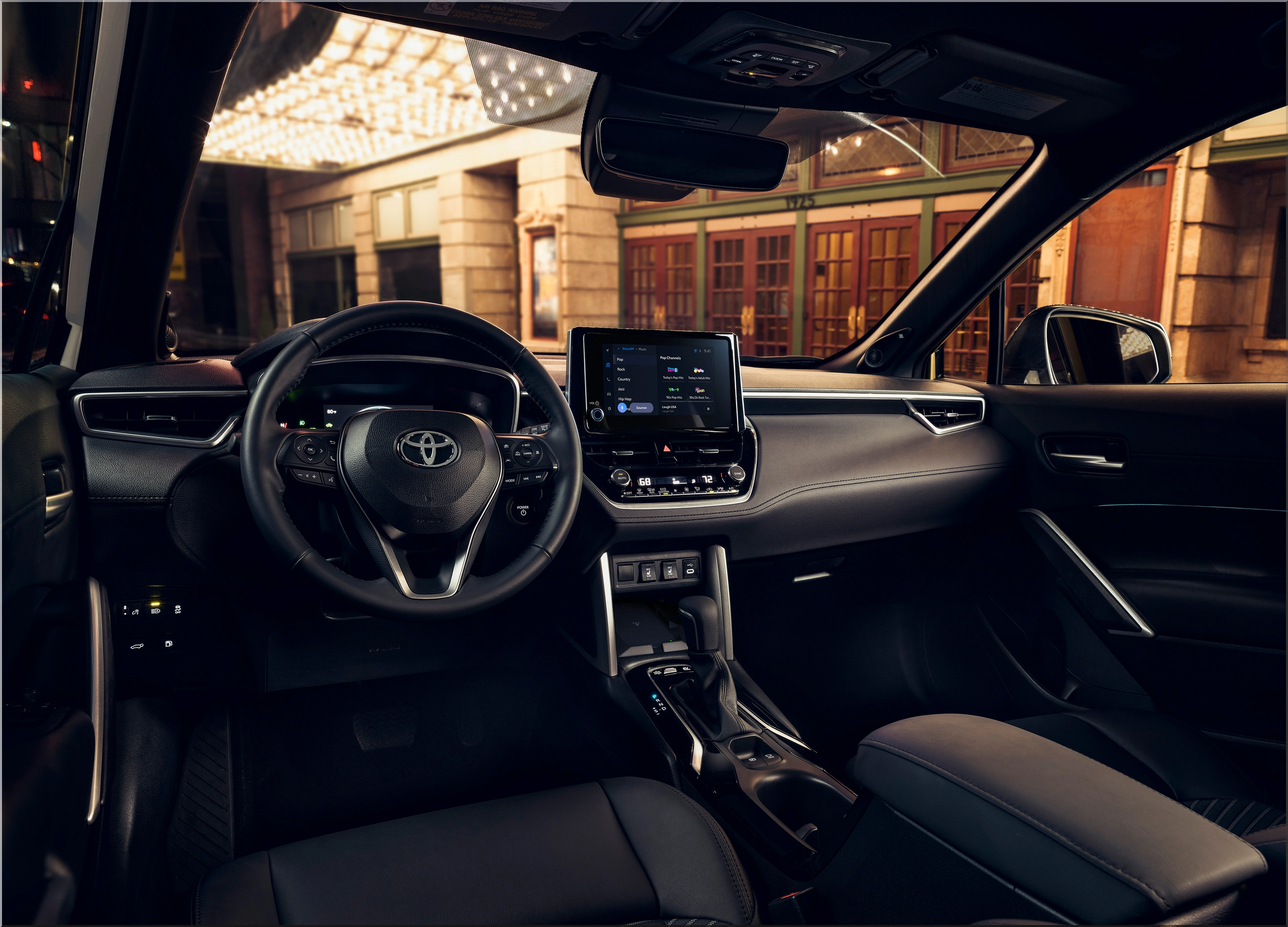
The 2026 Corolla features an advanced infotainment suite that reflects its role as a modern commuter's hub. Standard features now include wireless Apple CarPlay and Android Auto, integrated Google-based navigation, and over-the-air (OTA) software updates. These updates allow the vehicle's systems to improve over time, a feature once reserved for luxury EVs but now standard in the compact segment.
Key Specifications and Performance Benchmarks
When evaluating a compact car, performance is measured by efficiency, smoothness, and reliability rather than raw horsepower. The 2026 Corolla offers several configurations designed to meet different driver needs.
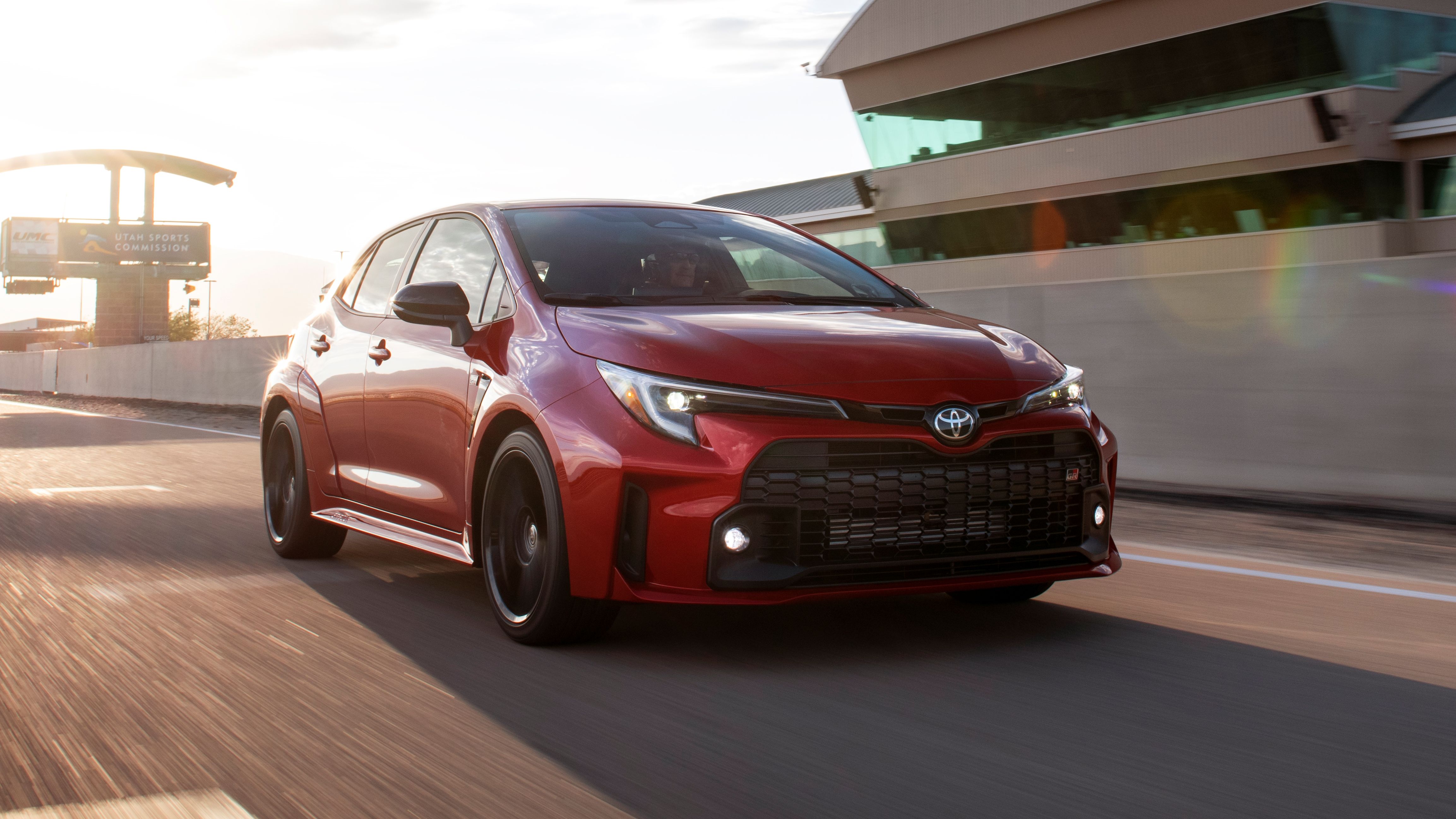
| Feature | 2026 Corolla Sedan (Hybrid) | 2026 Corolla Hatchback | 2026 GR Corolla (Performance) |
|---|---|---|---|
| Engine | 1.8L Hybrid 4-Cylinder | 2.0L Dynamic Force 4-Cylinder | 1.6L Turbocharged 3-Cylinder |
| Horsepower | 138 hp (System Total) | 169 hp | 300 hp |
| Drivetrain | FWD or Electronic AWD | FWD | GR-FOUR All-Wheel Drive |
| EPA MPG (Est.) | 50 City / 43 Highway | 32 City / 41 Highway | 21 City / 28 Highway |
| Cargo Space | 13.1 Cubic Feet | 17.8 Cubic Feet | 17.8 Cubic Feet |
| Safety Suite | Toyota Safety Sense 3.0+ | Toyota Safety Sense 3.0+ | Toyota Safety Sense 3.0+ |
Handling and Ride Quality
The use of a multi-link rear suspension in the 2026 Corolla distinguishes it from some competitors that use a simpler, less refined torsion beam setup. This engineering choice allows the Corolla to absorb road imperfections more effectively, providing a ride quality that mimics larger, more expensive sedans. For a compact car, the reduction in road noise and "harshness" is a significant achievement that enhances long-distance comfort.
The Compact Segment Rivalry: Corolla vs. Competitors
The compact car market remains one of the most competitive sectors in the automotive industry. While SUVs have gained market share, the efficiency and value of sedans like the Corolla keep them relevant. The Corolla’s primary rivals include the Honda Civic, Hyundai Elantra, and Mazda3.
Corolla vs. Honda Civic
The Honda Civic is the Corolla’s most direct rival. Historically, the Civic is marketed toward drivers who prioritize "fun-to-drive" dynamics and a sporty aesthetic. In 2026, the Civic continues to offer a slightly more engaging steering feel. However, the Corolla often wins on pure practicality and the proven longevity of its hybrid system. While the Civic has a hybrid variant, Toyota’s decades of experience with the Hybrid Synergy Drive give it a perceived edge in long-term reliability.
Corolla vs. Hyundai Elantra
The Hyundai Elantra competes on technology and value. It often includes more high-tech features at a lower entry price and carries a longer 10-year/100,000-mile powertrain warranty. Despite this, the Corolla maintains higher resale values. Many buyers in 2026 choose the Corolla because the "Toyota" brand name acts as a form of insurance against depreciation.
Corolla vs. Mazda3
The Mazda3 targets the "premium compact" niche. With a more luxurious interior and a focus on driving enthusiasts, it feels like a tier above the Corolla in terms of material quality. However, it lacks the fuel efficiency of the Corolla Hybrid and has a more cramped rear seat, making the Corolla the superior choice for those who frequently carry passengers.
Safety: The Standard for Modern Compacts
In 2026, safety is no longer an optional luxury. Every Toyota Corolla comes equipped with Toyota Safety Sense (TSS). This suite of active safety features uses cameras and radar to monitor the environment around the vehicle.
Key features of the 2026 TSS include:
- Pre-Collision System with Pedestrian Detection: This system can automatically apply the brakes if it detects a potential collision with a vehicle, pedestrian, or cyclist.
- Full-Speed Range Dynamic Radar Cruise Control: Ideal for highway commuting, this maintains a set distance from the car ahead, even in stop-and-go traffic.
- Lane Tracing Assist: Provides gentle steering inputs to keep the car centered in its lane.
- Proactive Driving Assist: A newer addition that provides gentle braking into curves or steering help to maintain distance between the car and a preceding vehicle or pedestrian.
These features contribute to the Corolla’s consistent "Top Safety Pick" ratings from the Insurance Institute for Highway Safety (IIHS). For a compact car, providing this level of protection is essential for families and young drivers alike.
Ownership Costs and Long-Term Value
The primary reason a Corolla is often cited as the best compact car is its Total Cost of Ownership (TCO). When purchasing a vehicle in 2026, savvy buyers look beyond the sticker price to consider insurance, maintenance, fuel, and depreciation.
- Maintenance: Toyota includes "ToyotaCare" with new purchases, which covers factory-scheduled maintenance for the first two years or 25,000 miles. Beyond that, the Corolla's simple mechanical layout means parts are widely available and relatively inexpensive compared to European competitors.
- Resale Value: The Corolla traditionally holds its value better than almost any other vehicle in its class. According to data from organizations like Kelley Blue Book, a five-year-old Corolla often retains a significantly higher percentage of its original MSRP than its domestic or Korean counterparts.
- Fuel Savings: With the 2026 Hybrid models averaging 45-50 MPG, the annual fuel cost is hundreds of dollars lower than the national average for new vehicles.
Common Misconceptions About Compact Cars
Despite its popularity, several misconceptions persist about the Corolla and the compact segment in general.
- "Compact cars are unsafe in crashes with SUVs." While physics dictates that mass matters, modern crumple zones and side-impact protection in the 2026 Corolla are designed specifically to interact with the bumper heights of larger SUVs. High-strength steel and multiple airbags have narrowed the safety gap significantly.
- "The Corolla is too slow for the highway." While the Corolla is not a sports car, the immediate torque from the electric motor in the Hybrid models provides surprisingly quick "off-the-line" acceleration, making merging into highway traffic seamless.
- "There isn't enough room for a family." While a family of five with three teenagers might feel cramped, the Corolla is perfectly adequate for families with younger children. The LATCH system for car seats is easily accessible, and the trunk is deep enough to hold a full-sized stroller.
Frequently Asked Questions
Is the Toyota Corolla considered a small or mid-size car?
The Toyota Corolla is officially classified as a compact car. This classification is based on its interior volume (passenger and cargo space), which falls between 100 and 109.9 cubic feet. It is larger than a subcompact (like the Mirage) but smaller than a mid-size car (like the Camry).
What is the difference between the Corolla Sedan and the Corolla Hatchback?
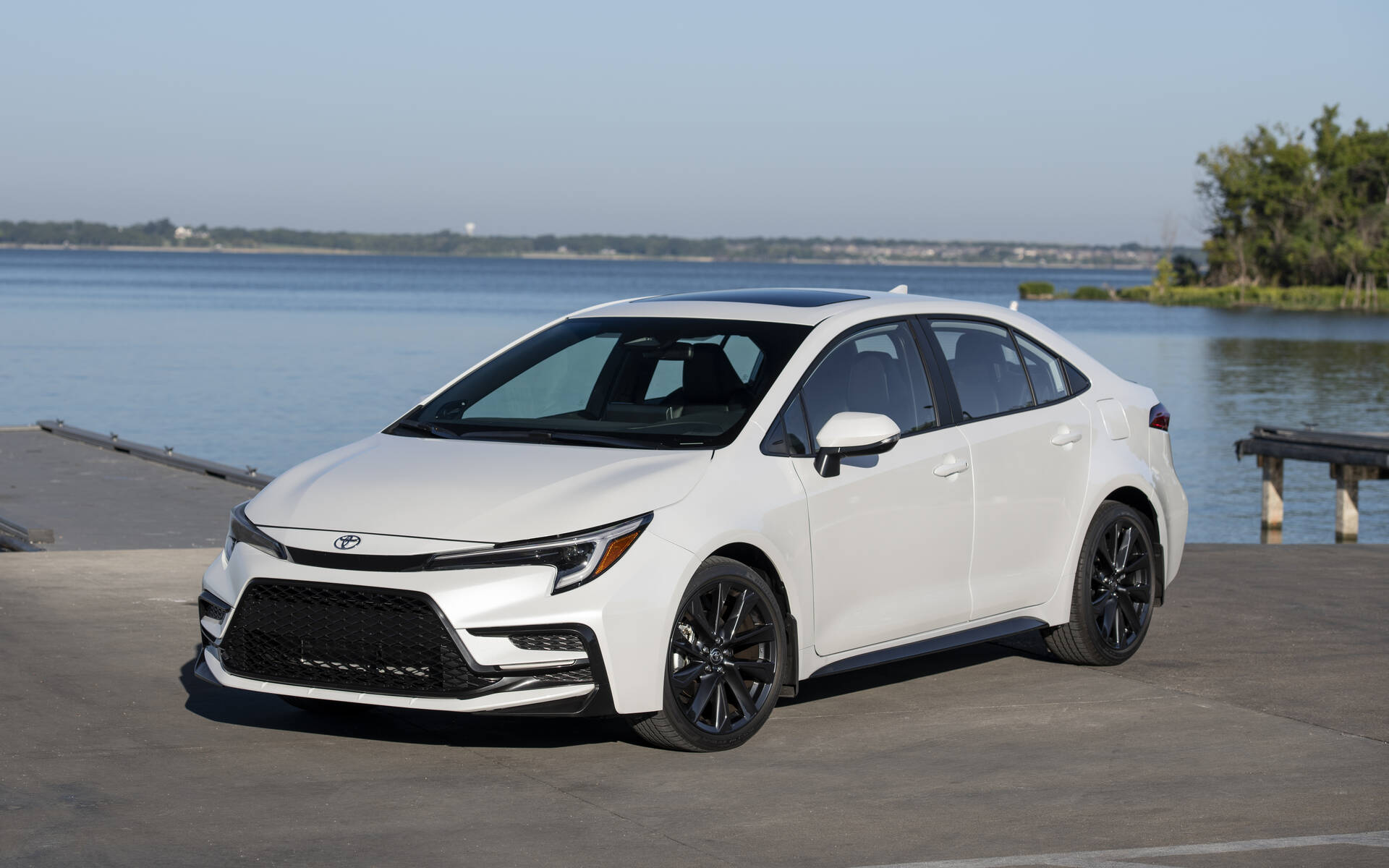
The primary difference is the body style and cargo versatility. The Sedan offers a traditional enclosed trunk (13.1 cubic feet) and slightly more rear legroom, making it better for four-door passenger comfort. The Hatchback features a rear liftgate and more vertical cargo space (17.8 cubic feet), which is better for hauling bulky items, though it has a slightly shorter wheelbase.
Is the Corolla Cross a compact car?
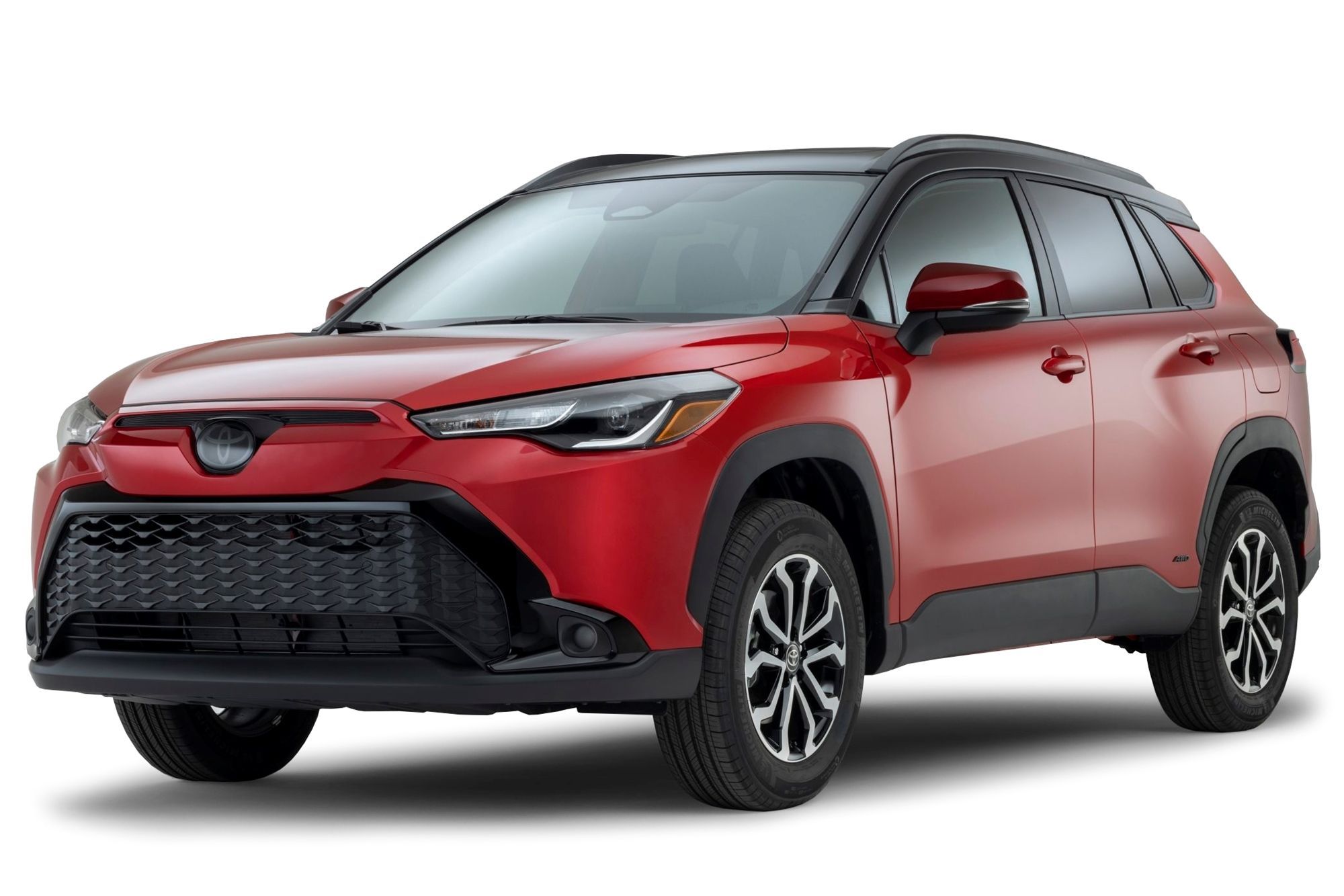
The Corolla Cross is a compact crossover SUV. While it shares the "Corolla" name and the same TNGA-C platform, it is taller, has a higher ground clearance, and offers more cargo volume than the sedan. In the hierarchy of vehicles, the Corolla Cross sits between the Corolla sedan and the larger RAV4.
How long does a Toyota Corolla typically last?
With proper maintenance, a Toyota Corolla is widely expected to last between 200,000 and 300,000 miles. Many owners report their vehicles reaching these milestones with only routine oil changes, brake replacements, and tire rotations. The hybrid battery in the 2026 models is warranted for 10 years or 150,000 miles, providing further peace of mind.
Does the 2026 Corolla have All-Wheel Drive?
Yes, the 2026 Corolla offers an Electronic All-Wheel Drive (AWD-i) system on its Hybrid trims. Unlike traditional mechanical AWD systems, this uses a dedicated electric motor on the rear axle to provide traction when the front wheels slip, making it an excellent choice for drivers in snowy climates without sacrificing much fuel efficiency.
Practical Recommendation for Buyers
If you are looking for a vehicle in 2026 that minimizes financial risk while maximizing daily utility, the Toyota Corolla Hybrid is the most logical choice in the compact segment. For those who prioritize cargo flexibility, the Hatchback remains a stylish alternative. However, if your driving needs include frequent long-distance towing or more than five passengers, you should look toward the mid-size or SUV segments. For everyone else, the Corolla continues to define what a compact car should be: efficient, safe, and remarkably reliable.
Image Gallery