Understanding Youth Life Insurance: A Guide for Parents and Policyholders
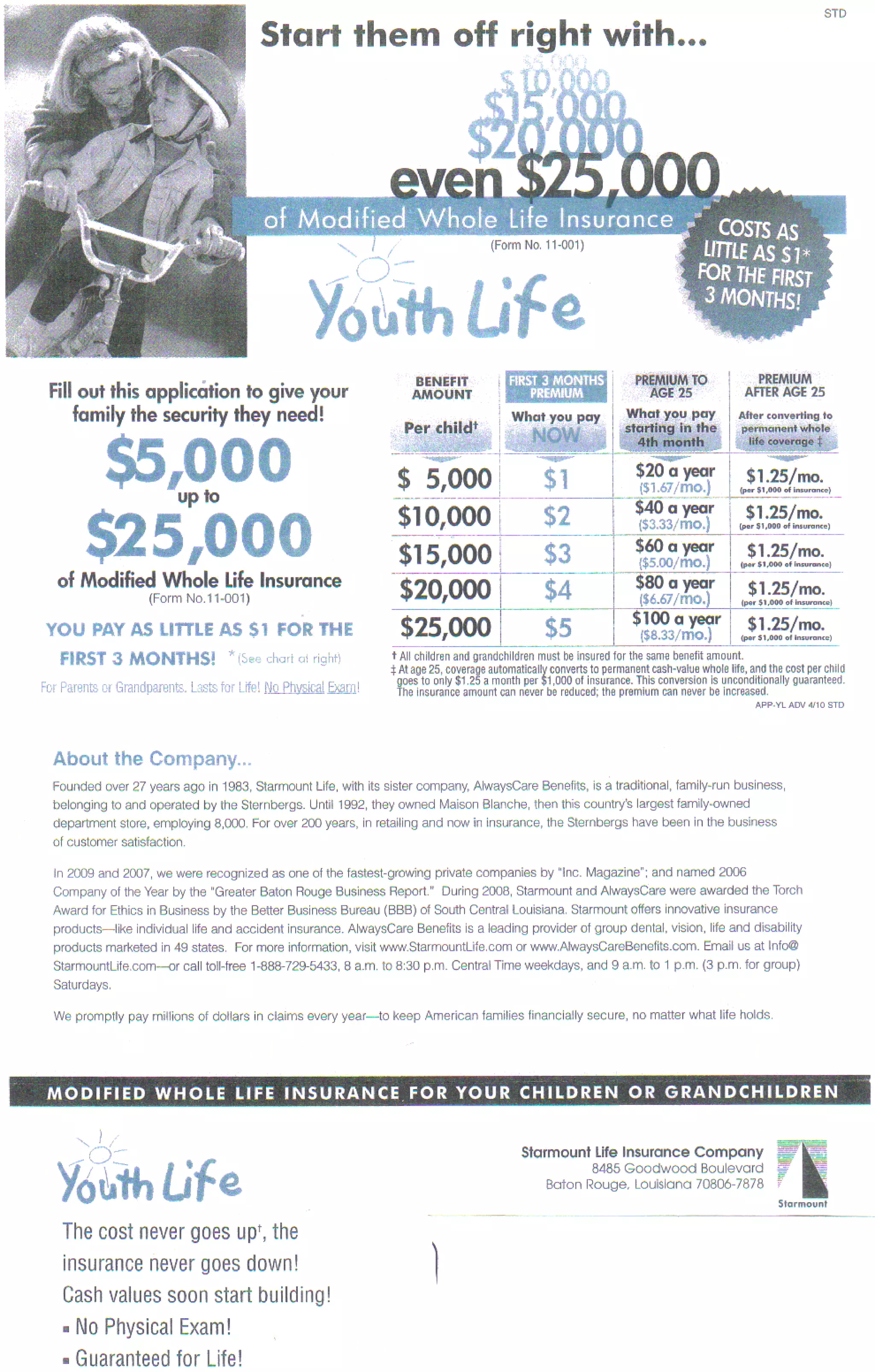
Youth life insurance, often referred to as child life insurance, is a financial product designed to provide coverage for minors, typically offered through whole life insurance policies that build cash value over time. These policies fu...
Youth life insurance, often referred to as child life insurance, is a financial product designed to provide coverage for minors, typically offered through whole life insurance policies that build cash value over time. These policies function as a long-term savings vehicle and a guaranteed insurability tool, ensuring that a child maintains coverage into adulthood regardless of future health changes or hazardous occupational choices.
Contents
The Purpose and Mechanics of Youth Life Insurance
At its core, youth life insurance serves two primary functions: providing a financial safety net for funeral expenses and other costs in the tragic event of a child’s death, and acting as a foundational financial asset for the child’s future. Unlike term life insurance, which is designed for a temporary period, youth insurance is almost exclusively sold as whole life insurance. This means the policy provides permanent protection for the child’s entire life, provided the premiums are paid.
The "cash value" component is a defining feature of these policies. A portion of every premium payment is directed into a savings account within the policy that earns interest at a rate determined by the insurer. Over decades, this cash value grows on a tax-deferred basis. By the time the child reaches adulthood—typically between ages 21 and 25—the policyholder (often the parent or grandparent) can choose to transfer ownership to the now-adult child. At that point, the child gains access to a policy that is significantly cheaper than if they had purchased it as an adult, because the premiums were locked in based on their age at the time of the initial purchase.
Key Benefits: Why Consider a Policy for a Minor?
The primary driver for purchasing youth life insurance is guaranteed insurability. Life is unpredictable; if a child develops a serious health condition later in life, they might become "uninsurable" or face prohibitive premiums. By purchasing a policy early, you lock in their insurability. Once the policy is active, the insurer cannot cancel it due to health changes, provided premiums are paid.
Another major benefit is the creation of a financial head start. The cash value accumulated within the policy can be borrowed against or withdrawn later in life to help fund college tuition, a down payment on a first home, or to supplement retirement savings. Because the premiums are based on the child's young age and excellent health, they are significantly lower than what a 30-year-old would pay for a similar policy.
Comparison of Coverage Options for Youth
When evaluating life insurance for a minor, it is helpful to understand how these policies differ from standard adult offerings.
| Feature | Youth Whole Life | Adult Term Life | Adult Whole Life |
|---|---|---|---|
| Duration | Permanent | Temporary (10–30 years) | Permanent |
| Cash Value | Yes (builds over time) | None | Yes |
| Premiums | Level (fixed) | Fixed | Fixed (often higher) |
| Insurability | Guaranteed for life | Not guaranteed at renewal | Guaranteed for life |
| Primary Goal | Asset building/Legacy | Income replacement | Estate planning/Savings |
Critical Considerations Before Purchasing
Before committing to a policy, it is essential to recognize that this is a long-term financial commitment. If you stop paying premiums, the policy may lapse, which can result in the loss of both the death benefit and the accumulated cash value, depending on the policy’s structure.
Furthermore, consider the "opportunity cost." Financial advisors often suggest that parents prioritize their own life insurance and retirement savings before purchasing insurance for their children. If a parent dies, their life insurance provides immediate support for the family, including the children. Youth life insurance does not provide this necessary income replacement for the family unit. Therefore, view youth life insurance as an additional wealth-building tool rather than a replacement for necessary parental coverage.
Operational Steps: How to Secure a Policy
If you decide that youth life insurance aligns with your financial strategy, follow these steps to ensure you select the right product:
- Assess Your Goal: Determine if you are looking primarily for death benefit coverage or a long-term savings vehicle.
- Evaluate Insurers: Research highly-rated insurance carriers using financial strength ratings from agencies such as A.M. Best or Moody’s. Strength is vital for a policy that may exist for 50 or more years.
- Check Rider Options: Look for a "guaranteed purchase option" or "additional purchase benefit." This rider allows the child to increase their coverage amount at specific future dates (e.g., marriage, birth of a child) without undergoing a medical exam.
- Review the Application: The application process for children is generally simple, often requiring only a basic health questionnaire. No medical exams are typically required for minors.
- Ownership Transfer: Ensure you understand the legal process for transferring the policy to the child once they reach the age of majority in your jurisdiction.
Common Questions Regarding Youth Coverage
Does a child need a life insurance policy if they have no income? No, a child does not need life insurance for income replacement. The purpose is purely strategic, focusing on building early cash value, locking in low rates, and securing insurability for the future.
Can I cancel the policy and take the cash out? Yes. You can surrender a whole life policy to receive the accumulated cash value. However, surrendering the policy early often results in high surrender charges, and you will lose the death benefit protection permanently.
What happens if the child becomes ill after I buy the policy? This is the main advantage of the product. If you purchase the policy while the child is healthy, their coverage remains in place and cannot be revoked or increased in cost due to any illnesses that develop after the policy is issued.
Is the cash value taxable? Generally, the cash value grows tax-deferred. You only pay taxes if you withdraw more than you have paid into the policy in total premiums (the "basis"). Policy loans are typically tax-free.
Can anyone buy a policy for a child? Usually, the applicant must have an "insurable interest," meaning they must be a parent, grandparent, or legal guardian. Some states require parental consent if someone other than a parent is the purchaser.
Professional Advice and Financial Strategy
While youth life insurance offers distinct benefits, it should be integrated into a comprehensive financial plan. If you are uncertain about the tax implications or how the product fits alongside 529 college savings plans or custodial accounts, consult with a certified financial planner. Financial products involving long-term tax advantages are subject to changing regulatory guidelines in 2026, so it is prudent to review the specific policy contract provided by your insurer for any jurisdictional limitations or specific clauses that may affect your personal financial situation.
Next Action
To begin, request quotes from at least three reputable insurance companies specifically for a "juvenile whole life insurance" policy. Compare the guaranteed cash value growth projections and the cost of the "guaranteed insurability" rider to ensure you are receiving the most value for your premium payments.
Image Gallery