Understanding the Octopus Energy Smart Meter: Installation, Functionality, and Benefits
An Octopus Energy smart meter is an advanced digital device that automatically records your gas and electricity consumption, transmitting this data directly to the supplier to ensure accurate billing. These meters eliminate the need fo...
An Octopus Energy smart meter is an advanced digital device that automatically records your gas and electricity consumption, transmitting this data directly to the supplier to ensure accurate billing. These meters eliminate the need for manual readings and serve as the essential gateway to dynamic tariffs and real-time energy management tools provided by Octopus Energy.
Contents
The Role of Smart Meters in Modern Energy Management
Traditional gas and electricity meters have long required manual monitoring. A meter reader would periodically visit a property, or a customer would need to submit physical readings to avoid estimated bills. The transition to smart meters—specifically the SMETS2 (Smart Metering Equipment Technical Specifications 2) generation—represents a significant shift in utility infrastructure.
For Octopus Energy customers, the smart meter is more than just a measurement tool; it is the hardware foundation that enables the "smart" aspect of their service. Because these devices communicate usage data half-hourly, they provide the granular visibility necessary to participate in time-of-use tariffs. Without a functioning smart meter, customers are generally restricted to standard variable or fixed-rate tariffs, missing out on the potential savings associated with shifting energy consumption to off-peak hours.
Installation and Eligibility Prerequisites
Octopus Energy manages the installation of smart meters through their own engineering teams and third-party partners. Eligibility is primarily determined by your current meter type, the communication signal strength at your property, and existing network infrastructure.
The Installation Process
- Request: Customers initiate the process through the Octopus Energy online dashboard.
- Scheduling: Once the request is processed, an engineer is scheduled for a site visit. In many regions, Octopus provides a real-time tracking link for the engineer’s arrival window.
- Hardware Assessment: Upon arrival, the engineer assesses the current meter setup. If the existing wiring is outdated or unsafe, they may perform remedial work.
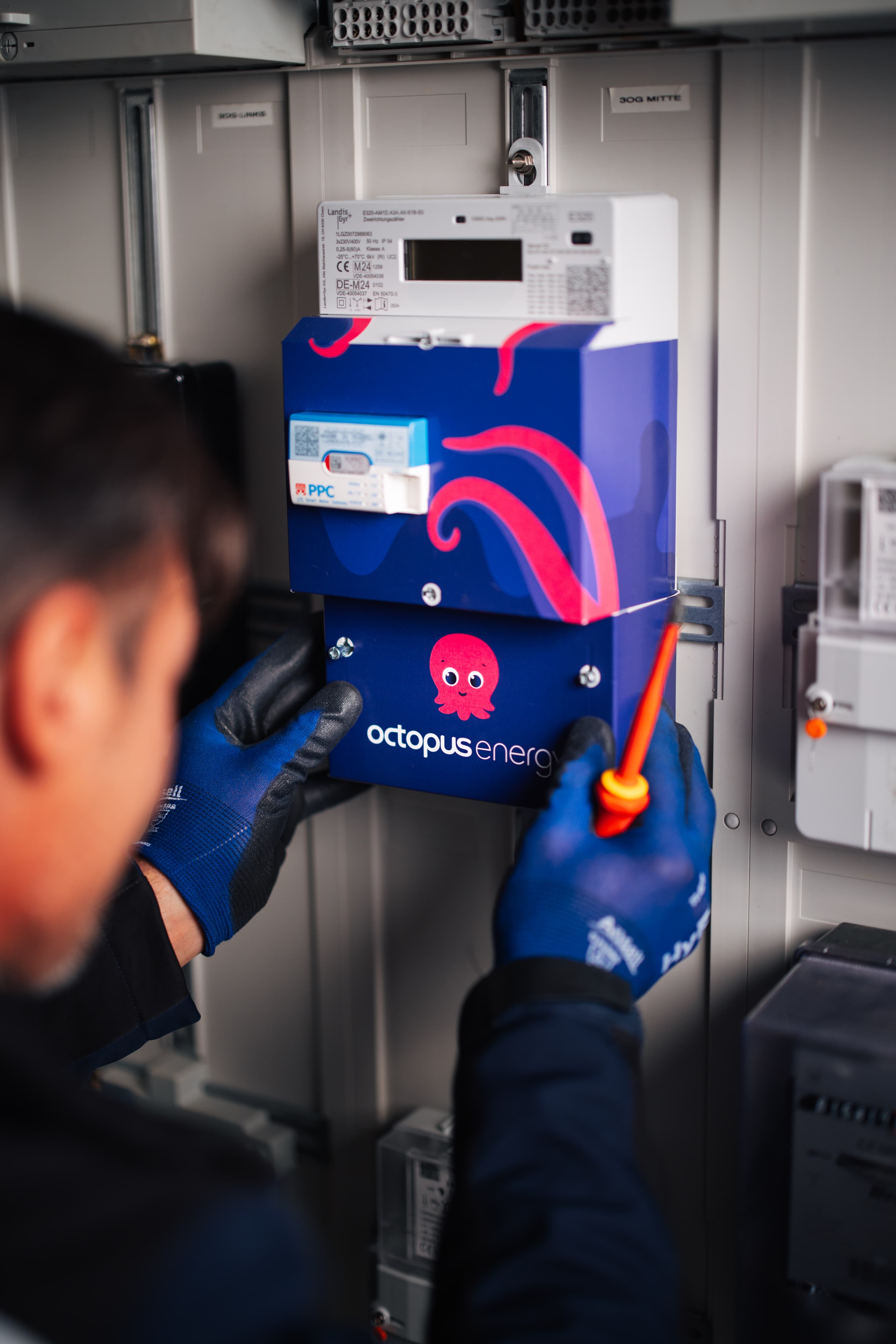
- Commissioning: The new SMETS2 meter is installed, the connection to the wide-area network is verified, and the In-Home Display (IHD) is synced to provide you with a visual dashboard of your usage.
- Briefing: The engineer explains the basic operation of the unit and ensures the device is transmitting data correctly to the central hub.
Technical Limitations
Not every home is eligible for a smart meter immediately. Some properties, particularly those in high-rise buildings or rural areas with poor cellular signal coverage, may face technical challenges. Because smart meters rely on the DCC (Data Communications Company) network to transmit data, they require a stable signal. If your home has "thick" walls or is located in a signal blackspot, an external antenna may be required, or the installation may be deferred until connectivity solutions improve.
Understanding the In-Home Display (IHD)
The In-Home Display is a portable screen provided during the installation process. Its purpose is to provide real-time feedback on your energy consumption. By viewing your usage in pounds and pence, rather than just kilowatt-hours (kWh), you can identify "vampire devices"—appliances that draw power even when not in active use.
The IHD does not store your billing data. It is a peripheral device that communicates wirelessly with the smart meter to display current consumption and historical trends. If your IHD loses connection or stops updating, it does not mean your meter has stopped recording usage; it merely indicates a communication fault between the two devices. Resetting the IHD is often as simple as unplugging it or moving it closer to the electricity meter to re-establish the signal.
Comparison of Metering Solutions
Understanding the difference between legacy equipment and modern smart infrastructure is essential for effective energy management.
| Feature | Traditional Meter | SMETS1 Smart Meter | SMETS2 Smart Meter |
|---|---|---|---|
| Reading Method | Manual/Estimated | Automated | Automated |
| Communication | None | Limited/Vendor-locked | Standardized Network |
| Tariff Compatibility | Standard Only | Variable/Limited Smart | Full Smart/Dynamic |
| Data Granularity | Monthly/Quarterly | Daily | Half-Hourly |
| IHD Inclusion | Not Applicable | Optional | Standard |
Benefits of Upgrading to an Octopus Energy Smart Meter
The transition to a smart meter provides distinct advantages that align with the 2026 energy landscape, where grid stability and carbon reduction are prioritized.
Accurate Billing
The most immediate benefit is the cessation of estimated billing. Since the meter transmits usage data automatically, your monthly statements reflect your actual consumption. This eliminates the "catch-up" bills that often occur after a long period of estimated usage.
Dynamic Tariffs
Octopus Energy is known for tariffs like "Agile" or "Intelligent," which rely on half-hourly pricing. These tariffs fluctuate based on wholesale energy costs. A smart meter is the mandatory gateway for these products, as it tracks usage in 30-minute intervals, allowing the system to calculate your costs against the specific price of energy at the exact time you used it.
Sustainability and Demand Side Response
By shifting heavy energy usage—such as charging an electric vehicle or running a dishwasher—to periods when the grid is less strained or when renewable energy generation is high, consumers can reduce their carbon footprint. Many Octopus customers use their smart meter data to automate these shifts, reducing grid demand during peak hours.
Common Troubleshooting and Maintenance
Even with advanced technology, issues can arise. Understanding how to handle these minimizes disruption.
- Connection Loss: If your meter stops sending readings, Octopus Energy may contact you to request manual photos of the display. This is often caused by a temporary interruption in the DCC network.
- IHD Failure: If the screen becomes unresponsive, check the power supply. Most IHDs are battery-backed but require a mains connection for stable, consistent operation.
- Tariff Synchronization: Occasionally, when switching plans, the meter may take up to 48 hours to update its internal pricing logic. During this time, the IHD may show inaccurate cost estimates.
Frequently Asked Questions
Does a smart meter save me money automatically? No. A smart meter is a measurement tool, not a conservation tool. It provides the data required to change your habits, but you must actively manage your usage or switch to a compatible time-of-use tariff to see financial benefits.
Can I switch to a different supplier if I have an Octopus smart meter? Yes. SMETS2 meters are designed to be interoperable. If you switch to another provider, your smart meter should continue to function in "smart mode," though some functionality might temporarily revert to "dumb mode" if the new supplier has not yet integrated with the national network for that specific device.
Is my energy usage data private? Yes. Your data is handled according to strict regulatory standards. You can choose how often your meter sends data: half-hourly, daily, or monthly. Opting for half-hourly data is generally required for dynamic tariffs but remains under your control via the Octopus app settings.
What happens if the internet in my house goes down? Smart meters do not rely on your home Wi-Fi. They use a dedicated, secure wide-area network provided by the DCC, similar to a mobile phone connection. Your home internet outage will not affect your meter’s ability to communicate with Octopus Energy.
Why does my meter show a different reading than my app? Latency is the most common cause. The smart meter sends data in chunks. There is often a short delay between the energy being consumed and the data appearing in your Octopus Energy dashboard.
Next Steps for New and Existing Customers
If you do not currently have a smart meter, the most effective next step is to log into your Octopus Energy online account. The platform features an automated eligibility checker that assesses your address against the national smart metering rollout schedule.
For those who already have a smart meter, ensure your Octopus app is updated to the latest version. Regularly review your "Usage" tab to identify patterns in your consumption. If you are on a standard tariff, consider exploring Octopus’s specialized smart tariffs, such as Intelligent Octopus, which can automate charging for electric vehicles and home batteries, further optimizing your efficiency.
Image Gallery