A Practical Guide to Approaching Gutter Repair in Baltimore
Approaching gutter repair in Baltimore requires a systematic assessment of local climate impacts, material degradation, and structural integrity. Property owners should first identify the source of water mismanagement—whether clogs, sa...
Approaching gutter repair in Baltimore requires a systematic assessment of local climate impacts, material degradation, and structural integrity. Property owners should first identify the source of water mismanagement—whether clogs, sagging hangers, or corroded seams—before deciding between targeted DIY patching or engaging professional remediation to prevent basement flooding and foundation erosion.
Contents
Understanding the Baltimore Climate Impact on Drainage
Baltimore experiences a humid subtropical climate, characterized by significant annual precipitation, heavy summer thunderstorms, and frequent freeze-thaw cycles during winter months. These environmental factors place unique stress on residential and commercial gutter systems.
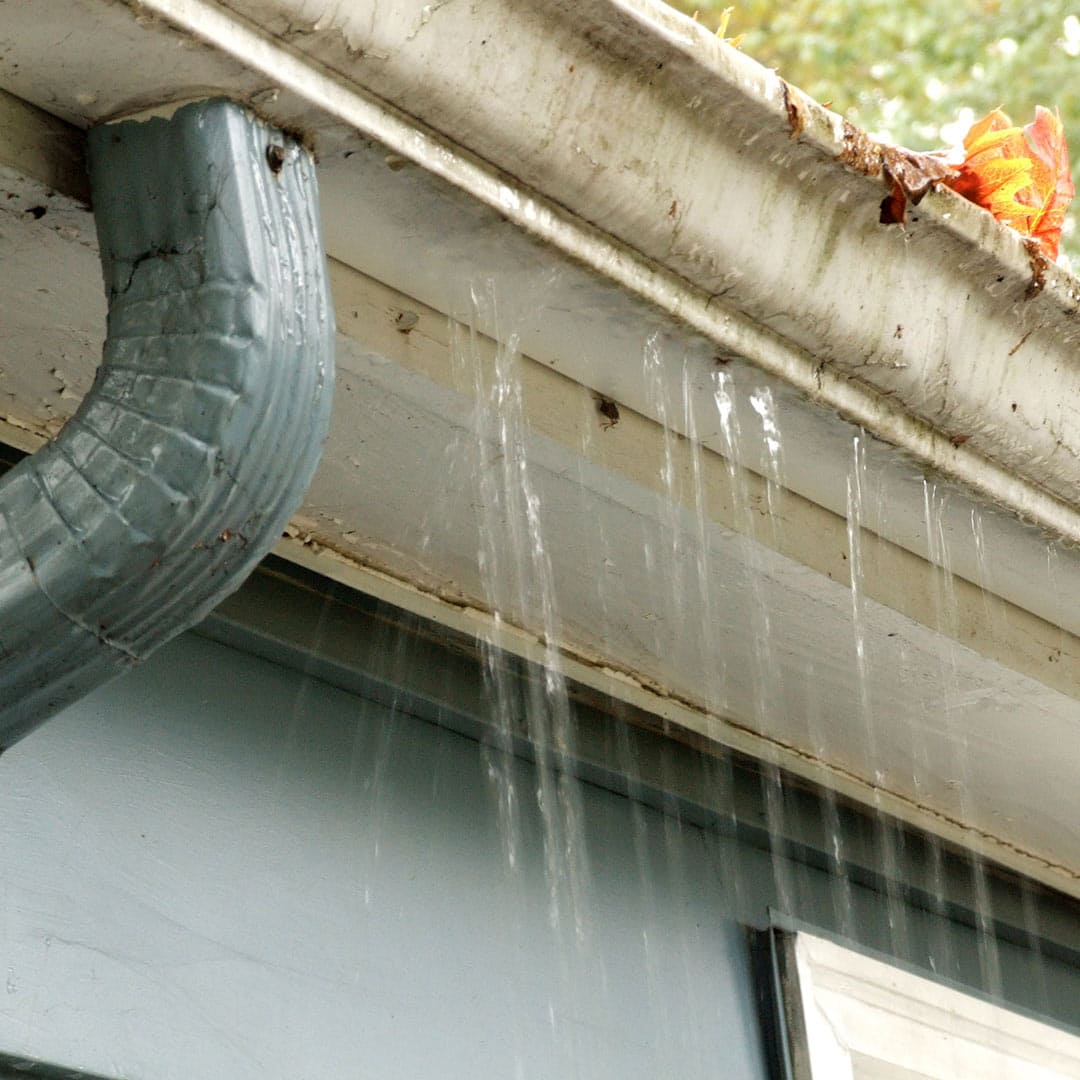
When water freezes inside a gutter, the resulting ice dams can push the system away from the fascia board, leading to structural separation. Conversely, the high humidity and seasonal heavy rainfall necessitate that gutter systems are kept clear of debris, as decomposing leaves and organic matter hold moisture against the metal, accelerating oxidation and rust in older aluminum or steel systems. Ignoring these conditions often leads to water overflowing behind the gutter, which causes rot in the wooden trim and soffits of Baltimore’s historic rowhomes and suburban properties alike.
Initial Inspection and Problem Identification
Before attempting any repairs, you must safely access the gutter line to perform a thorough audit. Use a stable, high-quality extension ladder equipped with ladder stabilizers to avoid denting the existing gutters or damaging your roof shingles.
During your inspection, look for the following indicators of failure:
- Standing Water: If water remains in the gutter after a rainstorm, the slope (pitch) is likely incorrect. A proper gutter should slope approximately 1/4 inch for every 10 feet toward the downspout.
- Separated Seams: Leaking joints are common in older seamless gutter installations where sealant has hardened and cracked over time.
- Sagging Sections: This usually indicates broken or missing gutter spikes and ferrules. Over time, the weight of water and debris pulls these fasteners out of the fascia.
- Pinhole Corrosion: Small leaks appearing in the bottom of the channel are a sign that the metal is nearing the end of its functional lifespan.
Safety Precautions and Professional Limitations
Working at height is the most significant risk associated with gutter repair. According to safety standards, always maintain three points of contact while on a ladder and never attempt to overreach. If your home has a steep pitch or if the gutter system is situated above a second or third story, it is standard practice to hire a licensed contractor.
In Baltimore, exterior home improvements often fall under municipal code requirements, particularly if your property is located within a designated Historic District. Before replacing entire sections or altering the appearance of your gutters—especially if you are opting for different materials like copper or half-round styles—consult the Baltimore City Commission for Historical and Architectural Preservation (CHAP) guidelines to ensure compliance.
Comparison of Repair Methods and Materials
Selecting the right material and method for your repair depends on the age and existing construction of your gutter system.
| Repair Type | Best Used For | Complexity | Durability |
|---|---|---|---|
| Sealant Patching | Small leaks at seams/joints | Low | Temporary/Moderate |
| Hanger Replacement | Sagging or detached gutters | Moderate | High |
| Flashing Repair | Water leaking behind gutter | Moderate | High |
| Section Replacement | Heavy corrosion or damage | High | Long-term |
For small, localized leaks, high-quality tripolymer gutter sealants are preferred over traditional silicone, as they remain flexible across the wide range of temperatures seen in the Mid-Atlantic. For sagging gutters, replacing old spikes with hidden screw-style hangers provides significantly better structural support and a cleaner aesthetic.
Step-by-Step Approach to Common Repairs
1. Cleaning and Preparation
You cannot repair what you cannot see. Use a plastic trowel or gutter scoop to remove debris. Once the channel is clear, rinse the gutter with a garden hose to identify the exact location of leaks. Mark these spots with a waterproof marker while the gutter is wet, as moisture will often reveal pinhole leaks that are invisible when dry.
2. Fixing Sagging Gutters
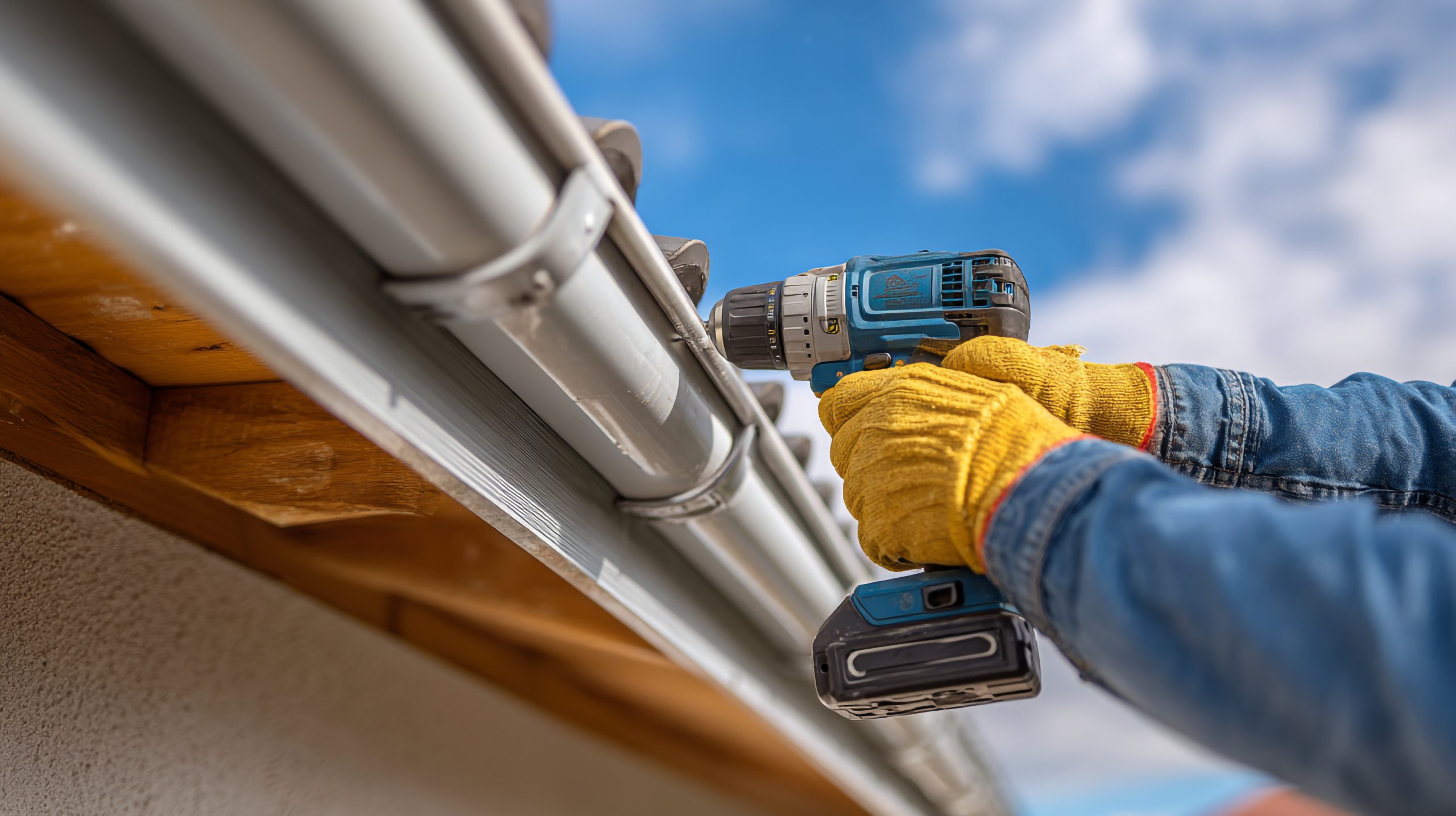
If a section of the gutter is sagging, it is likely that the fasteners have pulled loose from the fascia. Remove the old spike and ferrule. Install a new hidden hanger in that position, ensuring it is driven into the rafter tail behind the fascia board. Use a level to check that the section has a slight downward pitch toward the downspout.
3. Sealing Leaking Seams
Ensure the surface is completely dry and free of old, loose caulk. Use a wire brush to clean the area. Apply the gutter sealant liberally to the seam, smoothing it with a putty knife. Avoid applying sealant on the "downhill" side of the joint, as this can create a dam that prevents water from flowing smoothly into the next section.
Troubleshooting Persistent Issues
If you have repaired leaks and secured the hangers, yet the gutter still overflows, you may have a downspout obstruction. Use a plumbing snake to clear clogs that are deeper than the gutter outlet. If the downspout remains clear but water pools at the base of the foundation, extend your downspout elbows or install a splash block at least 4 to 6 feet away from the foundation wall.
Persistent overflow during moderate rain may also indicate that your current system is undersized for your roof area. In Baltimore, where intense rain events are common, standard 5-inch gutters may struggle to handle the volume from large roof planes, often requiring an upgrade to 6-inch gutters or additional downspouts to manage the hydraulic load.
Frequently Asked Questions
How often should I clean my gutters in Baltimore? At a minimum, you should clean your gutters twice a year—once in late autumn after the leaves have fallen, and again in late spring. If you have large trees overhanging your roof, consider quarterly cleanings or the installation of high-quality gutter guards to prevent clogs.
Can I fix a rusted-out steel gutter with patches? While you can apply metal flashing and sealant, patching is only a temporary fix for rust. If the metal has oxidized enough to create holes, the structural integrity of that section is compromised. You should plan for a full section replacement to avoid sudden failure during a heavy storm.
Do I need a permit to repair gutters in Baltimore? General repairs like replacing a few hangers or patching seams do not require a permit. However, if you are performing a full-scale replacement, especially on a house designated as a local landmark or within a historic district, you should contact the Department of Housing and Community Development to verify if your specific project requires an alteration permit.
Is it better to use spikes or hidden hangers? Hidden hangers are superior for modern repairs. They use screws to attach to the fascia rather than long spikes that rely on friction. They are less likely to pull out over time and provide a more secure, long-lasting attachment to the home's structure.
How do I know if the pitch of my gutter is wrong? A simple way to verify the pitch is to fill the gutter with water from a hose and observe the flow. If water pools or flows toward the wrong end, use a level. You want a drop of about 1/4 inch for every 10 linear feet of gutter length to ensure efficient drainage.
Next Steps for Property Owners
Begin your repair by performing a comprehensive cleaning, as this often reveals the full extent of necessary repairs. If your gutters are older than 20 years and show widespread signs of corrosion, budget for a professional replacement rather than piecemeal repairs. When hiring a contractor in the Baltimore area, always request proof of general liability insurance and confirm their experience with the specific architectural style of your home to ensure that the gutter profile matches the aesthetic integrity of your property.
Image Gallery