Understanding the Subaru Hawkeye: Model Years and Evolution
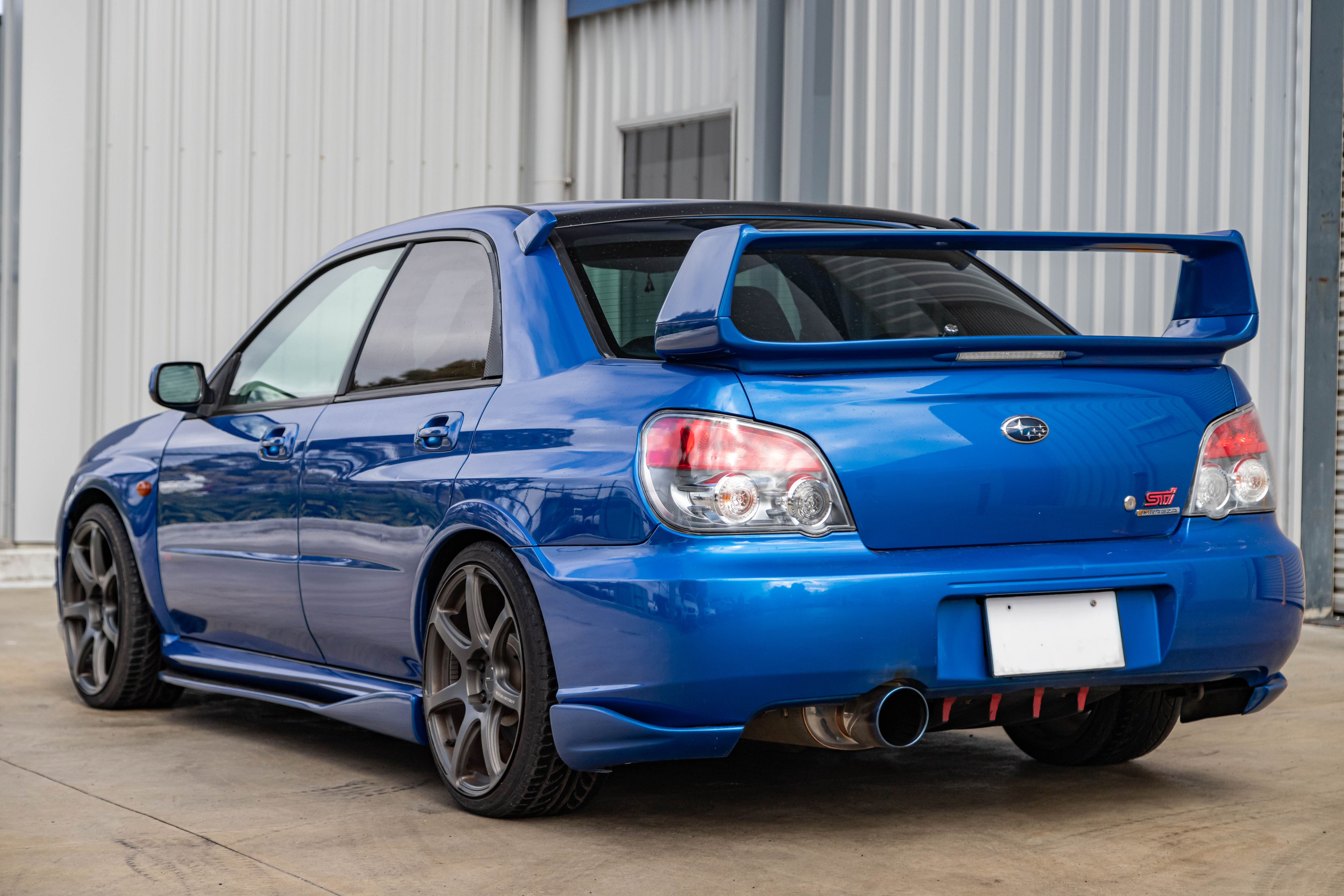
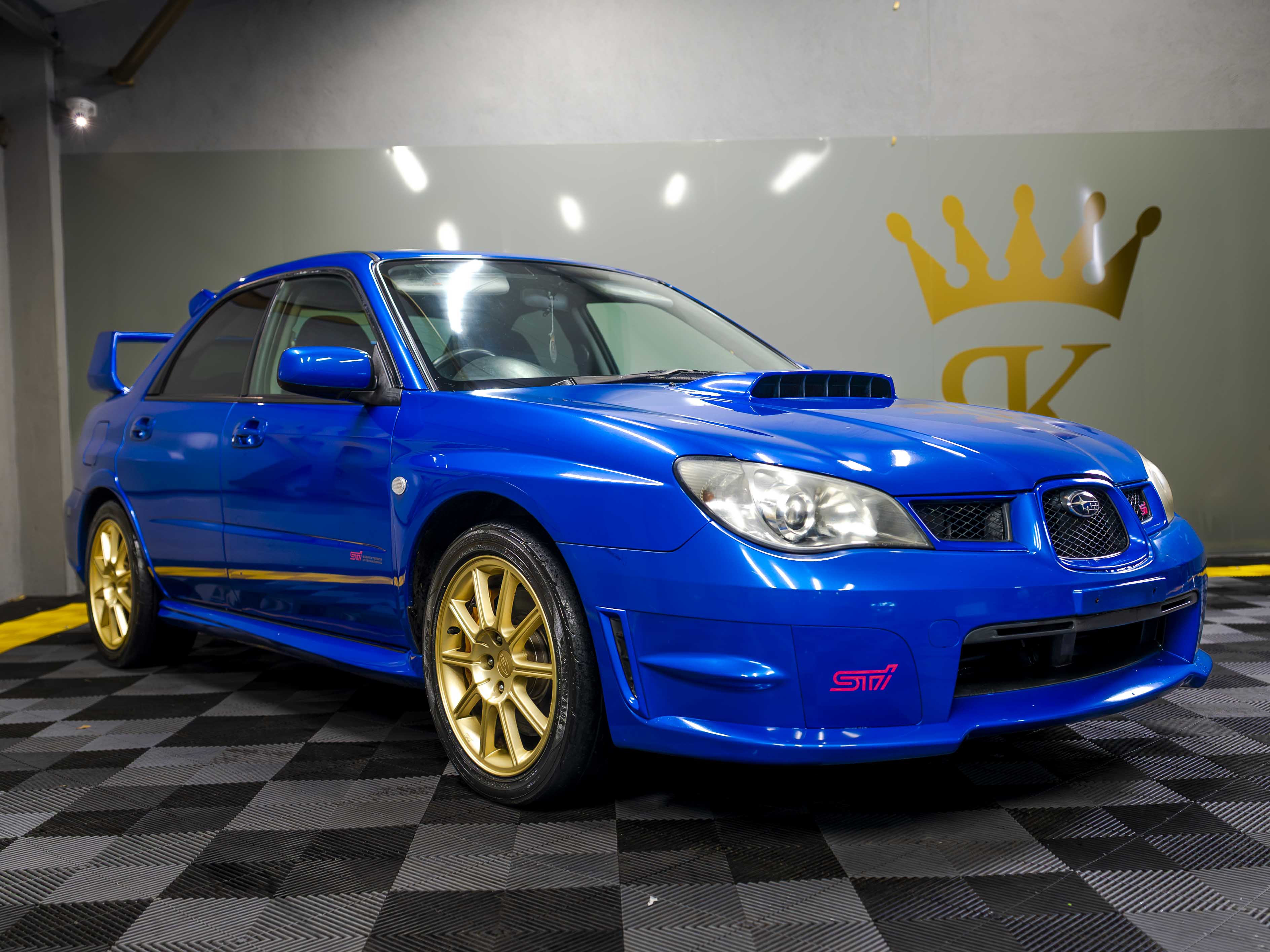
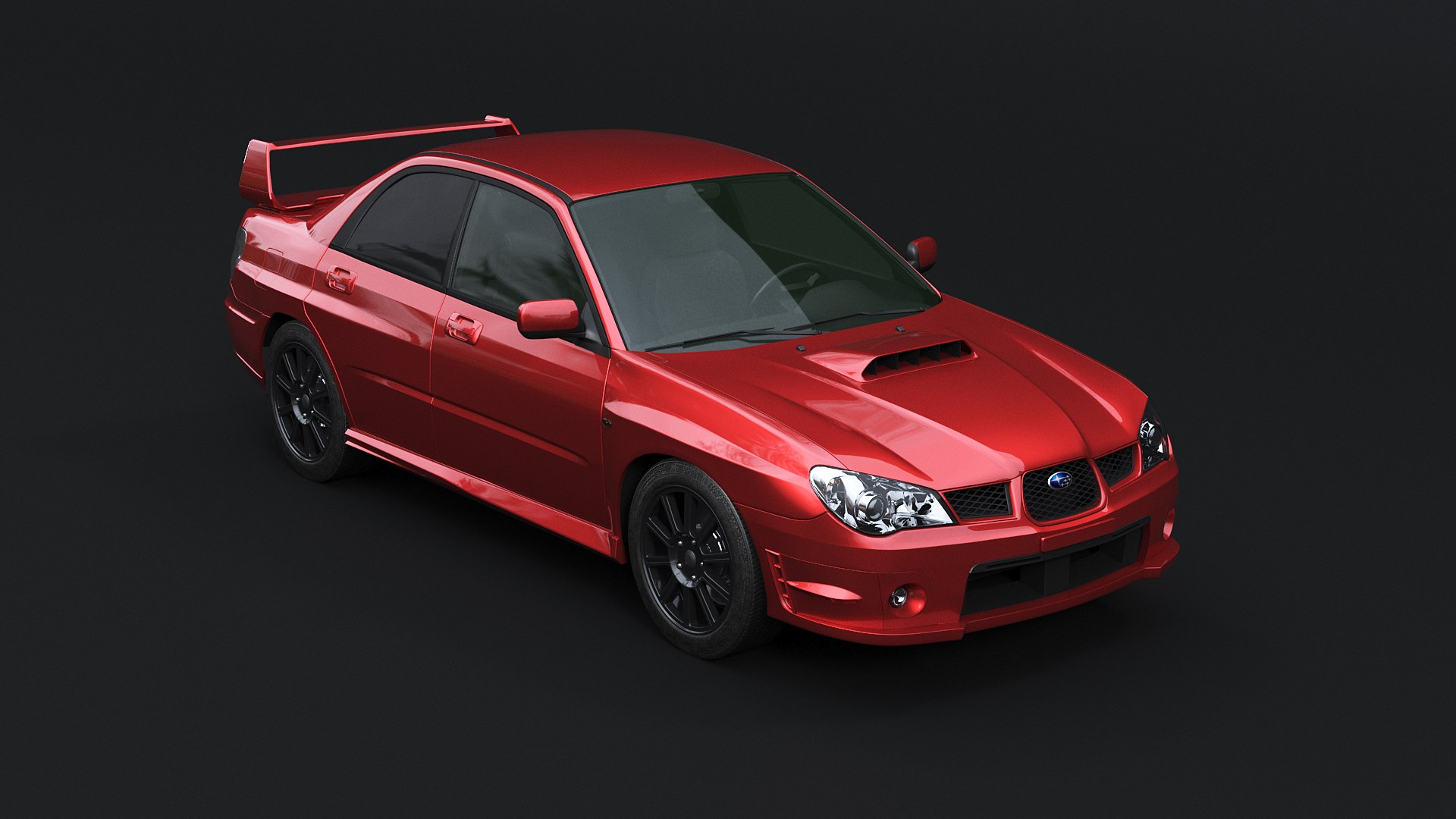
The term "Subaru Hawkeye" refers specifically to the 2006 and 2007 model years of the Subaru Impreza WRX and WRX STI, distinguished by a major cosmetic facelift featuring a distinct, aggressive three-panel front grille design. This era...
The term "Subaru Hawkeye" refers specifically to the 2006 and 2007 model years of the Subaru Impreza WRX and WRX STI, distinguished by a major cosmetic facelift featuring a distinct, aggressive three-panel front grille design. This era represents the final iteration of the "GD" chassis platform, serving as the bridge between the earlier "Blobeye" and the subsequent "Hatchback" GR generation.
Contents
Defining the Hawkeye Era
The Subaru Impreza GD generation, produced from 2000 to 2007, underwent several aesthetic revisions known colloquially among enthusiasts by the shape of their headlights. The "Hawkeye" design language was introduced in 2006 to align the Impreza with the new corporate identity established by Subaru’s parent company, Fuji Heavy Industries.
The design featured a prominent, aviation-inspired split grille—a nod to Subaru’s history as an aircraft manufacturer—flanked by sharp, angular projector headlights. Beyond the front-end redesign, these years brought significant mechanical updates that shifted the performance profile of the WRX and STI models, making them some of the most sought-after vehicles in the used market today.
Key Mechanical Evolutions: 2006–2007
While the exterior refresh is the most visual indicator of the Hawkeye, the most consequential changes occurred under the hood.
Engine Displacement Increase
For the 2006 model year, Subaru replaced the 2.0-liter EJ20 engine in the North American WRX with the larger 2.5-liter EJ255 engine. This change was implemented to provide a broader torque curve and improved drivability, addressing common criticisms regarding the lack of low-end power in previous iterations. The STI models retained the EJ257, which had already transitioned to the 2.5-liter platform in 2004, but received refined engine management systems during the Hawkeye years.
Transmission and Drivetrain Refinements
The Hawkeye years saw the standardization of the "DCCD" (Driver Controlled Center Differential) system in the STI. By 2006, the system featured an automatic mode, allowing the driver to select between manual torque distribution or allowing the onboard computer to adjust the center differential locking ratio based on wheel slip and steering angle. This technology significantly improved the car's agility and traction on varied surfaces.
Comparative Analysis: The Hawkeye in the GD Timeline
To understand where the Hawkeye fits, it is essential to view it against the preceding iterations of the second-generation Impreza.
| Generation | Years | Key Identifier | Notable Changes |
|---|---|---|---|
| Bug-eye | 2002–2003 | Round Headlights | Introduction of WRX to North America |
| Blobeye | 2004–2005 | Rounded/Oval Lights | Chassis strengthening; EJ257 introduced to STI |
| Hawkeye | 2006–2007 | Three-Panel Grille | 2.5L engine in WRX; DCCD refinements |
The transition from the Blobeye to the Hawkeye was not merely cosmetic. While the chassis rigidity remained largely consistent, the suspension geometry and steering rack ratios were tweaked in the 2006–2007 models to provide more precise turn-in response.
Why the Hawkeye Remains Highly Desirable
The 2006–2007 Hawkeye models hold a unique position in the automotive secondary market. Enthusiasts often prioritize these years for three primary reasons:
- Mechanical Maturity: By 2006, Subaru had worked out many of the teething issues associated with the early GD chassis, including common early-model clutch and drivetrain durability concerns.
- Tunability: The 2.5-liter EJ series engines are highly responsive to aftermarket modifications. Because the engine block was already larger than the 2.0-liter predecessor, achieving higher horsepower figures is historically more straightforward for tuners.
- Styling Preference: The sharp, aggressive front end is often considered the peak of the rally-inspired sedan aesthetic before Subaru moved to the hatchback-only body style for the next generation.
Maintenance and Ownership Considerations
Purchasing a Hawkeye in 2026 requires careful due diligence. These vehicles are now nearly two decades old and are frequently repurposed for performance driving or rally cross.
- Head Gasket Integrity: Like many Subaru engines of this era, the EJ25 series is known for head gasket vulnerabilities. Prospective buyers should look for evidence of coolant contamination or external oil leaks.
- Ringland Failure: Performance-focused owners often push these engines beyond their factory fuel and tuning limits, which can lead to cracked piston ringlands. A pre-purchase compression and leak-down test is mandatory for any used Hawkeye.
- Drivetrain Wear: The 6-speed transmission found in the STI is robust, but the 5-speed manual in the standard WRX is known to be the "glass gearbox" under high-torque applications. Assessing the health of synchros and checking for metal debris in transmission fluid is critical.
Frequently Asked Questions
Are all Hawkeye models the same? No. The WRX and the STI have significant differences in hardware. The STI features the 6-speed manual, Brembo brakes, and a more aggressive suspension setup, whereas the standard WRX uses a 5-speed transmission and different braking components.
Did the Hawkeye have a special edition? Yes, the 2007 model year included the "Limited" trim for both the WRX and the STI, featuring leather interior, a moonroof, and subtle exterior trim changes. These are generally considered the most refined versions of the Hawkeye.
Is it difficult to find parts for a Hawkeye today? Mechanically, most parts are widely available because the EJ25 engine was used in many other Subaru models. However, exterior body panels specific to the 2006–2007 bumper and grille configuration can be harder to source through official dealerships and may require secondary market specialists.
Why does the Hawkeye have a 2.5L engine? The move to 2.5 liters was primarily driven by the need for more torque to compensate for the increasing weight of safety equipment and cabin features, as well as to meet consumer demands for better daily-driving performance without needing to constantly downshift.
Should I buy a modified Hawkeye? Proceed with extreme caution. If a vehicle has been heavily modified with aftermarket turbos, exhausts, or ECU flashes, ensure the seller provides documentation of the tune. An unverified "tune" is the most common cause of engine failure in these platforms.
Next Steps for Owners and Enthusiasts
If you are currently looking to purchase a Hawkeye, prioritize "survivor" examples—cars with documented service histories that have not been subjected to extensive aftermarket modification. For current owners, the most effective way to preserve the vehicle’s value and performance in 2026 is to adhere strictly to the 3,000-mile oil change interval and ensure that all cooling system components are replaced preemptively to avoid the engine thermal stress common to this generation.
Image Gallery