Navigating the Geographical and Historical Significance of Ata Island, Tonga
Ata Island, the southernmost point of the Kingdom of Tonga, is a remote, uninhabited volcanic remnant known for its rugged topography and unique place in Tongan cultural history. Often referred to as "Pylstaart Island" by early Europea...
Ata Island, the southernmost point of the Kingdom of Tonga, is a remote, uninhabited volcanic remnant known for its rugged topography and unique place in Tongan cultural history. Often referred to as "Pylstaart Island" by early European explorers, it serves as a protected ecological sanctuary today, inaccessible to the public without specific government authorization.
Contents
Geography and Volcanic Origins of Ata Island
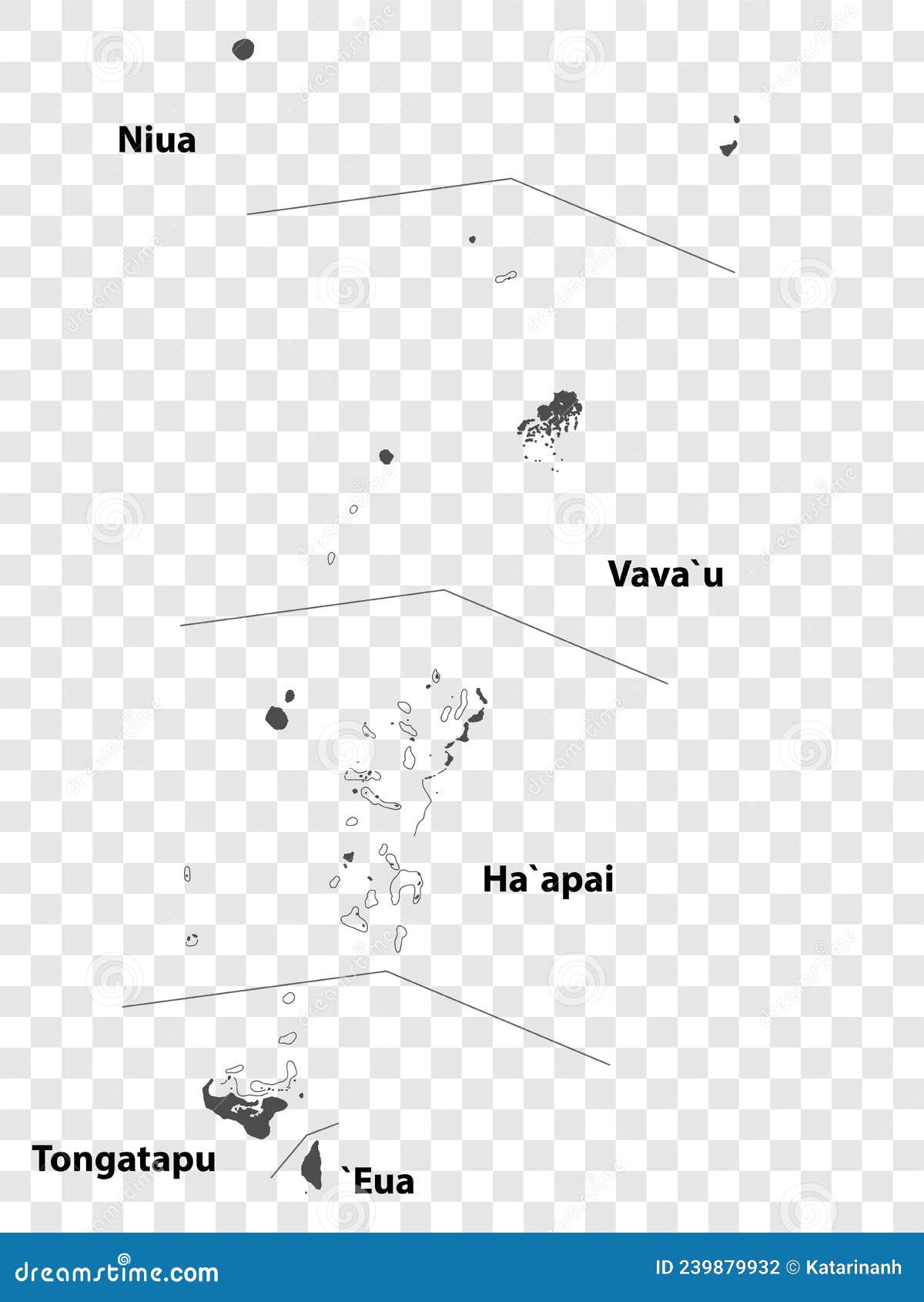
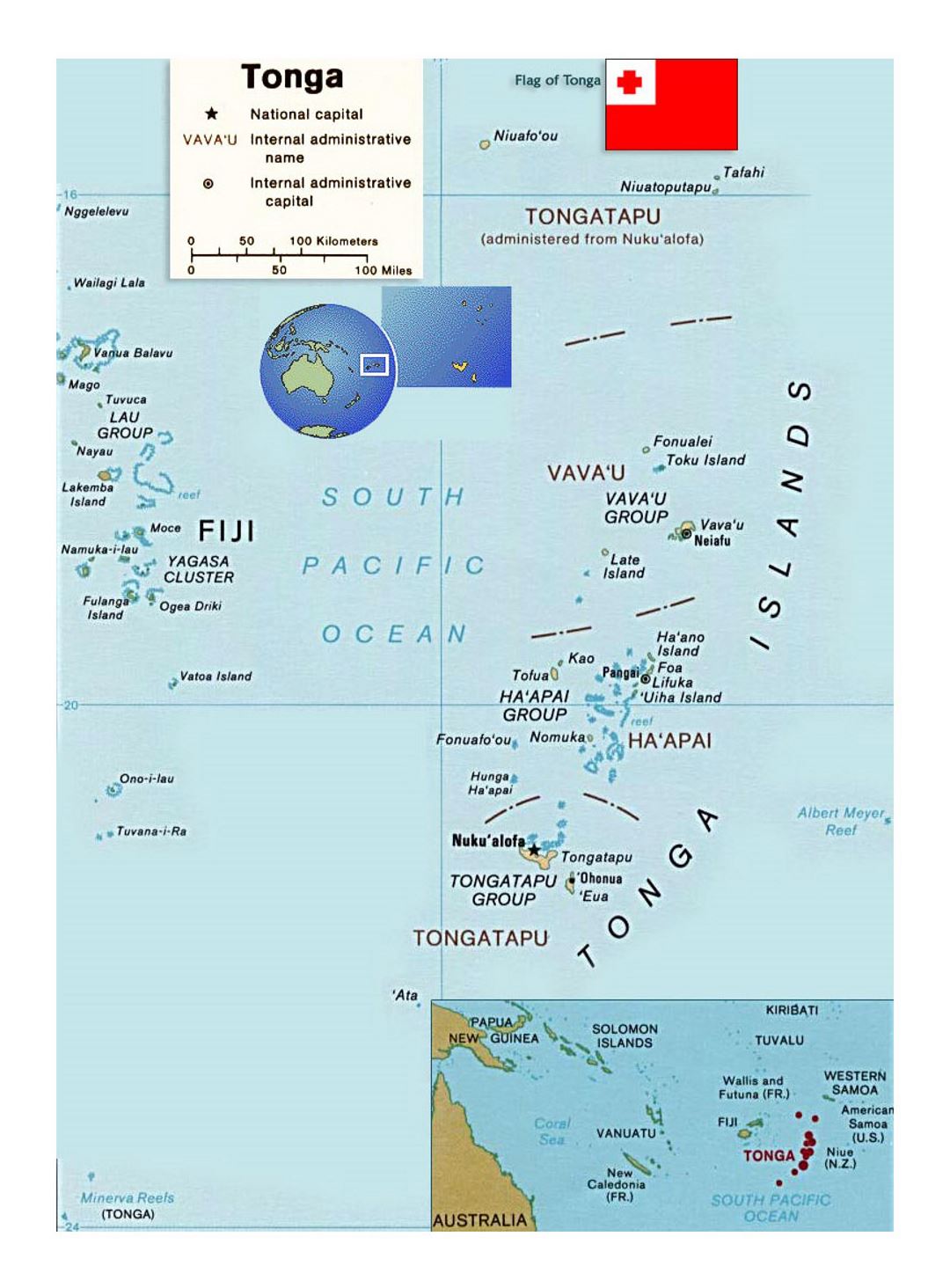
Ata Island is situated approximately 160 kilometers southwest of the main island of Tongatapu. Geologically, it is a significant feature of the Tongan archipelago, representing the remains of a volcanic cone that rises steeply from the ocean floor. Unlike many of the low-lying coral atolls found elsewhere in the Pacific, Ata is composed largely of volcanic rock, characterized by high, vertical sea cliffs that make maritime approach and physical landing exceptionally difficult.
The island encompasses a total land area of roughly 1.5 to 2 square kilometers. Its isolation and vertical nature have created a distinct microclimate and habitat. Because the island lacks a natural harbor or protected beach, it remains largely shielded from human disturbance, allowing it to function as a vital nesting ground for various species of seabirds and a protected site for indigenous flora. As of 2026, there is no permanent infrastructure on the island; it remains categorized under the administration of the Government of Tonga as a protected geological and biological site.
Historical Significance: The 1863 Evacuation
The most prominent historical event associated with Ata Island occurred in 1863, when the island’s small population was forcibly removed. A Peruvian slave ship, disguised as a whaler, lured the residents of the village on Ata toward the coast. Once they were on board, the crew kidnapped the majority of the population—approximately 140 people—to be sold into forced labor in the guano mines of the Chincha Islands in Peru.
This event devastated the community on Ata. King George Tupou I, concerned for the safety of the remaining residents and fearing further raids, ordered the evacuation of the rest of the island’s population to the main island of 'Eua. Consequently, Ata has remained uninhabited since the mid-19th century. This forced displacement is a poignant chapter in Pacific history, marking the impact of "blackbirding"—the practice of kidnapping or coercing Pacific Islanders into labor—on small, isolated communities.
Access, Legal Status, and Scientific Research
Accessing Ata Island is strictly regulated by the Tongan government. Due to its status as an uninhabited, protected site and the treacherous nature of its coastline, there is no commercial tourism or ferry service to the island. Prospective visitors, such as researchers, biologists, or authorized documentary filmmakers, must obtain formal permits from the Ministry of Lands and Natural Resources in Nuku'alofa.
Summary of Operational Requirements for Access
| Requirement | Description |
|---|---|
| Primary Authorization | Written permit from the Ministry of Lands and Natural Resources. |
| Maritime Access | Requires a private, high-sea-capable vessel; no docking facilities exist. |
| Safety Equipment | Professional-grade mountaineering gear for cliff navigation. |
| Entry Timing | Subject to seasonal maritime conditions (best during calm weather). |
| Environmental Code | Adherence to strict "Leave No Trace" policies for ecological protection. |
The primary challenge for any expedition is the physical arrival. Without a sheltered landing site, transport is usually limited to small inflatables launched from a larger vessel, requiring calm sea states that occur only sporadically throughout the year. Scientific expeditions in recent years have focused on surveying the island’s unique bird populations and assessing the stability of the geological formations.
Ecological and Environmental Stewardship
As a remote, undisturbed environment, Ata Island serves as a critical indicator for ecological health in the South Pacific. The flora on the island has evolved in isolation, and the absence of invasive terrestrial mammals—which often devastate island ecosystems—allows native bird species to thrive.
The Tongan government maintains a policy of non-interference regarding the island's interior. Scientific research is limited to non-invasive observation to ensure the continued preservation of the habitat. The island’s isolation serves as a natural barrier, which has inadvertently protected it from the rapid environmental changes affecting more populated islands in the archipelago. Protecting these sites is a priority for local environmental agencies as they manage the broader impact of climate change on the Tongan maritime territory.
Frequently Asked Questions
Can tourists visit Ata Island?
No, Ata Island is not a tourist destination. It is an uninhabited, protected site with no infrastructure, and access is restricted to individuals with specific governmental authorization for research or official purposes.
Why is Ata Island uninhabited today?
The island was depopulated in 1863 after Peruvian slave traders kidnapped most of its residents. The Tongan monarch subsequently ordered the remaining residents to move to 'Eua to protect them from further exploitation and ensure their safety.
Is Ata Island the same as the "Ata" in the Tongan language?
The name "Ata" is specific to this island in the southern part of the archipelago. While the word may have linguistic roots in Tongan, in a geographical context, it refers exclusively to this volcanic island, distinct from other landmarks in the region.
What is the best way to study the island?
The most effective way to engage with the island's history and geography is through academic literature or official government historical archives located in Nuku'alofa. Physical expeditions are discouraged due to extreme safety risks and environmental protection laws.
Does the island have natural resources?
Ata Island possesses unique geological and biological resources, including endemic plant species and significant seabird nesting colonies. However, these are legally protected, and extraction or commercial exploitation is prohibited under Tongan law.
Next Steps for Researchers and Historians
For those interested in the history of Ata Island, the most productive path is to consult the records held by the Tongan National Archives. These documents provide primary source accounts of the 1863 events and the subsequent administrative decisions that have kept the island closed for over a century. If your interest is scientific, contact the Ministry of Lands and Natural Resources to inquire about the current protocols for ecological survey permit applications, noting that approval is granted primarily for research that contributes to the environmental management of the Kingdom.
Image Gallery